The Legacy of Gloucester Fishing Boats: A Maritime Chronicle
Nestled on the rugged coast of Massachusetts, Gloucester has long been synonymous with the American fishing industry. Its history is etched into the hulls of countless fishing vessels that have braved the Atlantic's tempestuous waters. From the early days of wooden schooners to modern steel trawlers, Gloucester fishing boats tell a story of resilience, innovation, and an unbreakable bond with the sea. This article delves into the evolution of these iconic boats, exploring their design, impact, and enduring legacy.
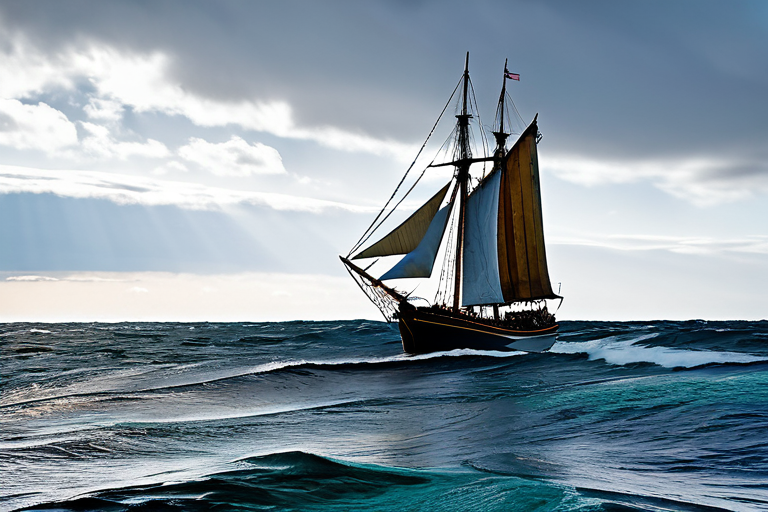
A classic Gloucester schooner, embodying the spirit of early 20th-century fishing fleets. Source: Maritime Heritage Foundation
Early Beginnings: The Age of Wooden Schooners
In the 17th century, Gloucester's fishing industry took root with small, hand-built dories and sloops. By the 1800s, the Gloucester schooner emerged as the backbone of the fleet. These two-masted wooden vessels, typically 60 to 100 feet in length, were designed for speed and stability. According to the Gloucester Maritime Center, schooners like the Fredonia and Columbia could carry up to 30 crew members and haul massive catches of cod, halibut, and mackerel. Their shallow drafts allowed access to near-shore fishing grounds, while their robust construction weathered North Atlantic storms. Historical records from the National Archives indicate that by 1900, Gloucester boasted over 400 schooners, making it one of the world's largest fishing ports.
Technological Shifts: The Rise of Steam and Diesel Power
The early 20th century marked a pivotal transition. Steam-powered trawlers, introduced in the 1910s, revolutionized fishing efficiency. Vessels like the Adventure, now a National Historic Landmark, could drag larger nets and venture farther offshore. By the 1930s, diesel engines became standard, offering greater reliability and range. A study by the National Oceanic and Atmospheric Administration (NOAA) notes that diesel-powered Gloucester boats increased catch yields by 40% compared to sail-powered predecessors. This era also saw the adoption of steel hulls, reducing maintenance and enhancing durability in icy waters.
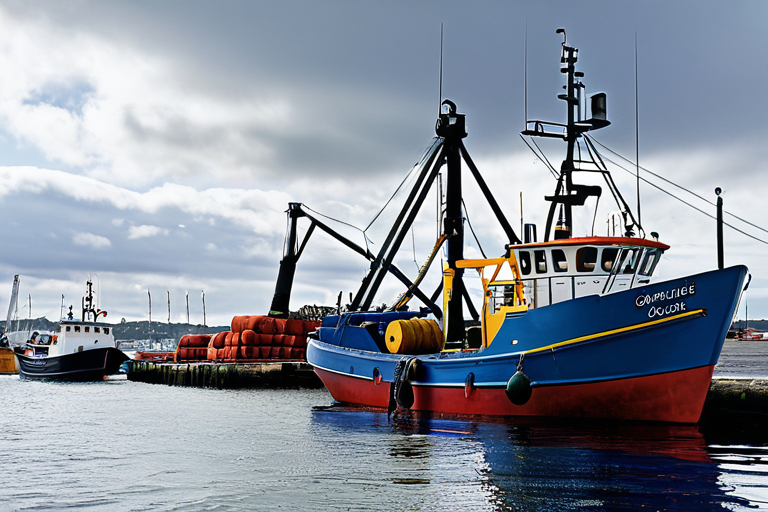
A contemporary steel trawler docked in Gloucester Harbor, showcasing advanced fishing technology. Source: NOAA Fisheries
Design Innovations: From Hulls to Gear
Gloucester boatbuilders pioneered key design elements. The clipper bow, with its sharp entry, improved speed in rough seas, while the stern ramp facilitated net handling. In the 1950s, refrigeration systems allowed for longer voyages, reducing spoilage. According to the Smithsonian Magazine, innovations like the otter trawl—a type of net that spreads underwater—were refined on Gloucester vessels, boosting efficiency. Today, boats integrate GPS, sonar, and automated winches, as documented by the Marine Insight industry reports.
Economic and Cultural Impact
Gloucester fishing boats fueled local and national economies. At its peak in the 1950s, the port landed over 200 million pounds of fish annually, per data from the U.S. Census Bureau. This industry supported thousands of jobs in processing, shipbuilding, and trade. Culturally, these boats inspired art and literature, most notably in Rudyard Kipling's Captains Courageous and the documentary The Perfect Storm, which highlighted the dangers faced by Gloucester crews. The City of Gloucester estimates that maritime heritage tourism, centered on historic boats, generates $50 million yearly.
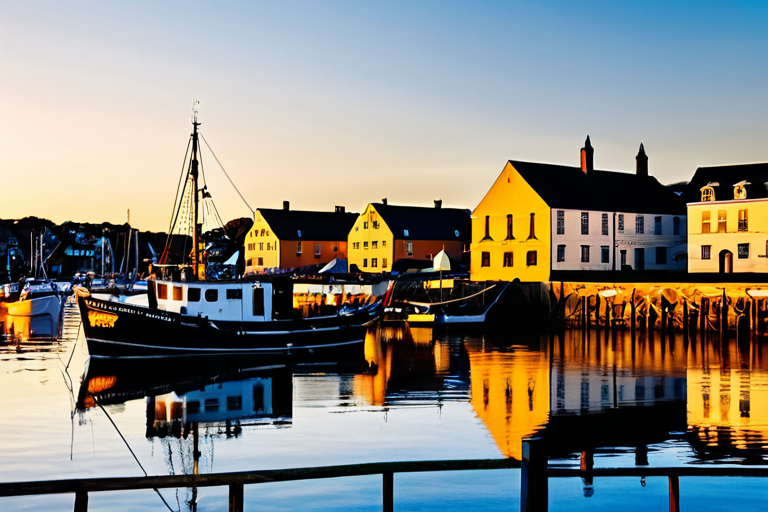
Gloucester Harbor at dusk, with fishing boats moored against a historic backdrop. Source: National Geographic
Challenges and Conservation Efforts
The late 20th century brought challenges: overfishing led to stock declines, prompting regulations from bodies like the New England Aquarium. Gloucester boats adapted with sustainable practices, such as larger mesh nets to reduce bycatch. Recent initiatives, supported by the World Wildlife Fund, promote eco-friendly fishing technologies. Despite a smaller fleet—now around 75 active boats, according to the Gloucester Fishermen's Wives Association—the community remains resilient, blending tradition with innovation.
Preserving Heritage: Museums and Restoration
Efforts to preserve Gloucester's nautical legacy are ongoing. The Schooner Adventure, a 1926 fishing vessel, is maintained as a museum ship, offering public tours. The Cape Ann Museum houses artifacts and models, educating visitors on boat evolution. Restoration projects, funded by grants from the National Endowment for the Humanities, ensure that historic boats like the Thomas E. Lannon continue to sail, symbolizing Gloucester's enduring maritime spirit.
In summary, Gloucester fishing boats are more than vessels—they are floating chronicles of human endeavor. From wooden schooners to high-tech trawlers, they reflect centuries of adaptation, driving economic growth and cultural identity. As Gloucester navigates modern challenges, its boats remain testaments to a community forever tied to the sea. For further reading, explore resources from the History Channel and local archives.