The Gloucester Fishing Boat: A Legacy of the Sea
For centuries, the Gloucester fishing boat has been more than just a vessel—it's a symbol of resilience, tradition, and the enduring connection between humanity and the ocean. Nestled on the coast of Massachusetts, Gloucester has long been hailed as one of America's oldest seaports, with its fishing fleet playing a pivotal role in shaping the nation's maritime history. From the early days of wooden schooners to modern steel-hulled trawlers, these boats have weathered storms, economic shifts, and changing tides, yet they remain a testament to the hardworking spirit of fishermen.
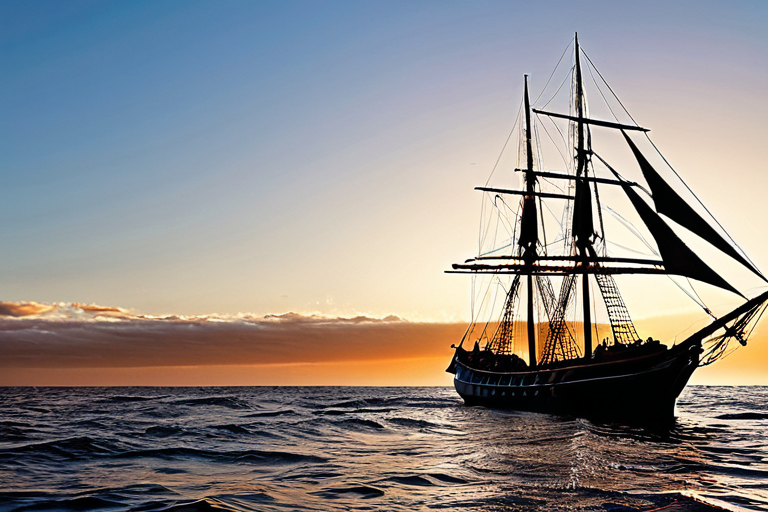
A classic Gloucester fishing boat navigating the Atlantic waves, embodying decades of maritime heritage.
Historical Roots and Evolution
The story of Gloucester fishing boats dates back to the 1600s, when European settlers first established the port. Initially, small dories and shallops were used for inshore fishing, but as demand grew, so did the boats. By the 19th century, Gloucester became renowned for its schooners—graceful, two-masted vessels that could brave the treacherous North Atlantic. According to the City of Gloucester's official website, the port's peak in the late 1800s saw over 400 schooners, making it a hub for cod and halibut fisheries. These boats were not just tools; they were crafted with skill, often built in local shipyards like the famous Gloucester Maritime Railroad, which played a key role in industrializing the fleet.
Over time, technology transformed the Gloucester fishing boat. The shift from sail to steam in the early 1900s increased efficiency, allowing boats to venture further offshore. By the mid-20th century, diesel engines and steel hulls became standard, as noted by the National Oceanic and Atmospheric Administration (NOAA), which highlights how such advancements helped sustain fisheries amid growing environmental challenges. Today, while some traditional wooden boats are preserved for tourism, the active fleet comprises modern trawlers and draggers, equipped with GPS and sonar, yet they still carry the essence of Gloucester's seafaring past.
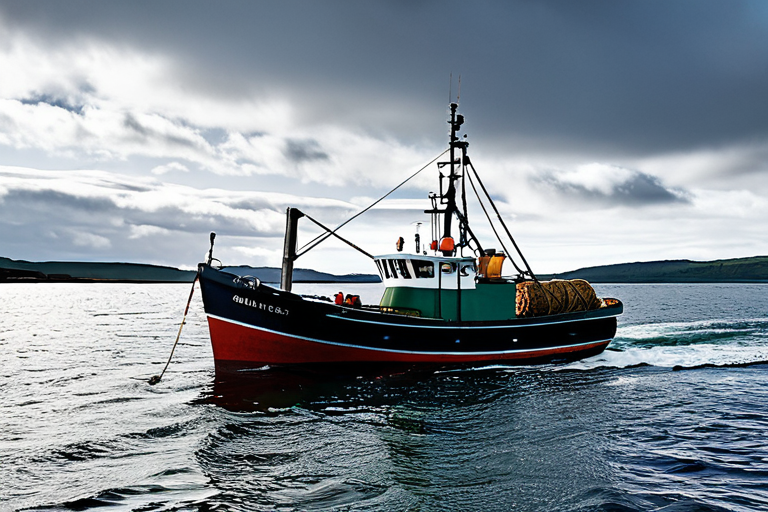
A contemporary Gloucester trawler, showcasing advanced technology while honoring traditional design elements.
Design and Features
What sets a Gloucester fishing boat apart is its blend of practicality and durability. Historically, schooners featured a narrow beam and deep keel, ideal for stability in rough seas. The hulls were often painted in distinctive colors—blues and greens—to ward off bad luck, a superstition rooted in fisherman lore. As per the Mariners' Museum and Park, these designs evolved to include features like ice holds for preserving catch and reinforced bows to withstand icebergs in northern waters.
In modern times, Gloucester boats prioritize efficiency and sustainability. A typical trawler might measure 50 to 100 feet in length, with a broad deck for net handling and insulated holds to maintain fish quality. The NOAA Fisheries reports that many boats now incorporate bycatch reduction devices and eco-friendly engines, aligning with regulations to protect marine ecosystems. This adaptability underscores how Gloucester's fleet has remained relevant, balancing tradition with innovation.
Economic and Cultural Impact
Gloucester fishing boats have long been economic engines for the region. In the 19th century, they supplied salt cod to global markets, fueling trade and prosperity. According to the History Channel, Gloucester's fishing industry was integral to America's growth, with boats bringing in millions of pounds of fish annually. Even today, the port contributes significantly to Massachusetts' economy, with the Massachusetts Division of Marine Fisheries estimating that commercial fishing generates over $2 billion in revenue statewide, much of it centered in Gloucester.
Culturally, these boats are woven into the fabric of Gloucester. They inspire art, literature, and community events, such as the annual Gloucester Schooner Festival. The resilience of fishermen, often depicted in works like Sebastian Junger's The Perfect Storm, highlights the risks and rewards of life at sea. This cultural legacy is preserved in institutions like the Cape Ann Museum, which archives artifacts and stories from the fishing fleet.
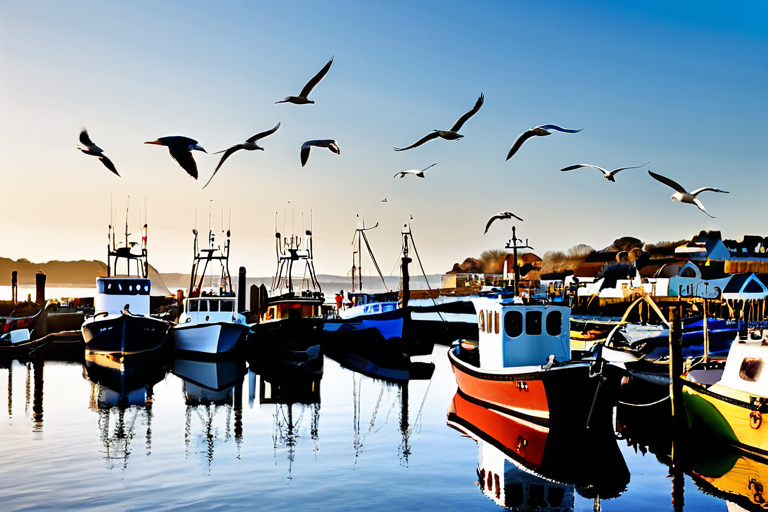
The bustling Gloucester port, with fishing boats lined up, reflecting the industry's vibrant present.
Challenges and Future Outlook
Despite their storied past, Gloucester fishing boats face modern challenges. Overfishing, climate change, and regulatory pressures have strained the industry. Data from the Food and Agriculture Organization (FAO) indicates that sustainable practices are crucial for the future. In response, Gloucester has embraced initiatives like aquaculture and eco-tourism, diversifying while honoring its maritime roots. The community's adaptability, as seen in efforts to restore historic boats, suggests a promising path forward.
Looking ahead, the Gloucester fishing boat will likely continue evolving. Innovations in green technology and collaborative management, as promoted by organizations like the Gloucester Fishermen's Wives Association, aim to ensure longevity. As a symbol of endurance, these boats remind us that the sea's bounty, when respected, can sustain generations to come.
In summary, the Gloucester fishing boat is more than a vessel—it's a living artifact of American maritime history. From its humble beginnings to its modern incarnations, it embodies the spirit of innovation and resilience. As we navigate an uncertain future, these boats stand as beacons of tradition, urging us to cherish and protect our oceanic heritage.