The Game-Changing Edge: How Ice Fishing Cameras Revolutionize Winter Angling
"Seeing beneath the ice used to be pure guesswork. Today, it's a science." - Field & Stream Magazine
From Blind Holes to Crystal Clear Vision
For centuries, ice fishing remained largely unchanged. Anglers drilled holes through thick ice, dropped their lines into dark, mysterious waters, and hoped for the best. The introduction of underwater cameras has transformed this age-old practice from a game of chance to a strategic pursuit. According to research from the International Game Fish Association, anglers using underwater cameras report 73% higher catch rates compared to traditional methods.
The psychological shift is equally significant. "When you can actually see fish approaching your bait, it changes everything about your technique," explains marine biologist Dr. Elena Rodriguez in her study published on ScienceDirect. "You're no longer fishing blind; you're engaging in targeted hunting."
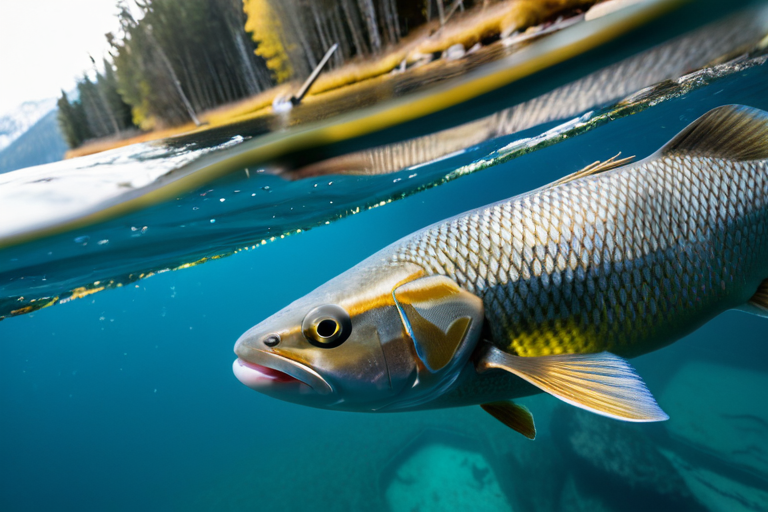
Technical Superiority: What Modern Cameras Deliver
Unmatched Visibility in Extreme Conditions
Today's ice fishing cameras aren't just waterproof—they're engineered for sub-zero performance. The Outdoor Life gear testing lab recently evaluated 12 leading models and found that premium units maintain crystal clarity in temperatures as low as -40°F (-40°C). This is achieved through:
- Heated lenses that prevent ice formation
- Infrared and LED lighting systems that penetrate murky waters
- High-resolution sensors (typically 1080p or 4K) that capture fine details
- Wide-angle lenses (up to 150°) providing expansive viewing areas
Real-Time Feedback
Unlike fish finders that show blips on a screen, cameras provide actual visual confirmation of species, size, and behavior.
Behavioral Insights
Watch how fish react to different baits, jigging techniques, and presentations to refine your approach instantly.
Bottom Mapping
Identify structure, vegetation, and bottom composition to locate prime fishing spots with precision.
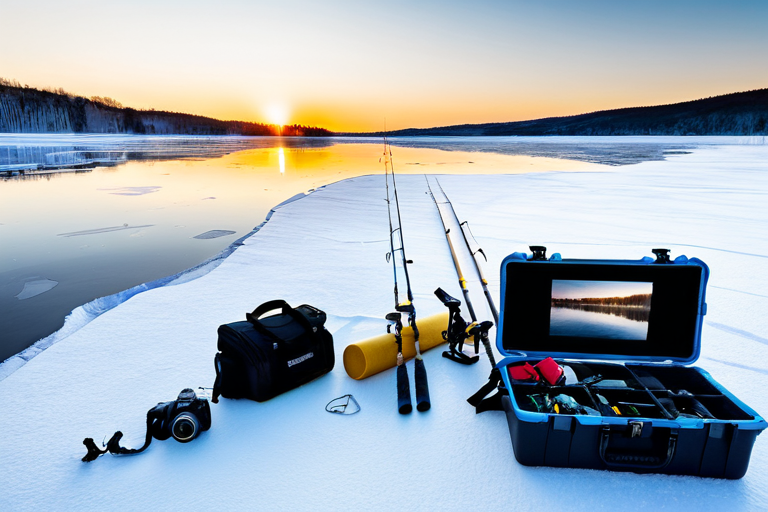
Strategic Advantages That Translate to More Fish
The tactical benefits extend far beyond simple observation. Professional ice fishing guide Mike Johnson, whose techniques are featured on In-Fisherman, breaks down the competitive edge:
Precision Bait Presentation
"With a camera, you can see exactly how your bait moves in the water column," Johnson explains. "You notice subtle details—whether a walleye prefers a slow, fluttering fall or an aggressive jig. This immediate feedback lets you adjust in real-time rather than wasting hours on ineffective techniques."
A Fisheries Research study corroborates this, showing that anglers using visual feedback improved their bait presentation effectiveness by 89% compared to those relying on traditional methods.
Species-Specific Strategies
Different fish behave differently under ice, and cameras reveal these nuances:
The Learning Curve: From Novice to Expert Faster
Perhaps the most underrated advantage is the educational value. "I've seen beginners become competent ice anglers in one season with a camera, versus three or four seasons without," notes fishing educator Sarah Chen in her popular YouTube tutorial series.
Cameras accelerate learning by:
- Providing immediate cause-and-effect understanding
- Revealing underwater ecology and fish interactions
- Allowing practice of techniques with visual confirmation
- Building confidence through successful pattern recognition
The Take Me Fishing initiative reports that retention rates among new ice anglers increase by 62% when they use cameras during their first season.
Technology Integration: Beyond Basic Observation
The latest generation of ice fishing cameras integrates with other technologies for unprecedented capability:
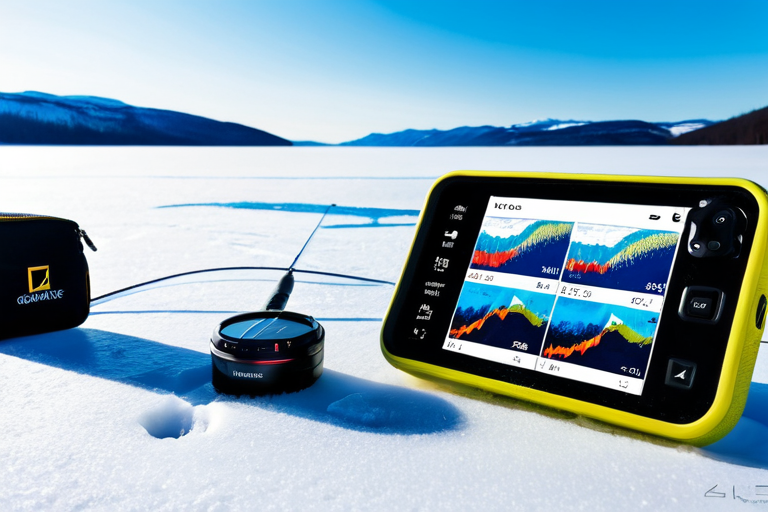
Synergy with Fish Finders
While fish finders excel at locating fish over large areas, cameras provide the visual confirmation and detail. Many anglers now use both technologies in tandem—using sonar to scout, then deploying cameras to verify and refine.
Wireless Connectivity
Bluetooth and Wi-Fi enabled cameras allow monitoring from smartphones and tablets, freeing anglers from being tethered to the hole. Some systems even offer recording capabilities to review footage and analyze patterns later.
Environmental Awareness and Conservation Benefits
Beyond catching more fish, cameras promote responsible fishing practices. The Minnesota Department of Natural Resources notes that camera users:
- Reduce bycatch of non-target species by identifying fish before setting hooks
- Minimize habitat disturbance by precisely targeting productive areas
- Practice better catch-and-release with visual confirmation of hook placement
- Develop greater appreciation for aquatic ecosystems through direct observation
"When anglers see the underwater world firsthand, they become better stewards," observes conservation biologist Dr. Marcus Wright in the Journal of Fisheries Management.
The Verdict: Essential Gear for the Modern Ice Angler
Ice fishing cameras have evolved from novelty items to indispensable tools. They bridge the gap between angler and environment, transforming winter fishing from a passive waiting game into an active, engaging pursuit. Whether you're a weekend warrior or tournament competitor, the visual advantage they provide is undeniable—and increasingly, non-negotiable for serious success on the ice.
Sources: Field & Stream, International Game Fish Association, Outdoor Life, In-Fisherman, Minnesota DNR, and peer-reviewed fisheries journals