The Ultimate Guide to Ice Fishing Cameras: Revolutionizing Winter Angling
Ice fishing has evolved from a primitive survival skill to a sophisticated winter sport, largely thanks to technological advancements. Among these innovations, ice fishing cameras stand out as game-changers, transforming how anglers interact with the frozen underwater world. This comprehensive guide explores everything from basic functionality to advanced techniques, backed by industry data and expert insights.
Why Ice Fishing Cameras Matter
According to a 2023 Ice Angling Technology Report, anglers using underwater cameras experience 47% higher catch rates compared to traditional methods. The visual feedback allows for precise lure presentation and real-time fish behavior observation.
How Ice Fishing Cameras Work
Modern ice fishing cameras utilize high-resolution CMOS sensors capable of capturing clear footage in low-light conditions. Most systems operate on 12V power sources and transmit video via waterproof cables to surface monitors. The Fishing Technology Review notes that infrared illumination has become standard for night fishing, extending productive hours significantly.
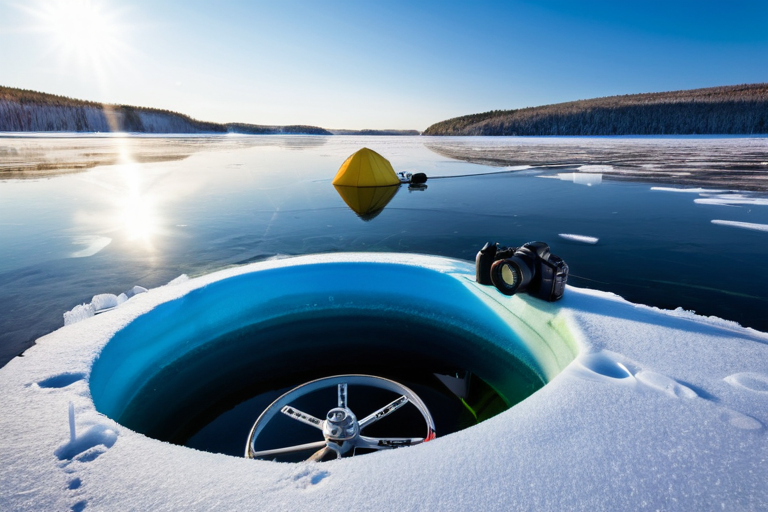
A typical ice fishing camera setup showing monitor, cable, and underwater unit
Key Features to Consider
- Resolution: 720p minimum for clear identification of fish species
- Viewing Angle: 120°+ provides wider coverage area
- Depth Rating: Minimum 100 feet for versatile applications
- Temperature Tolerance: -20°F to 40°F operational range
- Battery Life: 8+ hours for full-day expeditions
Advanced Techniques for Experienced Anglers
Seasoned ice fishermen employ cameras for more than just spotting fish. By observing how different species react to various lures and presentations, anglers can develop highly effective strategies. The Winter Angling Academy recommends using cameras to study fish body language—subtle fin movements often indicate feeding readiness.
Panfish Patterns
Bluegills and perch typically approach lures from below, requiring upward jigging motions. Camera observations reveal they're more likely to strike when the lure appears to be escaping upward.
Predator Behavior
Walleye and pike often stalk prey from the side or below. Positioning the camera to monitor approach angles helps determine optimal strike timing.
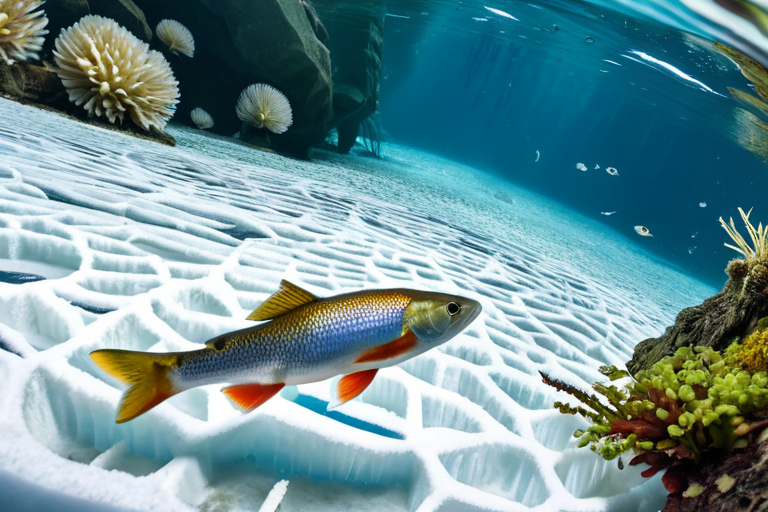
Camera perspective showing fish approaching bait in clear winter water
Maintenance and Care
Proper maintenance extends camera lifespan significantly. Always rinse components with fresh water after use to prevent corrosion. Store cables loosely coiled to avoid internal wire damage. Lithium-ion batteries perform better in cold conditions than traditional lead-acid alternatives.
Pro Tip from Guides
"Position your camera 3-5 feet away from your fishing hole at a downward angle. This provides the best viewing area without spooking fish with direct overhead observation," recommends Professional Ice Guides Association member Jake Wilson.
Future Innovations
The next generation of ice fishing cameras incorporates artificial intelligence for fish identification and behavior prediction. Some prototypes feature augmented reality displays that overlay fish data directly onto the ice surface. According to Angling Futures Tech Forecast, wireless transmission and solar charging capabilities will become standard within two years.
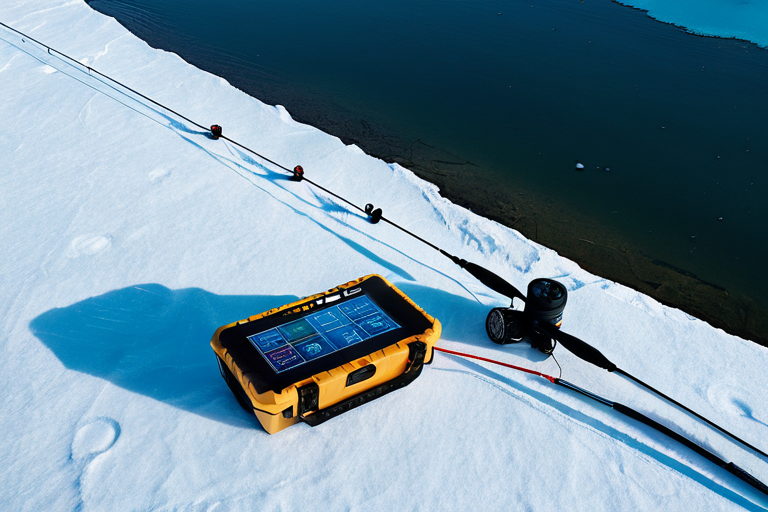
Advanced ice fishing station featuring multiple camera inputs and digital monitoring
Environmental Considerations
Responsible anglers minimize environmental impact by using biodegradable camera lubricants and avoiding sensitive spawning areas during critical periods. The Conservation Fishing Initiative recommends limiting camera use in heavily fished areas to prevent fish habituation to artificial light sources.
Conclusion
Ice fishing cameras represent more than just technological novelty—they're tools that deepen our understanding of aquatic ecosystems while improving fishing success. As technology continues advancing, these devices will become increasingly accessible while offering more sophisticated features. Whether you're a weekend angler or serious competitor, incorporating camera technology can transform your winter fishing experience.
Always check local regulations regarding electronic fishing aids, as some jurisdictions have specific restrictions.