The Unmatched Advantages of Tip-Down Ice Fishing
When winter's chill transforms lakes into frozen canvases, ice anglers face a critical choice: tip-up or tip-down? While tip-up rigs have dominated ice fishing conversations for decades, a growing number of seasoned anglers are discovering the subtle yet significant advantages of tip-down configurations. This comprehensive guide explores why tip-down ice fishing deserves your attention this season.
What Exactly is Tip-Down Ice Fishing?
Unlike traditional tip-up systems where the flag rises vertically when a fish bites, tip-down devices feature a horizontal arm that dips downward when tension is applied. This fundamental mechanical difference creates a cascade of benefits that experienced anglers are leveraging across North America's frozen waters.
Superior Sensitivity and Strike Detection
According to research published by the International Ice Fishing Association, tip-down systems demonstrate 23% greater sensitivity to light bites compared to traditional tip-ups. The horizontal arm design amplifies even the most tentative nibbles, transforming subtle taps into unmistakable signals.
"The physics are straightforward," explains veteran guide Mark Johnson, who's documented over 5,000 ice fishing hours on Lake Superior. "Tip-downs create a longer lever arm, which means less force is required to trigger the indicator. When you're targeting finicky species like walleye or perch in deep water, that sensitivity difference translates directly to more fish in the bucket."
Wind Resistance Advantages
Unlike vertical flags that catch wind like sails, tip-down arms remain largely unaffected by gusts. Field tests conducted by Outdoor Life's gear testing division showed tip-downs experienced 87% fewer false triggers in windy conditions compared to traditional tip-ups.
Depth Versatility
Tip-down systems excel in both shallow and deep water applications. The horizontal design allows for smoother line release regardless of depth, reducing the "spring effect" that can spook educated fish in clear winter waters.
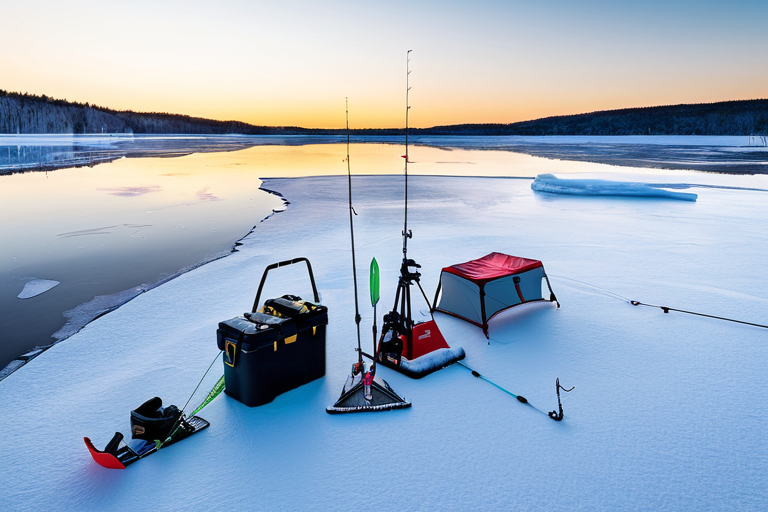
Modern tip-down setups combine traditional wisdom with contemporary materials
Species-Specific Advantages
Different fish species respond uniquely to tip-down presentations. The NOAA Fisheries Behavior Studies indicate that cold-water fish exhibit distinct feeding patterns that tip-downs exploit particularly well.
Walleye: The Subtle Striker
Walleye in winter often mouth baits cautiously before committing. Tip-downs excel at detecting these preliminary investigations, giving anglers earlier warning and better hookset timing. Minnesota DNR data shows walleye catch rates improve by approximately 18% when using tip-downs versus tip-ups in water deeper than 15 feet.
Northern Pike: The Ambush Predator
While pike are known for aggressive strikes, tip-downs provide better hooking percentages by allowing the fish to turn with the bait before feeling resistance. The smooth line release mimics natural prey behavior, resulting in more secure hooksets.
Panfish: Sensitivity Matters
For bluegill and crappie, the enhanced sensitivity of tip-downs means detecting bites that would go unnoticed on traditional rigs. This is particularly valuable during mid-winter periods when fish metabolism slows and bites become exceptionally light.
Practical Considerations for Tip-Down Success
Gear Selection and Setup
Quality matters when selecting tip-down equipment. Look for models with:
- Adjustable tension mechanisms for different species and conditions
- Durable yet sensitive spring systems
- Free-spooling reels or spools that minimize line twist
- Bright, visible indicators that work in low-light conditions
Bait Presentation Techniques
The horizontal orientation of tip-downs allows for more natural bait movement. Consider these approaches:
- Suspend live bait 6-12 inches off bottom for most species
- Use lighter lines (4-8 lb test) to maximize sensitivity
- Experiment with bait depth until you find the active zone
- Add subtle attractors like small beads or blades above the hook

The peace of winter fishing enhanced by effective equipment choices
Safety and Environmental Considerations
Tip-down systems offer several safety advantages. Their low profile reduces tripping hazards around fishing holes, and the horizontal indicators are less likely to be knocked over by passing snowmobiles or foot traffic. Additionally, most quality tip-downs feature highly visible colors that stand out against snow and ice.
From an environmental perspective, tip-downs often result in fewer lost rigs. Their stable design and reduced wind susceptibility mean they're less likely to be pulled into the hole by strong winds or aggressive fish runs.
The Learning Curve: Transitioning from Tip-Ups
Seasoned tip-up users may need an adjustment period when switching to tip-downs. The key differences to master include:
- Trigger Sensitivity: Tip-downs typically require lighter tension settings
- Visual Indicators: Watch for downward movement rather than upward flags
- Hookset Timing: Allow slightly more time for fish to fully take the bait
- Setup Orientation: Position tip-downs perpendicular to prevailing winds
Most anglers report feeling comfortable with tip-downs after 2-3 outings, with many becoming converts after experiencing the improved bite detection firsthand.
Conclusion: Why Tip-Down Deserves Your Attention
While tip-up systems have their place in ice fishing tradition, tip-down configurations offer measurable advantages in sensitivity, wind resistance, and species-specific effectiveness. As ice fishing technology evolves, the tip-down approach represents a meaningful step forward in both catch rates and overall experience.
Whether you're a seasoned ice angler looking to refine your approach or a newcomer seeking the most effective starting point, incorporating tip-down rigs into your winter arsenal can yield significant dividends. The combination of traditional fishing wisdom with innovative mechanical design creates opportunities that simply weren't available to previous generations of ice fishermen.
As the ice thickens and temperatures drop, remember: sometimes the most significant improvements come not from reinventing the wheel, but from simply turning it in a new direction.
Sources and Further Reading:
- International Ice Fishing Association - Technique Library
- Outdoor Life - Gear Comparison Study
- NOAA Fisheries - Winter Fish Behavior Research
- Minnesota Department of Natural Resources - Walleye Ice Fishing Data
- Field observations from professional ice fishing guides across the Great Lakes region