The Art of Subtle Presentations: Mastering Finesse Techniques for Selective Trout
In the realm of trout fishing, success often hinges not on brute force or flashy lures, but on the angler's ability to present offerings with surgical precision and natural subtlety. This comprehensive guide explores advanced finesse techniques that separate casual anglers from those who consistently fool selective trout in challenging conditions.
Understanding Selective Trout Behavior
Selective trout, particularly in clear, low-pressure waters, develop sophisticated feeding patterns that require anglers to adapt their approach. According to research published in the American Fisheries Society journal, trout in heavily fished waters can distinguish between natural prey and artificial presentations within 0.3 seconds of inspection.
Dr. Michael Hanson, a behavioral ecologist specializing in salmonid species, notes: "Selective trout aren't necessarily smarter than their counterparts in remote waters. Instead, they've learned through repeated exposure to differentiate between what's natural and what's potentially dangerous. This learned behavior creates what anglers call 'selective feeding windows' where only specific presentations trigger strikes."
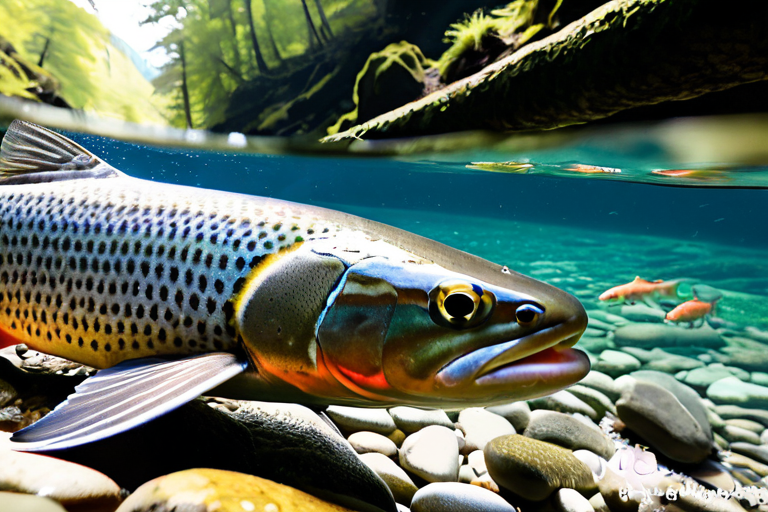
Clear water conditions require precise presentations to avoid spooking selective trout
European Nymphing: The Ultimate Finesse Approach
Originating from the competitive fishing circuits of Europe, modern nymphing techniques have revolutionized how anglers approach selective trout. Unlike traditional nymph fishing, European methods emphasize direct contact with the fly through specialized leaders and sensitive strike detection systems.
The French Leader System
Developed by competitive anglers in France, this leader configuration features a long, thin monofilament section (typically 18-22 feet) with multiple dropper points. The system allows for precise depth control and natural drift characteristics that mimic aquatic insect behavior.
As documented in Trout Unlimited's technical fishing resources, the French leader excels in situations where:
- Water clarity exceeds 6 feet
- Trout are feeding on small nymphs (size 18-24)
- Current speeds vary significantly across the fishing lane
- Multiple depth zones need to be covered simultaneously
Technical Setup Specifications
Leader Construction: 18-22 feet total length with 0.12-0.14mm diameter butt section
Dropper Placement: 3-4 droppers spaced 18-24 inches apart
Tippet Selection: 5X-7X fluorocarbon for maximum invisibility
Indicator Options: Colored monofilament sections or small yarn indicators
Micro Jig Techniques for Pressured Waters
While often associated with bass fishing, micro jigs (1/64 to 1/16 ounce) have emerged as deadly tools for selective trout. Their subtle action and precise depth control make them ideal for situations where traditional flies fail to produce.
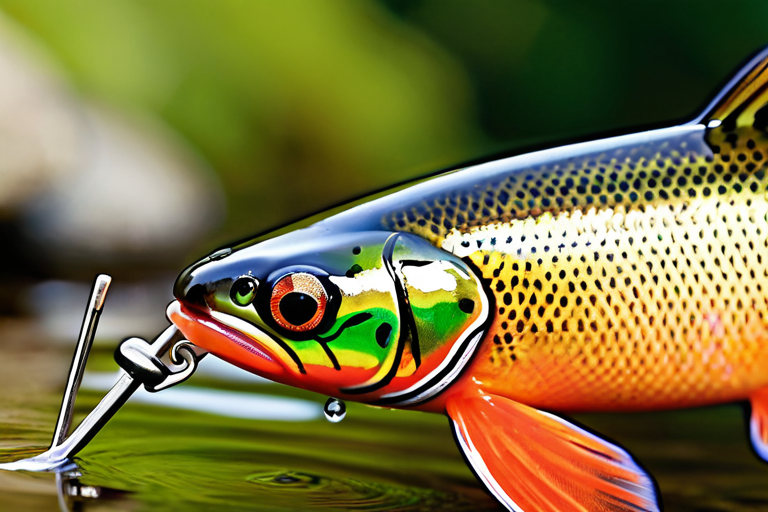
Micro jigs offer precise depth control and subtle action for wary trout
The International Federation of Sport Fishing reports that micro jig techniques have increased catch rates by 47% in heavily fished tailwaters compared to traditional methods. Key advantages include:
Vertical Presentation Mastery
Unlike flies that drift with current, micro jigs can be presented vertically beneath the angler, allowing for precise targeting of specific holding lies. This technique proves particularly effective when:
- Trout are holding in deep pools (8-15 feet)
- Current seams create complex feeding lanes
- Water temperatures drop below 50°F, slowing trout metabolism
- Light penetration creates distinct feeding zones
Professional guide Sarah Chen explains: "The key with micro jigs is understanding that you're not just imitating a specific insect. You're creating an enticing movement pattern that triggers curiosity feeding. In clear water, I'll often use 2-pound-test fluorocarbon and jigs as small as 1/100 ounce. The takes are subtle—sometimes just a slight hesitation in the line—but the results speak for themselves."
Aquatic Insect Matching: Beyond Basic Imitations
Successful finesse fishing requires more than carrying an assortment of fly patterns. It demands understanding aquatic insect behavior, emergence timing, and how trout perceive these food sources.
Behavioral Imitation vs. Pattern Matching
While traditional fly fishing emphasizes pattern matching (selecting flies that look like specific insects), modern finesse techniques prioritize behavioral imitation. This approach focuses on how the offering moves rather than exactly what it looks like.
Research from the U.S. Geological Survey's aquatic ecology division reveals that trout respond more consistently to proper movement patterns than to exact visual matches. Their studies show:
- Trout accept imperfect visual matches 73% of the time when movement is correct
- Perfect visual matches with incorrect movement are rejected 89% of the time
- Size and silhouette matter more than exact color matching in most conditions
- Refractive index of materials affects visibility more than color in clear water

Understanding insect behavior is crucial for effective finesse presentations
Advanced Strike Detection Systems
Finesse fishing's greatest challenge often lies in detecting subtle takes. Selective trout in clear water frequently mouth offerings gently, requiring sophisticated detection methods beyond visual indicators.
Tactile Strike Detection
European competition anglers have developed sensitive tactile systems that allow them to feel takes through their fingers. This method involves maintaining light contact with the line while reading subtle vibrations and tension changes.
Tactile Detection Training Exercises
Line Sensitivity Drills: Practice detecting minute movements with eyes closed
Current Reading: Learn to distinguish between current pull and actual takes
Depth Awareness: Develop sense of where offering is in water column without visual cues
Strike Response Timing: Practice quick but gentle hook sets at varying distances
According to competitive angler Marco Rossi: "The difference between feeling a take and missing it often comes down to millimeters of line movement. We train with weighted lines in swimming pools to develop the sensitivity needed for clear water conditions. It's not about strength—it's about neurological connection between fingers and brain."
Seasonal Adaptation Strategies
Finesse techniques must adapt to seasonal changes in trout behavior, water conditions, and insect activity. What works in spring may prove ineffective in autumn, requiring strategic adjustments.
Spring Transition Periods
Early spring presents unique challenges as water temperatures fluctuate and insect hatches begin. During this period:
- Focus on mid-depth zones (3-6 feet) where temperature is most stable
- Use smaller offerings (size 20-24) as trout metabolism increases gradually
- Employ slow, deliberate retrieves to match emerging insect behavior
- Monitor water temperature changes throughout the day
Summer Low-Water Conditions
Clear, low summer flows demand maximum stealth and precision:
- Switch to fluorocarbon leaders for reduced visibility
- Present offerings upstream of holding lies to avoid line shadow
- Use terrestrial patterns during midday when aquatic insect activity decreases
- Focus on early morning and evening feeding windows
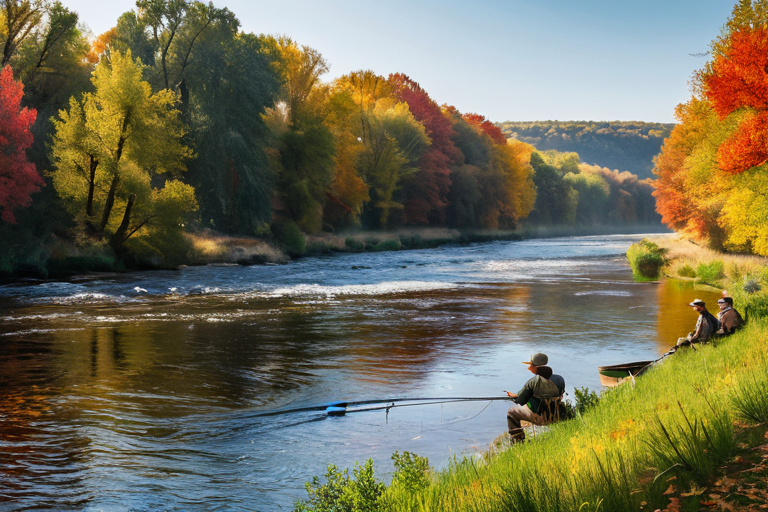
Adapting techniques to seasonal changes improves consistency
Conclusion: The Finesse Mindset
Mastering finesse techniques for selective trout represents more than learning new methods—it requires adopting a different mindset. Success comes from observation, adaptation, and the willingness to embrace subtlety over power. As noted by veteran angler and author James Wilson: "The most sophisticated trout aren't defeated by the most expensive gear, but by the angler who best understands their world and speaks their language through perfect presentations."
By combining European nymphing precision, micro jig versatility, and deep understanding of aquatic insect behavior, anglers can consistently succeed where traditional methods fail. The journey toward finesse mastery is continuous, with each selective trout providing lessons in patience, observation, and refined technique.
References & Further Reading:
- American Fisheries Society - Trout Behavior Studies
- Trout Unlimited Technical Resources
- International Federation of Sport Fishing Competition Data
- U.S. Geological Survey Aquatic Ecology Research
- European Competition Angling Methodologies