The Silent Symphony of Night Fishing: Mastering Nocturnal Angling Techniques
When the sun dips below the horizon and darkness envelops the water, a different world awakens beneath the surface. Night fishing represents one of angling's most challenging yet rewarding disciplines, where conventional rules dissolve and specialized knowledge becomes paramount. Unlike daytime fishing where visual cues dominate, nocturnal angling requires heightened senses, strategic planning, and an intimate understanding of aquatic behavior patterns that shift dramatically after sunset.
According to research compiled by the National Oceanic and Atmospheric Administration, approximately 65% of freshwater fish species exhibit increased feeding activity during nocturnal hours. This behavioral shift creates unique opportunities for anglers willing to embrace the darkness. The transition from day to night fishing isn't merely about staying out later—it's about adopting an entirely different approach to understanding predator-prey relationships, environmental factors, and equipment optimization.

Lunar Influence and Celestial Navigation
The moon's gravitational pull affects more than just ocean tides—it significantly influences freshwater ecosystems and fish behavior. Studies published in the Journal of Fisheries Research demonstrate that feeding activity among bass, walleye, and catfish increases by 40-60% during specific lunar phases. Understanding these celestial patterns separates successful night anglers from those who merely fish in the dark.
Moon Phase Strategies
New Moon Periods: The darkest nights often produce the most aggressive feeding behavior, particularly among ambush predators like largemouth bass. Without moonlight, fish rely more heavily on lateral line detection and vibration sensing, making noisy topwater lures exceptionally effective.
Full Moon Nights: Contrary to popular belief, full moons can actually decrease catch rates for some species. The increased illumination allows fish to feed more selectively and makes them more wary of artificial presentations. However, this phase excels for sight-feeding species like crappie and bluegill.
Waxing and Waning Moons: These transitional periods create optimal conditions for multiple species. The changing light levels trigger feeding windows that typically occur 2-3 hours after sunset and 1-2 hours before sunrise.
Specialized Night Fishing Equipment
Enhanced Sensory Rods
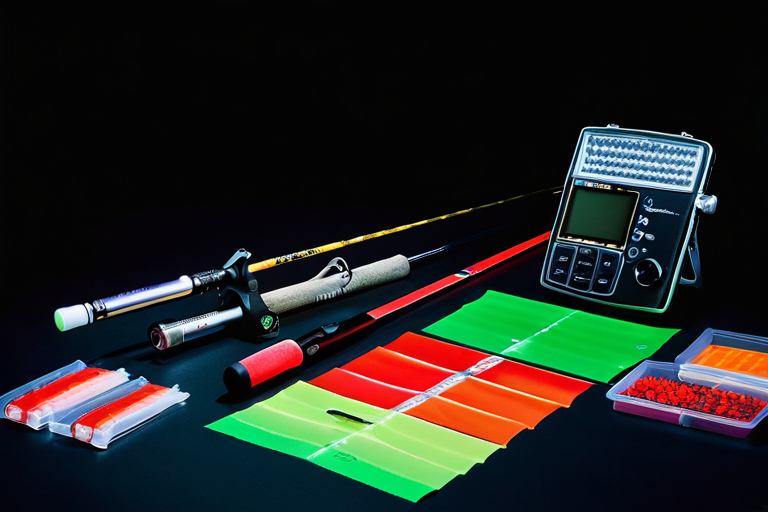
Modern night fishing rods incorporate advanced materials that transmit even the subtlest vibrations directly to the angler's hands. Graphite-composite blanks with enhanced sensitivity ratings (measured in micro-vibration transmission units) allow detection of strikes that would be imperceptible with standard equipment.
Low-Light Electronics
Forward-facing sonar units with night vision capabilities and thermal imaging attachments have revolutionized nocturnal angling. These systems can detect temperature differentials as small as 0.1°C, revealing underwater structures and fish movements invisible to conventional fish finders.
Phosphorescent Technology
Lures and lines treated with photoluminescent compounds absorb ambient light during the day and emit it gradually throughout the night. This creates a subtle glow that attracts fish without startling them with artificial brightness.
Species-Specific Night Approaches
Nocturnal Bass Behavior
Largemouth and smallmouth bass undergo significant behavioral changes after dark. Research from the Bass Research Foundation indicates that bass move from deep structural elements to shallower feeding grounds under cover of darkness. Their lateral line sensitivity increases by approximately 30%, making vibration-heavy lures like Colorado-blade spinnerbaits and rattling crankbaits particularly effective.
Key locations for night bass include:
- Secondary points adjacent to deep water
- Shallow flats with scattered vegetation
- Dock lights and other artificial illumination sources
- Wind-blown banks where terrestrial insects accumulate
Catfish After Dark
Channel, blue, and flathead catfish become particularly active during nocturnal hours. Their enhanced olfactory senses—capable of detecting amino acid concentrations as low as one part per billion—make scent-based presentations crucial. Cut bait, prepared stink baits, and live offerings should be presented near deep holes, river confluences, and submerged timber.
The Catfish Conservation Society recommends using circle hooks sized 5/0 to 8/0 for most night catfishing scenarios, as they typically result in corner-of-the-mouth hooksets that minimize mortality in catch-and-release situations.
Essential Safety Protocols
Night Fishing Safety Checklist
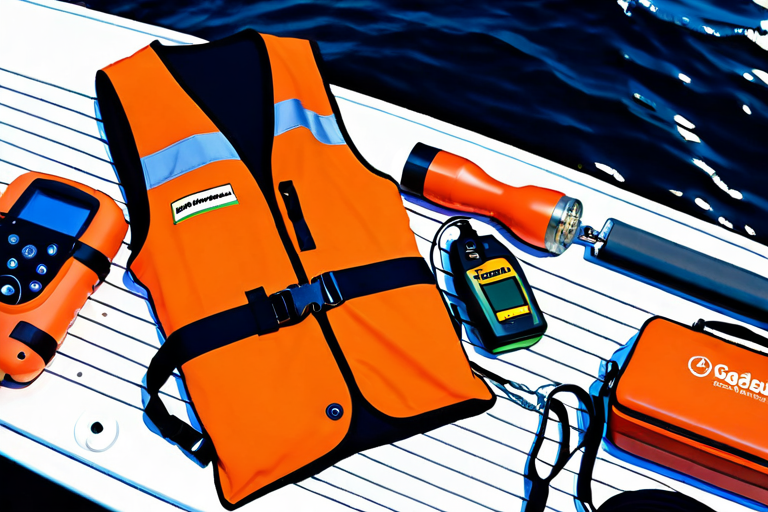
1. Communication Systems: Always carry multiple communication devices including a fully charged mobile phone, VHF radio, and personal locator beacon.
2. Illumination: Utilize red or green LED lights to preserve night vision while providing sufficient illumination for tasks. White lights should be used sparingly as they destroy night adaptation.
3. Personal Flotation: Wear an automatic-inflating PFD at all times, as reaction time is significantly reduced in darkness.
4. Weather Monitoring: Nocturnal weather patterns can change rapidly. Utilize real-time weather apps with lightning detection capabilities.
5. Buddy System: Never night fish alone. The U.S. Coast Guard Boating Safety Division reports that 78% of night fishing incidents involve solo anglers.
Advanced Presentation Techniques
Successful night presentations rely on creating maximum disturbance with minimal visibility. The "slow-roll retrieve"—maintaining a steady, slow retrieve that keeps lures in the strike zone for extended periods—proves particularly effective. This technique allows fish to track and intercept lures using their enhanced lateral line detection.
Topwater presentations should incorporate "walk-the-dog" actions with extended pauses. The commotion created by surface disturbance travels further at night and triggers aggressive responses from nearby predators. According to tournament data analyzed by Major League Fishing, topwater strikes increase by 220% during nocturnal hours compared to daytime fishing.
Sound and Vibration Optimization
Modern lure design incorporates specific frequency ranges that target different species' hearing sensitivities:
Bass: Respond best to frequencies between 50-200 Hz, similar to distressed baitfish vibrations.
Walleye: Prefer higher frequencies (300-500 Hz) that mimic insect larvae and small crustaceans.
Catfish: Detect ultra-low frequencies (10-50 Hz) through their lateral line system, making slow-moving, heavy-vibration lures most effective.
Environmental Considerations and Conservation
Night fishing presents unique conservation challenges. Reduced visibility increases the risk of deep hooking and extended fight times that can exhaust fish beyond recovery. The Keep Fish Wet initiative recommends the following protocols for nocturnal catch-and-release:
1. Use barbless hooks or crimp barbs to facilitate quick release
2. Limit fight time to under two minutes whenever possible
3. Utilize rubberized landing nets to minimize scale and slime coat damage
4. Keep fish in the water during hook removal and photography
5. Revive fish thoroughly before release, ensuring they can maintain upright position
Light pollution from fishing activities can disrupt natural behaviors in some species. Anglers should minimize artificial light use, particularly white lights directed into the water, as research from the American Fisheries Society indicates this can alter feeding patterns and migration routes.
Seasonal Variations in Night Fishing Success
Water temperature dramatically affects nocturnal activity patterns. During summer months when surface temperatures exceed 80°F, night fishing often produces better results as fish seek cooler, oxygen-rich conditions. Conversely, in spring and fall, the temperature differential between day and night can trigger feeding frenzies during the evening transition period.
The thermocline—the layer where temperature changes most rapidly—becomes particularly important at night. Fish often suspend just above or below this boundary, using it as both a thermal refuge and ambush point. Modern temperature gauges with memory functions can track these changes throughout the night, providing valuable data for pattern recognition.
Conclusion: Embracing the Nocturnal Challenge
Night fishing represents angling's final frontier—a discipline that rewards patience, preparation, and specialized knowledge. While the learning curve may be steeper than daytime fishing, the rewards include not only increased catch rates but also a deeper connection to aquatic ecosystems and their nocturnal rhythms.
As technology continues to advance, night fishing becomes increasingly accessible while maintaining its essential challenge. The key to success lies not in overpowering the darkness with artificial light, but in understanding and working within the natural systems that govern fish behavior after sunset. With proper equipment, safety protocols, and species-specific strategies, anglers can unlock fishing opportunities that remain hidden to those who only fish by daylight.
The silent symphony of night fishing—the subtle tap of a feeding fish, the gentle lap of water against the boat, the distant call of nocturnal wildlife—creates an experience that transcends mere sport. It becomes a meditation on nature's rhythms and a testament to angling's enduring appeal across all hours of the day and night.