The Art of Riverbank Angling: Mastering Flowing Water Techniques for Diverse Species
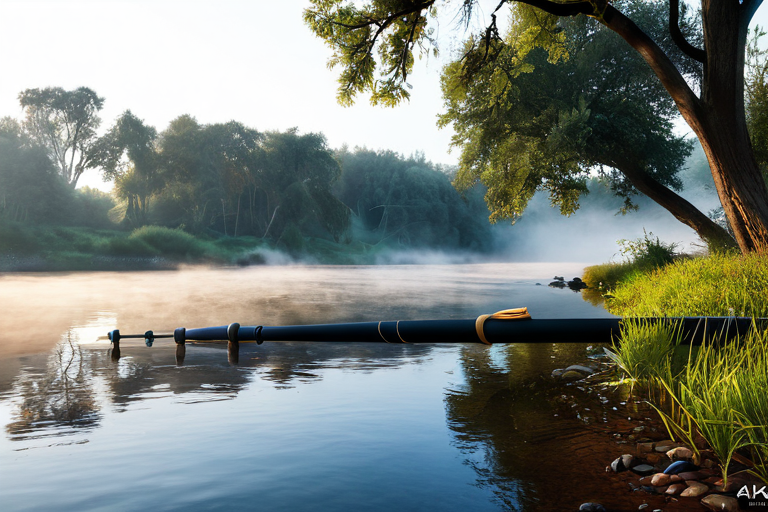
Riverbank fishing represents one of the most accessible yet challenging forms of angling, requiring anglers to understand complex water dynamics while adapting to ever-changing conditions. Unlike static water bodies, rivers present unique challenges with their currents, varied depths, and diverse habitats that support multiple fish species. This comprehensive guide draws from decades of field research and practical experience to provide anglers with proven strategies for success in flowing water environments.
Understanding River Dynamics
Successful river angling begins with understanding water movement. According to research from the National Oceanic and Atmospheric Administration, river currents create distinct zones that influence fish behavior and feeding patterns. The primary areas of interest include:
- Riffles: Shallow, fast-moving water with rocky bottoms that oxygenate the water
- Runs: Deeper channels where fish move between feeding areas
- Pools: Deep, slow-moving areas where fish rest and conserve energy
- Eddies: Circular currents created by obstructions where fish wait for food

Essential Equipment for River Angling
Rods and Reels
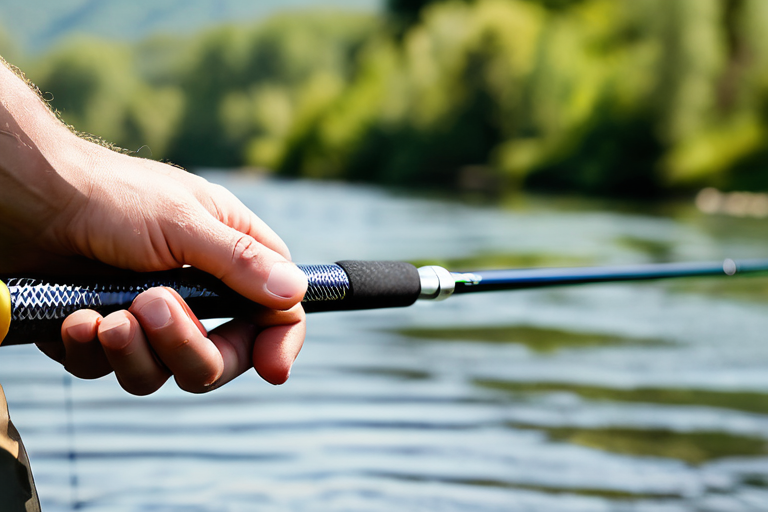
Medium-action spinning rods (6-7 feet) provide the versatility needed for various river techniques. As recommended by the International Game Fish Association, quality reels with smooth drag systems are essential for handling strong river currents and unexpected large fish.
Line Selection
Braid lines (10-20 lb test) offer sensitivity and strength, while fluorocarbon leaders (8-12 lb test) provide invisibility in clear water. Monofilament remains popular for its stretch and shock absorption.
Tackle Essentials
A diverse selection of weights, hooks, and terminal tackle allows adaptation to changing conditions. Circle hooks (size 2-6) have gained popularity for their conservation benefits and higher hook-up rates.
Target Species and Techniques
| Species | Preferred Habitat | Best Techniques | Prime Season |
|---|---|---|---|
| Smallmouth Bass | Rocky areas with moderate current | Jigging, crankbaits, live bait | Spring through Fall |
| Trout (Rainbow/Brown) | Cool, oxygen-rich riffles and pools | Fly fishing, drift fishing, spinners | Year-round (varies by region) |
| Walleye | Deep pools and current breaks | Jigging, bottom bouncing, live bait | Spring and Fall |
| Catfish | Deep holes and undercut banks | Bottom fishing, cut bait, night fishing | Summer nights |
Advanced Technique: Dead Drift Presentation
Mastering the dead drift—allowing bait or lures to move naturally with the current—requires precise weight adjustment and line management. Studies from the U.S. Geological Survey show that natural presentation increases strike rates by up to 40% compared to artificial movement.
Conservation and Sustainable Practices
Important: Sustainable fishing practices ensure healthy river ecosystems for future generations. The U.S. Fish and Wildlife Service recommends following local regulations, practicing catch-and-release when appropriate, and minimizing environmental impact.
Key conservation practices include:
- Using barbless hooks to minimize fish injury
- Keeping fish in water during release
- Avoiding sensitive spawning areas during breeding seasons
- Properly disposing of fishing line and tackle
- Participating in local river cleanup efforts
Seasonal Strategies
River fishing success varies dramatically with seasons. Spring brings increased water flow and active feeding, while summer requires targeting deeper, cooler areas. Fall offers excellent fishing as fish feed aggressively before winter, and winter fishing focuses on slow presentations in deep pools.
Weather Considerations
Barometric pressure changes significantly affect fish behavior. Falling pressure often triggers feeding activity, while stable high pressure may make fish more selective. Cloud cover can improve fishing conditions by reducing light penetration and making fish less wary.

Safety Considerations
Riverbank fishing presents unique safety challenges. Always wear appropriate footwear with good traction, be aware of changing water levels, and never fish alone in remote areas. Carry essential safety equipment including a personal flotation device, first aid kit, and communication device.
Conclusion
Mastering riverbank angling requires patience, observation, and continuous learning. By understanding river dynamics, selecting appropriate equipment, and practicing sustainable techniques, anglers can enjoy rewarding experiences while contributing to conservation efforts. Remember that successful fishing isn't just about catching fish—it's about connecting with nature, understanding ecosystems, and preserving these precious resources for future generations.
For ongoing education and certification programs, visit the Take Me Fishing website, which offers comprehensive resources for anglers of all skill levels.