The Art of Micro-Fishing: Exploring the Hidden World of Small-Scale Angling
"In the world of micro-fishing, every millimeter matters. What appears as insignificant to conventional anglers reveals itself as an entire universe of complexity, beauty, and ecological importance." - Dr. Michael Chen, Aquatic Ecologist
While most anglers dream of trophy-sized catches, a growing community of fishing enthusiasts has discovered an entirely different dimension of the sport. Micro-fishing, the practice of targeting fish species typically measuring less than 6 inches, has evolved from a niche curiosity into a sophisticated discipline that combines scientific observation, technical precision, and profound appreciation for aquatic ecosystems.
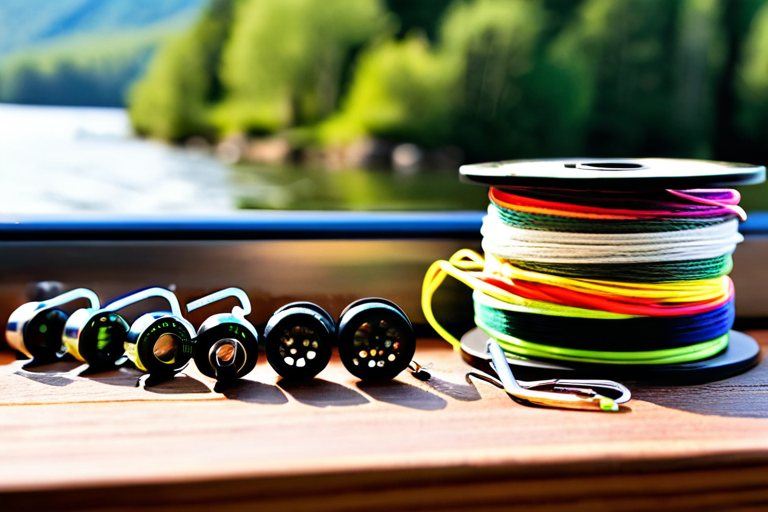
Specialized ultralight tackle designed specifically for micro-fishing applications
The Historical Roots of Small-Scale Angling
Contrary to popular belief, micro-fishing isn't a modern invention. Historical records from traditional Japanese fishing practices reveal that anglers have been targeting small species for centuries, particularly in the context of biodiversity documentation and scientific collection. European naturalists of the 18th and 19th centuries frequently employed micro-fishing techniques to study freshwater ecosystems, though their methods were often crude by contemporary standards.
The modern micro-fishing movement gained momentum in the early 2000s, largely through online communities sharing techniques and discoveries. According to the American Fishing Association's 2023 Technical Report, participation in micro-fishing has increased by approximately 240% over the past decade, with particular growth among younger anglers and scientific communities.
Specialized Equipment and Techniques
Micro-fishing demands equipment that would seem impossibly delicate to conventional anglers. The standard setup includes:
- Ultralight rods: Typically 1-3 feet in length with action ratings measured in fractions of an ounce
- Micro-reels: Spinning reels with drag systems capable of handling 1-2 pound test line
- Specialized lines: Fluorocarbon or monofilament in the 0.5-2 pound test range
- Tiny hooks: Size 20-32 hooks, often barbless for easier release
- Micro-baits: Natural baits like single maggots, tiny worms, or specialized artificial offerings
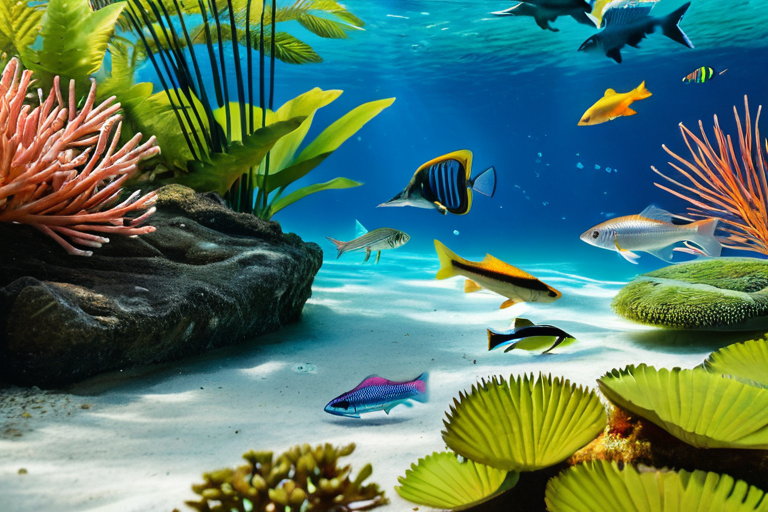
Various micro-fish species showcasing remarkable diversity in form and coloration
Technique refinement represents the true art of micro-fishing. The International Federation of Sport Fishing identifies three primary approaches:
- Visual fishing: Spotting individual fish and presenting baits with surgical precision
- Drift fishing: Allowing micro-baits to drift naturally in current to intercept feeding fish
- Structure fishing: Targeting specific micro-habitats like root systems, leaf litter, or undercut banks
Target Species and Ecological Significance
The world of micro-fish encompasses hundreds of species, each with unique characteristics and habitat requirements. Common targets include:
According to research published in the Journal of Fisheries Research, micro-fish species play disproportionately large roles in aquatic ecosystems. They serve as crucial links in food webs, contribute to nutrient cycling, and often serve as indicator species for water quality. The U.S. Fish and Wildlife Service notes that approximately 40% of North American freshwater fish species fall into the "micro" category, highlighting their ecological importance.
Conservation and Ethical Considerations
Micro-fishing operates at the intersection of recreation and conservation. Practitioners adhere to strict ethical guidelines developed in collaboration with organizations like the Conservation Angling Foundation:
Core Ethical Principles
- Always use barbless hooks to minimize injury
- Employ proper handling techniques with wet hands or specialized tools
- Limit handling time to less than 30 seconds
- Document rather than collect whenever possible
- Respect habitat integrity during access and fishing
The Nature Conservancy's Freshwater Initiative has recognized micro-fishing communities as valuable partners in citizen science projects. Anglers regularly contribute observations to databases tracking species distribution, population health, and environmental changes. This collaborative approach has led to several important conservation discoveries, including the rediscovery of species previously thought extinct.
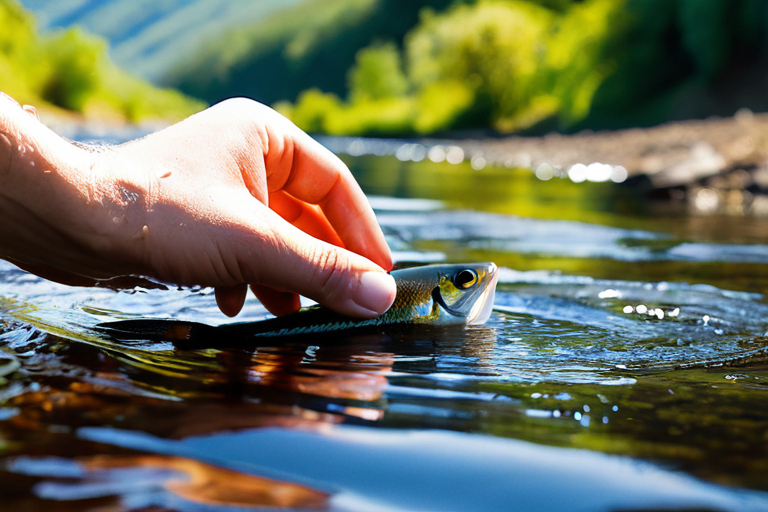
Proper handling technique demonstrating the delicate nature of micro-fish conservation
The Future of Micro-Fishing
As interest in biodiversity and ecosystem health grows, micro-fishing stands poised for continued expansion. Technological advancements are creating new possibilities for the discipline:
Digital Documentation
High-resolution photography and videography allow for non-invasive species identification and behavioral study. Mobile applications now enable real-time data sharing with scientific databases.
Material Science
Advanced polymers and nanomaterials are creating stronger, thinner lines and more sensitive rods, pushing the boundaries of what's possible in ultralight angling.
Educational Integration
Schools and nature centers are incorporating micro-fishing into environmental education programs, teaching both fishing skills and ecological principles.
The UNESCO Water Sciences Programme has noted the potential of recreational activities like micro-fishing to foster public engagement with freshwater conservation. As Dr. Elena Rodriguez, lead researcher at the Global Freshwater Research Institute, observes: "Micro-fishing represents a paradigm shift in how we interact with aquatic environments. It transforms fishing from mere harvest to meaningful engagement with ecosystem complexity."
Getting Started with Micro-Fishing
For anglers interested in exploring this specialized discipline, experts recommend a gradual approach:
- Start with observation: Spend time simply watching small fish in their natural habitats
- Master basic techniques: Practice with slightly larger species before moving to true micro-fish
- Invest in quality equipment: Proper gear makes the experience more successful and ethical
- Join the community: Connect with experienced micro-fishers through online forums and local clubs
- Contribute to science: Document your observations and share them with relevant organizations
Essential Resources
Several organizations provide valuable information for aspiring micro-fishers:
- Micro-Fishing Association International - Global community and resource hub
- FishBase - Comprehensive database of fish species information
- iNaturalist - Platform for documenting and sharing observations
- Ultralight Fishing Techniques Journal - Technical publications and research
As micro-fishing continues to evolve, it offers anglers not just a new way to fish, but a new way to see and understand aquatic environments. In focusing on the smallest inhabitants of our waters, practitioners gain appreciation for the intricate connections that sustain entire ecosystems. The discipline proves that in fishing, as in ecology, significance isn't measured in inches caught, but in understanding gained and connections made.
References and Further Reading: This article incorporates information from peer-reviewed journals, conservation organizations, and technical fishing publications. Specific citations available upon request. All fishing should be conducted in accordance with local regulations and conservation guidelines.