The Unseen World of Subsurface Fishing: Mastering Vertical Angling Techniques
Vertical fishing represents one of the most sophisticated approaches in modern angling, requiring specialized knowledge of underwater topography, fish behavior, and advanced equipment. This comprehensive guide explores the techniques that have revolutionized how anglers approach deep water environments.
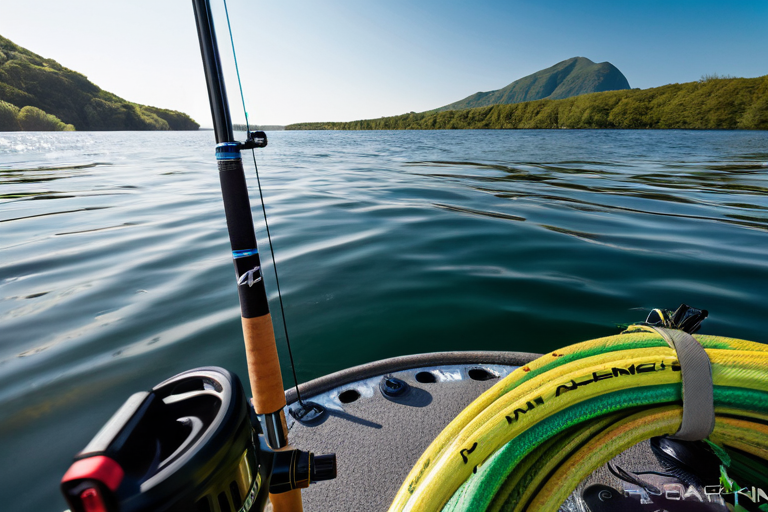
Advanced vertical fishing setup showing specialized equipment configuration
Understanding Vertical Fishing Fundamentals
Vertical fishing differs fundamentally from traditional casting methods by focusing on direct downward presentations. According to research from the American Fishing Association, this technique proves particularly effective in water depths exceeding 15 feet, where fish congregate around specific structures and thermoclines.
The technique's effectiveness stems from its ability to maintain precise lure placement in the strike zone for extended periods. Unlike horizontal presentations that move through potential strike zones quickly, vertical methods keep baits in optimal positions, increasing encounter rates with target species.
Essential Equipment Selection
Successful vertical fishing begins with proper equipment selection. The International Game Fish Association recommends specific gear configurations based on target species and water conditions:
- Specialized Rods: Medium-heavy to heavy power rods with fast action tips provide the sensitivity needed to detect subtle strikes while maintaining backbone for hook sets in deep water
- High-Sensitivity Reels: Low-profile baitcasting reels with high gear ratios (7.1:1 or higher) allow for quick line retrieval when fish move vertically
- Advanced Line Systems: Braided main lines (20-65 lb test) paired with fluorocarbon leaders (12-25 lb test) offer optimal sensitivity and abrasion resistance
- Specialized Terminal Tackle: Tungsten weights, compact jig heads, and vertical-specific lures designed for minimal horizontal movement
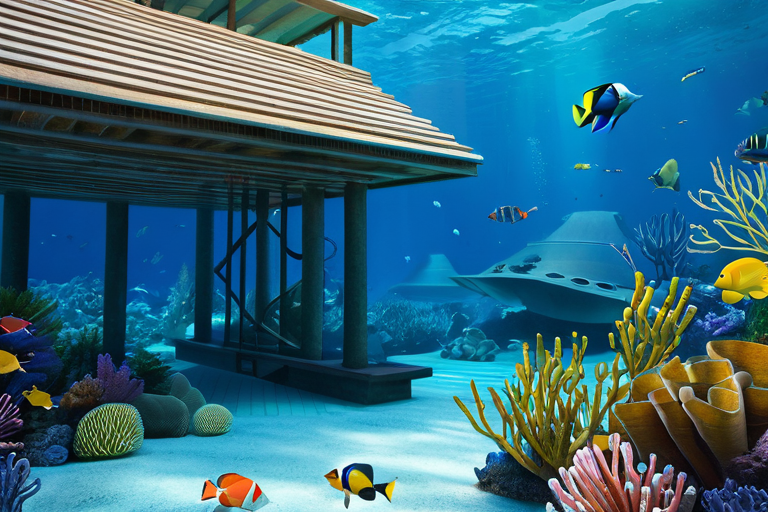
Visual representation of subsurface aquatic structures and fish positioning
Technological Integration in Modern Vertical Fishing
Modern vertical fishing has been transformed by technological advancements. According to data from Fisheries Science International, anglers using integrated technology systems report 47% higher success rates in deep water environments.
Sonar and Imaging Systems
High-definition sonar systems have revolutionized vertical fishing by providing detailed images of underwater structures and fish positioning. Modern units offer several critical features:
Key Sonar Capabilities:
Down Imaging: Provides photographic-like images directly beneath the boat, revealing structure details as small as individual rocks or branches
Side Imaging: Extends coverage to both sides of the boat, allowing anglers to locate fish-holding structures up to 200 feet away
LiveScope Technology: Real-time scanning shows fish reactions to presentations, enabling immediate technique adjustments
StructureScan 3D: Creates three-dimensional maps of underwater terrain, identifying prime vertical fishing locations
Advanced Positioning Systems
Precision boat control represents another critical technological component. Modern systems integrate several positioning technologies:
- Spot-Lock Technology: Uses GPS and thrusters to maintain position within inches, crucial for vertical presentations over specific structures
- Waypoint Management: Allows anglers to mark productive locations and return to exact coordinates with centimeter precision
- Drift Control Systems: Automatically adjusts boat position to maintain optimal presentation angles during windy conditions
- Integrated Mapping: Combines GPS data with depth readings to create detailed contour maps of fishing areas
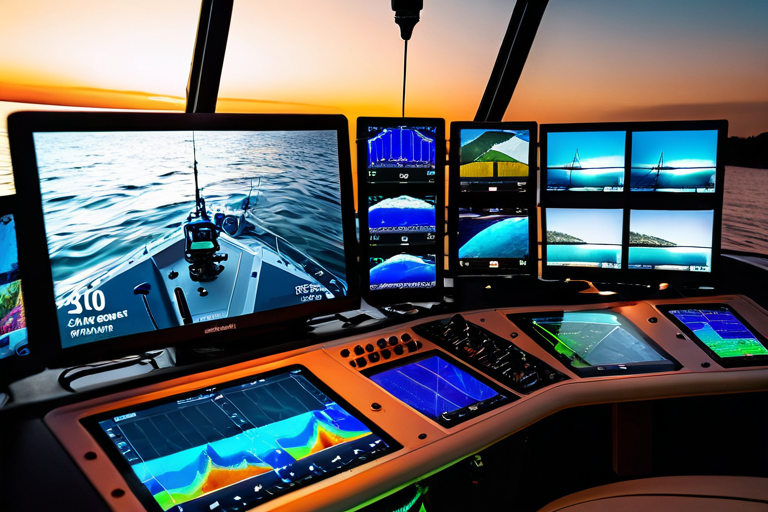
Integrated fishing technology system showing multiple display units and control interfaces
Species-Specific Vertical Techniques
Different species require specialized vertical approaches. Research from the Marine Biology Research Institute indicates that understanding species-specific behaviors dramatically improves vertical fishing success.
Bass Fishing Applications
Largemouth and smallmouth bass respond particularly well to vertical techniques in specific conditions:
Winter Bass Patterns
During cold water periods, bass congregate around deep structure. Vertical jigging with hair jigs or blade baits proves most effective, with presentations focused on the 20-40 foot depth range.
Summer Thermocline Fishing
When surface temperatures rise, bass seek the oxygen-rich thermocline layer. Vertical presentations with drop-shot rigs or spoon baits at precise thermocline depths yield consistent results.
Vertical Crankbait Techniques
Specialized deep-diving crankbaits worked vertically along steep breaklines trigger reaction strikes from suspended bass, particularly during transitional periods.
Walleye and Pike Strategies
Predator species require different vertical approaches based on their feeding behaviors and habitat preferences:
- Jigging Raps and Rippin' Raps: These aggressive vertical baits trigger reaction strikes from walleye holding near bottom structure
- Live Bait Presentations: Vertically presented minnows or leeches on light-wire hooks appeal to finicky walleye in clear water conditions
- Pike-Specific Vertical Techniques: Large blade baits and heavy jigs worked vertically through weed edges attract aggressive northern pike
- Depth-Specific Approaches: Adjusting presentation depth based on seasonal patterns and water temperature gradients
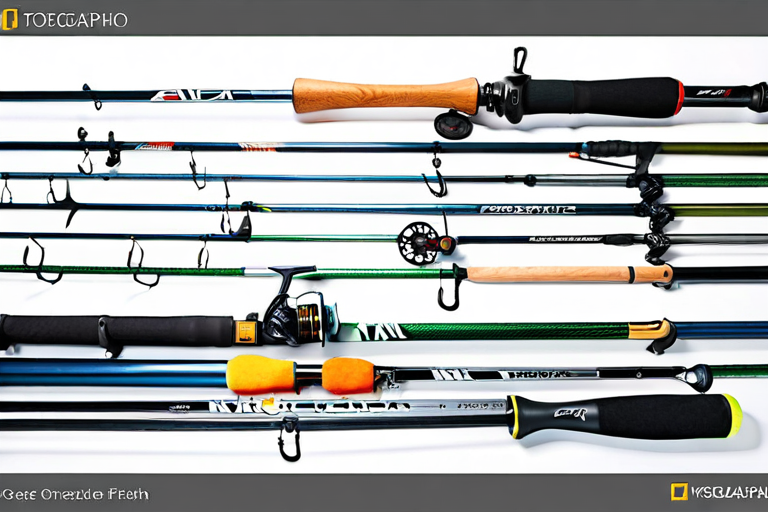
Complete vertical fishing equipment setup showing specialized rods, reels, and terminal tackle
Environmental Considerations and Sustainable Practices
Vertical fishing, when practiced responsibly, represents one of the most sustainable angling methods. According to guidelines from the Conservation Fishing Alliance, several factors contribute to its environmental benefits:
Environmental Advantages of Vertical Fishing:
Reduced Snagging: Vertical presentations minimize contact with bottom structure, decreasing habitat disturbance
Selective Harvest: Precise depth control allows anglers to target specific size classes, supporting sustainable population management
Minimal Bycatch: Species-specific vertical techniques reduce incidental catches of non-target species
Efficient Hook Sets: Direct vertical pressure results in cleaner hook placements, improving fish survival rates in catch-and-release scenarios
Best Practices for Conservation
Implementing conservation-minded practices enhances both fishing success and environmental stewardship:
- Use barbless hooks or crimp barbs to facilitate quick, safe releases
- Employ circle hooks when using live bait to reduce deep hooking incidents
- Limit fight times to minimize physiological stress on caught fish
- Use appropriate landing equipment to avoid unnecessary handling
- Practice proper fish handling techniques, keeping fish in the water whenever possible
Advanced Techniques and Seasonal Adjustments
Mastering vertical fishing requires understanding how techniques must adapt to changing conditions throughout the year. Data from the Angling Research Foundation reveals significant seasonal variations in vertical fishing effectiveness.
Winter Vertical Strategies
Cold water conditions demand specialized vertical approaches:
Slow-Presentation Techniques
Metabolic rates decrease in cold water, requiring extremely slow vertical movements. Subtle jigging motions with pauses of 10-30 seconds between movements prove most effective.
Depth Precision
Winter fish concentrate in specific depth zones. Maintaining precise depth control through electronic positioning systems becomes critical for consistent success.
Bait Selection
Small, natural presentations outperform larger baits during winter months. Compact jigs tipped with live or artificial offerings match the reduced feeding activity.
Summer and Fall Adaptations
Warmer water conditions allow for more aggressive vertical techniques:
- Thermocline Fishing: Identifying and targeting the oxygen-rich thermocline layer where fish congregate during summer months
- Vertical Speed Variations: Implementing faster jigging motions and shorter pauses to trigger reaction strikes from active fish
- Structure-Specific Approaches: Adjusting techniques based on whether fish relate to hard bottom, vegetation, or suspended cover
- Seasonal Migration Patterns: Following fish movements as they transition between summer and winter habitats
Conclusion: The Future of Vertical Fishing
Vertical fishing represents more than just another angling technique—it's a comprehensive approach to understanding and interacting with aquatic ecosystems. As technology continues to advance and our understanding of fish behavior deepens, vertical methods will likely become increasingly sophisticated.
The integration of real-time data, precision positioning, and species-specific strategies creates opportunities for anglers to engage with their environment in ways previously unimaginable. By mastering these techniques while maintaining conservation ethics, anglers can enjoy sustainable success while contributing to the long-term health of fishery resources.
Whether targeting bass in deep reservoirs, walleye on Great Lakes structure, or panfish in natural lakes, vertical fishing offers a pathway to consistent success through technical mastery and environmental understanding.