When Does Fishing Season Start? A Regional and Species-Specific Guide
For anglers, the question "When does fishing season start?" is more than just a calendar query—it's the gateway to planning adventures, preparing gear, and anticipating the thrill of the catch. Unlike a single universal date, fishing seasons vary dramatically based on location, species, regulations, and environmental factors. This guide breaks down the key elements that determine fishing season start dates across North America and beyond, helping you navigate the complexities with confidence.
The Factors Influencing Fishing Season Start Dates
Fishing seasons are primarily set by regulatory bodies to ensure sustainable fish populations and ecosystem health. According to the U.S. Fish and Wildlife Service, seasons are tailored to species' spawning cycles, water temperatures, and historical catch data. For example, trout seasons often align with cooler spring flows, while bass fishing might kick off earlier in warmer southern states.
Regional Breakdown of Fishing Season Starts
North America
In the United States, seasons differ by state and even by waterbody. For instance, New York's Department of Environmental Conservation typically opens trout season on April 1st, while Florida's bass fishing is year-round with specific size limits. Canada's seasons, managed by Fisheries and Oceans Canada, often start later in northern regions due to ice cover.
Europe
European fishing seasons are equally diverse. In the UK, coarse fishing seasons generally run from June to March, while salmon seasons vary by river. The European Environment Agency notes that climate change is shifting some traditional start dates, with warmer springs prompting earlier openings.
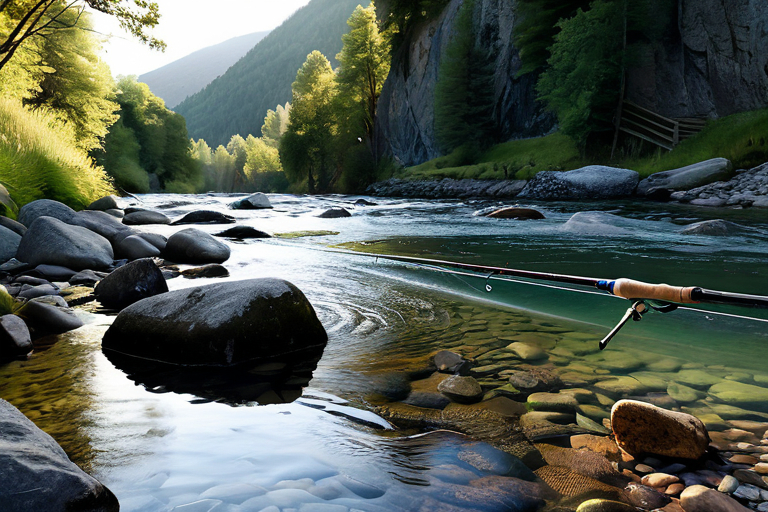
Trout fishing often marks the start of spring seasons in many regions.
Species-Specific Season Start Dates
Different fish species have unique season timelines. Here are a few common examples:
- Trout and Salmon: Often start in early spring (March to May) in temperate zones, as noted by Trout Unlimited. Ice-out periods in northern areas can delay openings.
- Bass (Largemouth and Smallmouth): Seasons frequently begin in late spring or early summer (May to June), with year-round fishing in southern states per Bassmaster guidelines.
- Saltwater Species (e.g., Tuna, Marlin): Offshore seasons usually start in summer (June to August), influenced by migration patterns as documented by NOAA Fisheries.
How to Determine Your Local Fishing Season Start
To find exact dates, always consult local authorities. Key resources include:
- State or provincial wildlife agency websites (e.g., California Department of Fish and Wildlife).
- Fishing regulation booklets, often available online or at license vendors.
- Mobile apps like Fishbrain or local angling forums for real-time updates.
Pro Tip: Seasons can change annually based on stock assessments and environmental conditions. Always verify dates before heading out, as penalties for fishing out-of-season can be severe.
The Impact of Climate and Environment
Climate change is increasingly affecting fishing seasons. Warmer winters may lead to earlier ice melts and shifted spawning times, prompting agencies to adjust dates. For example, some Alaskan salmon runs now start weeks earlier than historical averages, as reported by Climate.gov. Anglers should stay informed through scientific updates and adaptive management plans.
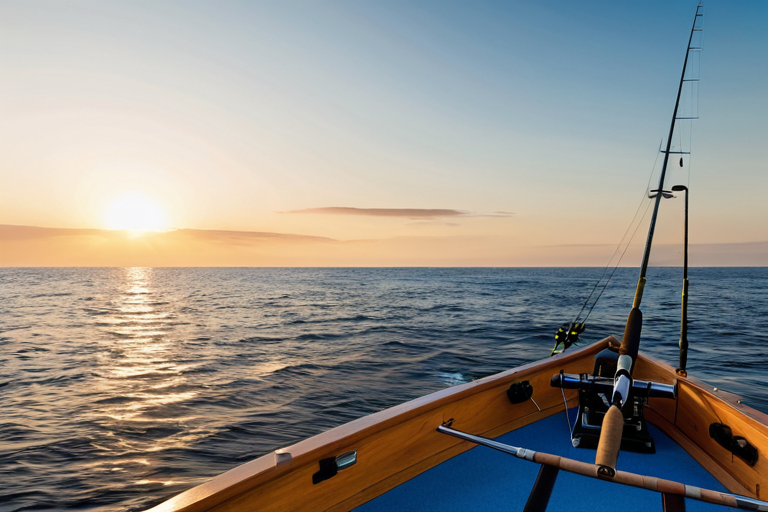
Saltwater fishing seasons often align with warmer summer months.
Planning Your Fishing Trips Around Season Starts
Successful angling requires more than just knowing the start date. Consider these steps:
- • Research Local Regulations: Check for size limits, bag limits, and gear restrictions that accompany season openings.
- • Monitor Weather and Water Conditions: Early-season fishing can be affected by runoff or temperature swings.
- • Join Angling Communities: Local clubs or online groups often share insights on the best times to fish post-opening.
In summary, the start of fishing season is a dynamic concept shaped by geography, species, and conservation needs. By leveraging authoritative resources and staying adaptable, anglers can maximize their opportunities while supporting sustainable practices. Whether you're chasing trout in a mountain stream or marlin in the open ocean, understanding these timelines is the first cast toward a rewarding experience.
Sources: This article draws on information from U.S. Fish and Wildlife Service, NOAA Fisheries, Trout Unlimited, Bassmaster, and other regional agencies. Always confirm details with local authorities before fishing.