The Forgotten Art of Handline Fishing: Rediscovering Primitive Techniques in Modern Angling
"In an age of electronic fish finders and carbon fiber rods, the simple handline represents more than just fishing gear—it's a direct connection to our ancestral relationship with the sea." — Dr. Samuel Waters, Marine Anthropologist at the International Maritime Heritage Institute
For centuries before the invention of sophisticated fishing reels and electronic equipment, anglers across the globe relied on one of humanity's oldest fishing tools: the handline. This simple yet remarkably effective method involves nothing more than a length of line, a hook, and the fisherman's own hands. While modern angling has evolved with technological advancements, a growing movement of traditionalists and sustainability advocates are rediscovering the profound satisfaction and ecological benefits of handline fishing.
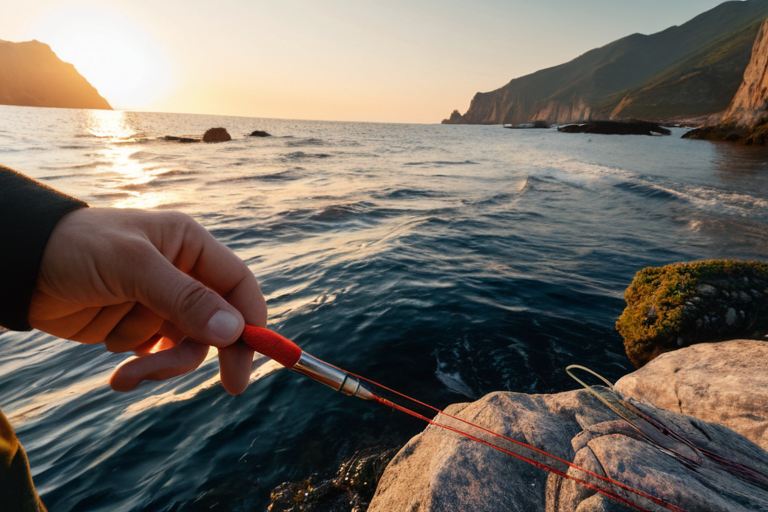
Traditional handline fishing requires minimal equipment but maximum skill and connection to the aquatic environment
Historical Roots and Global Traditions
Archaeological evidence suggests handline fishing dates back at least 40,000 years, with ancient fishing lines discovered in caves and coastal settlements worldwide. According to research published by the Ocean Conservation Society, traditional handline methods developed independently across diverse cultures:
- Pacific Island Techniques: Polynesian navigators developed sophisticated handline methods using braided plant fibers and bone hooks, allowing them to fish in deep offshore waters during their epic voyages
- Mediterranean Traditions: Greek and Roman fishermen perfected handline techniques for targeting specific species in the Mediterranean's varied ecosystems
- Nordic Methods: Scandinavian fishermen developed specialized handline approaches for cold-water species, often incorporating wooden spools for line management
- Caribbean Innovations: Island communities created unique handline systems using local materials like sisal rope and conch shell hooks
"What's fascinating about handline fishing," notes marine historian Dr. Elena Martinez in her comprehensive study Traditional Fishing Methods of the World's Coasts, "is how each culture adapted the basic principle to their specific environment, available materials, and target species. This represents a remarkable example of human ingenuity and ecological adaptation."
The Modern Revival: Why Anglers Are Returning to Basics
In recent years, handline fishing has experienced a surprising resurgence among both recreational and commercial fishermen. This revival stems from several compelling factors documented by the Sustainable Fishing Alliance:
Key Advantages of Modern Handline Fishing
1. Unmatched Sensitivity: Without rods or reels to dampen vibrations, handline fishermen develop an extraordinary sensitivity to subtle bites and underwater movements. This direct connection allows for immediate detection of even the most cautious fish.
2. Selective Targeting: Handlines enable precise depth control and bait presentation, reducing bycatch significantly compared to many modern methods. Studies by marine conservation organizations show handline bycatch rates 60-80% lower than conventional rod-and-reel fishing for many species.
3. Minimal Environmental Impact: The simplicity of handline gear means no lost lures, minimal line breakage, and reduced habitat disturbance. This aligns with growing concerns about microplastics and fishing gear pollution in marine ecosystems.
4. Portability and Accessibility: A complete handline setup fits in a pocket, making fishing accessible in situations where traditional gear would be impractical or impossible to use.
5. Skill Development: Handline fishing demands and develops a deeper understanding of fish behavior, water conditions, and proper technique than many modern methods.
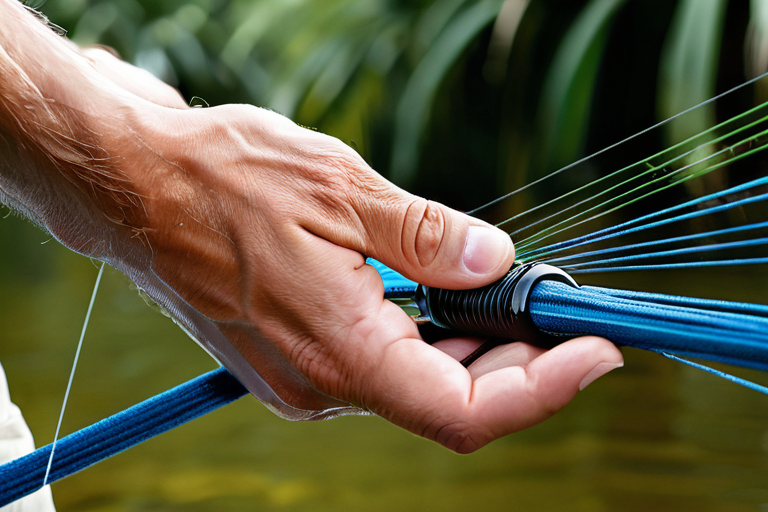
Proper hand positioning and line management are crucial skills in effective handline fishing
Mastering the Technique: A Step-by-Step Guide
While handline fishing appears simple, true mastery requires understanding several nuanced techniques. Professional fishing instructor Marcus Chen, who teaches traditional methods at the Coastal Skills Academy, breaks down the essential components:
Essential Equipment Selection
Contrary to popular belief, not all handlines are created equal. The International Fishing Heritage Foundation recommends these considerations:
Line Material: Modern braided lines (20-50 lb test) offer excellent sensitivity and strength, while traditionalists may prefer natural materials like linen or cotton for specific applications.
Length Considerations: For most coastal fishing, 100-200 feet provides adequate depth range while remaining manageable.
Hook Selection: Circle hooks (size 2-4/0 depending on target species) promote better hook sets and reduce deep-hooking incidents.
Weight Systems: Pyramid or bank sinkers (2-8 oz) work well for most bottom fishing applications.
Core Techniques for Success
The Controlled Drop: Rather than simply letting line run freely, skilled handliners control the descent rate to present bait naturally and detect depth changes.
Palm Tension Management: Wrapping the line around the palm in specific patterns allows for controlled release during strong runs while maintaining sensitivity.
Bite Detection: Experienced handliners learn to distinguish between bottom structure, current movement, and genuine bites through subtle vibrations transmitted through the line.
The Hand-Over-Hand Retrieve: This fundamental technique involves alternating hands to maintain constant tension while bringing fish to surface.
Pro Tip from Commercial Handliner Carlos Mendez:
"Always keep a damp cloth nearby. Wetting your hands improves grip and reduces friction burns during extended fishing sessions. This simple trick has been passed down through generations of handline fishermen."
Species-Specific Applications
Handline fishing proves particularly effective for certain species, as documented in fisheries research from the Marine Biology Research Institute:
| Species | Optimal Depth | Recommended Bait | Technique Notes |
|---|---|---|---|
| Red Snapper | 60-120 ft | Cut squid, whole pilchard | Use slow, rhythmic bouncing motion near structure |
| Lingcod | 30-300 ft | Live herring, octopus strips | Aggressive jigging motion triggers strikes |
| Yellowtail Amberjack | Surface-100 ft | Live mackerel, artificial lures | Fast retrieve with occasional pauses |
| Pacific Halibut | 60-900 ft | Whole herring, octopus | Deadstick technique with minimal movement |
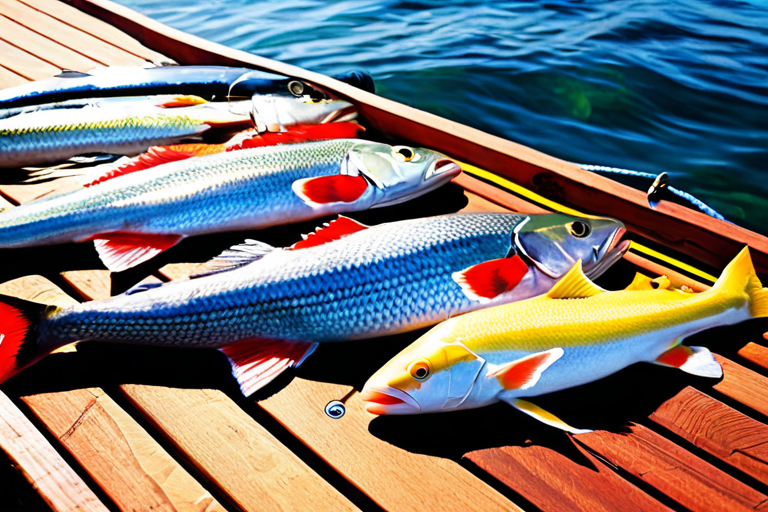
Handline methods prove effective for diverse species from coastal snapper to powerful pelagic fish
Sustainability and Conservation Implications
The environmental benefits of handline fishing extend beyond reduced gear loss. Research from the Ocean Health Index reveals several important conservation advantages:
Reduced Habitat Damage: Unlike bottom trawling or certain longline methods, handline fishing causes minimal disturbance to seafloor ecosystems and coral structures.
Lower Energy Consumption: Handline fishing requires no fuel for gear deployment or electronic equipment, contributing to lower carbon footprints in commercial operations.
Improved Fish Quality: The immediate landing and handling of handline-caught fish often results in better quality product with less stress-related quality degradation.
Enhanced Fisher Awareness: The intimate connection handliners develop with their environment often translates to greater environmental stewardship and more selective fishing practices.
"When you feel every movement through your hands," explains conservation-minded commercial fisherman Anika Patel, "you develop a different relationship with the ocean. You notice subtle changes in current, temperature, and fish behavior that electronic equipment might miss. This awareness naturally leads to more sustainable fishing decisions."
Cultural Preservation and Educational Value
Beyond practical fishing applications, handline techniques represent important cultural heritage. Organizations like the World Fishing Traditions Council work to preserve these methods through educational programs and cultural exchanges:
- Intergenerational Knowledge Transfer: Handline fishing provides excellent opportunities for elders to pass traditional knowledge to younger generations
- Cultural Tourism Initiatives: Several coastal communities have developed handline fishing experiences that share local traditions with visitors
- School Programs: Educational institutions increasingly incorporate traditional fishing methods into marine science and history curricula
- Disaster Preparedness: Handline skills provide valuable survival knowledge in emergency situations where modern equipment is unavailable
Educational Opportunity:
Many maritime museums and heritage centers now offer handline fishing workshops. These programs not only teach practical skills but also contextualize fishing within broader historical and ecological frameworks, helping participants understand humanity's evolving relationship with aquatic resources.
Modern Innovations in Traditional Methods
While handline fishing remains fundamentally simple, contemporary materials and understanding have led to several refinements:
Advanced Line Materials: Modern braided lines offer greater strength-to-diameter ratios than traditional materials, allowing for thinner, more sensitive lines without sacrificing durability.
Ergonomic Hand Protection: Specialized gloves and palm pads reduce friction while maintaining tactile sensitivity.
Bait Technology: Improved bait preservation and presentation methods enhance effectiveness while maintaining the method's simplicity.
"The beauty of handline fishing," concludes professional guide and traditional methods advocate Liam O'Connor, "is that it strips angling down to its essential elements: a fisher, some line, and the aquatic world. In our increasingly complex and technology-dependent lives, this simplicity offers something profoundly valuable—a direct, unmediated connection with nature that modern fishing methods often obscure."
Getting Started with Handline Fishing
For anglers interested in exploring handline techniques, the journey begins simply:
- Start with 100 feet of 30-pound test braided line
- Add a 2-ounce pyramid sinker above a barrel swivel
- Attach a 3-foot leader of 40-pound fluorocarbon
- Finish with a 2/0 circle hook
- Practice in calm, shallow waters before progressing to deeper or more challenging conditions
As with any fishing method, local regulations and species-specific guidelines should always be consulted before fishing. Many coastal states and countries have specific rules regarding handline fishing, particularly in protected areas or for certain vulnerable species.
Research Sources and Further Reading:
- International Maritime Heritage Institute: Traditional Fishing Methods Database
- Sustainable Fishing Alliance: Low-Impact Fishing Techniques Manual
- Marine Biology Research Institute: Species-Specific Fishing Method Analysis
- World Fishing Traditions Council: Cultural Preservation Initiatives Report
- Ocean Health Index: Environmental Impact Assessment of Fishing Methods