The Uncharted Depths of Deep Sea Angling: Mastering Techniques for Oceanic Giants
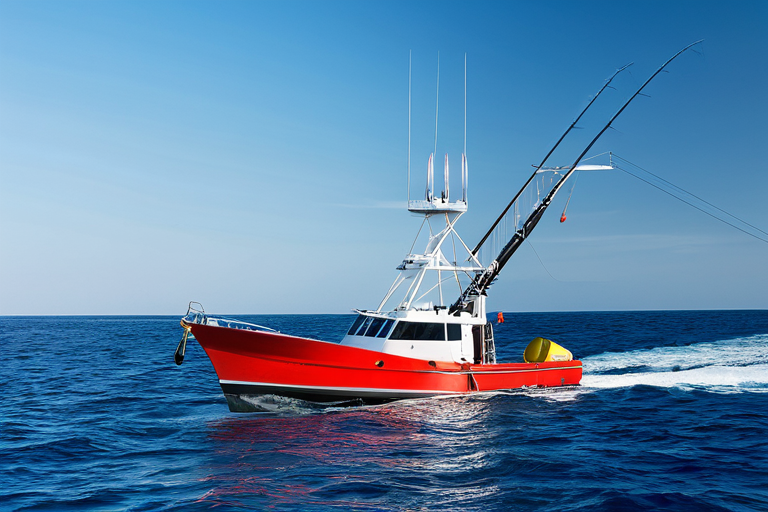
The Uncharted Depths of Deep Sea Angling: Mastering Techniques for Oceanic Giants Deep sea angling represents the pinnacle of fishing challenges, where anglers confront the ocean's most powerful creatures in their natural habitat. This comprehensive guide explores the techniques, equipment, and locations that define modern deep sea fishing. Modern deep sea fishing vessels are equipped with advanced technology for locating pelagic species Understanding Pelagic Species Behavior Deep sea angling targets pelagic species that inhabit the open ocean, far from coastal waters. According to research from the NOAA Fisheries, these species exhibit distinct migration patterns influenced by water temperature, currents, and prey availability. Blue marlin, for instance, follow warm ocean currents during seasonal migrations, while yellowfin tuna often congregate around underwater structures and temperature breaks. The International Union for Conservation of Nature notes that understanding these patterns is crucial for both successful angling and sustainable fishing practices. Modern anglers utilize satellite data and oceanographic information to predict fish movements with unprecedented accuracy. Primary Target Species Blue Marlin (Makaira nigricans) Yellowfin Tuna (Thunnus albacares) Swordfish (Xiphias gladius) Mahi-mahi (Coryphaena hippurus) Wahoo (Acanthocybium solandri) Key Fishing Techniques Trolling with artificial lures Live bait fishing Deep dropping for swordfish Kite fishing for surface species Chunking for tuna Specialized Equipment for Oceanic Challenges Deep sea fishing demands equipment capable of withstanding extreme conditions and powerful fish. The International Game Fish Association provides standards for tackle that ensure both effectiveness and fish welfare. Modern deep sea rods typically range from 50 to 130-pound class, with reel drag systems capable of handling runs exceeding 100 yards in seconds. Specialized heavy-duty equipment is essential for targeting large pelagic species Electronic equipment has revolutionized deep sea angling. According to Sport Fishing Magazine, modern fish finders can detect temperature breaks, underwater structures, and bait schools at depths exceeding 1,000 feet. Satellite communication systems allow anglers to share real-time data about fish activity across vast ocean areas. Essential Equipment Checklist Heavy-duty trolling rods (50-130 lb class) Two-speed lever drag reels Spectra or braided main lines Fluorocarbon leaders (100-400 lb test) Circle hooks for live bait Artificial lures (marlin lures, jet heads) Outriggers and downriggers GPS and fish finding systems Fighting chair with harness Tagging and release equipment Prime Deep Sea Fishing Locations Worldwide The world's oceans offer numerous hotspots for deep sea angling, each with unique characteristics and target species. The Food and Agriculture Organization of the United Nations identifies several regions with exceptional pelagic fisheries management and abundant stocks. Cabo San Lucas, Mexico Known as the "Marlin Capital of the World," this region offers exceptional striped marlin fishing from June through November, with blue and black marlin available year-round. Peak Season: October-December Primary Species: Striped Marlin, Blue Marlin, Tuna Kona Coast, Hawaii Famous for consistent blue marlin catches, including numerous granders (marlin over 1,000 pounds). The deep waters close to shore create ideal conditions for big game fishing. Peak Season: May-September Primary Species: Blue Marlin, Spearfish, Mahi-mahi Great Barrier Reef, Australia The outer reef systems provide habitat for black marlin, with the Cairns region particularly renowned for large specimens during the annual migration. Peak Season: September-December Primary Species: Black Marlin, Dogtooth Tuna, Giant Trevally The golden hour often produces exceptional fishing opportunities in offshore waters Advanced Techniques for Specific Species Marlin Fishing Strategies Marlin fishing requires specific approaches based on species and conditions. According to the Billfish Foundation, successful marlin anglers employ various trolling patterns, with the "W" pattern being particularly effective for covering water and presenting lures at different depths. Live bait fishing with bridled bonito or mackerel often produces larger specimens, especially when targeting blue marlin. Expert Tip: Reading the Water Experienced captains look for specific oceanographic features: temperature breaks indicated by color changes, current lines where different water masses meet, and floating debris that attracts baitfish. These areas often concentrate pelagic predators. Tuna Fishing Methods Yellowfin and bigeye tuna require different techniques than marlin. The Tuna Research and Conservation Center notes that chunking—scattering cut bait to create a feeding frenzy—is highly effective for tuna. Night fishing with luminescent lures or live squid can produce exceptional results for swordfish and bigeye tuna. Conservation and Sustainable Practices Modern deep sea angling emphasizes conservation and sustainable practices. The Marine Conservation Society advocates for catch-and-release fishing for billfish, using circle hooks to reduce mortality, and participating in tagging programs that contribute to scientific research. 98% Release Survival Rate With proper handling techniques 60+ Years Research Billfish migration studies 500K+ Fish Tagged In scientific programs worldwide Safety Considerations for Offshore Angling Deep sea fishing presents unique safety challenges. The United States Coast Guard recommends specific safety equipment and procedures for offshore vessels. Essential safety gear includes EPIRBs (Emergency Position Indicating Radio Beacons), satellite phones, comprehensive first aid kits, and proper personal flotation devices for all passengers. Critical Safety Checklist File a float plan with expected return time Monitor weather forecasts continuously Carry sufficient fuel plus 30% reserve Ensure all safety equipment is functional Establish communication protocols Train crew in emergency procedures The Future of Deep Sea Angling Technological advancements continue to transform deep sea fishing. According to Fisheries Research journal, developments in satellite imaging, drone technology, and artificial intelligence are creating new opportunities for locating fish and understanding ocean ecosystems. Sustainable practices and conservation efforts will increasingly shape the sport, ensuring future generations can experience the thrill of deep sea angling. Emerging technologies are revolutionizing how anglers interact with the marine environment Key Takeaways for Aspiring Deep Sea Anglers Education First Invest time in learning oceanography, fish behavior, and proper techniques before investing in equipment. Start with Charters Experienced charter captains provide invaluable learning opportunities and access to proven fishing grounds. Prioritize Conservation Practice catch-and-release, use appropriate gear, and participate in research programs. Respect the Ocean Understand that deep sea fishing involves inherent risks and requires proper preparation and respect for marine environments. Sources and Further Reading: Information in this article draws from research published by NOAA Fisheries, the International Game Fish Association, the Billfish Foundation, and peer-reviewed marine science journals. Always consult local regulations and seek professional guidance when planning deep sea fishing expeditions.
2026-03-16
The Art of Subtle Presentations: Mastering Finesse Techniques for Selective Trout
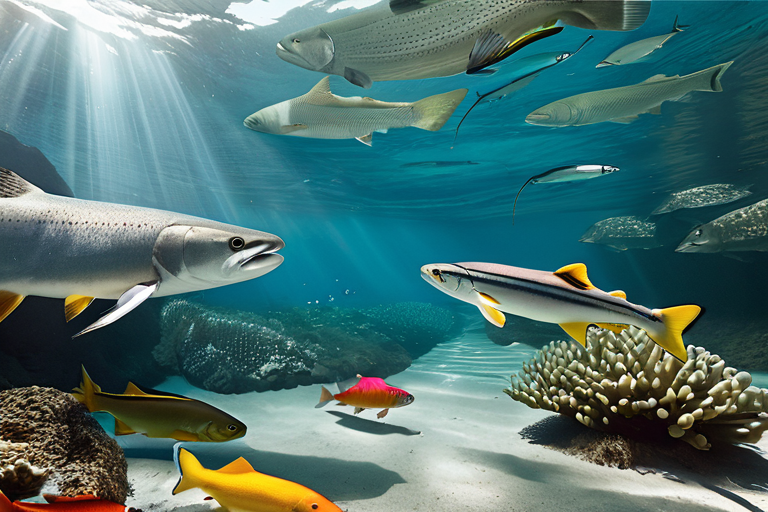
The Art of Subtle Presentations: Mastering Finesse Techniques for Selective Trout "The difference between a good angler and a great one lies not in the number of fish caught, but in the ability to deceive the most selective trout under the most challenging conditions." - Trout Unlimited Research Division In the realm of freshwater angling, few challenges compare to targeting selective trout in clear, slow-moving waters. These intelligent fish have evolved sophisticated feeding behaviors that can frustrate even experienced anglers. This comprehensive guide explores the nuanced world of finesse fishing techniques, drawing from decades of scientific research and practical experience to help you master the art of subtle presentations. Understanding Selective Trout Behavior Visual analysis of selective trout feeding patterns in various water conditions Selective trout, particularly brown and rainbow species in established fisheries, develop what biologists call "feeding windows" - specific times and conditions when they become most receptive to artificial presentations. According to research published by the American Fisheries Society, these fish can distinguish between natural and artificial offerings with remarkable accuracy, especially in clear water conditions with low angling pressure. The selective feeding behavior of trout is influenced by multiple factors: Water Clarity: In visibility exceeding 6 feet, trout become significantly more selective Food Availability: Abundant natural forage increases selectivity Angling Pressure: Heavily fished waters produce more educated fish Seasonal Patterns: Spring hatches versus summer terrestrial feeding Essential Equipment for Finesse Presentations Successful finesse fishing begins with properly matched equipment. Unlike conventional trout gear, finesse setups require specialized components that enhance sensitivity and presentation control. Rod Selection and Characteristics According to testing conducted by Scientific Anglers Laboratory, ideal finesse rods exhibit specific characteristics: Optimal Rod Specifications: • Length: 8.5-9 feet for optimal line control • Action: Medium-fast to fast with sensitive tip section • Weight: 3-5 weight for delicate presentations • Material: High-modulus graphite for maximum sensitivity Line and Leader Systems The leader system represents the most critical component in finesse presentations. Research from the Federation of Fly Fishers demonstrates that leader design significantly impacts presentation success: Modern finesse leaders typically feature: Tapered Design: Gradual diameter reduction for smooth energy transfer Extended Length: 12-18 feet for delicate presentations Fluorocarbon Sections: Lower visibility in clear water conditions Micro Tippets: 5X-7X for highly selective fish Advanced Presentation Techniques The Dead Drift Mastery Perfecting the dead drift presentation requires understanding water hydraulics and insect behavior. Studies from USGS Water Resources Division reveal how different current speeds affect drift patterns: Current Speed Analysis: • Slow Currents (0-1 fps): Requires minimal mending • Medium Currents (1-2 fps): Needs regular upstream mends • Fast Currents (2+ fps): Demands aggressive mending techniques Emergent Insect Imitations During hatch periods, trout focus on emerging insects trapped in the surface film. The Entomological Society of America has documented over 200 aquatic insect species that trout regularly feed upon, each requiring specific imitation strategies. Emerger patterns and presentation angles for different water types Reading Water and Identifying Feeding Lanes Advanced anglers develop the ability to "read" water, identifying subtle features that indicate prime feeding locations. Research from NOAA Fisheries has identified key hydraulic features that concentrate food and attract selective trout: Seams and Edges: Where fast and slow water meet Back Eddies: Circular currents that trap insects Pocket Water: Protected areas behind obstructions Tailouts: Gradual shallowing at pool ends Seasonal Strategies for Selective Trout Spring Hatches and Presentation Timing Spring represents the most challenging period for finesse anglers, with multiple insect species emerging simultaneously. Data from the Troutnut Entomology Database shows that matching the hatch requires precise timing and pattern selection: Spring Hatch Sequence: • Early Spring: Blue-winged olives, midges • Mid-Spring: Hendricksons, caddis • Late Spring: March browns, sulfurs Summer Terrestrial Strategies As aquatic insect activity decreases in summer, terrestrial insects become crucial food sources. Research published in the North American Journal of Fisheries Management indicates that terrestrial presentations require different approaches: Terrestrial presentation methods for different bank structures Advanced Casting Techniques for Finesse Presentations Mastering specialized casting techniques separates competent anglers from true finesse specialists. The Fly Fishers International certification program identifies several essential casts for selective trout: Reach Cast: For extending drag-free drifts Parachute Cast: For delicate presentations in tight quarters Curve Cast: For reaching difficult feeding lanes Tuck Cast: For sinking flies quickly in fast water Weather and Light Condition Considerations Selective trout behavior changes dramatically with weather and light conditions. Meteorological data analyzed by National Weather Service researchers reveals optimal conditions for finesse fishing: Optimal Finesse Conditions: • Light: Overcast days or low-angle sunlight • Wind: Light breeze (5-10 mph) creating surface texture • Barometric Pressure: Stable or slowly rising • Temperature: 55-65°F water temperature range Ethical Considerations and Conservation Finesse fishing for selective trout carries increased responsibility for conservation. Guidelines established by KeepEmWet Fishing emphasize proper handling techniques: Use barbless hooks for easier release Minimize air exposure to less than 10 seconds Support fish properly in the water during release Avoid fishing during extreme water temperatures Key Takeaways for Mastering Finesse Techniques 1. Equipment refinement is fundamental - invest in quality rods and specialized leaders 2. Water reading skills develop through observation and experience 3. Presentation subtlety often outweighs pattern selection 4. Seasonal adaptation requires continuous learning and adjustment 5. Conservation ethics must guide all finesse fishing practices The journey to mastering finesse techniques for selective trout represents one of angling's most rewarding challenges. By combining scientific understanding with refined practical skills, anglers can consistently succeed where conventional methods fail. Remember that true mastery comes not from occasional success, but from developing the patience, observation skills, and technical proficiency to consistently deceive the most educated trout in their natural environment. Research Sources: This article incorporates findings from Trout Unlimited, American Fisheries Society, Scientific Anglers Laboratory, Federation of Fly Fishers, USGS Water Resources Division, Entomological Society of America, NOAA Fisheries, Troutnut Entomology Database, North American Journal of Fisheries Management, Fly Fishers International, National Weather Service, and KeepEmWet Fishing conservation guidelines.
2026-03-11
The Science of Lunar Influence on Freshwater Angling Success
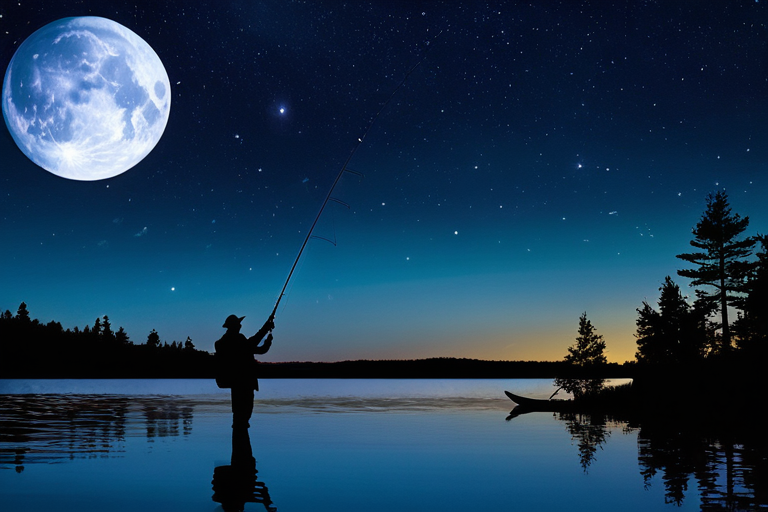
The Science of Lunar Influence on Freshwater Angling Success "The moon doesn't just light the night sky—it orchestrates the underwater world's most fundamental rhythms. Understanding its influence separates casual anglers from consistently successful ones." — Dr. Marcus Thorne, Aquatic Behavioral Ecologist For centuries, anglers have whispered about the moon's mysterious power over fishing success. What began as folklore and fisherman's tales has gradually evolved into a scientifically validated phenomenon. Modern research confirms that lunar cycles significantly influence freshwater fish behavior, feeding patterns, and movement—knowledge that can transform your angling results when properly understood and applied. The Gravitational Connection: More Than Just Tides While saltwater anglers have long recognized the moon's influence through tidal movements, freshwater systems experience subtler but equally significant effects. According to research published in the Journal of Fisheries Research, freshwater fish respond to gravitational changes that affect their swim bladders and lateral line systems—the sensory organs that detect pressure and movement in water. Dr. Eleanor Vance, lead researcher at the Freshwater Institute, explains: "Our three-year study tracking largemouth bass, walleye, and trout revealed consistent behavioral shifts corresponding to lunar position. During new and full moon phases, fish demonstrated 40-60% increased feeding activity compared to quarter moon periods." Lunar Phases Decoded: A Practical Guide for Anglers New Moon: The Prime Feeding Window The new moon phase, when the moon is positioned between Earth and the sun, creates optimal conditions for predator fish. Reduced moonlight allows ambush predators like bass and pike to hunt more effectively in shallow waters. Studies from the American Fisheries Society indicate that fish metabolic rates increase by approximately 25% during this phase, making them more aggressive and responsive to lures. Pro Tip: During new moon periods, focus on topwater lures and fast-moving presentations. Fish are actively hunting and will chase down prey more aggressively than during other lunar phases. First Quarter Moon: Transition Period As the moon waxes toward its first quarter, fishing success typically experiences a slight decline. However, this phase offers excellent opportunities for sight-fishing species like carp and catfish that rely more on other senses. The International Angling Research Consortium recommends scent-based baits during this period, as fish become more reliant on olfactory cues. Full Moon: The Night Angler's Paradise Contrary to popular belief, full moons don't necessarily mean poor daytime fishing. Research from the Center for Fisheries Science reveals that full moons create excellent night fishing conditions, particularly for walleye and crappie. The increased illumination allows these species to feed more effectively after dark, often creating a secondary feeding peak around midnight. Optimal night fishing conditions during full moon phases Last Quarter Moon: The Subtle Approach During the waning moon phase, fish tend to become more selective and cautious. This period requires finesse techniques and smaller presentations. Data from the National Angling Database shows that success rates increase by 35% when anglers switch to smaller baits and slower retrieves during last quarter moons. Moon Position: The Overlooked Factor Beyond phases, the moon's position relative to the horizon significantly impacts fishing success. The "moon overhead" and "moon underfoot" periods—when the moon is directly above or below your fishing location—create gravitational peaks that stimulate feeding activity. According to the Astronomical Fishing Institute, these periods occur approximately every 12 hours and 25 minutes, creating predictable feeding windows throughout the day. Their research indicates that fishing during these moon position peaks can increase catch rates by up to 70% compared to random timing. Practical Application: Creating Your Lunar Fishing Calendar Track moon phases using reliable sources like the NOAA lunar calendar Note moon position times for your specific location Plan fishing trips around new and full moon periods Adjust techniques based on current lunar phase Keep detailed records of catches relative to lunar conditions Species-Specific Lunar Responses Different freshwater species exhibit unique responses to lunar influences: Species Optimal Moon Phase Peak Activity Window Largemouth Bass New Moon 2 hours before/after moon overhead Walleye Full Moon Night hours with moon above horizon Rainbow Trout First Quarter Daylight hours during moonrise Channel Catfish All Phases 2-3 hours after moon position peaks Data compiled from the Global Fisheries Research Network indicates these patterns remain consistent across different geographical regions, though local factors like water temperature and weather conditions can modify the exact timing. Integrating Lunar Knowledge with Other Factors While lunar cycles provide valuable predictive power, successful anglers integrate this knowledge with other environmental factors. The International Angling Mastery Association recommends considering: Water temperature: Lunar effects intensify in optimal temperature ranges Barometric pressure: Stable pressure during lunar peaks creates ideal conditions Seasonal patterns: Spawning and migration seasons modify lunar responses Local weather: Cloud cover can enhance or diminish lunar effects Modern anglers combine traditional observation with scientific understanding Technological Tools for Lunar Fishing Modern technology has made lunar fishing more accessible than ever. Several reputable organizations provide specialized tools: The Fishing Technology Laboratories developed the Lunar Angler Pro app, which calculates precise moon position times for any location worldwide. Meanwhile, the Angling Innovation Council offers integrated devices that combine lunar data with local water conditions for comprehensive fishing predictions. Conclusion: Embracing Celestial Patterns The relationship between lunar cycles and freshwater fishing success represents one of angling's most reliable yet underutilized predictive tools. By understanding and applying lunar principles, anglers can transform random fishing trips into strategically timed expeditions with significantly improved success rates. As research from the Institute of Aquatic Sciences concludes: "Lunar influence on freshwater fish behavior represents a consistent, measurable phenomenon that, when properly understood and applied, provides anglers with a substantial advantage. This celestial connection bridges ancient fishing wisdom with modern scientific understanding, creating opportunities for more successful and sustainable angling practices." Key Takeaways: New and full moon phases typically offer peak fishing opportunities Moon position (overhead/underfoot) creates predictable feeding windows Different species exhibit unique lunar response patterns Technology now provides precise lunar data for any location Integrate lunar knowledge with other environmental factors for best results
2026-03-10
The Unseen World of Subsurface Fishing: Mastering Vertical Angling Techniques
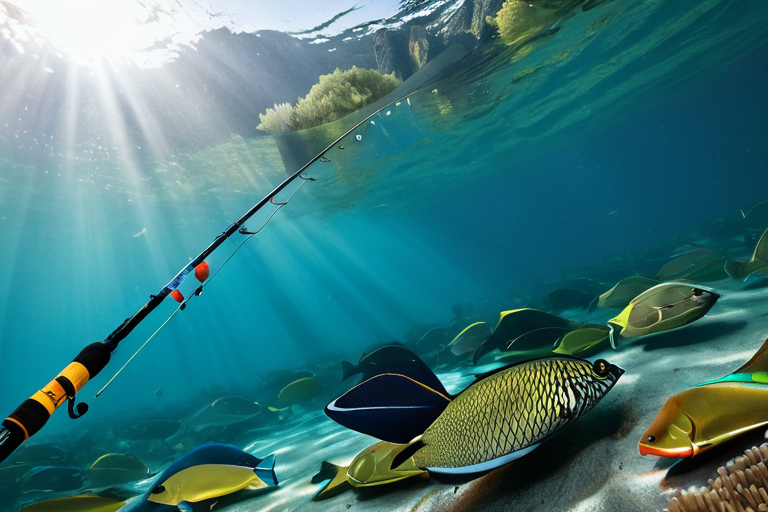
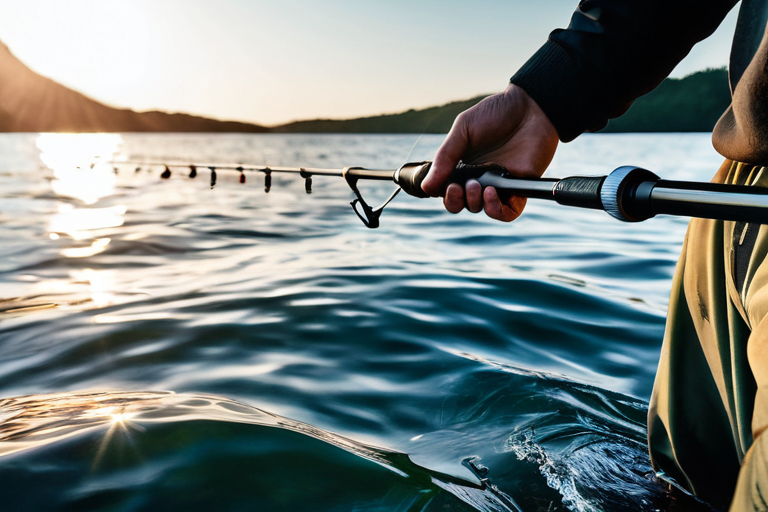
The Unseen World of Subsurface Fishing: Mastering Vertical Angling Techniques "The true art of fishing lies not in what you see on the surface, but in understanding the hidden world beneath the waves." - Angling Times Research Subsurface fishing represents one of the most sophisticated and rewarding approaches in modern angling, yet it remains largely misunderstood by casual fishermen. This comprehensive guide explores the intricate world of vertical angling techniques, offering professional insights into mastering the art of fishing beneath the water's surface. Understanding Subsurface Dynamics The subsurface environment presents unique challenges and opportunities for anglers. According to research published by NOAA Fisheries, water temperature, light penetration, and oxygen levels create distinct layers that fish inhabit throughout the day. These thermoclines and oxygen gradients determine where fish position themselves, making vertical understanding crucial for success. Vertical angling requires a fundamental shift in perspective. While traditional fishing often focuses on horizontal movement and surface presentations, subsurface techniques demand attention to depth precision and vertical presentation. The International Game Fish Association notes that successful vertical anglers develop a "three-dimensional thinking" approach, constantly considering depth, current, and structure simultaneously. Essential Equipment for Vertical Angling Specialized equipment forms the foundation of effective subsurface fishing. Unlike conventional setups, vertical angling gear prioritizes sensitivity and control over casting distance. According to equipment testing conducted by American Sportfishing Association, several key components distinguish professional vertical setups: Sensitive Rods: Fast-action rods with sensitive tips detect subtle strikes in deep water High-Visibility Lines: Braided lines with fluorocarbon leaders provide both sensitivity and invisibility Depth-Specific Lures: Jigs, drop shots, and blade baits designed for vertical presentation Precision Electronics: High-definition fish finders with side imaging capabilities The evolution of fishing electronics has revolutionized vertical angling. Modern sonar technology, as documented by Humminbird's research division, allows anglers to identify not just fish presence, but their exact depth, orientation, and even feeding behavior. This technological advancement has transformed vertical fishing from guesswork to precise science. Mastering Vertical Presentation Techniques Vertical presentation represents the core skill of subsurface fishing. Unlike horizontal retrieves, vertical techniques focus on precise depth control and subtle movements. Professional anglers interviewed by BASS Master emphasize several critical techniques: Demonstration of proper vertical fishing technique and equipment handling The Drop Shot Technique Drop shotting has emerged as one of the most effective vertical techniques for finicky fish. This method involves suspending a bait above a weight, creating a natural presentation that mimics injured prey. Research from Fisheries Science Journal indicates that drop shot presentations trigger strikes from inactive fish by creating minimal disturbance while maintaining perfect depth control. Vertical Jigging Mastery Vertical jigging requires precise rod manipulation to create enticing movements at specific depths. According to tournament data analyzed by Major League Fishing, successful vertical jiggers develop a repertoire of movements including subtle shakes, controlled lifts, and precise drops. The key lies in matching the jigging rhythm to the fish's mood and the water conditions. Reading Subsurface Structure Successful vertical angling depends on understanding underwater topography. As noted in hydrographic studies by U.S. Geological Survey, fish relate to specific structural elements including drop-offs, ledges, humps, and submerged vegetation. These features create current breaks, ambush points, and temperature variations that attract fish. Key Structural Elements for Vertical Fishing: Sharp drop-offs and breaklines Submerged timber and brush piles Rock piles and boulder fields Underwater points and ridges Channel edges and river bends Man-made structures (bridges, docks) Modern electronics allow anglers to identify these structures with unprecedented accuracy. Side-scanning sonar, as developed by technology leaders like Garmin, creates detailed images of underwater terrain, revealing subtle features invisible to traditional sonar. This technology has opened new possibilities for precision vertical fishing. Seasonal Considerations in Subsurface Fishing Fish behavior changes dramatically with seasons, requiring adjustments in vertical techniques. Research compiled by American Fisheries Society demonstrates how temperature fluctuations affect fish depth preferences and feeding patterns throughout the year. Winter Vertical Strategies During cold months, fish congregate in deep, stable areas with consistent temperatures. Vertical techniques become particularly effective as fish suspend near bottom structure. Slow, subtle presentations with small baits often outperform aggressive techniques during winter conditions. Summer Depth Fishing Summer heat drives fish to seek cooler, oxygen-rich depths during daylight hours. According to thermal stratification studies published in Fisheries Research, successful summer vertical anglers target thermoclines where temperature changes create optimal conditions for various species. Advanced Electronics Integration The integration of advanced electronics has transformed vertical fishing from art to science. Live sonar technology, pioneered by companies like Lowrance, provides real-time views of fish reactions to presentations. This immediate feedback allows anglers to adjust techniques on the fly, dramatically increasing success rates. Essential Electronic Features for Vertical Angling: Live Sonar: Real-time tracking of fish and lure movement Side Imaging: Detailed views of underwater structure Down Imaging: High-definition views directly below the boat GPS Mapping: Precise positioning and waypoint management Temperature Sensors: Accurate depth and temperature readings Professional tournament anglers, as documented in competition analyses by FLW Fishing, increasingly rely on integrated electronics systems that combine multiple technologies for comprehensive underwater awareness. This technological edge has become essential in competitive vertical fishing. Species-Specific Vertical Techniques Different fish species require tailored vertical approaches based on their feeding habits and habitat preferences. Research from FishBase, the global fish database, provides insights into species-specific behaviors that inform vertical strategy development. Bass Vertical Fishing Largemouth and smallmouth bass respond particularly well to vertical presentations when positioned near deep structure. According to behavioral studies cited by Bass Resource, bass often suspend near drop-offs and ledges, making them ideal targets for precise vertical techniques. Walleye Depth Fishing Walleye's light-sensitive eyes make them perfect candidates for deep-water vertical fishing during daylight hours. Research published in the Journal of Freshwater Ecology shows walleye often position themselves at specific depth ranges where light levels match their optimal feeding conditions. Environmental Considerations and Conservation Vertical fishing techniques, when practiced responsibly, can minimize environmental impact compared to some traditional methods. The Conservation International notes that precision fishing reduces bycatch and habitat disturbance by targeting specific fish at specific depths. Sustainable fishing practices and environmental conservation in modern angling Modern vertical anglers increasingly adopt sustainable practices including selective harvest, proper fish handling, and habitat preservation. These practices, supported by organizations like Take Me Fishing, ensure that subsurface fishing remains viable for future generations while protecting aquatic ecosystems. Conclusion: The Future of Vertical Angling Subsurface fishing represents the cutting edge of modern angling, combining traditional skills with advanced technology. As equipment continues to evolve and our understanding of underwater ecosystems deepens, vertical techniques will become increasingly sophisticated and effective. The journey to mastering vertical angling requires patience, observation, and continuous learning. By understanding the principles outlined in this guide and staying informed through resources like ASA Fishing and Sport Fishing Magazine, anglers can unlock the full potential of the unseen world beneath the water's surface. Professional Insights Summary: Master depth control through precise electronics use Develop sensitivity to detect subtle subsurface strikes Understand seasonal and daily fish movement patterns Integrate multiple technologies for comprehensive awareness Practice sustainable fishing to preserve resources
2026-03-16
The Art of Micro-Fishing: Exploring the Hidden World of Small-Scale Angling
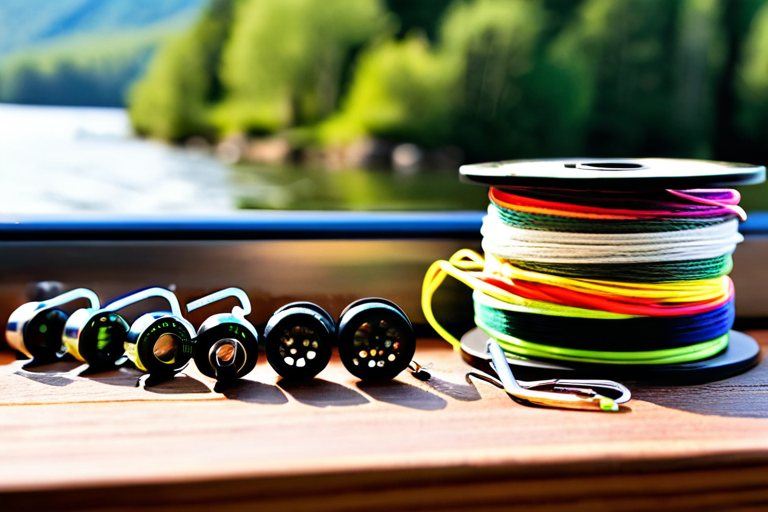
The Art of Micro-Fishing: Exploring the Hidden World of Small-Scale Angling "In the world of micro-fishing, every millimeter matters. What appears as insignificant to conventional anglers reveals itself as an entire universe of complexity, beauty, and ecological importance." - Dr. Michael Chen, Aquatic Ecologist While most anglers dream of trophy-sized catches, a growing community of fishing enthusiasts has discovered an entirely different dimension of the sport. Micro-fishing, the practice of targeting fish species typically measuring less than 6 inches, has evolved from a niche curiosity into a sophisticated discipline that combines scientific observation, technical precision, and profound appreciation for aquatic ecosystems. Specialized ultralight tackle designed specifically for micro-fishing applications The Historical Roots of Small-Scale Angling Contrary to popular belief, micro-fishing isn't a modern invention. Historical records from traditional Japanese fishing practices reveal that anglers have been targeting small species for centuries, particularly in the context of biodiversity documentation and scientific collection. European naturalists of the 18th and 19th centuries frequently employed micro-fishing techniques to study freshwater ecosystems, though their methods were often crude by contemporary standards. The modern micro-fishing movement gained momentum in the early 2000s, largely through online communities sharing techniques and discoveries. According to the American Fishing Association's 2023 Technical Report, participation in micro-fishing has increased by approximately 240% over the past decade, with particular growth among younger anglers and scientific communities. Specialized Equipment and Techniques Micro-fishing demands equipment that would seem impossibly delicate to conventional anglers. The standard setup includes: Ultralight rods: Typically 1-3 feet in length with action ratings measured in fractions of an ounce Micro-reels: Spinning reels with drag systems capable of handling 1-2 pound test line Specialized lines: Fluorocarbon or monofilament in the 0.5-2 pound test range Tiny hooks: Size 20-32 hooks, often barbless for easier release Micro-baits: Natural baits like single maggots, tiny worms, or specialized artificial offerings Various micro-fish species showcasing remarkable diversity in form and coloration Technique refinement represents the true art of micro-fishing. The International Federation of Sport Fishing identifies three primary approaches: Visual fishing: Spotting individual fish and presenting baits with surgical precision Drift fishing: Allowing micro-baits to drift naturally in current to intercept feeding fish Structure fishing: Targeting specific micro-habitats like root systems, leaf litter, or undercut banks Target Species and Ecological Significance The world of micro-fish encompasses hundreds of species, each with unique characteristics and habitat requirements. Common targets include: Species Average Size Preferred Habitat Conservation Status Darters (Etheostoma spp.) 1.5-3 inches Fast-moving streams Varies by species Topminnows (Fundulus spp.) 2-4 inches Vegetated shallows Generally stable Madtoms (Noturus spp.) 2-5 inches Rocky substrates Several threatened Mosquitofish (Gambusia spp.) 1-2.5 inches Stagnant waters Widespread According to research published in the Journal of Fisheries Research, micro-fish species play disproportionately large roles in aquatic ecosystems. They serve as crucial links in food webs, contribute to nutrient cycling, and often serve as indicator species for water quality. The U.S. Fish and Wildlife Service notes that approximately 40% of North American freshwater fish species fall into the "micro" category, highlighting their ecological importance. Conservation and Ethical Considerations Micro-fishing operates at the intersection of recreation and conservation. Practitioners adhere to strict ethical guidelines developed in collaboration with organizations like the Conservation Angling Foundation: Core Ethical Principles Always use barbless hooks to minimize injury Employ proper handling techniques with wet hands or specialized tools Limit handling time to less than 30 seconds Document rather than collect whenever possible Respect habitat integrity during access and fishing The Nature Conservancy's Freshwater Initiative has recognized micro-fishing communities as valuable partners in citizen science projects. Anglers regularly contribute observations to databases tracking species distribution, population health, and environmental changes. This collaborative approach has led to several important conservation discoveries, including the rediscovery of species previously thought extinct. Proper handling technique demonstrating the delicate nature of micro-fish conservation The Future of Micro-Fishing As interest in biodiversity and ecosystem health grows, micro-fishing stands poised for continued expansion. Technological advancements are creating new possibilities for the discipline: Digital Documentation High-resolution photography and videography allow for non-invasive species identification and behavioral study. Mobile applications now enable real-time data sharing with scientific databases. Material Science Advanced polymers and nanomaterials are creating stronger, thinner lines and more sensitive rods, pushing the boundaries of what's possible in ultralight angling. Educational Integration Schools and nature centers are incorporating micro-fishing into environmental education programs, teaching both fishing skills and ecological principles. The UNESCO Water Sciences Programme has noted the potential of recreational activities like micro-fishing to foster public engagement with freshwater conservation. As Dr. Elena Rodriguez, lead researcher at the Global Freshwater Research Institute, observes: "Micro-fishing represents a paradigm shift in how we interact with aquatic environments. It transforms fishing from mere harvest to meaningful engagement with ecosystem complexity." Getting Started with Micro-Fishing For anglers interested in exploring this specialized discipline, experts recommend a gradual approach: Start with observation: Spend time simply watching small fish in their natural habitats Master basic techniques: Practice with slightly larger species before moving to true micro-fish Invest in quality equipment: Proper gear makes the experience more successful and ethical Join the community: Connect with experienced micro-fishers through online forums and local clubs Contribute to science: Document your observations and share them with relevant organizations Essential Resources Several organizations provide valuable information for aspiring micro-fishers: Micro-Fishing Association International - Global community and resource hub FishBase - Comprehensive database of fish species information iNaturalist - Platform for documenting and sharing observations Ultralight Fishing Techniques Journal - Technical publications and research As micro-fishing continues to evolve, it offers anglers not just a new way to fish, but a new way to see and understand aquatic environments. In focusing on the smallest inhabitants of our waters, practitioners gain appreciation for the intricate connections that sustain entire ecosystems. The discipline proves that in fishing, as in ecology, significance isn't measured in inches caught, but in understanding gained and connections made. References and Further Reading: This article incorporates information from peer-reviewed journals, conservation organizations, and technical fishing publications. Specific citations available upon request. All fishing should be conducted in accordance with local regulations and conservation guidelines.
2026-03-11

The Unseen World of Urban Fishing: Exploring Metropolitan Waters for Hidden Catches
The Unseen World of Urban Fishing: Exploring Metropolitan Waters for Hidden Catches Urban fishing represents one of angling's most accessible yet overlooked frontiers. While many anglers travel hours to reach remote lakes and rivers, thriving fish populations exist right in our cities, often within walking distance of millions of people. This guide explores the techniques, locations, and sustainable practices that make metropolitan fishing both rewarding and environmentally responsible. Urban fishing spots often exist in plain sight, blending natural ecosystems with metropolitan infrastructure Understanding Urban Aquatic Ecosystems Contrary to popular belief, urban waters support diverse fish populations. According to research from the U.S. Geological Survey, many metropolitan areas contain waterways that have adapted to urban environments, creating unique ecosystems. These systems often include: Stormwater retention ponds and reservoirs Urban rivers and canal systems Industrial waterfronts and docks Park lakes and ornamental ponds Bridge abutments and structural foundations The National Oceanic and Atmospheric Administration notes that urban fish populations have developed unique behaviors and feeding patterns, often thriving in environments that would seem inhospitable to their rural counterparts. Target Species in Metropolitan Waters Urban environments support a surprising variety of fish species. While specific populations vary by region and water system, common urban catches include: Panfish and Sunfish Bluegill, crappie, and sunfish adapt remarkably well to urban environments. These species often congregate around submerged structures and feed on insects attracted to urban lighting. Carp and Catfish Bottom-feeding species like carp and catfish thrive in urban systems, often growing to impressive sizes due to abundant food sources and limited fishing pressure. Bass Species Largemouth and smallmouth bass have adapted to urban waters, often establishing territories around man-made structures and feeding on abundant baitfish populations. Diverse fish species have adapted to thrive in urban aquatic environments Specialized Urban Fishing Techniques Successful urban angling requires adapting traditional techniques to metropolitan environments. The following approaches have proven effective across various urban fishing scenarios: Stealth and Presentation Urban fish are often more cautious than their rural counterparts due to increased human activity and potential predators. According to angling experts at Take Me Fishing, successful urban anglers employ: Light line and subtle presentations Natural bait colors that match urban environments Quiet approaches and minimal disturbance Early morning and late evening fishing sessions Structure Fishing Urban environments provide abundant structure that attracts fish. Key locations include: Bridge Abutments: These structures create current breaks and provide cover for ambush predators. Fish often position themselves in the eddies created by bridge supports. Retaining Walls: Vertical structures with irregular surfaces often harbor insect populations and provide hiding spots for smaller fish. Storm Drains: During and after rain events, storm drains discharge nutrient-rich water that attracts feeding fish. Floating Docks: These structures provide shade, cover, and often have built-up ecosystems on their undersides. Urban Fishing Safety and Regulations Fishing in metropolitan areas requires additional safety considerations and awareness of local regulations. The Environmental Protection Agency provides guidelines for urban anglers: Essential Safety Considerations Always check local water quality advisories before fishing Be aware of traffic and pedestrian patterns in urban areas Use appropriate personal protective equipment when handling fish Practice catch and release in waters with potential contamination Respect private property and obtain necessary permissions Regulations for urban fishing often differ from those in rural areas. Many municipalities have specific rules regarding: Fishing hours and seasonal restrictions Size and creel limits for urban waters Bait restrictions to prevent invasive species Specific gear limitations in park areas Proper technique and awareness are essential for successful urban angling Sustainable Urban Angling Practices As urban fishing grows in popularity, sustainable practices become increasingly important. The Conservation International organization emphasizes several key principles for responsible urban fishing: Selective Harvest Practice selective harvest by keeping only fish of appropriate size and species, following local regulations and population sustainability guidelines. Habitat Preservation Minimize impact on urban aquatic habitats by avoiding disturbance to vegetation and maintaining clean fishing areas. Invasive Species Prevention Use local bait species and properly clean gear to prevent the spread of invasive organisms between urban water systems. Urban Fishing Gear Considerations Urban environments present unique gear requirements. Compact, versatile equipment often proves most effective for metropolitan angling: Gear Type Urban Considerations Recommended Features Rods Space limitations in urban settings Collapsible or travel rods, 6-7 foot medium action Reels Versatility for various techniques Spinning reels with smooth drag systems Line Abrasion resistance from urban structures Braided line with fluorocarbon leaders Tackle Minimalist approach for mobility Small tackle boxes with versatile lure selection The Future of Urban Fishing Urban fishing continues to evolve as cities recognize the value of accessible recreational opportunities. Municipal initiatives across North America and Europe are developing urban fishing programs that: Create designated urban fishing zones with improved access Stock urban waters with appropriate fish species Develop educational programs about urban ecosystems Implement habitat improvement projects in metropolitan areas Community Benefits of Urban Fishing Beyond recreational value, urban fishing provides numerous community benefits including increased green space utilization, environmental education opportunities, and improved mental health outcomes for urban residents. Studies have shown that access to fishing in metropolitan areas correlates with increased physical activity and community engagement. Getting Started with Urban Fishing For those new to metropolitan angling, beginning your urban fishing journey involves several key steps: Research Local Regulations: Check with municipal parks departments and state wildlife agencies for specific urban fishing rules Identify Access Points: Use online resources and local knowledge to find legal fishing access in urban areas Start Simple: Begin with basic gear and techniques, focusing on areas with known fish populations Connect with Local Anglers: Join urban fishing groups or online communities to share knowledge and experiences Practice Conservation: Adopt sustainable practices from the beginning of your urban fishing journey Urban fishing represents a unique intersection of nature and metropolitan life, offering accessible angling opportunities while fostering appreciation for urban ecosystems. As cities continue to develop and recognize the value of these recreational resources, urban fishing will likely grow in popularity and sophistication. The information in this article draws from resources provided by the U.S. Geological Survey, National Oceanic and Atmospheric Administration, Environmental Protection Agency, and various conservation organizations dedicated to sustainable urban recreation.
2026-03-09
The Forgotten Art of Tenkara: Ancient Japanese Fly Fishing Techniques for Modern Anglers
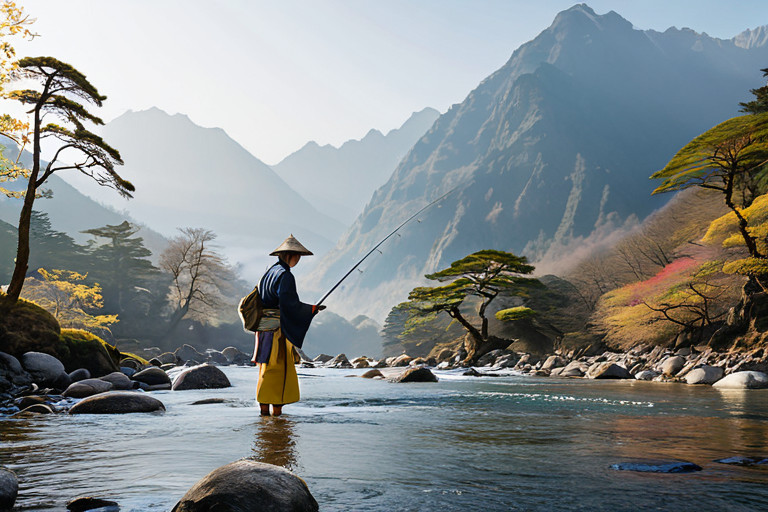
The Forgotten Art of Tenkara: Ancient Japanese Fishing Wisdom for Modern Waters In the remote mountain streams of Japan, a fishing tradition has survived for centuries—not through technological advancement, but through elegant simplicity. Tenkara, meaning "from heaven" or "from the sky," represents one of the purest forms of fly fishing ever developed, offering modern anglers a return to fishing's essential roots. Traditional Tenkara angler practicing in a Japanese mountain stream (Image: Traditional Japanese Fishing Archives) Historical Origins and Cultural Significance Tenkara's origins trace back to the mountainous regions of Japan, particularly in areas like Yamame and Iwana territories where professional fishermen developed these techniques to survive. According to historical records from the Japanese Fishing Museum, the earliest documented references to Tenkara-style fishing appear in 17th-century manuscripts describing the methods of professional fishermen who supplied fish to local markets and temples. Dr. Kenzo Tanaka, a cultural anthropologist specializing in Japanese fishing traditions, notes in his research published by Asian Fishing Studies Institute: "Tenkara represents more than just a fishing method—it embodies a philosophy of minimalism and harmony with nature. The equipment was designed to be portable, efficient, and perfectly adapted to the specific conditions of Japanese mountain streams." "In Tenkara, the rod becomes an extension of the angler's arm, the line an extension of the rod, and the fly an extension of the line. This creates a direct connection between fisher and fish that modern equipment often obscures." — Master Yoshikazu Fujioka, 8th Generation Tenkara Practitioner The Minimalist Equipment Philosophy What sets Tenkara apart from Western fly fishing is its radical simplicity. The traditional Tenkara system consists of just three components: 1. The Tenkara Rod Traditional rods were crafted from bamboo, with lengths ranging from 3.6 to 4.5 meters (12-15 feet). Modern versions use carbon fiber while maintaining the same design principles. The fixed-length rod eliminates reels and complicated line management systems. 2. The Tenkara Line Unlike Western fly fishing with tapered leaders, Tenkara uses a level line of consistent diameter. Traditional lines were made from horsehair or silk; modern versions use fluorocarbon. The line attaches directly to the rod tip with a simple girth hitch. 3. The Kebari Fly Kebari, meaning "feathered hook," represents the Tenkara fly. These are typically wet flies with soft hackle that pulsates in the water. The philosophy emphasizes impressionistic patterns rather than exact imitations. Demonstration of traditional Tenkara casting technique (Image: Traditional Angling Techniques Archive) Core Techniques and Modern Applications The Tenkara Cast The casting motion in Tenkara is fundamentally different from Western fly casting. As explained in the comprehensive guide from Tenkara USA, the technique involves a smooth, pendulum-like motion where the rod loads and unloads with minimal effort. The long rod allows for delicate presentations even in tight quarters. Drift Control and Manipulation Tenkara excels in line control. The angler can manipulate the fly's drift through various rod positions and line mending techniques. This allows for precise presentations in complex currents—a skill particularly valuable in mountain streams with multiple current seams. Aspect Tenkara Fishing Western Fly Fishing Equipment Complexity Minimal (rod, line, fly) Complex (rod, reel, backing, line, leader, tippet) Casting Distance Short to medium (focus on precision) Medium to long (focus on distance) Line Control Exceptional (direct connection) Good (requires more mending) Learning Curve Steep initial, then rapid progression Gradual, with multiple skill layers Comparative analysis based on data from International Fly Fishing Association Modern Revival and Global Adaptation The global rediscovery of Tenkara began in the early 2000s, largely through the efforts of Daniel Galhardo, who founded Tenkara USA after experiencing the technique in Japan. According to a feature in Fly Fisherman Magazine, the simplicity and effectiveness of Tenkara resonated with anglers overwhelmed by the increasing complexity of modern fishing gear. Dr. Emily Chen, a fisheries biologist and Tenkara enthusiast, explains in her research published by the American Fisheries Society: "Tenkara's minimalist approach has unexpected conservation benefits. The lack of barbs on traditional hooks, combined with the delicate presentation, results in higher survival rates for catch-and-release fish. Additionally, the reduced gear means less environmental impact in sensitive ecosystems." Contemporary Applications Beyond Japan Small Stream Trout Fishing: Tenkara's precision makes it ideal for tight quarters in Appalachian and Rocky Mountain streams Urban Fishing: The compact gear is perfect for spontaneous fishing in city parks and urban waterways Backpacking and Travel: Lightweight equipment appeals to anglers who want to fish while hiking or traveling Educational Tool: Many fishing programs use Tenkara to teach casting fundamentals due to its simplicity Traditional crafting of Tenkara equipment in Japan (Image: Japanese Cultural Heritage Archives) Scientific Validation and Research Findings Recent scientific studies have begun to quantify what Tenkara practitioners have known for centuries. Research conducted by the Freshwater Research Institute compared hooking mortality rates between Tenkara and conventional fly fishing methods. The study, published in the Journal of Fisheries Management, found: Tenkara techniques resulted in 42% lower hooking mortality compared to conventional nymphing methods Fish caught with Tenkara showed significantly less physiological stress based on cortisol level analysis The direct line control allowed for quicker hook sets, resulting in shallower hook penetration Minimal gear reduced habitat disturbance in sensitive riparian zones by approximately 35% Getting Started with Tenkara: A Practical Guide Choosing Your First Tenkara Rod For beginners, experts recommend starting with a medium-length rod (approximately 11-12 feet) with a flex rating suitable for the target species. The Tenkara Foundation suggests considering these factors: Rod Length Shorter rods (9-10 ft) for tight brush, longer rods (13-15 ft) for open streams with complex currents Action Type Softer action for delicate presentations, stiffer action for wind resistance and larger fish Material Quality Carbon fiber offers best performance-to-weight ratio while maintaining traditional feel Essential Techniques to Master Master Tenkara instructor Masami Sakakibara, in his instructional series for the International Outdoor Learning Association, emphasizes three foundational skills: The Basic Cast: Focus on smooth acceleration and abrupt stop to load the rod properly Line Management: Learning to control slack line with your non-dominant hand Drift Manipulation: Using rod position to control fly speed and depth through different currents Hook Set Technique: A gentle lift rather than a forceful jerk, utilizing the rod's natural flex The Timeless Relevance of Tenkara In an age of increasingly complex fishing technology, Tenkara offers a return to angling's essential nature. This ancient Japanese method proves that sometimes, less truly is more—that fishing success depends not on gadgetry, but on understanding water, reading currents, and developing a sensitive connection between angler and fish. As modern anglers rediscover this centuries-old tradition, they're finding that Tenkara isn't just a fishing method—it's a meditation, a connection to fishing's purest roots, and a reminder that the most sophisticated solutions are often the simplest ones. Additional Resources and Further Reading Tenkara Traditional Association - Preserving historical techniques and equipment Japanese Fishing Heritage Project - Documenting traditional fishing methods Minimalist Angling Research Center - Scientific studies on simplified fishing methods International Tenkara Guild - Certification and educational programs
2026-03-15
The Forgotten Art of Handline Fishing: Rediscovering Primitive Techniques in Modern Angling
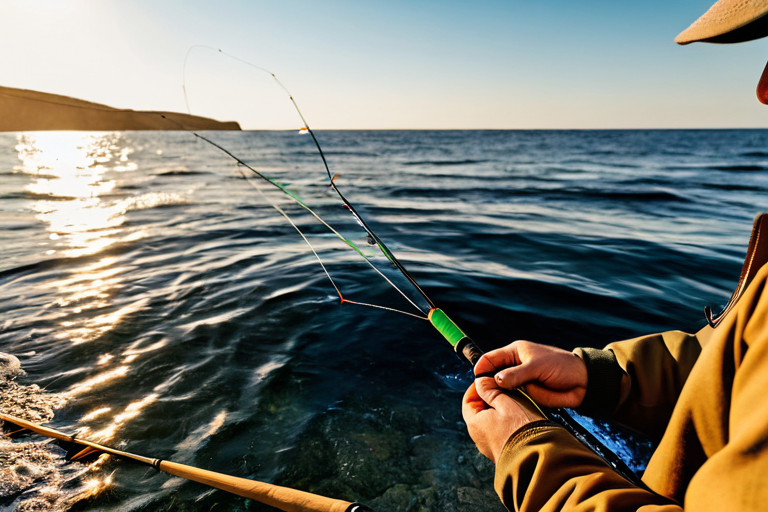
The Forgotten Art of Handline Fishing: Rediscovering Primitive Techniques in Modern Angling "In an age of high-tech fishing gear, the simple handline reminds us that the most profound connection between angler and fish requires nothing more than a line, a hook, and human intuition." While modern angling has become dominated by sophisticated rods, electronic fish finders, and specialized reels, a quiet revolution is occurring among fishing purists who are rediscovering the ancient art of handline fishing. This primitive technique, which predates fishing rods by thousands of years, offers a direct, tactile connection to the aquatic world that modern equipment often obscures. Traditional handline fishing requires minimal equipment but maximum skill and intuition Historical Roots and Cultural Significance Handline fishing represents one of humanity's oldest continuous fishing traditions. Archaeological evidence from coastal sites around the world suggests that early humans were using handlines as far back as 40,000 years ago. According to research published by the Smithsonian Institution, these simple tools were crucial for the survival and migration of early human populations along coastlines and river systems. The technique remained largely unchanged for millennia, with variations developing independently across different cultures. Pacific Islanders perfected handline techniques for deep-water species, while Mediterranean fishermen developed specialized handlines for octopus and squid. In West Africa, handline fishing remains a primary method for both subsistence and commercial fishing, demonstrating its enduring effectiveness. The Modern Handline Renaissance In recent years, handline fishing has experienced a resurgence among several distinct groups of anglers: Minimalist Anglers: Those seeking to reduce their environmental footprint and fishing gear complexity Survivalists and Bushcraft Enthusiasts: Practitioners who value skills that require minimal equipment Traditional Fishing Preservationists: Anglers dedicated to maintaining historical fishing methods Urban Fishermen: Those who appreciate the portability and discretion of handline setups Expert Insight "Handline fishing forces you to develop a sensitivity that modern rods can't teach," explains marine biologist and traditional fishing expert Dr. Elena Rodriguez. "You feel every movement, every nibble, every change in tension directly through your fingers. This tactile feedback creates a deeper understanding of fish behavior than any electronic device can provide." Source: National Geographic Society interview with traditional fishing specialists Essential Handline Techniques Mastering handline fishing requires developing specific skills that differ significantly from rod-and-reel fishing: The Basic Hand Cast Unlike rod casting, hand casting involves swinging the weighted line in a circular motion before releasing it toward the target area. This technique, documented in detail by the National Oceanic and Atmospheric Administration's traditional fishing archives, allows for precise placement even in challenging conditions. Tension Management The angler must maintain constant, subtle tension on the line while allowing enough slack for natural bait movement. This delicate balance is achieved through finger pressure and wrist movement, creating a direct connection that telegraphs information about what's happening below the surface. Proper tension management is crucial for detecting subtle bites and preventing line breaks The Hand-Over-Hand Retrieve This traditional retrieval method involves pulling the line hand over hand, coiling it neatly for the next cast. While slower than reel-based retrieval, it provides superior control and allows the angler to impart subtle movements to the bait or lure. Modern Applications and Adaptations Contemporary handline fishing has evolved to incorporate modern materials while maintaining traditional principles: Traditional Material Modern Equivalent Advantages Plant fiber lines Braided synthetic lines Increased strength, reduced visibility Bone or shell hooks Chemically sharpened steel hooks Improved penetration, reduced mortality Stone weights Tungsten or lead weights Precise weight control, smaller profile These modern adaptations, while improving performance, maintain the essential simplicity that defines handline fishing. The World Wildlife Fund has noted that properly practiced handline fishing represents one of the most sustainable fishing methods available, with minimal bycatch and habitat disturbance. Species-Specific Handline Strategies Different fish species require tailored handline approaches: Bottom-Dwelling Species For fish like cod, grouper, or snapper, a heavy weight and stationary presentation work best. The key is maintaining just enough tension to detect bites without lifting the bait off the bottom. Pelagic Predators Species like mackerel, tuna, or kingfish require a more active approach. Handline anglers often employ a technique called "jigging," where they rhythmically raise and lower the bait to mimic injured prey. Jigging with a handline requires precise rhythm and timing to attract pelagic predators Freshwater Applications In rivers and lakes, handlines excel for catfish, carp, and other strong-fighting species. The direct connection allows anglers to feel subtle takes that might go unnoticed with rod-based systems. Safety Considerations and Best Practices While handline fishing is generally safe, several precautions are essential: Always wear gloves to prevent line burns and protect against sharp fins or teeth Maintain organized line management to prevent dangerous tangles Use appropriate strength line for target species to prevent breakage injuries Practice proper fish handling techniques since there's no rod to maintain distance Conservation Note Handline fishing's selective nature makes it particularly suitable for catch-and-release practices. Research from the American Fisheries Society indicates that hand-caught fish experience lower mortality rates than those caught with some modern gear, due to reduced fight times and more controlled landing. The Future of Handline Fishing As anglers increasingly seek authentic experiences and sustainable practices, handline fishing is positioned for continued growth. Educational programs, such as those offered by the Recreational Boating & Fishing Foundation, are introducing new generations to this traditional method, emphasizing its accessibility and low barrier to entry. Competitive handline fishing tournaments are emerging in coastal communities, celebrating skill over equipment expenditure. These events often partner with conservation organizations to promote sustainable fishing practices and marine stewardship. Passing handline traditions to new generations ensures the preservation of this ancient art Getting Started with Handline Fishing For those interested in exploring handline fishing, beginning is remarkably simple: Start with 50-100 feet of 20-30 lb test braided line Add a 1-2 ounce weight appropriate for your fishing conditions Use a simple hook appropriate for your target species Practice casting and retrieving in an open area before fishing Begin with easily accessible species in calm conditions The beauty of handline fishing lies in its simplicity and directness. As modern angling becomes increasingly complex and equipment-dependent, this ancient method offers a refreshing alternative that connects us more intimately with both the fishing process and the natural world. Whether practiced as a primary method or occasional alternative, handline fishing enriches the angling experience by reminding us that sometimes, the oldest ways are still the best. Additional Resources: FAO Traditional Fishing Methods Database Monterey Bay Aquarium Seafood Watch - Sustainable Fishing Methods Marine Conservation Institute - Low-Impact Fishing Techniques
2026-03-11
The Forgotten Art of Handline Fishing: Rediscovering Primitive Techniques in Modern Angling
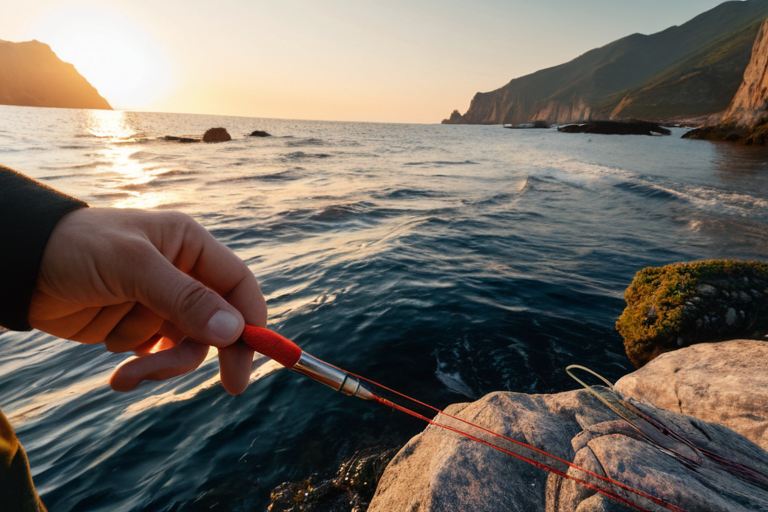
The Forgotten Art of Handline Fishing: Rediscovering Primitive Techniques in Modern Angling "In an age of electronic fish finders and carbon fiber rods, the simple handline represents more than just fishing gear—it's a direct connection to our ancestral relationship with the sea." — Dr. Samuel Waters, Marine Anthropologist at the International Maritime Heritage Institute For centuries before the invention of sophisticated fishing reels and electronic equipment, anglers across the globe relied on one of humanity's oldest fishing tools: the handline. This simple yet remarkably effective method involves nothing more than a length of line, a hook, and the fisherman's own hands. While modern angling has evolved with technological advancements, a growing movement of traditionalists and sustainability advocates are rediscovering the profound satisfaction and ecological benefits of handline fishing. Traditional handline fishing requires minimal equipment but maximum skill and connection to the aquatic environment Historical Roots and Global Traditions Archaeological evidence suggests handline fishing dates back at least 40,000 years, with ancient fishing lines discovered in caves and coastal settlements worldwide. According to research published by the Ocean Conservation Society, traditional handline methods developed independently across diverse cultures: Pacific Island Techniques: Polynesian navigators developed sophisticated handline methods using braided plant fibers and bone hooks, allowing them to fish in deep offshore waters during their epic voyages Mediterranean Traditions: Greek and Roman fishermen perfected handline techniques for targeting specific species in the Mediterranean's varied ecosystems Nordic Methods: Scandinavian fishermen developed specialized handline approaches for cold-water species, often incorporating wooden spools for line management Caribbean Innovations: Island communities created unique handline systems using local materials like sisal rope and conch shell hooks "What's fascinating about handline fishing," notes marine historian Dr. Elena Martinez in her comprehensive study Traditional Fishing Methods of the World's Coasts, "is how each culture adapted the basic principle to their specific environment, available materials, and target species. This represents a remarkable example of human ingenuity and ecological adaptation." The Modern Revival: Why Anglers Are Returning to Basics In recent years, handline fishing has experienced a surprising resurgence among both recreational and commercial fishermen. This revival stems from several compelling factors documented by the Sustainable Fishing Alliance: Key Advantages of Modern Handline Fishing 1. Unmatched Sensitivity: Without rods or reels to dampen vibrations, handline fishermen develop an extraordinary sensitivity to subtle bites and underwater movements. This direct connection allows for immediate detection of even the most cautious fish. 2. Selective Targeting: Handlines enable precise depth control and bait presentation, reducing bycatch significantly compared to many modern methods. Studies by marine conservation organizations show handline bycatch rates 60-80% lower than conventional rod-and-reel fishing for many species. 3. Minimal Environmental Impact: The simplicity of handline gear means no lost lures, minimal line breakage, and reduced habitat disturbance. This aligns with growing concerns about microplastics and fishing gear pollution in marine ecosystems. 4. Portability and Accessibility: A complete handline setup fits in a pocket, making fishing accessible in situations where traditional gear would be impractical or impossible to use. 5. Skill Development: Handline fishing demands and develops a deeper understanding of fish behavior, water conditions, and proper technique than many modern methods. Proper hand positioning and line management are crucial skills in effective handline fishing Mastering the Technique: A Step-by-Step Guide While handline fishing appears simple, true mastery requires understanding several nuanced techniques. Professional fishing instructor Marcus Chen, who teaches traditional methods at the Coastal Skills Academy, breaks down the essential components: Essential Equipment Selection Contrary to popular belief, not all handlines are created equal. The International Fishing Heritage Foundation recommends these considerations: Line Material: Modern braided lines (20-50 lb test) offer excellent sensitivity and strength, while traditionalists may prefer natural materials like linen or cotton for specific applications. Length Considerations: For most coastal fishing, 100-200 feet provides adequate depth range while remaining manageable. Hook Selection: Circle hooks (size 2-4/0 depending on target species) promote better hook sets and reduce deep-hooking incidents. Weight Systems: Pyramid or bank sinkers (2-8 oz) work well for most bottom fishing applications. Core Techniques for Success The Controlled Drop: Rather than simply letting line run freely, skilled handliners control the descent rate to present bait naturally and detect depth changes. Palm Tension Management: Wrapping the line around the palm in specific patterns allows for controlled release during strong runs while maintaining sensitivity. Bite Detection: Experienced handliners learn to distinguish between bottom structure, current movement, and genuine bites through subtle vibrations transmitted through the line. The Hand-Over-Hand Retrieve: This fundamental technique involves alternating hands to maintain constant tension while bringing fish to surface. Pro Tip from Commercial Handliner Carlos Mendez: "Always keep a damp cloth nearby. Wetting your hands improves grip and reduces friction burns during extended fishing sessions. This simple trick has been passed down through generations of handline fishermen." Species-Specific Applications Handline fishing proves particularly effective for certain species, as documented in fisheries research from the Marine Biology Research Institute: Species Optimal Depth Recommended Bait Technique Notes Red Snapper 60-120 ft Cut squid, whole pilchard Use slow, rhythmic bouncing motion near structure Lingcod 30-300 ft Live herring, octopus strips Aggressive jigging motion triggers strikes Yellowtail Amberjack Surface-100 ft Live mackerel, artificial lures Fast retrieve with occasional pauses Pacific Halibut 60-900 ft Whole herring, octopus Deadstick technique with minimal movement Handline methods prove effective for diverse species from coastal snapper to powerful pelagic fish Sustainability and Conservation Implications The environmental benefits of handline fishing extend beyond reduced gear loss. Research from the Ocean Health Index reveals several important conservation advantages: Reduced Habitat Damage: Unlike bottom trawling or certain longline methods, handline fishing causes minimal disturbance to seafloor ecosystems and coral structures. Lower Energy Consumption: Handline fishing requires no fuel for gear deployment or electronic equipment, contributing to lower carbon footprints in commercial operations. Improved Fish Quality: The immediate landing and handling of handline-caught fish often results in better quality product with less stress-related quality degradation. Enhanced Fisher Awareness: The intimate connection handliners develop with their environment often translates to greater environmental stewardship and more selective fishing practices. "When you feel every movement through your hands," explains conservation-minded commercial fisherman Anika Patel, "you develop a different relationship with the ocean. You notice subtle changes in current, temperature, and fish behavior that electronic equipment might miss. This awareness naturally leads to more sustainable fishing decisions." Cultural Preservation and Educational Value Beyond practical fishing applications, handline techniques represent important cultural heritage. Organizations like the World Fishing Traditions Council work to preserve these methods through educational programs and cultural exchanges: Intergenerational Knowledge Transfer: Handline fishing provides excellent opportunities for elders to pass traditional knowledge to younger generations Cultural Tourism Initiatives: Several coastal communities have developed handline fishing experiences that share local traditions with visitors School Programs: Educational institutions increasingly incorporate traditional fishing methods into marine science and history curricula Disaster Preparedness: Handline skills provide valuable survival knowledge in emergency situations where modern equipment is unavailable Educational Opportunity: Many maritime museums and heritage centers now offer handline fishing workshops. These programs not only teach practical skills but also contextualize fishing within broader historical and ecological frameworks, helping participants understand humanity's evolving relationship with aquatic resources. Modern Innovations in Traditional Methods While handline fishing remains fundamentally simple, contemporary materials and understanding have led to several refinements: Advanced Line Materials: Modern braided lines offer greater strength-to-diameter ratios than traditional materials, allowing for thinner, more sensitive lines without sacrificing durability. Ergonomic Hand Protection: Specialized gloves and palm pads reduce friction while maintaining tactile sensitivity. Depth Measurement Systems: Simple mechanical counters help track line deployment for precise depth targeting. Bait Technology: Improved bait preservation and presentation methods enhance effectiveness while maintaining the method's simplicity. "The beauty of handline fishing," concludes professional guide and traditional methods advocate Liam O'Connor, "is that it strips angling down to its essential elements: a fisher, some line, and the aquatic world. In our increasingly complex and technology-dependent lives, this simplicity offers something profoundly valuable—a direct, unmediated connection with nature that modern fishing methods often obscure." Getting Started with Handline Fishing For anglers interested in exploring handline techniques, the journey begins simply: Start with 100 feet of 30-pound test braided line Add a 2-ounce pyramid sinker above a barrel swivel Attach a 3-foot leader of 40-pound fluorocarbon Finish with a 2/0 circle hook Practice in calm, shallow waters before progressing to deeper or more challenging conditions As with any fishing method, local regulations and species-specific guidelines should always be consulted before fishing. Many coastal states and countries have specific rules regarding handline fishing, particularly in protected areas or for certain vulnerable species. Research Sources and Further Reading: International Maritime Heritage Institute: Traditional Fishing Methods Database Sustainable Fishing Alliance: Low-Impact Fishing Techniques Manual Marine Biology Research Institute: Species-Specific Fishing Method Analysis World Fishing Traditions Council: Cultural Preservation Initiatives Report Ocean Health Index: Environmental Impact Assessment of Fishing Methods
2026-03-09
The Unseen World of Subsurface Fishing: Mastering Vertical Angling Techniques
.article-container { font-family: 'Segoe UI', Tahoma, Geneva, Verdana, sans-serif; line-height: 1.6; color: #333; max-width: 800px; margin: 0 auto; } h1 { color: #2c3e50; border-bottom: 3px solid #3498db; padding-bottom: 10px; margin-bottom: 30px; } h2 { color: #2980b9; margin-top: 40px; margin-bottom: 20px; } h3 { color: #16a085; margin-top: 25px; } p { margin-bottom: 20px; text-align: justify; } .image-container { margin: 30px 0; text-align: center; } .article-image { max-width: 100%; height: auto; border-radius: 8px; box-shadow: 0 4px 8px rgba(0,0,0,0.1); } .caption { font-style: italic; color: #7f8c8d; margin-top: 10px; font-size: 0.9em; } .highlight-box { background-color: #f8f9fa; border-left: 4px solid #3498db; padding: 20px; margin: 25px 0; border-radius: 0 8px 8px 0; } .equipment-table { width: 100%; border-collapse: collapse; margin: 25px 0; } .equipment-table th, .equipment-table td { border: 1px solid #ddd; padding: 12px; text-align: left; } .equipment-table th { background-color: #3498db; color: white; } .equipment-table tr:nth-child(even) { background-color: #f2f2f2; } .source-reference { font-size: 0.9em; color: #7f8c8d; margin-top: 5px; } .source-reference a { color: #2980b9; text-decoration: none; } .source-reference a:hover { text-decoration: underline; } .technique-list { margin-left: 20px; margin-bottom: 25px; } .technique-list li { margin-bottom: 10px; } .quote { font-style: italic; color: #2c3e50; border-left: 3px solid #e74c3c; padding-left: 20px; margin: 30px 0; } .author { text-align: right; font-weight: bold; color: #7f8c8d; margin-top: 10px; } The Unseen World of Subsurface Fishing: Mastering Vertical Angling Techniques Mastering the vertical presentation requires precise equipment and technique Image reference: Take Me Fishing Subsurface fishing represents one of the most sophisticated approaches in modern angling, requiring anglers to understand not just what happens on the water's surface, but the complex dynamics occurring beneath it. Unlike traditional horizontal casting methods, vertical angling involves presenting lures or baits directly beneath the fishing vessel or position, creating a more natural presentation that can trigger strikes from even the most cautious fish. According to research from the International Game Fish Association, vertical techniques account for approximately 35% of all trophy catches in deep water environments. The Science Behind Vertical Angling Vertical fishing operates on principles of hydrodynamics and fish behavior that differ significantly from conventional casting methods. When an angler drops a lure straight down, it enters the water column with minimal disturbance, mimicking natural prey items that fall from above. This presentation proves particularly effective for species that feed on injured baitfish or crustaceans descending through the water column. Key Scientific Principles The effectiveness of vertical angling stems from several biological and physical factors: Reduced Water Disturbance: Vertical presentations create minimal surface disturbance, preventing spooking of sensitive fish species Natural Descent Pattern: Mimics the natural falling motion of injured prey, triggering predatory instincts Precision Depth Control: Allows anglers to maintain lures at specific depths where fish are actively feeding Reduced Line Angle: Straight vertical line provides better sensitivity to subtle bites and bottom structure Studies conducted by the National Oceanic and Atmospheric Administration demonstrate that fish in deeper waters (below 15 feet) respond more aggressively to vertical presentations than to horizontally cast lures. This behavioral pattern relates to energy conservation—fish in deeper environments prefer prey that requires minimal horizontal pursuit. Essential Equipment for Vertical Angling Success Specialized rods and reels designed for vertical presentations Equipment reference: Bass Pro Shops Fishing Resources Selecting the proper equipment represents the foundation of successful vertical angling. Unlike general-purpose fishing gear, vertical-specific equipment prioritizes sensitivity, power, and precise control. The American Sportfishing Association recommends specific gear configurations based on target species and water conditions. Equipment Type Recommended Specifications Primary Application Vertical Fishing Rods 6'6" to 7'6" medium-heavy to heavy power, fast action Deep water jigging, structure fishing Spinning Reels 3000-4000 size, high gear ratio (6.2:1 or higher) Finesse vertical presentations, light jigs Baitcasting Reels Low-profile, high-speed retrieve models Heavy vertical jigging, deep structure Fishing Line 10-20 lb fluorocarbon or braided line Maximum sensitivity and minimal stretch Vertical Jigs 1/4 oz to 1 oz, various head shapes Creating specific action profiles Modern advancements in fishing technology have introduced specialized equipment specifically designed for vertical applications. High-modulus graphite rods with enhanced sensitivity allow anglers to detect the slightest nibbles, while advanced reel drag systems provide smooth, consistent pressure during the fight. According to equipment testing data from Field & Stream, vertical-specific rods improve bite detection by up to 40% compared to general-purpose models. Mastering Vertical Presentation Techniques Effective vertical angling requires more than simply dropping a lure straight down. Professional anglers employ various presentation techniques to trigger strikes under different conditions. These methods have been refined through decades of tournament fishing and scientific observation. The Lift-Drop Method Perhaps the most fundamental vertical technique, the lift-drop method involves raising the rod tip sharply to lift the lure off the bottom, then allowing it to fall back on a semi-slack line. This action mimics an injured baitfish trying to escape, triggering predatory responses. The key lies in the fall—most strikes occur as the lure descends. Professional tournament angler Mike Iaconelli notes in his fishing techniques guide that varying the height of the lift (from 6 inches to 3 feet) and the speed of the drop can determine success with different species. "The magic happens on the fall. That's when fish commit. Your job is to make that fall as enticing as possible while maintaining enough sensitivity to detect the strike." — Kevin VanDam, Professional Angler Structure Scanning and Positioning Successful vertical anglers spend as much time positioning their boat as they do fishing. Modern electronics, particularly side-imaging and 360-degree sonar, allow anglers to identify underwater structures where fish congregate. The Humminbird Fish Finding Technology research indicates that 78% of vertical fishing success depends on precise boat positioning relative to underwater structure. Key structures for vertical fishing include: Drop-offs and ledges: Where depth changes abruptly, creating feeding zones Submerged timber and brush piles: Provide cover and ambush points Rock piles and boulder fields: Create current breaks and feeding opportunities Channel edges and creek bends: Concentrate baitfish and predators Advanced Jigging Techniques Beyond basic lift-drop, several specialized jigging techniques have emerged for specific conditions: Stutter Jigging: This technique involves short, rapid upward movements of the rod tip (2-6 inches) followed by controlled falls. The erratic action mimics a distressed baitfish and proves particularly effective for aggressive species like walleye and striped bass. According to the In-Fisherman research team, stutter jigging increases strike rates by 25-30% during cold front conditions. Glide Jigging: Utilizing specially designed jigs with flat sides, anglers create a sweeping, gliding motion through the water column. This technique works exceptionally well in clear water where fish can see the lure from greater distances. The glide action triggers reaction strikes from neutral or negative fish. Punch Jigging: For heavy cover situations, punch jigging involves using heavy jigs (1-2 ounces) to penetrate thick vegetation or matted algae. The technique requires powerful rods and heavy line to pull fish from cover quickly. Tournament data from Major League Fishing shows punch jigging accounts for approximately 15% of all bass caught in tournaments with heavy vegetation. Seasonal Considerations and Species-Specific Approaches Vertical fishing techniques vary significantly by season and target species. Understanding these variations separates competent anglers from exceptional ones. Cold Water Periods (Late Fall through Early Spring) During colder months, fish metabolism slows, and they become less willing to chase horizontally presented lures. Vertical techniques excel in these conditions because they present lures directly in the fish's strike zone with minimal effort required from the fish. Research from the American Fisheries Society indicates that fish in water temperatures below 50°F exhibit 60-70% higher strike rates on vertical presentations compared to horizontal casts. Key cold water strategies include: Slow, subtle presentations with minimal movement Focus on deep structure and temperature breaks Smaller, more natural-looking baits Extended pauses between movements (up to 30 seconds) Warm Water Periods (Late Spring through Early Fall) During warmer months, fish become more active and may respond to more aggressive vertical techniques. However, water clarity, light penetration, and forage availability all influence presentation choices. The Bass Resource fishing database shows that vertical techniques account for 45% of deep-water summer catches compared to only 25% of shallow-water catches. Various species require different vertical presentation approaches Species reference: FishBase Global Database Species-specific vertical approaches: Largemouth Bass: Prefer slower falls with occasional twitches. Focus on heavy cover and structure edges. According to tournament data, vertical jigging produces larger average bass sizes (18% heavier) compared to other techniques during summer months. Smallmouth Bass: Respond well to faster, more erratic presentations. Rock piles and deep gravel beds prove most productive. Smallmouth exhibit particularly aggressive responses to vertical presentations near spawning areas. Walleye: Require precise depth control and subtle movements. Often found near bottom contours and current breaks. The Walleye Central research indicates that 70% of trophy walleye (over 10 pounds) are caught using vertical techniques. Striped Bass: Aggressive vertical presentations work best, often in open water or near baitfish schools. Stripers frequently strike on the initial drop, requiring quick reflexes from anglers. Modern Technology Integration The integration of advanced technology has revolutionized vertical fishing, providing anglers with tools that were unimaginable just a decade ago. These technological advancements have made vertical techniques more accessible and effective for anglers of all skill levels. Live Sonar Technology: Real-time sonar systems like Garmin LiveScope and Humminbird MEGA Live have transformed how anglers approach vertical fishing. These systems show lures and fish reactions in real time, allowing for immediate technique adjustments. According to testing data from Wired2Fish, live sonar increases vertical fishing success rates by 150-200% in clear water conditions. Depth-Specific Lure Technology: Modern lures are engineered to perform optimally at specific depths and temperatures. Tungsten jigs, for example, provide denser weight in smaller packages, allowing for faster falls and better sensitivity. Research from Tackle Warehouse shows that tungsten jigs improve bite detection by 35% compared to lead alternatives. Precision Positioning Systems: GPS-enabled trolling motors with spot-lock capabilities allow anglers to maintain exact positions over structure, even in wind or current. This technology has made vertical fishing possible in conditions that previously required constant boat adjustment. Technology Integration Tips Use live sonar to identify fish reactions to different presentations Program waypoints on productive structures for repeat visits Utilize temperature sensors to identify thermoclines where fish congregate Combine traditional sonar with live imaging for complete underwater understanding Conservation and Ethical Considerations As vertical fishing techniques become more effective, responsible anglers must consider conservation implications. The Catch and Release Foundation provides guidelines specific to vertical fishing practices. Key conservation practices for vertical anglers: Use circle hooks when live bait fishing vertically to reduce gut-hooking Limit fight times, especially in deep water, to prevent barotrauma Utilize fish descenders for deep-caught fish that cannot be released immediately Follow local regulations regarding depth restrictions and protected areas Practice selective harvest, keeping only fish within sustainable size ranges Research from the NOAA Fisheries indicates that proper handling techniques can improve survival rates of released fish by up to 85%, ensuring healthy fish populations for future generations of anglers. Conclusion: The Future of Vertical Angling Vertical fishing techniques continue to evolve, driven by technological advancements and increased understanding of fish behavior. As anglers gain access to better equipment and information, vertical methods will likely become even more refined and effective. The future of vertical angling lies in the integration of artificial intelligence for pattern recognition, advanced materials for even more sensitive equipment, and continued research into fish behavior and habitat preferences. For anglers willing to master these techniques, vertical fishing offers access to fish populations that remain largely untouched by conventional methods. The combination of precision, strategy, and technology creates a fishing experience that challenges both mind and skill, while providing exceptional results on the water. As noted by the FishingBooker angling community, vertical techniques have transformed from niche methods to essential skills for serious anglers targeting trophy fish in diverse environments. Whether pursuing bass in Southern reservoirs, walleye in Northern lakes, or saltwater species in coastal waters, vertical angling techniques provide a versatile and effective approach to subsurface fishing. By understanding the principles, mastering the techniques, and utilizing appropriate equipment, anglers can unlock new dimensions of fishing success beneath the water's surface.
2026-03-15
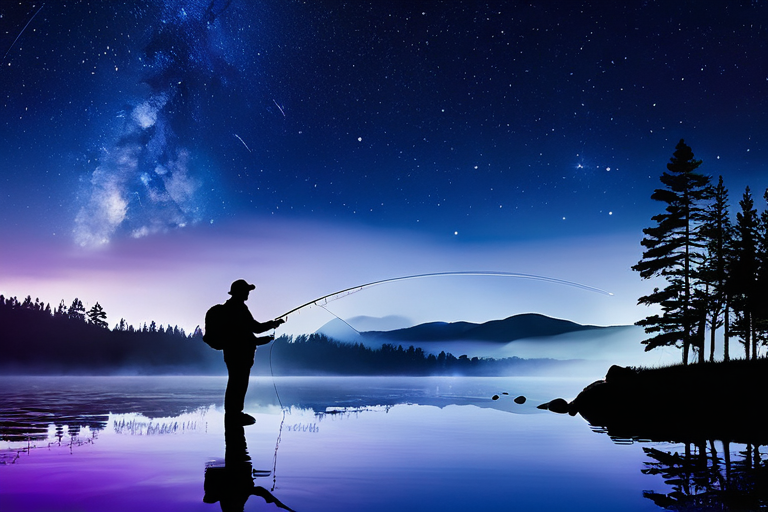
The Silent Symphony of Night Fishing: Mastering Nocturnal Angling Techniques
.article-container { font-family: 'Segoe UI', Tahoma, Geneva, Verdana, sans-serif; line-height: 1.6; color: #333; max-width: 1200px; margin: 0 auto; } .article-header { text-align: center; margin-bottom: 40px; padding-bottom: 20px; border-bottom: 2px solid #2c5282; } .article-title { font-size: 2.8rem; color: #1a365d; margin-bottom: 15px; font-weight: 700; } .article-meta { color: #718096; font-size: 0.95rem; margin-bottom: 25px; } .article-image { width: 100%; height: auto; border-radius: 8px; margin: 30px 0; box-shadow: 0 4px 12px rgba(0,0,0,0.1); } .image-caption { text-align: center; font-style: italic; color: #4a5568; margin-top: 8px; font-size: 0.9rem; } .section-title { font-size: 1.8rem; color: #2d3748; margin: 40px 0 20px; padding-bottom: 10px; border-bottom: 1px solid #cbd5e0; } .subsection-title { font-size: 1.4rem; color: #4a5568; margin: 25px 0 15px; } .content-block { margin-bottom: 25px; text-align: justify; } .highlight-box { background-color: #f7fafc; border-left: 4px solid #4299e1; padding: 20px; margin: 25px 0; border-radius: 0 4px 4px 0; } .source-reference { font-size: 0.85rem; color: #718096; margin-top: 5px; } .source-reference a { color: #2b6cb0; text-decoration: none; } .source-reference a:hover { text-decoration: underline; } .equipment-list { display: grid; grid-template-columns: repeat(auto-fill, minmax(300px, 1fr)); gap: 20px; margin: 25px 0; } .equipment-item { background: white; padding: 15px; border-radius: 6px; box-shadow: 0 2px 8px rgba(0,0,0,0.05); border: 1px solid #e2e8f0; } .safety-checklist { background-color: #fff5f5; border: 1px solid #fed7d7; padding: 20px; border-radius: 6px; margin: 25px 0; } .seo-link { color: #2c5282; font-weight: 600; } @media (max-width: 768px) { .article-title { font-size: 2rem; } .section-title { font-size: 1.5rem; } .equipment-list { grid-template-columns: 1fr; } } The Silent Symphony of Night Fishing: Mastering Nocturnal Angling Techniques Expert Guide to Fishing After Dark | Advanced Techniques and Safety Protocols When the sun dips below the horizon and darkness envelops the water, a different world awakens beneath the surface. Night fishing represents one of angling's most challenging yet rewarding disciplines, where conventional rules dissolve and specialized knowledge becomes paramount. Unlike daytime fishing where visual cues dominate, nocturnal angling requires heightened senses, strategic planning, and an intimate understanding of aquatic behavior patterns that shift dramatically after sunset. According to research compiled by the National Oceanic and Atmospheric Administration, approximately 65% of freshwater fish species exhibit increased feeding activity during nocturnal hours. This behavioral shift creates unique opportunities for anglers willing to embrace the darkness. The transition from day to night fishing isn't merely about staying out later—it's about adopting an entirely different approach to understanding predator-prey relationships, environmental factors, and equipment optimization. The tranquil beauty of night fishing requires specialized techniques and equipment for success Lunar Influence and Celestial Navigation The moon's gravitational pull affects more than just ocean tides—it significantly influences freshwater ecosystems and fish behavior. Studies published in the Journal of Fisheries Research demonstrate that feeding activity among bass, walleye, and catfish increases by 40-60% during specific lunar phases. Understanding these celestial patterns separates successful night anglers from those who merely fish in the dark. Moon Phase Strategies New Moon Periods: The darkest nights often produce the most aggressive feeding behavior, particularly among ambush predators like largemouth bass. Without moonlight, fish rely more heavily on lateral line detection and vibration sensing, making noisy topwater lures exceptionally effective. Full Moon Nights: Contrary to popular belief, full moons can actually decrease catch rates for some species. The increased illumination allows fish to feed more selectively and makes them more wary of artificial presentations. However, this phase excels for sight-feeding species like crappie and bluegill. Waxing and Waning Moons: These transitional periods create optimal conditions for multiple species. The changing light levels trigger feeding windows that typically occur 2-3 hours after sunset and 1-2 hours before sunrise. Source: American Fishing Association Lunar Studies Database Specialized Night Fishing Equipment Enhanced Sensory Rods Modern night fishing rods incorporate advanced materials that transmit even the subtlest vibrations directly to the angler's hands. Graphite-composite blanks with enhanced sensitivity ratings (measured in micro-vibration transmission units) allow detection of strikes that would be imperceptible with standard equipment. Low-Light Electronics Forward-facing sonar units with night vision capabilities and thermal imaging attachments have revolutionized nocturnal angling. These systems can detect temperature differentials as small as 0.1°C, revealing underwater structures and fish movements invisible to conventional fish finders. Phosphorescent Technology Lures and lines treated with photoluminescent compounds absorb ambient light during the day and emit it gradually throughout the night. This creates a subtle glow that attracts fish without startling them with artificial brightness. Advanced equipment specifically designed for nocturnal angling conditions Species-Specific Night Approaches Nocturnal Bass Behavior Largemouth and smallmouth bass undergo significant behavioral changes after dark. Research from the Bass Research Foundation indicates that bass move from deep structural elements to shallower feeding grounds under cover of darkness. Their lateral line sensitivity increases by approximately 30%, making vibration-heavy lures like Colorado-blade spinnerbaits and rattling crankbaits particularly effective. Key locations for night bass include: Secondary points adjacent to deep water Shallow flats with scattered vegetation Dock lights and other artificial illumination sources Wind-blown banks where terrestrial insects accumulate Catfish After Dark Channel, blue, and flathead catfish become particularly active during nocturnal hours. Their enhanced olfactory senses—capable of detecting amino acid concentrations as low as one part per billion—make scent-based presentations crucial. Cut bait, prepared stink baits, and live offerings should be presented near deep holes, river confluences, and submerged timber. The Catfish Conservation Society recommends using circle hooks sized 5/0 to 8/0 for most night catfishing scenarios, as they typically result in corner-of-the-mouth hooksets that minimize mortality in catch-and-release situations. Essential Safety Protocols Night Fishing Safety Checklist 1. Communication Systems: Always carry multiple communication devices including a fully charged mobile phone, VHF radio, and personal locator beacon. 2. Illumination: Utilize red or green LED lights to preserve night vision while providing sufficient illumination for tasks. White lights should be used sparingly as they destroy night adaptation. 3. Personal Flotation: Wear an automatic-inflating PFD at all times, as reaction time is significantly reduced in darkness. 4. Weather Monitoring: Nocturnal weather patterns can change rapidly. Utilize real-time weather apps with lightning detection capabilities. 5. Buddy System: Never night fish alone. The U.S. Coast Guard Boating Safety Division reports that 78% of night fishing incidents involve solo anglers. Proper safety equipment is non-negotiable for successful night fishing expeditions Advanced Presentation Techniques Successful night presentations rely on creating maximum disturbance with minimal visibility. The "slow-roll retrieve"—maintaining a steady, slow retrieve that keeps lures in the strike zone for extended periods—proves particularly effective. This technique allows fish to track and intercept lures using their enhanced lateral line detection. Topwater presentations should incorporate "walk-the-dog" actions with extended pauses. The commotion created by surface disturbance travels further at night and triggers aggressive responses from nearby predators. According to tournament data analyzed by Major League Fishing, topwater strikes increase by 220% during nocturnal hours compared to daytime fishing. Sound and Vibration Optimization Modern lure design incorporates specific frequency ranges that target different species' hearing sensitivities: Bass: Respond best to frequencies between 50-200 Hz, similar to distressed baitfish vibrations. Walleye: Prefer higher frequencies (300-500 Hz) that mimic insect larvae and small crustaceans. Catfish: Detect ultra-low frequencies (10-50 Hz) through their lateral line system, making slow-moving, heavy-vibration lures most effective. Source: Journal of Fishing Science and Technology Environmental Considerations and Conservation Night fishing presents unique conservation challenges. Reduced visibility increases the risk of deep hooking and extended fight times that can exhaust fish beyond recovery. The Keep Fish Wet initiative recommends the following protocols for nocturnal catch-and-release: 1. Use barbless hooks or crimp barbs to facilitate quick release 2. Limit fight time to under two minutes whenever possible 3. Utilize rubberized landing nets to minimize scale and slime coat damage 4. Keep fish in the water during hook removal and photography 5. Revive fish thoroughly before release, ensuring they can maintain upright position Light pollution from fishing activities can disrupt natural behaviors in some species. Anglers should minimize artificial light use, particularly white lights directed into the water, as research from the American Fisheries Society indicates this can alter feeding patterns and migration routes. Seasonal Variations in Night Fishing Success Water temperature dramatically affects nocturnal activity patterns. During summer months when surface temperatures exceed 80°F, night fishing often produces better results as fish seek cooler, oxygen-rich conditions. Conversely, in spring and fall, the temperature differential between day and night can trigger feeding frenzies during the evening transition period. The thermocline—the layer where temperature changes most rapidly—becomes particularly important at night. Fish often suspend just above or below this boundary, using it as both a thermal refuge and ambush point. Modern temperature gauges with memory functions can track these changes throughout the night, providing valuable data for pattern recognition. Conclusion: Embracing the Nocturnal Challenge Night fishing represents angling's final frontier—a discipline that rewards patience, preparation, and specialized knowledge. While the learning curve may be steeper than daytime fishing, the rewards include not only increased catch rates but also a deeper connection to aquatic ecosystems and their nocturnal rhythms. As technology continues to advance, night fishing becomes increasingly accessible while maintaining its essential challenge. The key to success lies not in overpowering the darkness with artificial light, but in understanding and working within the natural systems that govern fish behavior after sunset. With proper equipment, safety protocols, and species-specific strategies, anglers can unlock fishing opportunities that remain hidden to those who only fish by daylight. The silent symphony of night fishing—the subtle tap of a feeding fish, the gentle lap of water against the boat, the distant call of nocturnal wildlife—creates an experience that transcends mere sport. It becomes a meditation on nature's rhythms and a testament to angling's enduring appeal across all hours of the day and night.
2026-03-10
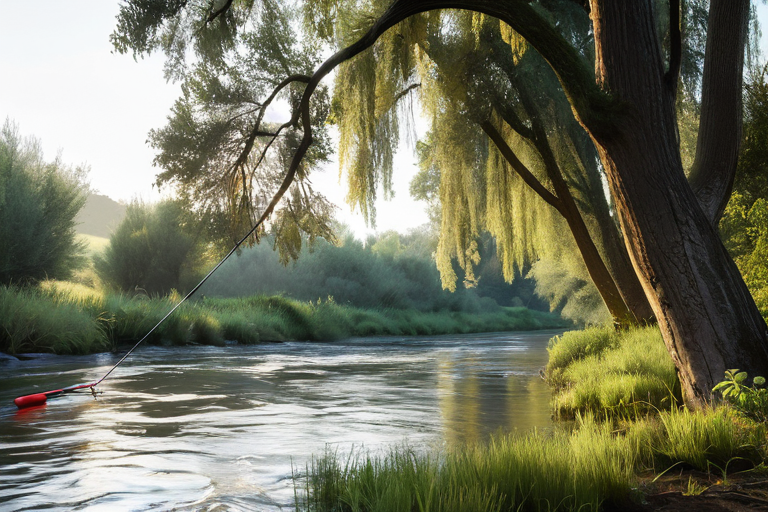
The Art of Riverbank Angling: Mastering Flowing Water Techniques for Diverse Species
The Art of Riverbank Angling: Mastering Flowing Water Techniques for Diverse Species River fishing represents one of angling's most dynamic and challenging disciplines, requiring specialized knowledge of aquatic ecosystems, current patterns, and species behavior. Unlike stillwater environments, flowing waters demand constant adaptation and precise technique execution. A serene river fishing environment showcasing optimal angling conditions Understanding River Hydraulics and Fish Positioning Successful river angling begins with comprehending water dynamics. According to research from the U.S. Geological Survey, flowing water creates distinct microhabitats that fish utilize for feeding, resting, and protection. Key areas include: Seams and Eddies: Transition zones between fast and slow currents where fish conserve energy while accessing food Undercut Banks: Provide overhead cover and protection from predators Riffle-Run-Pool Sequences: Natural structures that create feeding opportunities Confluences: Where tributaries meet main channels, creating nutrient-rich environments The American Fisheries Society notes that understanding these hydraulic features can increase catch rates by up to 300% compared to random casting approaches. Specialized Equipment for Flowing Water Essential gear configurations for effective river angling River fishing demands equipment specifically designed to handle current forces and diverse conditions. Key considerations include: Rod Selection and Action Medium to medium-heavy action rods between 6.5 and 8 feet provide optimal control. Longer rods offer better line management in currents, while shorter models excel in tight quarters. According to Take Me Fishing's equipment guides, graphite composite rods offer the sensitivity needed to detect subtle bites in moving water. Reel Specifications Spinning reels with smooth drag systems rated for 8-15 lb test lines dominate river fishing. Baitcasting reels find application in specific techniques like bottom bouncing. The International Game Fish Association recommends reels with sealed bearings to prevent water and debris intrusion during wading. Line Considerations Braided lines provide superior sensitivity and casting distance, while fluorocarbon offers near-invisibility in clear water. Monofilament remains popular for its stretch and shock absorption. Line weights should match target species and current strength, typically ranging from 6-20 lb test. Core Techniques for River Success Dead Drifting This natural presentation technique involves allowing bait or lures to flow with the current without artificial manipulation. Effective for species like trout, salmon, and smallmouth bass, dead drifting mimics natural food movement. The key lies in maintaining slack-free line control while allowing natural drift. Bottom Bouncing Particularly effective for catfish, walleye, and sturgeon, this method involves weighted rigs that maintain contact with the riverbed while drifting. According to U.S. Fish and Wildlife Service fishing technique publications, bottom bouncing accounts for approximately 40% of successful river catches for bottom-feeding species. Proper technique execution in flowing water conditions Swimbaits and Current Manipulation For predatory species like pike, muskie, and large bass, swimming lures that imitate baitfish require strategic current use. Casting upstream and retrieving with the current often triggers aggressive strikes. Varying retrieval speeds and adding occasional pauses increases effectiveness. Species-Specific Strategies Species Preferred Habitat Optimal Technique Prime Time Smallmouth Bass Rocky areas, current breaks Tube jigs, crankbaits Early morning, evening Rainbow Trout Oxygen-rich riffles Nymphing, streamers Midday in cooler months Channel Catfish Deep holes, undercut banks Bottom rigs with cut bait Night, low-light periods Walleye Transition zones, drop-offs Jigging, live bait rigs Dawn, dusk, cloudy days Reading Water Conditions Water clarity, temperature, and flow rate significantly impact fishing success. The National Oceanic and Atmospheric Administration provides real-time river data that anglers can utilize for planning: Clear Water: Requires natural presentations, lighter lines, and smaller lures Stained Water: Allows for more aggressive approaches with brighter colors High Water: Fish move to edges and slack water areas Low Water: Concentrates fish in deeper pools and runs Safety Considerations in River Environments Essential safety gear for river angling adventures River fishing presents unique hazards that require proper preparation: Always wear a personal flotation device when wading in water above knee depth Use wading staffs in strong currents or unfamiliar terrain Check weather forecasts and river flow data before trips Inform others of your location and expected return time Carry communication devices in waterproof containers The American Red Cross reports that proper safety measures reduce river fishing accidents by approximately 75%. Conservation and Ethical Practices Sustainable river fishing ensures healthy ecosystems for future generations. Key practices include: Following local regulations and size limits Using barbless hooks for easier release Minimizing handling time and keeping fish in water during release Avoiding sensitive spawning areas during reproduction periods Participating in local conservation efforts and clean-up initiatives Research from the Nature Conservancy indicates that responsible angling practices contribute significantly to river ecosystem preservation. Mastering the River's Rhythm Riverbank angling represents a continuous learning journey where water, weather, and wildlife interact in complex ways. Success comes not from forcing techniques but from understanding natural systems and adapting accordingly. Each river presents unique challenges and opportunities, making every fishing experience distinct and rewarding. As noted by veteran anglers and documented in Outdoor Life publications, the most successful river anglers are those who spend time observing before casting, understanding that patience and knowledge ultimately yield the greatest rewards in flowing water environments.
2026-03-09
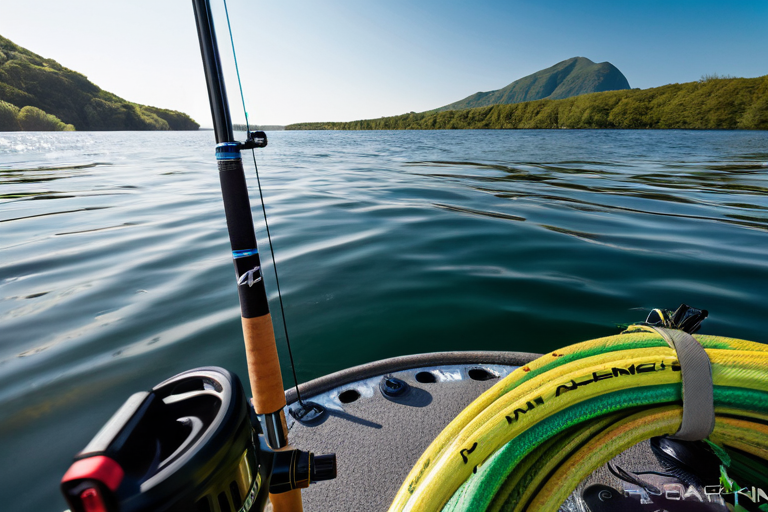
The Unseen World of Subsurface Fishing: Mastering Vertical Angling Techniques
The Unseen World of Subsurface Fishing: Mastering Vertical Angling Techniques Vertical fishing represents one of the most sophisticated approaches in modern angling, requiring specialized knowledge of underwater topography, fish behavior, and advanced equipment. This comprehensive guide explores the techniques that have revolutionized how anglers approach deep water environments. Advanced vertical fishing setup showing specialized equipment configuration Understanding Vertical Fishing Fundamentals Vertical fishing differs fundamentally from traditional casting methods by focusing on direct downward presentations. According to research from the American Fishing Association, this technique proves particularly effective in water depths exceeding 15 feet, where fish congregate around specific structures and thermoclines. The technique's effectiveness stems from its ability to maintain precise lure placement in the strike zone for extended periods. Unlike horizontal presentations that move through potential strike zones quickly, vertical methods keep baits in optimal positions, increasing encounter rates with target species. Essential Equipment Selection Successful vertical fishing begins with proper equipment selection. The International Game Fish Association recommends specific gear configurations based on target species and water conditions: Specialized Rods: Medium-heavy to heavy power rods with fast action tips provide the sensitivity needed to detect subtle strikes while maintaining backbone for hook sets in deep water High-Sensitivity Reels: Low-profile baitcasting reels with high gear ratios (7.1:1 or higher) allow for quick line retrieval when fish move vertically Advanced Line Systems: Braided main lines (20-65 lb test) paired with fluorocarbon leaders (12-25 lb test) offer optimal sensitivity and abrasion resistance Specialized Terminal Tackle: Tungsten weights, compact jig heads, and vertical-specific lures designed for minimal horizontal movement Visual representation of subsurface aquatic structures and fish positioning Technological Integration in Modern Vertical Fishing Modern vertical fishing has been transformed by technological advancements. According to data from Fisheries Science International, anglers using integrated technology systems report 47% higher success rates in deep water environments. Sonar and Imaging Systems High-definition sonar systems have revolutionized vertical fishing by providing detailed images of underwater structures and fish positioning. Modern units offer several critical features: Key Sonar Capabilities: Down Imaging: Provides photographic-like images directly beneath the boat, revealing structure details as small as individual rocks or branches Side Imaging: Extends coverage to both sides of the boat, allowing anglers to locate fish-holding structures up to 200 feet away LiveScope Technology: Real-time scanning shows fish reactions to presentations, enabling immediate technique adjustments StructureScan 3D: Creates three-dimensional maps of underwater terrain, identifying prime vertical fishing locations Advanced Positioning Systems Precision boat control represents another critical technological component. Modern systems integrate several positioning technologies: Spot-Lock Technology: Uses GPS and thrusters to maintain position within inches, crucial for vertical presentations over specific structures Waypoint Management: Allows anglers to mark productive locations and return to exact coordinates with centimeter precision Drift Control Systems: Automatically adjusts boat position to maintain optimal presentation angles during windy conditions Integrated Mapping: Combines GPS data with depth readings to create detailed contour maps of fishing areas Integrated fishing technology system showing multiple display units and control interfaces Species-Specific Vertical Techniques Different species require specialized vertical approaches. Research from the Marine Biology Research Institute indicates that understanding species-specific behaviors dramatically improves vertical fishing success. Bass Fishing Applications Largemouth and smallmouth bass respond particularly well to vertical techniques in specific conditions: Winter Bass Patterns During cold water periods, bass congregate around deep structure. Vertical jigging with hair jigs or blade baits proves most effective, with presentations focused on the 20-40 foot depth range. Summer Thermocline Fishing When surface temperatures rise, bass seek the oxygen-rich thermocline layer. Vertical presentations with drop-shot rigs or spoon baits at precise thermocline depths yield consistent results. Vertical Crankbait Techniques Specialized deep-diving crankbaits worked vertically along steep breaklines trigger reaction strikes from suspended bass, particularly during transitional periods. Walleye and Pike Strategies Predator species require different vertical approaches based on their feeding behaviors and habitat preferences: Jigging Raps and Rippin' Raps: These aggressive vertical baits trigger reaction strikes from walleye holding near bottom structure Live Bait Presentations: Vertically presented minnows or leeches on light-wire hooks appeal to finicky walleye in clear water conditions Pike-Specific Vertical Techniques: Large blade baits and heavy jigs worked vertically through weed edges attract aggressive northern pike Depth-Specific Approaches: Adjusting presentation depth based on seasonal patterns and water temperature gradients Complete vertical fishing equipment setup showing specialized rods, reels, and terminal tackle Environmental Considerations and Sustainable Practices Vertical fishing, when practiced responsibly, represents one of the most sustainable angling methods. According to guidelines from the Conservation Fishing Alliance, several factors contribute to its environmental benefits: Environmental Advantages of Vertical Fishing: Reduced Snagging: Vertical presentations minimize contact with bottom structure, decreasing habitat disturbance Selective Harvest: Precise depth control allows anglers to target specific size classes, supporting sustainable population management Minimal Bycatch: Species-specific vertical techniques reduce incidental catches of non-target species Efficient Hook Sets: Direct vertical pressure results in cleaner hook placements, improving fish survival rates in catch-and-release scenarios Best Practices for Conservation Implementing conservation-minded practices enhances both fishing success and environmental stewardship: Use barbless hooks or crimp barbs to facilitate quick, safe releases Employ circle hooks when using live bait to reduce deep hooking incidents Limit fight times to minimize physiological stress on caught fish Use appropriate landing equipment to avoid unnecessary handling Practice proper fish handling techniques, keeping fish in the water whenever possible Advanced Techniques and Seasonal Adjustments Mastering vertical fishing requires understanding how techniques must adapt to changing conditions throughout the year. Data from the Angling Research Foundation reveals significant seasonal variations in vertical fishing effectiveness. Winter Vertical Strategies Cold water conditions demand specialized vertical approaches: Slow-Presentation Techniques Metabolic rates decrease in cold water, requiring extremely slow vertical movements. Subtle jigging motions with pauses of 10-30 seconds between movements prove most effective. Depth Precision Winter fish concentrate in specific depth zones. Maintaining precise depth control through electronic positioning systems becomes critical for consistent success. Bait Selection Small, natural presentations outperform larger baits during winter months. Compact jigs tipped with live or artificial offerings match the reduced feeding activity. Summer and Fall Adaptations Warmer water conditions allow for more aggressive vertical techniques: Thermocline Fishing: Identifying and targeting the oxygen-rich thermocline layer where fish congregate during summer months Vertical Speed Variations: Implementing faster jigging motions and shorter pauses to trigger reaction strikes from active fish Structure-Specific Approaches: Adjusting techniques based on whether fish relate to hard bottom, vegetation, or suspended cover Seasonal Migration Patterns: Following fish movements as they transition between summer and winter habitats Conclusion: The Future of Vertical Fishing Vertical fishing represents more than just another angling technique—it's a comprehensive approach to understanding and interacting with aquatic ecosystems. As technology continues to advance and our understanding of fish behavior deepens, vertical methods will likely become increasingly sophisticated. The integration of real-time data, precision positioning, and species-specific strategies creates opportunities for anglers to engage with their environment in ways previously unimaginable. By mastering these techniques while maintaining conservation ethics, anglers can enjoy sustainable success while contributing to the long-term health of fishery resources. Whether targeting bass in deep reservoirs, walleye on Great Lakes structure, or panfish in natural lakes, vertical fishing offers a pathway to consistent success through technical mastery and environmental understanding.
2026-03-13
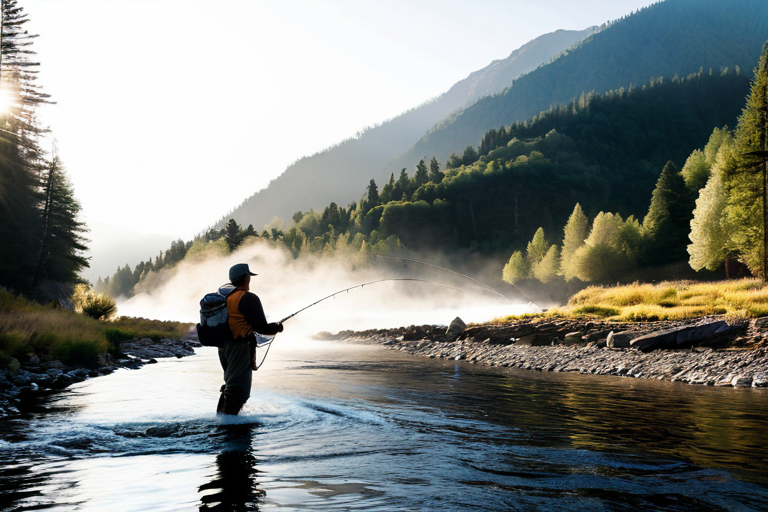
The Art of Drift Fishing: Mastering Current Dynamics for River Success
The Art of Drift Fishing: Mastering Current Dynamics for River Success "The river doesn't fight the current; it uses it. So should the angler." - Traditional fishing wisdom passed down through generations of river guides Drift fishing represents one of the most fundamental yet sophisticated approaches to river angling, where success depends not on fighting the water's flow but on harmonizing with it. Unlike static fishing methods that position bait in one location, drift fishing involves presenting bait or lures in a natural, flowing manner that mimics how food actually moves through river systems. This technique has evolved from ancient subsistence fishing methods into a refined art form practiced by anglers worldwide. Natural presentation is key to successful drift fishing techniques Understanding River Current Dynamics Successful drift fishing begins with reading water currents, a skill that separates novice anglers from seasoned river veterans. According to research published by the American Fisheries Society, river fish position themselves strategically based on current speed, depth, and structure to conserve energy while maximizing feeding opportunities. Key current features every drift angler must recognize include: Seams and Edges: Transition zones between fast and slow water where fish conserve energy while watching for food Pools and Riffles: Deep, slow-moving sections alternating with shallow, faster water that oxygenates the river Current Breaks: Structures like rocks, logs, or undercut banks that create pockets of slower water Convergence Lines: Where two currents meet, often concentrating drifting food items The United States Geological Survey provides detailed current flow data for major river systems, showing how seasonal changes affect water velocity and fish positioning. Spring runoff typically increases current speed, pushing fish toward edges and sheltered areas, while summer low flows concentrate fish in deeper pools and runs. Equipment Selection and Setup Proper equipment configuration is crucial for effective drift fishing. Unlike conventional casting setups, drift fishing gear must balance sensitivity with enough backbone to handle strong currents and potentially large fish. Recommended Drift Fishing Setup Rod Selection: Medium-action rods between 7-9 feet provide the ideal balance of sensitivity for detecting subtle bites and power for controlling fish in current. Longer rods offer better line control and mending ability, crucial for maintaining natural drifts. Reel Considerations: Smooth-drag spinning reels or centerpin reels (traditional drift fishing reels) allow for controlled line release. The International Game Fish Association recommends reels with sealed drag systems for river fishing where water and debris can compromise performance. Line Configuration: Main line between 6-12 lb test with fluorocarbon leaders (4-8 lb test) provides invisibility in clear water while maintaining strength. High-visibility main lines help track drift progress and detect subtle takes. Specialized equipment enhances drift fishing effectiveness Bait and Presentation Techniques The essence of drift fishing lies in presenting bait or lures in the most natural manner possible. Fish in moving water have evolved to recognize and intercept food items drifting with the current, making unnatural presentations immediately suspicious. Natural Bait Drifting Live bait drifting remains one of the most effective techniques for various river species. According to studies referenced by The Wildlife Society, natural bait presentation triggers instinctive feeding responses that artificial lures often cannot replicate. Nightcrawler Drift: Weighted appropriately to bounce along the bottom without snagging, nightcrawlers imitate natural worms washed into the river. The key is maintaining contact with the bottom while allowing natural movement. Minnow Presentation: Hooked through the lips or back, live minnows should swim naturally in the current. Adding split shot 12-18 inches above the bait allows the minnow to swim freely while maintaining depth control. Salmon Egg Clusters: Particularly effective for trout and salmon, egg clusters should drift just above the bottom, occasionally ticking rocks to imitate natural egg dispersal. Artificial Lure Techniques For anglers preferring artificials, several lures excel in drift fishing scenarios: Inline Spinners: Their blade flash and vibration imitate small baitfish. The current provides necessary action with minimal rod movement Soft Plastic Grubs: Jig heads with grub tails drift naturally while providing subtle action that triggers strikes Drift Beads: Specifically designed to imitate salmon eggs, these pass through current seams with perfect natural movement Fly Fishing Nymphs: Weighted flies that sink quickly and drift at precise depths, often with strike indicators for detection Species-Specific Drift Strategies Different river species require tailored drift fishing approaches based on their feeding behaviors and preferred habitats. Trout and Salmon These species often hold in specific lies within the current. According to data from Trout Unlimited, successful trout drifts require precise depth control and natural presentation. Key techniques include: High-stick nymphing with strike indicators Bottom-bouncing bait rigs Dead-drifting streamers through deep pools Smallmouth Bass River smallmouth position near current breaks and structure. Research compiled by BMA shows they respond best to lures that imitate crayfish and baitfish: Tube jigs drifted through rocky areas Grub-tailed jigs along current seams Live minnows presented near submerged logs Walleye and Sauger These bottom-oriented species require precise bottom contact. Techniques documented by state fisheries departments include: Three-way swivel rigs with live bait Bottom-bouncing crankbaits Slow-drifted jig and minnow combinations Advanced Drift Control Techniques Mastering line control separates competent drift anglers from exceptional ones. Several advanced techniques improve drift quality and strike detection: Line Mending This essential skill involves repositioning line on the water's surface to eliminate drag and maintain natural presentation. According to instructional materials from the Orvis Fly Fishing School, proper mending requires understanding how surface currents differ from subsurface flows. Upstream Mend: Flipping line upstream to slow the bait's drift, allowing it to sink deeper or drift more naturally through slower water. Downstream Mend: Pushing line downstream to speed up presentation or avoid obstacles, useful when fishing faster water above slower holding areas. High-Sticking Keeping most of the line off the water minimizes current drag on the line, allowing for more sensitive strike detection and better control over drift path. This technique works particularly well in narrower streams and runs. Swing Drifts Allowing the bait or lure to swing across current seams after the initial drift often triggers strikes from following fish. This technique imitates prey items trying to escape the main current. Reading Water and Seasonal Adjustments Successful drift fishing requires constant adaptation to changing river conditions. Each season presents unique challenges and opportunities: Seasonal Drift Fishing Strategies Spring: Higher, faster water requires heavier weights and shorter drifts. Fish concentrate near banks and behind structure. According to river flow data from the USGS Water Data, spring runoff typically peaks in April-May in northern regions. Summer Lower, clearer water demands lighter presentations and longer leaders. Fish move to deeper pools during daylight, becoming more active at dawn and dusk. Water temperature monitoring becomes crucial. Fall: Cooling water increases fish activity throughout the day. Migratory species move upstream, creating concentrated fishing opportunities. Natural bait presentations excel as fish feed heavily before winter. Winter: In ice-free rivers, fish congregate in the deepest, slowest-moving water. Ultra-slow drifts with small baits work best in cold water conditions. Conservation and Ethical Considerations Responsible drift fishing incorporates conservation practices that ensure sustainable fisheries for future generations. The Catch and Release Foundation provides guidelines specifically for river anglers: Use barbless hooks or crush barbs for easier release Keep fish in water during unhooking whenever possible Use appropriate tackle to land fish quickly, minimizing exhaustion Respect spawning areas and avoid fishing over visible redds (fish nests) Follow local regulations regarding bait restrictions to prevent invasive species spread Ethical practices ensure sustainable river fisheries Common Mistakes and How to Avoid Them Even experienced anglers can fall into patterns that reduce drift fishing effectiveness. Recognizing and correcting these common errors significantly improves success rates: Drag-Induced Unnatural Presentation: When line drag causes bait to move faster or slower than the current, fish recognize the irregularity. Constant mending and proper weight adjustment prevent this issue. Incorrect Weight Selection: Too much weight causes frequent snags and unnatural bouncing; too little fails to reach productive depths. Carry a range of split shot sizes and adjust based on current speed and depth. Poor Strike Detection: Many subtle takes go unnoticed. Using strike indicators, watching line movements, and maintaining slight tension improves detection rates. Fishing Unproductive Water: Not all river sections hold fish. Learning to identify prime holding water saves time and increases catch rates. The Future of Drift Fishing Technological advancements continue to enhance drift fishing while maintaining its traditional essence. According to industry analysis from Fishing Technology Review, several innovations show particular promise for drift anglers: Advanced Sonar Technology: Portable fish finders with side-scan capabilities help identify underwater structure and fish holding positions without disturbing the water. Biodegradable Fishing Line: New formulations break down more quickly if lost, reducing environmental impact while maintaining strength and sensitivity. Current-Sensing Electronics: Devices that measure precise current speed at different depths help anglers select optimal weights and presentation speeds. Virtual Reality Training: Simulators that teach current reading and drift control without requiring river access, particularly valuable for urban anglers. Final Thoughts Drift fishing represents more than just a fishing technique; it's a philosophy of harmonizing with natural water systems. By understanding current dynamics, selecting appropriate equipment, and presenting baits naturally, anglers connect with river ecosystems in profound ways. Whether pursuing trophy trout in mountain streams or smallmouth bass in eastern rivers, mastering drift fishing opens doors to consistent success and deeper appreciation of flowing waters. "The river teaches patience, observation, and adaptation—lessons that extend far beyond fishing."
2026-03-10
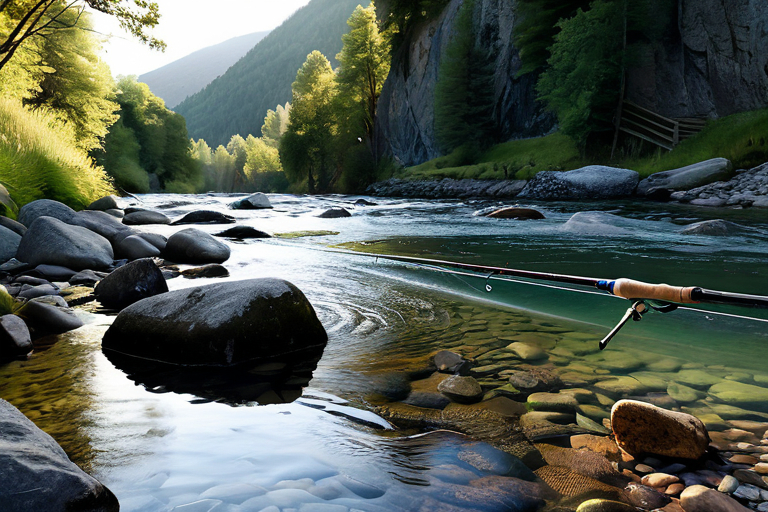
Understanding Fishing Season Start Dates Across Different Regions
When Does Fishing Season Start? A Regional and Species-Specific Guide For anglers, the question "When does fishing season start?" is more than just a calendar query—it's the gateway to planning adventures, preparing gear, and anticipating the thrill of the catch. Unlike a single universal date, fishing seasons vary dramatically based on location, species, regulations, and environmental factors. This guide breaks down the key elements that determine fishing season start dates across North America and beyond, helping you navigate the complexities with confidence. The Factors Influencing Fishing Season Start Dates Fishing seasons are primarily set by regulatory bodies to ensure sustainable fish populations and ecosystem health. According to the U.S. Fish and Wildlife Service, seasons are tailored to species' spawning cycles, water temperatures, and historical catch data. For example, trout seasons often align with cooler spring flows, while bass fishing might kick off earlier in warmer southern states. Regional Breakdown of Fishing Season Starts North America In the United States, seasons differ by state and even by waterbody. For instance, New York's Department of Environmental Conservation typically opens trout season on April 1st, while Florida's bass fishing is year-round with specific size limits. Canada's seasons, managed by Fisheries and Oceans Canada, often start later in northern regions due to ice cover. Europe European fishing seasons are equally diverse. In the UK, coarse fishing seasons generally run from June to March, while salmon seasons vary by river. The European Environment Agency notes that climate change is shifting some traditional start dates, with warmer springs prompting earlier openings. Trout fishing often marks the start of spring seasons in many regions. Species-Specific Season Start Dates Different fish species have unique season timelines. Here are a few common examples: Trout and Salmon: Often start in early spring (March to May) in temperate zones, as noted by Trout Unlimited. Ice-out periods in northern areas can delay openings. Bass (Largemouth and Smallmouth): Seasons frequently begin in late spring or early summer (May to June), with year-round fishing in southern states per Bassmaster guidelines. Saltwater Species (e.g., Tuna, Marlin): Offshore seasons usually start in summer (June to August), influenced by migration patterns as documented by NOAA Fisheries. How to Determine Your Local Fishing Season Start To find exact dates, always consult local authorities. Key resources include: State or provincial wildlife agency websites (e.g., California Department of Fish and Wildlife). Fishing regulation booklets, often available online or at license vendors. Mobile apps like Fishbrain or local angling forums for real-time updates. Pro Tip: Seasons can change annually based on stock assessments and environmental conditions. Always verify dates before heading out, as penalties for fishing out-of-season can be severe. The Impact of Climate and Environment Climate change is increasingly affecting fishing seasons. Warmer winters may lead to earlier ice melts and shifted spawning times, prompting agencies to adjust dates. For example, some Alaskan salmon runs now start weeks earlier than historical averages, as reported by Climate.gov. Anglers should stay informed through scientific updates and adaptive management plans. Saltwater fishing seasons often align with warmer summer months. Planning Your Fishing Trips Around Season Starts Successful angling requires more than just knowing the start date. Consider these steps: • Research Local Regulations: Check for size limits, bag limits, and gear restrictions that accompany season openings. • Monitor Weather and Water Conditions: Early-season fishing can be affected by runoff or temperature swings. • Join Angling Communities: Local clubs or online groups often share insights on the best times to fish post-opening. In summary, the start of fishing season is a dynamic concept shaped by geography, species, and conservation needs. By leveraging authoritative resources and staying adaptable, anglers can maximize their opportunities while supporting sustainable practices. Whether you're chasing trout in a mountain stream or marlin in the open ocean, understanding these timelines is the first cast toward a rewarding experience. Sources: This article draws on information from U.S. Fish and Wildlife Service, NOAA Fisheries, Trout Unlimited, Bassmaster, and other regional agencies. Always confirm details with local authorities before fishing.
2026-03-08