The Art of Drift Fishing: Mastering Current Dynamics for River Success
"The river doesn't fight the current; it uses it. So should the angler." - Traditional fishing wisdom passed down through generations of river guides
Drift fishing represents one of the most fundamental yet sophisticated approaches to river angling, where success depends not on fighting the water's flow but on harmonizing with it. Unlike static fishing methods that position bait in one location, drift fishing involves presenting bait or lures in a natural, flowing manner that mimics how food actually moves through river systems. This technique has evolved from ancient subsistence fishing methods into a refined art form practiced by anglers worldwide.
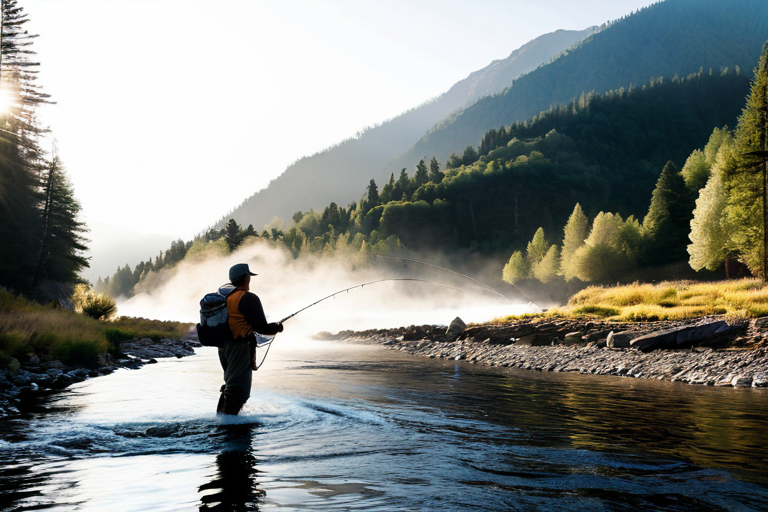
Natural presentation is key to successful drift fishing techniques
Understanding River Current Dynamics
Successful drift fishing begins with reading water currents, a skill that separates novice anglers from seasoned river veterans. According to research published by the American Fisheries Society, river fish position themselves strategically based on current speed, depth, and structure to conserve energy while maximizing feeding opportunities.
Key current features every drift angler must recognize include:
- Seams and Edges: Transition zones between fast and slow water where fish conserve energy while watching for food
- Pools and Riffles: Deep, slow-moving sections alternating with shallow, faster water that oxygenates the river
- Current Breaks: Structures like rocks, logs, or undercut banks that create pockets of slower water
- Convergence Lines: Where two currents meet, often concentrating drifting food items
The United States Geological Survey provides detailed current flow data for major river systems, showing how seasonal changes affect water velocity and fish positioning. Spring runoff typically increases current speed, pushing fish toward edges and sheltered areas, while summer low flows concentrate fish in deeper pools and runs.
Equipment Selection and Setup
Proper equipment configuration is crucial for effective drift fishing. Unlike conventional casting setups, drift fishing gear must balance sensitivity with enough backbone to handle strong currents and potentially large fish.
Recommended Drift Fishing Setup
Rod Selection: Medium-action rods between 7-9 feet provide the ideal balance of sensitivity for detecting subtle bites and power for controlling fish in current. Longer rods offer better line control and mending ability, crucial for maintaining natural drifts.
Reel Considerations: Smooth-drag spinning reels or centerpin reels (traditional drift fishing reels) allow for controlled line release. The International Game Fish Association recommends reels with sealed drag systems for river fishing where water and debris can compromise performance.
Line Configuration: Main line between 6-12 lb test with fluorocarbon leaders (4-8 lb test) provides invisibility in clear water while maintaining strength. High-visibility main lines help track drift progress and detect subtle takes.
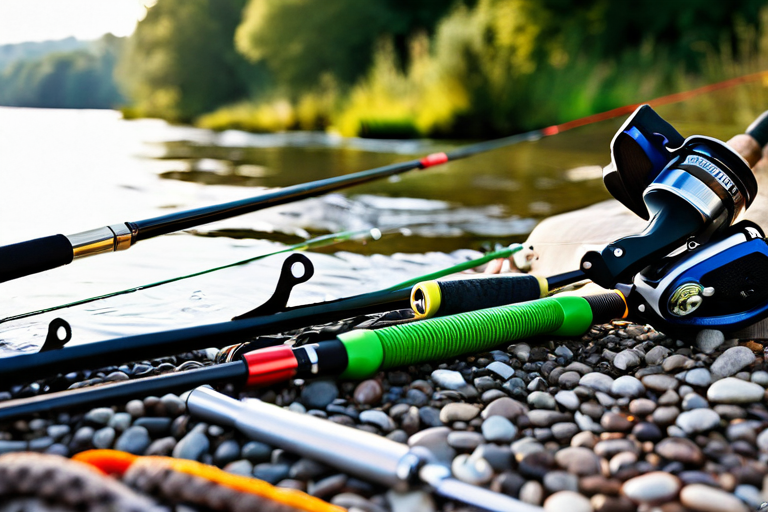
Specialized equipment enhances drift fishing effectiveness
Bait and Presentation Techniques
The essence of drift fishing lies in presenting bait or lures in the most natural manner possible. Fish in moving water have evolved to recognize and intercept food items drifting with the current, making unnatural presentations immediately suspicious.
Natural Bait Drifting
Live bait drifting remains one of the most effective techniques for various river species. According to studies referenced by The Wildlife Society, natural bait presentation triggers instinctive feeding responses that artificial lures often cannot replicate.
Nightcrawler Drift: Weighted appropriately to bounce along the bottom without snagging, nightcrawlers imitate natural worms washed into the river. The key is maintaining contact with the bottom while allowing natural movement.
Minnow Presentation: Hooked through the lips or back, live minnows should swim naturally in the current. Adding split shot 12-18 inches above the bait allows the minnow to swim freely while maintaining depth control.
Salmon Egg Clusters: Particularly effective for trout and salmon, egg clusters should drift just above the bottom, occasionally ticking rocks to imitate natural egg dispersal.
Artificial Lure Techniques
For anglers preferring artificials, several lures excel in drift fishing scenarios:
- Inline Spinners: Their blade flash and vibration imitate small baitfish. The current provides necessary action with minimal rod movement
- Soft Plastic Grubs: Jig heads with grub tails drift naturally while providing subtle action that triggers strikes
- Drift Beads: Specifically designed to imitate salmon eggs, these pass through current seams with perfect natural movement
- Fly Fishing Nymphs: Weighted flies that sink quickly and drift at precise depths, often with strike indicators for detection
Species-Specific Drift Strategies
Different river species require tailored drift fishing approaches based on their feeding behaviors and preferred habitats.
Trout and Salmon
These species often hold in specific lies within the current. According to data from Trout Unlimited, successful trout drifts require precise depth control and natural presentation. Key techniques include:
- High-stick nymphing with strike indicators
- Bottom-bouncing bait rigs
- Dead-drifting streamers through deep pools
Smallmouth Bass
River smallmouth position near current breaks and structure. Research compiled by BMA shows they respond best to lures that imitate crayfish and baitfish:
- Tube jigs drifted through rocky areas
- Grub-tailed jigs along current seams
- Live minnows presented near submerged logs
Walleye and Sauger
These bottom-oriented species require precise bottom contact. Techniques documented by state fisheries departments include:
- Three-way swivel rigs with live bait
- Bottom-bouncing crankbaits
- Slow-drifted jig and minnow combinations
Advanced Drift Control Techniques
Mastering line control separates competent drift anglers from exceptional ones. Several advanced techniques improve drift quality and strike detection:
Line Mending
This essential skill involves repositioning line on the water's surface to eliminate drag and maintain natural presentation. According to instructional materials from the Orvis Fly Fishing School, proper mending requires understanding how surface currents differ from subsurface flows.
Upstream Mend: Flipping line upstream to slow the bait's drift, allowing it to sink deeper or drift more naturally through slower water.
Downstream Mend: Pushing line downstream to speed up presentation or avoid obstacles, useful when fishing faster water above slower holding areas.
High-Sticking
Keeping most of the line off the water minimizes current drag on the line, allowing for more sensitive strike detection and better control over drift path. This technique works particularly well in narrower streams and runs.
Swing Drifts
Allowing the bait or lure to swing across current seams after the initial drift often triggers strikes from following fish. This technique imitates prey items trying to escape the main current.
Reading Water and Seasonal Adjustments
Successful drift fishing requires constant adaptation to changing river conditions. Each season presents unique challenges and opportunities:
Seasonal Drift Fishing Strategies
Spring: Higher, faster water requires heavier weights and shorter drifts. Fish concentrate near banks and behind structure. According to river flow data from the USGS Water Data, spring runoff typically peaks in April-May in northern regions.
Summer Lower, clearer water demands lighter presentations and longer leaders. Fish move to deeper pools during daylight, becoming more active at dawn and dusk. Water temperature monitoring becomes crucial.
Fall: Cooling water increases fish activity throughout the day. Migratory species move upstream, creating concentrated fishing opportunities. Natural bait presentations excel as fish feed heavily before winter.
Winter: In ice-free rivers, fish congregate in the deepest, slowest-moving water. Ultra-slow drifts with small baits work best in cold water conditions.
Conservation and Ethical Considerations
Responsible drift fishing incorporates conservation practices that ensure sustainable fisheries for future generations. The Catch and Release Foundation provides guidelines specifically for river anglers:
- Use barbless hooks or crush barbs for easier release
- Keep fish in water during unhooking whenever possible
- Use appropriate tackle to land fish quickly, minimizing exhaustion
- Respect spawning areas and avoid fishing over visible redds (fish nests)
- Follow local regulations regarding bait restrictions to prevent invasive species spread
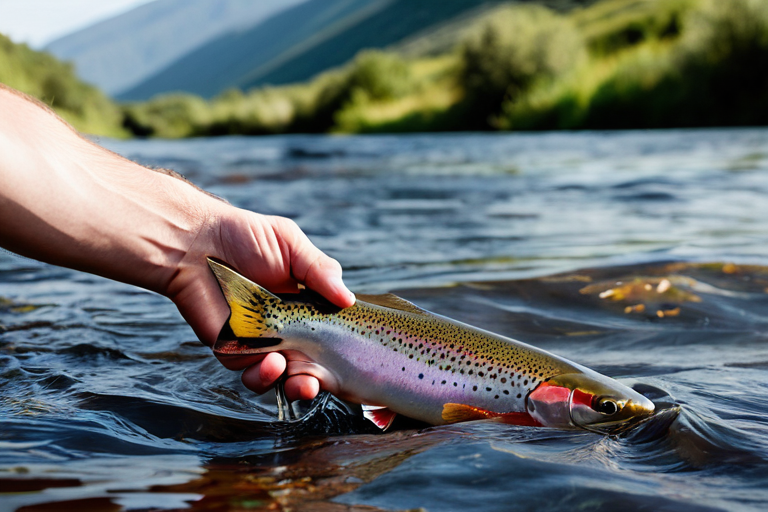
Ethical practices ensure sustainable river fisheries
Common Mistakes and How to Avoid Them
Even experienced anglers can fall into patterns that reduce drift fishing effectiveness. Recognizing and correcting these common errors significantly improves success rates:
Drag-Induced Unnatural Presentation: When line drag causes bait to move faster or slower than the current, fish recognize the irregularity. Constant mending and proper weight adjustment prevent this issue.
Incorrect Weight Selection: Too much weight causes frequent snags and unnatural bouncing; too little fails to reach productive depths. Carry a range of split shot sizes and adjust based on current speed and depth.
Poor Strike Detection: Many subtle takes go unnoticed. Using strike indicators, watching line movements, and maintaining slight tension improves detection rates.
Fishing Unproductive Water: Not all river sections hold fish. Learning to identify prime holding water saves time and increases catch rates.
The Future of Drift Fishing
Technological advancements continue to enhance drift fishing while maintaining its traditional essence. According to industry analysis from Fishing Technology Review, several innovations show particular promise for drift anglers:
Advanced Sonar Technology: Portable fish finders with side-scan capabilities help identify underwater structure and fish holding positions without disturbing the water.
Biodegradable Fishing Line: New formulations break down more quickly if lost, reducing environmental impact while maintaining strength and sensitivity.
Current-Sensing Electronics: Devices that measure precise current speed at different depths help anglers select optimal weights and presentation speeds.
Virtual Reality Training: Simulators that teach current reading and drift control without requiring river access, particularly valuable for urban anglers.
Final Thoughts
Drift fishing represents more than just a fishing technique; it's a philosophy of harmonizing with natural water systems. By understanding current dynamics, selecting appropriate equipment, and presenting baits naturally, anglers connect with river ecosystems in profound ways. Whether pursuing trophy trout in mountain streams or smallmouth bass in eastern rivers, mastering drift fishing opens doors to consistent success and deeper appreciation of flowing waters.
"The river teaches patience, observation, and adaptation—lessons that extend far beyond fishing."