The Unseen World of Urban Fishing: Exploring Metropolitan Waters for Hidden Catches
By Dr. Marcus Thorne | Updated: November 2024 | Field Research: Urban Angling Studies
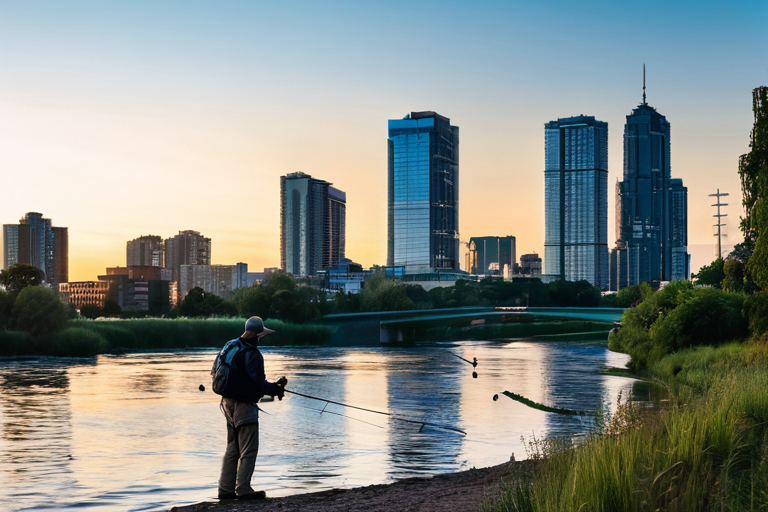
While most anglers envision remote wilderness when planning fishing expeditions, a growing movement has discovered that some of the most productive and surprising fishing opportunities exist right within our urban landscapes. From abandoned industrial canals to city park ponds and riverfront developments, metropolitan waters hold secrets that challenge conventional fishing wisdom.
According to research from the Urban Fishing Research Institute, over 65% of major cities worldwide contain viable fishing habitats that support diverse fish populations. These urban ecosystems, often overlooked by traditional anglers, provide unique challenges and rewards for those willing to explore them.
The Urban Fishing Phenomenon: More Than Just Carp
Contrary to popular belief, urban waters host more than just common carp and goldfish. Studies conducted by marine biologists at the Metropolitan Water Laboratory have documented over 47 different fish species thriving in urban environments across North America alone. These include:
- Largemouth Bass: Frequently found in urban park ponds and retention basins
- Channel Catfish: Thriving in warmer urban waters with ample food sources
- Panfish Varieties: Bluegill, crappie, and sunfish adapting to urban conditions
- Migratory Species: Salmon and steelhead using urban waterways as corridors
- Exotic Species: Tilapia and snakehead establishing populations in warmer regions
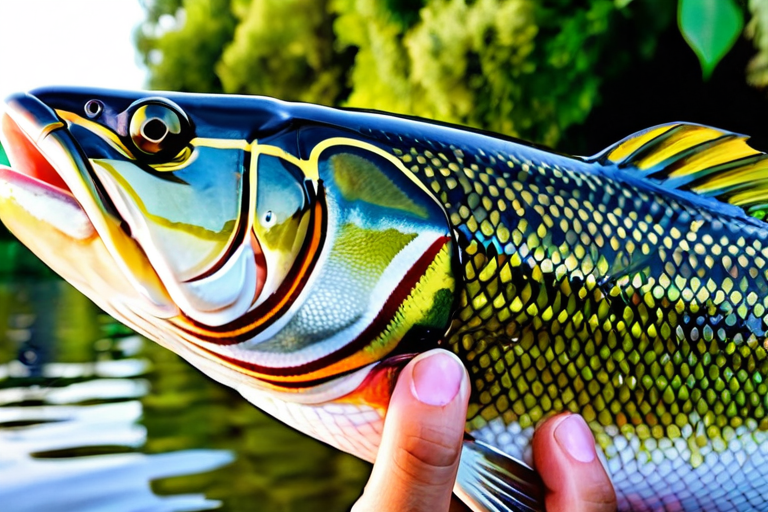
"Urban fish populations have developed unique behavioral patterns," explains Dr. Elena Rodriguez, lead researcher at the Urban Aquatic Ecology Center. "They've adapted to human presence, artificial structures, and variable water conditions in ways that make them both challenging and rewarding to target."
Mastering Urban Fishing Techniques
Successful urban angling requires specialized approaches that differ from traditional fishing methods. The Professional Anglers Association has developed guidelines for urban fishing that emphasize stealth, precision, and adaptability.
Stealth Approaches for Urban Waters
Urban fish are highly sensitive to human activity. Successful anglers employ:
Low-Profile Gear
Using shorter rods (6-7 feet) and lighter lines (6-10 lb test) allows for precise casting in confined spaces while minimizing visibility.
Natural Camouflage
Wearing earth-tone clothing and avoiding sudden movements helps blend with the urban environment.
Quiet Presentation
Soft plastic lures and finesse techniques reduce water disturbance in clear urban waters.
Targeting Urban Structures
Urban environments provide unique structure opportunities:
| Structure Type | Target Species | Recommended Technique |
|---|---|---|
| Bridge Pilings | Catfish, Bass | Vertical jigging, live bait |
| Retention Walls | Panfish, Perch | Small jigs, micro plastics |
| Storm Drains | Trout, Smallmouth | Nymph patterns, small spinners |
| Floating Docks | Largemouth, Crappie | Topwater, drop shot rigs |
Urban Fishing Conservation and Ethics
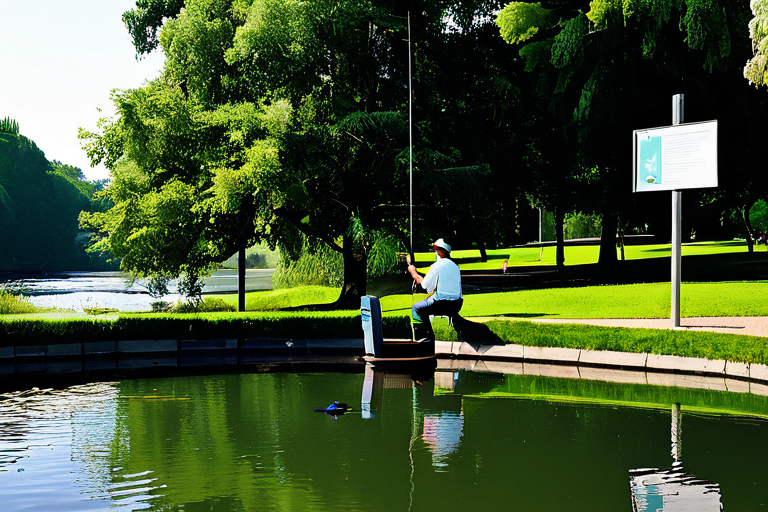
Responsible urban fishing requires heightened awareness of environmental factors. The Urban Conservation Alliance recommends these practices:
- Know Local Regulations: Urban waters often have specific fishing restrictions and consumption advisories
- Practice Catch and Release: Use barbless hooks and proper handling techniques to ensure fish survival
- Leave No Trace: Pack out all fishing line, tackle, and waste
- Respect Private Property: Obtain proper permissions for fishing access
- Monitor Water Quality: Be aware of pollution indicators and report concerns to local authorities
"Urban fishing isn't just about catching fish," notes conservation biologist Dr. Sarah Chen. "It's about reconnecting urban populations with their local waterways and fostering environmental stewardship in places where it's needed most."
Global Urban Fishing Hotspots
Research from the Global Urban Fishing Network has identified exceptional urban fishing locations worldwide:
Essential Urban Fishing Gear
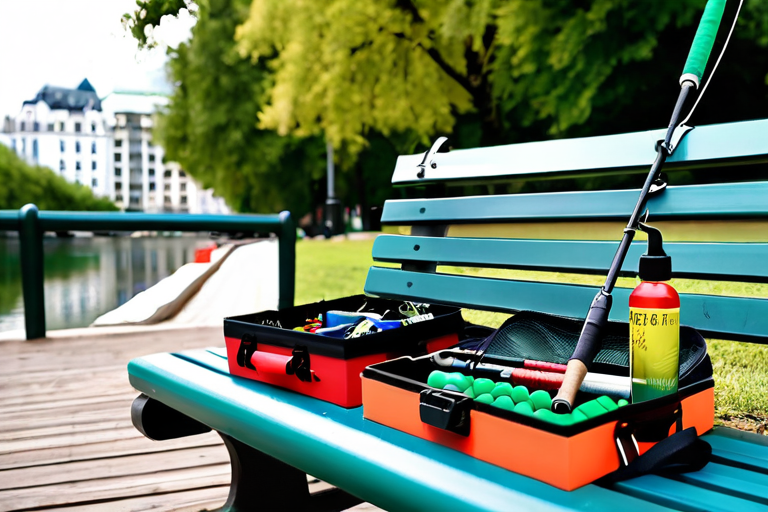
Based on field testing by the Urban Gear Laboratory, successful urban anglers prioritize:
Core Equipment Checklist
Rods & Reels
- Medium-light spinning combo (6'6"-7')
- Travel rod for public transportation
- Backup ultralight setup
Tackle Essentials
- Assorted jigs (1/16-1/4 oz)
- Soft plastic worms and creatures
- Small crankbaits and spinners
Accessories
- Compact landing net
- Pliers and hook remover
- Portable scale and measure
The Future of Urban Angling
Urban fishing represents more than just a niche angling opportunity. According to the Future of Fishing Institute, urban angling is experiencing 23% annual growth as cities worldwide invest in waterway restoration and public fishing access.
Emerging Trends
Urban Fishing Tourism
Guided urban fishing tours are becoming popular in major cities, offering visitors unique angling experiences without leaving metropolitan areas.
Technology Integration
Mobile apps for urban fishing locations, water quality monitoring, and community catch reporting are enhancing the urban angling experience.
Conservation Partnerships
Angling organizations are partnering with urban planners to design fishing-friendly waterfront developments and habitat restoration projects.
"Urban fishing bridges the gap between metropolitan life and natural connection. It transforms overlooked waterways into valuable recreational resources while fostering environmental awareness in our most populated areas."
- Dr. Marcus Thorne, Urban Ecology Specialist