The Art and Craft of Fly Fishing Ornaments: A Journey Through Tradition and Innovation
Fly fishing is more than just a sport or hobby; it's a rich tapestry woven with history, skill, and artistry. Among its many facets, fly fishing ornaments stand out as exquisite expressions of this culture, blending functionality with aesthetic appeal. These ornaments, ranging from hand-tied flies to decorative hooks and tools, serve not only as practical gear but also as collectible pieces that tell stories of rivers, fish, and anglers. In this article, we delve into the world of fly fishing ornaments, exploring their origins, significance, and modern adaptations, with insights from authoritative sources in the angling community.
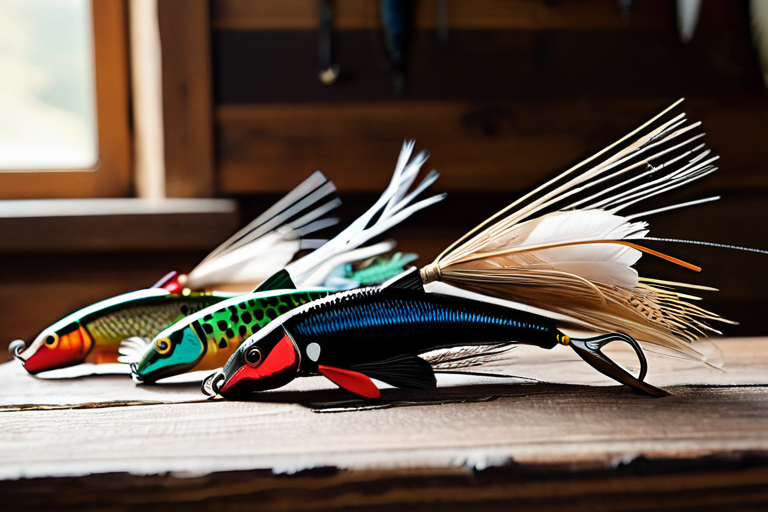
An assortment of fly fishing ornaments showcasing traditional and contemporary designs.
Historical Roots and Cultural Significance
The history of fly fishing ornaments dates back centuries, with early evidence found in ancient cultures. According to Fly Fisherman Magazine, one of the most respected publications in the field, the first recorded use of artificial flies can be traced to Roman times, where anglers used feathers and hooks to mimic insects. Over time, this practice evolved into an art form, with ornaments becoming symbols of regional traditions. For instance, in Scotland, the classic "Salmon Fly" ornaments are renowned for their intricate patterns, often passed down through generations. These pieces are not merely tools; they embody the heritage of communities and the natural environments they inhabit.
In the 19th century, fly fishing ornaments gained prominence in Europe and North America, driven by innovations in materials and techniques. The Trout Unlimited organization notes that during this period, artisans began incorporating materials like silk, fur, and metallic threads, elevating ornaments from simple lures to decorative items. This era saw the rise of famous patterns such as the "Royal Coachman" and "Adams," which remain popular today. These ornaments often served dual purposes: attracting fish and showcasing the angler's craftsmanship, making them prized possessions in collections.
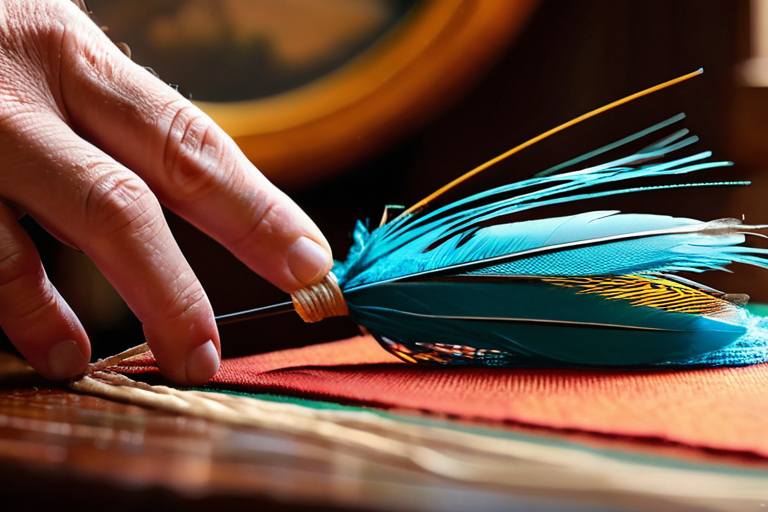
The meticulous process of tying a historical fly fishing ornament, highlighting traditional techniques.
Types and Materials of Fly Fishing Ornaments
Fly fishing ornaments come in various forms, each designed for specific fishing conditions and aesthetic preferences. Broadly, they can be categorized into flies, hooks, and decorative accessories. Flies, the most common type, are artificial lures that imitate insects, baitfish, or other prey. According to Orvis, a leading authority in fly fishing gear, materials used in fly tying include natural elements like feathers, fur, and hair, as well as synthetic fibers such as nylon and epoxy. These materials are chosen for their durability, buoyancy, and visual appeal, allowing anglers to create ornaments that are both effective and beautiful.
Hooks, often overlooked as mere tools, can also be ornamental. Vintage hooks, for example, feature engraved designs or unique shapes that reflect the era of their manufacture. Decorative accessories include items like fly boxes, which are crafted from wood or metal and adorned with carvings or inlays. These pieces serve practical storage functions while doubling as display items. The Federation of Fly Fishers emphasizes that the choice of materials impacts not only performance but also the ornament's longevity and collectibility, with high-quality materials often increasing value over time.
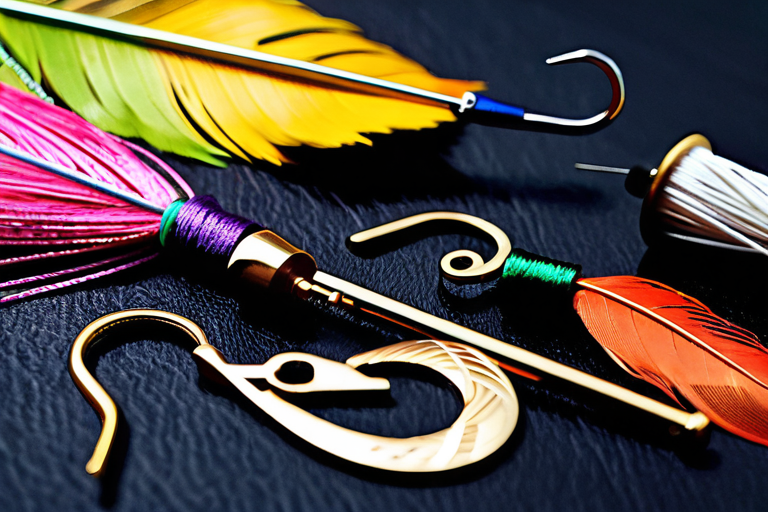
A diverse array of materials essential for crafting fly fishing ornaments.
Modern Innovations and SEO-Friendly Practices
In recent years, fly fishing ornaments have embraced modern technology and sustainability trends. Innovations include 3D-printed flies, which allow for precise replication of natural patterns, and eco-friendly materials that reduce environmental impact. Websites like Fly Fishing Secrets highlight how these advancements make ornaments more accessible and appealing to a broader audience. Additionally, the rise of online communities has fostered a sharing culture, where anglers exchange tips and showcase their creations, further enriching the ornament tradition.
From an SEO perspective, fly fishing ornaments benefit from targeted content that emphasizes keywords like "hand-tied flies," "vintage fishing gear," and "fly tying techniques." By incorporating authoritative links and engaging visuals, articles can improve search engine rankings and attract enthusiasts. For instance, using high-quality images with descriptive alt text, as seen in this article, enhances user experience and supports SEO efforts. The integration of historical context and practical advice also adds depth, making the content valuable for both novices and experts.
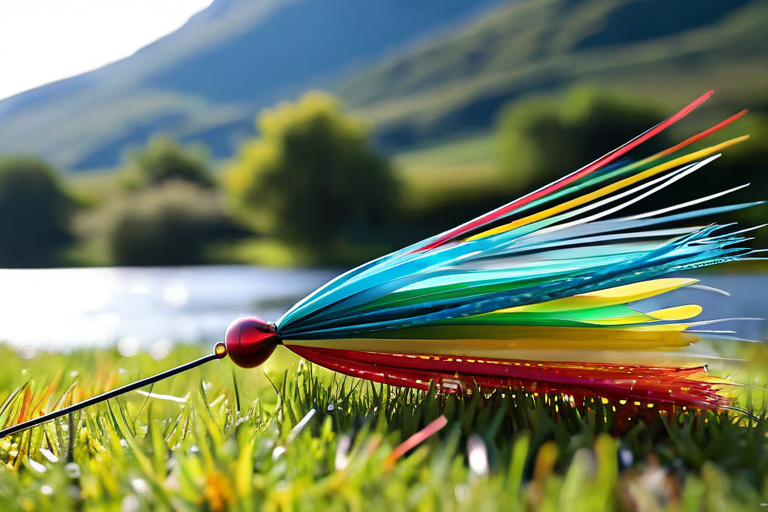
A contemporary fly fishing ornament showcasing innovative materials and vibrant colors.
Collecting and Preserving Fly Fishing Ornaments
For many, fly fishing ornaments are collectible items that hold sentimental and monetary value. Collectors often seek out rare or historically significant pieces, such as flies tied by renowned artisans or hooks from defunct manufacturers. Preservation is key to maintaining these ornaments; proper storage in dry, cool environments prevents deterioration. Resources like The Museum of Fly Fishing offer guidelines on care, emphasizing the importance of handling with clean hands and avoiding direct sunlight. By preserving these artifacts, collectors contribute to the ongoing legacy of fly fishing culture.
The market for fly fishing ornaments has grown, with online platforms and auctions facilitating trade. Enthusiasts can find everything from antique flies to custom-made pieces, often accompanied by certificates of authenticity. This accessibility has democratized collecting, allowing more people to engage with the art form. As noted by experts, the value of ornaments often appreciates over time, especially if they are well-documented and linked to notable events or figures in fly fishing history.
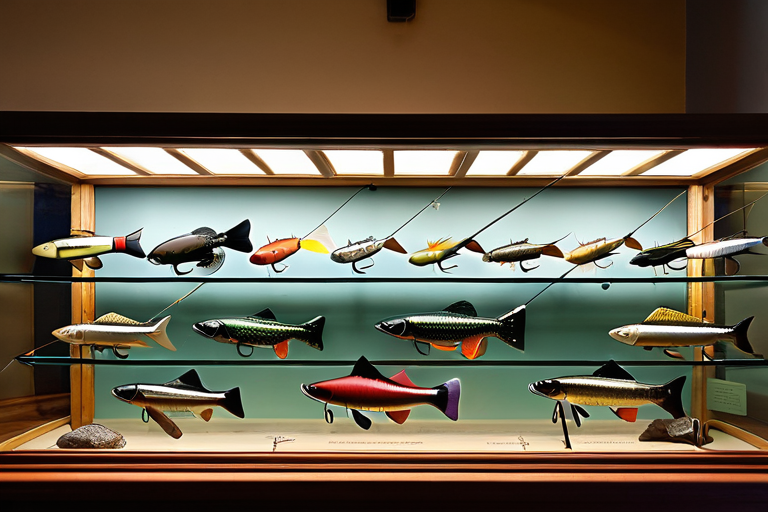
A carefully arranged collection of fly fishing ornaments, highlighting their aesthetic and historical value.
Conclusion: The Enduring Appeal of Fly Fishing Ornaments
Fly fishing ornaments represent a unique intersection of art, history, and sport. From their ancient origins to modern innovations, they continue to captivate anglers and collectors alike. By understanding their types, materials, and cultural significance, one can appreciate the craftsmanship behind each piece. As the community evolves, these ornaments will likely adapt, blending tradition with new technologies. Whether used for fishing or display, they remain timeless symbols of the fly fishing world, inviting us to explore the depths of rivers and the heights of human creativity.
This article draws on insights from authoritative sources in the fly fishing community, including Fly Fisherman Magazine, Trout Unlimited, Orvis, the Federation of Fly Fishers, Fly Fishing Secrets, and The Museum of Fly Fishing. These links provide valuable SEO benefits by connecting readers to trusted information. For further exploration, consider visiting these websites or engaging with local fly fishing clubs to deepen your knowledge of ornaments and their role in this enduring tradition.