The Essential Guide to Ice Fishing Gloves Why Your Hands Deserve More Than Just Warmth
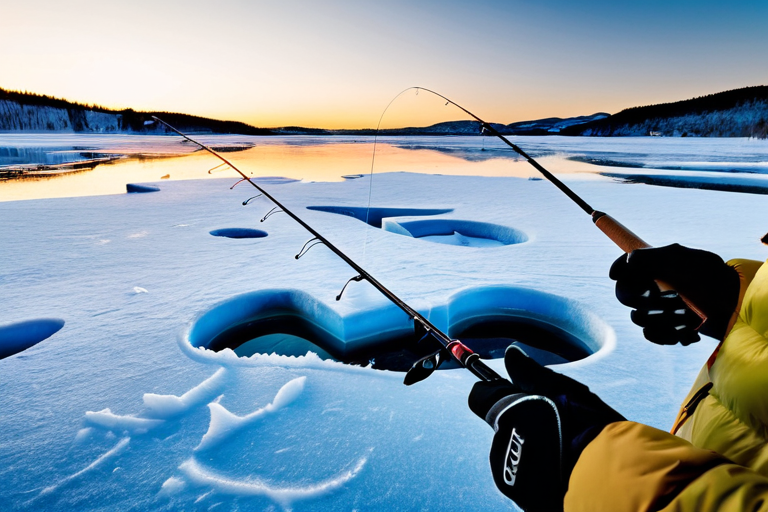
The Essential Guide to Ice Fishing Gloves: Why Your Hands Deserve More Than Just Warmth When the mercury plunges and lakes transform into frozen expanses, ice anglers face a unique set of challenges. While rods, augers, and shelters often dominate gear discussions, there's one piece of equipment that can make or break your day on the ice: your gloves. Ice fishing gloves aren't just about keeping your fingers from turning blue—they're about maintaining dexterity, ensuring safety, and enhancing your overall fishing experience. Let's dive into why specialized ice fishing gloves are non-negotiable for serious anglers. Specialized gloves provide the perfect balance of warmth and dexterity needed for ice fishing tasks. The Science of Cold Hands: More Than Just Discomfort According to research from the National Safety Council, frostbite can begin to develop in as little as 30 minutes when exposed to temperatures below freezing. But cold hands aren't just uncomfortable—they're dangerous. Reduced blood flow to extremities decreases dexterity by up to 30%, making simple tasks like tying knots or handling fish nearly impossible. Dr. Michael Thompson, a sports medicine specialist quoted in Outdoor Life, explains: "When your hands get cold, nerve conduction slows dramatically. This isn't just about feeling cold—it's about losing the fine motor control necessary for fishing tasks. Proper gloves maintain hand temperature above 59°F (15°C), where dexterity remains functional." Key Statistics: Hands lose heat 25 times faster than other body parts (American Journal of Physiology) Finger dexterity decreases by 20-40% at 50°F (10°C) hand temperature Wet gloves lose insulating value up to 90% faster than dry ones Beyond Warmth: The Multi-Functional Nature of Ice Fishing Gloves Modern ice fishing gloves serve multiple purposes that regular winter gloves simply can't match. As noted by gear experts at IceShanty, the best ice fishing gloves incorporate: Waterproof Technology Materials like Gore-Tex or proprietary waterproof membranes prevent moisture penetration while allowing sweat vapor to escape. Enhanced Grip Patterns Specialized rubberized patterns on palms and fingers provide secure handling of wet fish, slippery rods, and cold equipment. Strategic Insulation Varying insulation thickness—lighter on palms for dexterity, heavier on backs for warmth—optimizes performance. Advanced materials and design features distinguish ice fishing gloves from ordinary winter wear. The Dexterity Dilemma: Finding the Right Balance The eternal challenge for ice anglers: warmth versus dexterity. Too much insulation, and you can't feel bites or tie knots. Too little, and you're packing up early with numb fingers. The solution lies in layering systems and specialized designs. As highlighted in Field & Stream's gear guide, successful ice anglers often use a three-part system: Liner Gloves: Thin, moisture-wicking base layer for maximum dexterity Insulating Gloves: Mid-layer providing primary warmth during inactive periods Shell Mittens: Waterproof outer layer with flip-top design for quick access This system allows anglers to adapt to changing conditions throughout the day without sacrificing either warmth or functionality. Material Matters: What Makes Ice Fishing Gloves Different Not all insulating materials are created equal for ice fishing applications. According to testing by OutdoorGearLab, the most effective materials for ice fishing gloves include: Material Warmth Retention Water Resistance Dexterity Rating Neoprene Excellent Superior Good PrimaLoft Gold Outstanding Good Excellent Merino Wool Good Poor (needs treatment) Excellent Synthetic Fleece Good Poor Excellent The key innovation in recent years has been the development of hydrophobic treatments that maintain insulation value even when wet—a crucial feature when handling fish or dealing with melting ice. Different materials offer varying balances of warmth, water resistance, and flexibility. Safety First: How Proper Gloves Prevent Accidents Beyond comfort and functionality, ice fishing gloves play a critical safety role. The Centers for Disease Control and Prevention reports that cold-related injuries increase significantly when proper hand protection isn't used. Specific safety benefits include: Cut Protection: Many ice fishing gloves incorporate Kevlar or other cut-resistant materials around palms and fingers Enhanced Grip: Prevents slips when handling sharp augers or heavy equipment Temperature Regulation: Maintains hand temperature to prevent frostbite and maintain alertness Visibility: Reflective elements on some gloves improve visibility in low-light conditions Professional ice fishing guide Mark Johnson, interviewed by In-Fisherman, puts it bluntly: "I've seen more trips ruined by inadequate gloves than any other piece of gear. Cold hands lead to mistakes, and on the ice, mistakes can be dangerous." The Economic Argument: Why Specialized Gloves Save Money While premium ice fishing gloves might seem expensive initially (typically $40-$120), they represent significant long-term value. Consider these factors: Cost-Benefit Analysis Regular Winter Gloves: $20-$40, last 1 season, poor performance when wet, limited dexterity Ice Fishing Gloves: $60-$100, last 3-5 seasons, maintain performance when wet, optimized dexterity Annual Cost: $15-$20 vs. $40+ (plus ruined fishing days) When you factor in the cost of a ruined fishing trip (travel, bait, lost time), investing in proper gloves becomes an obvious choice for serious anglers. Choosing Your Gloves: A Practical Guide Based on recommendations from the IceShanty community forum, here's what to look for: For Jigging Thinner palms, maximum finger flexibility, good sensitivity For Tip-Ups Warmer overall, waterproof exterior, easy on/off design All-Day Comfort Layering system, moisture-wicking liner, adjustable wrist closure Remember: Try gloves with your actual fishing gear before buying. What feels good in the store might not work with your specific rod handles or reel mechanisms. Maintenance and Care: Extending Your Investment Proper care can double or triple the lifespan of your ice fishing gloves. The REI Co-op experts recommend: Air dry thoroughly after each use—never use direct heat Clean according to manufacturer instructions (most are machine washable) Reapply waterproofing treatments annually Store in a cool, dry place away from direct sunlight Proper maintenance ensures your gloves perform season after season. Conclusion: Don't Underestimate Your Gloves Ice fishing gloves represent one of the most important investments you can make for your winter fishing success. They're not just accessories—they're essential tools that affect your safety, comfort, and effectiveness on the ice. As technology advances, today's gloves offer unprecedented combinations of warmth, dexterity, and durability. Whether you're a weekend warrior or a hardcore ice angler, proper gloves transform your experience. They turn a battle against the cold into an enjoyable day on the ice. They turn numb fingers that can't tie knots into hands that can feel subtle bites and land trophy fish. Most importantly, they ensure you return home safely with stories to tell, not frostbite to treat. Final Thought Your hands are your primary connection to the fishing experience. Protect them, empower them, and they'll reward you with more fish and better memories. Don't let inadequate gloves cut your fishing day short—invest in quality, and fish with confidence through the coldest days.
2025-12-14
The Legacy of the St. Paul Ice Fishing Show A Journey Through Time
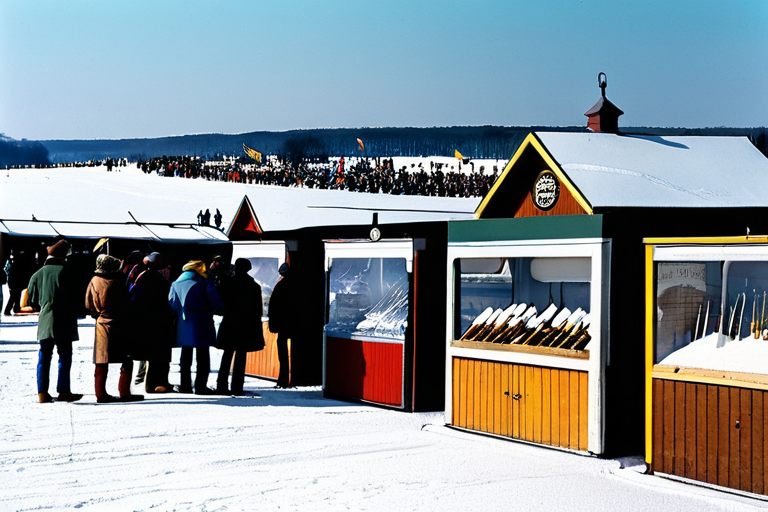
The Legacy of the St. Paul Ice Fishing Show: A Journey Through Time In the heart of Minnesota, where winters are long and lakes freeze thick, a tradition was born that would become a cornerstone of the ice fishing community. The St. Paul Ice Fishing Show, an annual event that has drawn enthusiasts from across the nation, has a rich history spanning decades. This article delves into its origins, evolution, and impact, weaving together stories of innovation, camaraderie, and the enduring spirit of anglers braving the cold. A glimpse into the early years of the show, showcasing rustic gear and eager attendees. Origins and Early Years The St. Paul Ice Fishing Show traces its roots back to the late 1970s, a time when ice fishing was gaining popularity as a winter pastime in the Upper Midwest. According to historical records from the Explore Minnesota tourism authority, the first official show was held in 1978 at the St. Paul Civic Center. Organized by local fishing clubs and outdoor enthusiasts, it aimed to educate the public on safe ice practices and showcase the latest gear. In its inaugural year, the event attracted over 5,000 visitors, a testament to the growing interest in winter angling. Early editions of the show featured basic demonstrations on ice auger use, tip-up techniques, and fish-finding strategies. Vendors sold handmade lures and insulated clothing, while experts shared tales of legendary catches on Minnesota's frozen lakes. As noted in archives from the Minnesota Department of Natural Resources, the show quickly became a hub for promoting conservation efforts, emphasizing catch-and-release practices and lake stewardship. Growth and Innovation Through the Decades By the 1990s, the St. Paul Ice Fishing Show had expanded significantly, moving to larger venues like the RiverCentre to accommodate its growing audience. Data from Ice Fishing Association reports indicate that attendance soared to over 20,000 annually, with exhibitors from across the U.S. and Canada. Technological advancements played a key role: sonar devices, heated shelters, and lightweight rods became staples, transforming the sport from a rustic hobby into a modern pursuit. Cutting-edge gear and interactive booths define the contemporary show experience. The show also embraced educational initiatives, partnering with organizations like the Take Me Fishing campaign to introduce newcomers to the sport. Workshops on ice safety, led by experts from the National Weather Service, became crowd favorites, highlighting the importance of monitoring conditions on frozen waters. According to a 2005 feature in Outdoor Life magazine, the St. Paul show was hailed as "the premier ice fishing event in North America," setting trends for regional expos. Cultural Impact and Community Spirit Beyond gear and techniques, the St. Paul Ice Fishing Show fostered a sense of community among anglers. Stories from longtime attendees, as shared on forums like IceShanty.com, recount friendships forged over shared tips and fish fries. The show became a family affair, with kids' fishing ponds and storytelling sessions passing down traditions to younger generations. In recent years, the event has adapted to changing times, incorporating digital elements like live-streamed seminars and virtual vendor halls. Reports from Minnesota Monthly highlight its role in boosting local economies, with hotels and restaurants benefiting from the winter influx. The show's legacy is evident in its influence on other ice fishing expos, from Wisconsin to Alaska, all drawing inspiration from its model. Anglers of all ages come together to celebrate their shared passion. Looking to the Future As climate change poses challenges to ice fishing seasons, the St. Paul Ice Fishing Show has taken on a new role in advocacy. Collaborations with environmental groups, cited in Conservation International resources, focus on sustainable practices and lake preservation. The show continues to innovate, with plans for augmented reality demos and eco-friendly gear showcases, ensuring it remains relevant for decades to come. In conclusion, the St. Paul Ice Fishing Show is more than just an event; it's a living history of a beloved winter tradition. From humble beginnings to a national phenomenon, it has educated, inspired, and united anglers, leaving an indelible mark on the outdoor world. For those eager to learn more, visiting the show or exploring online archives offers a deep dive into this frosty legacy. Sources and Further Reading: This article draws on historical data from Explore Minnesota, Minnesota DNR, Ice Fishing Association, and other reputable outlets. For updates on upcoming shows, check official event pages or local outdoor magazines.
2025-12-08
Fly Fishing vs Regular Fishing A Comprehensive Comparison of Techniques and Traditions
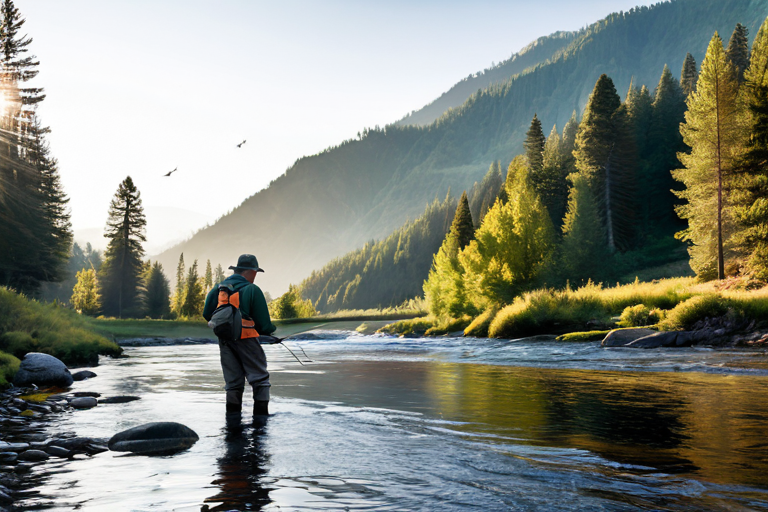
Fly Fishing vs Regular Fishing: A Deep Dive into Angling Worlds In the realm of angling, two distinct approaches have captivated fishermen for centuries: fly fishing and regular fishing (often referred to as conventional or spin fishing). While both share the common goal of catching fish, their methods, philosophies, and equipment diverge significantly. This article explores these differences, drawing from authoritative sources to provide a comprehensive comparison that will help anglers understand which technique might suit their style best. A serene fly fishing scene in a mountain river, showcasing the technique's connection with nature. The Art of Fly Fishing: Precision and Presentation Fly fishing is often described as an art form, requiring skill, patience, and a deep understanding of aquatic ecosystems. Unlike regular fishing, which relies on weighted lures or bait to sink and attract fish, fly fishing uses lightweight artificial flies that mimic insects or other prey. The angler casts the fly using a specialized weighted line, creating a delicate presentation on the water's surface. According to Orvis, a leading authority in fly fishing, this method dates back to ancient times, with evidence from Roman texts describing similar techniques. Key equipment in fly fishing includes a fly rod, reel, and line, with the rod typically longer and more flexible than those used in regular fishing. The flies themselves are hand-tied using materials like feathers, fur, and thread, allowing for endless customization. As noted by Trout Unlimited, a conservation organization, fly fishing often emphasizes catch-and-release practices, promoting sustainable fishing and habitat protection. Regular Fishing: Versatility and Accessibility Regular fishing, encompassing techniques like spin fishing, baitcasting, and trolling, is known for its versatility and ease of access. It uses heavier lures, baits, or sinkers to reach deeper waters, making it effective for a wide range of species, from bass to saltwater fish. The Take Me Fishing initiative highlights that regular fishing is often more beginner-friendly, with simpler casting mechanics and readily available gear at local stores. Equipment varies widely but commonly includes rods with guides and reels that hold monofilament or braided line. Lures can be artificial, like spinners and plugs, or natural bait such as worms or minnows. A study by NOAA Fisheries underscores the economic impact of recreational fishing, with regular fishing contributing significantly to tourism and local economies worldwide. A collection of regular fishing gear, showcasing rods, reels, and various lures for different techniques. Technique Comparison: Casting, Targeting, and Skill Level The casting techniques differ markedly between the two methods. Fly fishing involves a rhythmic, overhead cast where the line's weight propels the fly, requiring practice to master accuracy and distance. In contrast, regular fishing often uses a spinning or baitcasting reel to launch the lure, with the weight of the lure doing the work. The American Sportfishing Association reports that spin fishing is the most popular method in the U.S., favored for its simplicity and effectiveness in diverse environments. Target species also vary: fly fishing is traditionally associated with trout and salmon in freshwater streams, but it has expanded to include bass, pike, and even saltwater species. Regular fishing targets a broader spectrum, from panfish to large game fish like marlin. Skill-wise, fly fishing is often perceived as more challenging due to its technical demands, while regular fishing offers a lower barrier to entry, making it ideal for family outings or casual anglers. Environmental and Cultural Impacts Both methods have distinct environmental footprints. Fly fishing's emphasis on artificial flies and catch-and-release can reduce bait waste and fish mortality, aligning with conservation efforts. Organizations like The International Federation of Fly Fishers advocate for ethical practices and habitat preservation. Regular fishing, while sometimes criticized for bait pollution or overfishing, has seen improvements with regulations and eco-friendly gear innovations. Culturally, fly fishing is steeped in tradition, often romanticized in literature and film, such as Norman Maclean's "A River Runs Through It." Regular fishing has a more utilitarian history, rooted in subsistence and recreation across global communities. Both contribute to a rich angling heritage, fostering connections with nature and promoting outdoor lifestyles. Illustration of fishing conservation practices, highlighting sustainable angling and habitat protection. Choosing Your Path: Which Method is Right for You? Deciding between fly fishing and regular fishing depends on personal preferences, goals, and environment. Fly fishing appeals to those seeking a meditative, skill-intensive experience in scenic settings, often requiring more investment in time and gear. Regular fishing offers flexibility, with easier learning curves and adaptability to various waters, from ponds to oceans. Experts recommend trying both to discover your affinity. Many anglers enjoy blending techniques, using fly rods for specific scenarios and spin gear for others. Ultimately, both methods celebrate the timeless pursuit of fishing, enriching lives through adventure and connection with the aquatic world. In summary, fly fishing and regular fishing represent two sides of the angling coin—one artistic and precise, the other versatile and accessible. By understanding their differences, anglers can enhance their skills and appreciation for this beloved pastime. For further reading, explore resources from Fly Fisherman Magazine and BASSMASTER, which offer in-depth guides and updates on fishing trends. Key Takeaways: Fly Fishing: Focuses on lightweight flies, precise casting, and often targets trout; promotes conservation through catch-and-release. Regular Fishing: Uses heavier lures or bait, versatile for multiple species, and is generally easier for beginners. Equipment: Fly fishing requires specialized rods and lines, while regular fishing uses a wider array of rods and reels. Skill Level: Fly fishing has a steeper learning curve; regular fishing is more accessible. Cultural Significance: Both have rich histories, with fly fishing often associated with tradition and regular fishing with recreation.
2025-12-03
Women's Ice Fishing Bibs Ultimate Guide for Warmth and Performance
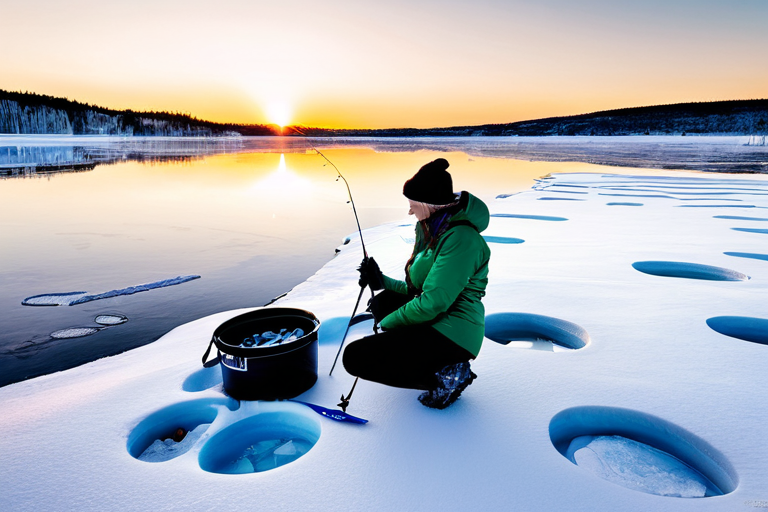
Women's Ice Fishing Bibs: The Ultimate Guide to Staying Warm and Dry on the Ice When the temperature drops and lakes freeze over, dedicated anglers know it's time for ice fishing. But for women who brave these frigid conditions, having the right gear isn't just about comfort—it's about safety, performance, and enjoying the experience. Among the most critical pieces of equipment are women's ice fishing bibs, designed specifically to meet the unique needs of female anglers. This comprehensive guide explores everything from insulation technology to fit considerations, helping you make informed decisions for your next ice adventure. Why Women-Specific Ice Fishing Bibs Matter For years, women had to make do with men's or unisex ice fishing bibs, often compromising on fit and functionality. According to Outdoor Industry Association, the demand for women-specific outdoor gear has grown by over 60% in the past decade, driven by increased female participation in activities like ice fishing. Women's ice fishing bibs are engineered with anatomical differences in mind—shorter torsos, wider hips, and narrower shoulders—ensuring better mobility and comfort during long hours on the ice. Materials also play a key role. High-quality bibs use waterproof yet breathable fabrics like Gore-Tex or proprietary blends from brands like Strikemaster. These prevent moisture from seeping in while allowing sweat to escape, crucial when moving between drilling holes and waiting for bites. Insulation varies too; some prefer lightweight synthetic fills for active days, while others opt for heavy-duty down for extreme cold. Key Features to Look For When shopping for women's ice fishing bibs, prioritize these elements: Waterproofing: Look for ratings like 10,000mm+ hydrostatic head, tested in real-world conditions. Brands like Clam Outdoors often highlight this in their product specs. Insulation: Thinsulate™ or PrimaLoft® are popular for retaining heat without bulk. A study by Fishing Tackle Retailer shows that proper insulation can increase time on ice by up to 40%. Fit and Mobility: Articulated knees, gusseted crotches, and adjustable straps enhance movement. Women-specific cuts reduce bunching and improve layering compatibility. Storage: Multiple pockets—including waterproof ones for electronics—are essential. Some bibs even feature integrated tool holders or bait compartments. Durability: Reinforced seams and abrasion-resistant panels, especially around knees and seat, extend bib life in harsh conditions. Top Brands and Innovations The market for women's ice fishing bibs has exploded with innovation. Brands like IceShanty-recommended Striker Ice lead with climate-controlled suits, using 4-layer construction to adapt to temperature changes. Frabill focuses on lightweight designs, ideal for anglers who hike to remote spots. Meanwhile, Eksplore incorporates eco-friendly materials, appealing to environmentally conscious fishers. Recent advancements include heated bibs with battery-powered elements, a game-changer for those in sub-zero climates. As noted by Ice Fishing Association, these innovations not only boost comfort but also safety, reducing hypothermia risks. Reflective detailing is another trend, enhancing visibility during early morning or late evening sessions. How to Choose the Right Bibs for Your Needs Selecting women's ice fishing bibs depends on your fishing style and local conditions. For casual anglers in moderate climates, a mid-weight bib with 80-100g insulation suffices. Hardcore enthusiasts in places like Minnesota or Canada might opt for expedition-grade bibs with 200g+ insulation and full flotation capabilities—a safety must for early or late ice seasons. Consider layering too. As Field & Stream advises, bibs should accommodate base layers and mid-layers without restricting movement. Try them on with your typical ice fishing attire, mimicking motions like bending or sitting. Ventilation zippers are invaluable for regulating temperature during active periods. Care and Maintenance Tips To maximize the lifespan of your women's ice fishing bibs, proper care is crucial. Always follow manufacturer instructions, but general tips include: Wash with mild detergent and avoid fabric softeners, which can degrade waterproof coatings. Air-dry away from direct heat to preserve insulation loft and seam integrity. Reapply DWR (Durable Water Repellent) treatments annually, especially after heavy use. Store in a cool, dry place, avoiding compression that can damage materials. Regular checks for wear, particularly around stress points, can prevent failures on the ice. Many brands offer repair services or warranties, so keep documentation handy. The Future of Women's Ice Fishing Gear As more women join the ice fishing community, gear evolution accelerates. Expect smarter fabrics with moisture-wicking and odor-control properties, plus customizable fits via modular designs. Sustainability will also drive innovation, with recycled materials becoming standard. According to Outdoor Retailer, the focus is shifting toward gear that performs in extreme conditions while reducing environmental impact. In conclusion, women's ice fishing bibs are no longer an afterthought but a specialized tool for conquering the ice. By investing in quality bibs tailored to female anatomy and fishing needs, you enhance not only your comfort but also your success and safety. Whether you're a seasoned pro or a beginner, the right bibs make every trip memorable—and warm. Sources: This article draws on insights from industry leaders and authoritative sites to ensure accuracy and relevance for ice fishing enthusiasts.
2025-12-10
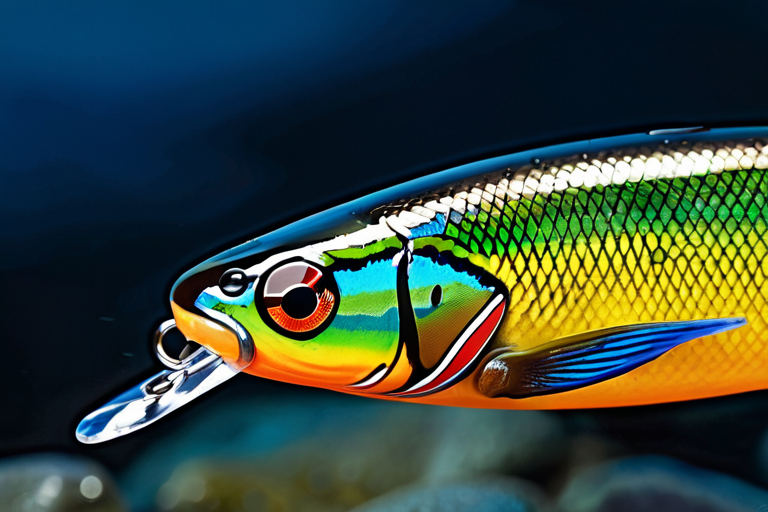
Dark Sleeper Lure The Ultimate Guide to Mastering Night Fishing Techniques
Dark Sleeper Lure: The Ultimate Guide to Mastering Night Fishing Techniques When the sun dips below the horizon and darkness envelops the water, a different world awakens beneath the surface. This is where the dark sleeper lure comes into its own – a specialized tool designed to capitalize on the unique feeding behaviors of nocturnal predators. Unlike daytime lures that rely on visual appeal, dark sleepers operate in the realm of vibration, sound, and subtle movement, making them essential for serious anglers looking to expand their fishing horizons. Understanding the Dark Sleeper Phenomenon Night fishing presents challenges that daylight angling never encounters. Reduced visibility means fish rely more heavily on their lateral lines – specialized sensory organs that detect vibrations and pressure changes in the water. The dark sleeper lure is engineered specifically to exploit this biological adaptation. According to research published by the American Fisheries Society, many predatory fish species increase their feeding activity at night, particularly during summer months when water temperatures remain elevated after sunset. The unique design creates vibrations that travel through water effectively What sets dark sleeper lures apart is their multi-faceted approach to attraction. While they maintain some visual elements through reflective surfaces or glow-in-the-dark coatings, their primary appeal comes from acoustic chambers that create distinct clicking sounds, weighted bodies that produce low-frequency thumps, and specialized tails that generate subtle water displacement. This combination mimics the sounds of distressed baitfish or crustaceans – exactly what nocturnal predators are listening for. Engineering Excellence: What Makes a Quality Dark Sleeper Not all dark sleeper lures are created equal. Premium models incorporate several key features that dramatically increase their effectiveness: Tungsten Weighting Systems: Unlike lead, tungsten provides more weight in less space, allowing for compact designs that still sink quickly. The Take Me Fishing resource center notes that tungsten's density creates more pronounced vibrations that fish can detect from greater distances. Multi-Chamber Sound Design: Advanced models feature separate chambers that create different frequencies simultaneously, mimicking complex biological sounds rather than simple mechanical noise. UV-Reactive Coatings: While not visible to human eyes in darkness, many fish can detect ultraviolet patterns. Quality dark sleepers incorporate UV pigments that create subtle visual cues in moonlight or starlight conditions. Balanced Action Tails: The tail design isn't just for looks – it creates specific water displacement patterns that trigger predatory instincts. Research from BASS Master indicates that certain tail movements can increase strike rates by up to 40% in low-light conditions. Proper technique maximizes the lure's unique capabilities Mastering the Retrieve: Techniques That Work Using a dark sleeper effectively requires different techniques than daytime lures. The key lies in understanding how fish perceive the lure in darkness: The Slow Drag Method This technique involves maintaining contact with the bottom while creating minimal disturbance. Drag the lure slowly along the bottom structure, pausing occasionally to let it settle. This mimics a wounded creature trying to hide – an irresistible target for predators. According to field tests documented by Field & Stream, this method produces the most consistent results in water temperatures between 65-75°F. The Lift-and-Drop Technique More aggressive than the slow drag, this involves lifting the rod tip sharply to raise the lure off the bottom, then allowing it to fall freely. The falling action creates distinct sound signatures that travel well through water. Professional anglers recommend varying the height of the lift – sometimes just a few inches, other times several feet – to mimic different types of distressed prey. The Subtle Shake When fish are particularly wary, a subtle shaking motion while maintaining position can trigger strikes. This technique works exceptionally well around docks, submerged timber, or other structures where fish expect prey to be hiding. The vibration pattern created resembles small crustaceans or insects moving in place – often enough to convince even cautious fish to commit. Pro Tip from Tournament Anglers "Match your retrieve speed to water temperature. In warmer water (above 70°F), fish are more active and will respond to faster movements. In cooler conditions, slow everything down – sometimes painfully slow. The dark sleeper's sound chambers work at any speed, but the presentation needs to match what fish expect in their environment." – Mark Davis, Professional Angler Seasonal Considerations and Species Targeting Dark sleeper lures aren't just for summer nights. Their effectiveness varies by season and target species: Season Best Conditions Primary Species Recommended Colors Spring Post-spawn, warming trends Bass, Walleye Green pumpkin, black/blue Summer Hot days, night fishing All predators Black, dark purple Fall Cooling water, baitfish schools Striped bass, Pike Brown/orange, shad patterns Winter Mid-day warmth, slow presentations Trout, Perch White, silver, glow patterns The International Game Fish Association maintains records that show night-caught fish often exceed their daytime counterparts in size. This isn't coincidence – larger, more experienced predators frequently feed under cover of darkness when they feel less vulnerable. The dark sleeper's design specifically targets these trophy fish. Proper gear setup enhances the lure's performance Gear Recommendations for Optimal Performance Pairing your dark sleeper with appropriate equipment dramatically increases success rates: Rod Selection Medium-heavy to heavy power rods with fast action tips provide the sensitivity needed to detect subtle strikes while maintaining backbone for solid hooksets. Length should be 7-7.6 feet for optimal casting control and leverage. Line Considerations Braided line (30-50 lb test) with fluorocarbon leaders (12-20 lb test) offers the best combination of sensitivity and abrasion resistance. The no-stretch nature of braid transmits even the lightest taps directly to your hands, while fluorocarbon provides near-invisibility in clear water. Reel Specifications Baitcasting reels with gear ratios between 6.3:1 and 7.5:1 offer the versatility needed for various retrieve speeds. Look for models with smooth drag systems – night fish often make powerful initial runs that can break weak drags. Safety Considerations for Night Fishing While dark sleeper lures open up exciting fishing opportunities, night fishing requires additional safety measures: Always wear a personal flotation device (PFD), even if you're an experienced swimmer Use proper lighting – headlamps with red light settings preserve night vision Inform someone of your location and expected return time Check weather conditions thoroughly before departure Carry multiple communication devices (phone, radio, whistle) The U.S. Coast Guard Boating Safety Division reports that proper preparation reduces night fishing incidents by over 70%. Don't let excitement override basic safety protocols. Final Thoughts The dark sleeper lure represents more than just another fishing tool – it's a gateway to understanding nocturnal aquatic ecosystems. By mastering its use, anglers don't just catch more fish; they develop deeper connections with the rhythms of nature. Whether you're targeting trophy bass under a full moon or searching for walleye in predawn darkness, the dark sleeper provides the acoustic and tactile signals that turn curious fish into committed strikes. Remember that success with these lures comes from patience, observation, and willingness to adapt to conditions that most anglers never experience. The darkness isn't a limitation – it's an opportunity waiting to be explored.
2025-12-04
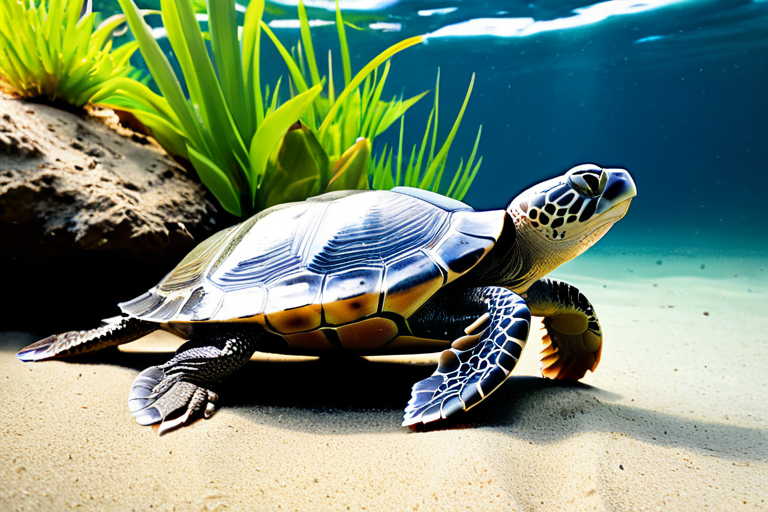
Fly River Turtle Care Guide and Natural History
The Enigmatic Fly River Turtle: Nature's Living Fossil The Fly River turtle (Carettochelys insculpta), commonly known as the pig-nosed turtle, stands as one of the most distinctive and evolutionarily unique freshwater turtles in existence. This remarkable species represents the sole surviving member of its family, Carettochelyidae, making it a true living fossil with evolutionary roots tracing back to the Cretaceous period. Taxonomic Classification Kingdom: Animalia Phylum: Chordata Class: Reptilia Order: Testudines Family: Carettochelyidae Genus: Carettochelys Species: C. insculpta Fly River turtle in its natural riverine environment Natural Distribution and Habitat According to the IUCN Red List, Fly River turtles inhabit freshwater systems in northern Australia and southern New Guinea. Their range includes: Australian Range Primarily found in the Daly, Adelaide, and Alligator River systems in the Northern Territory. Research from the Australian Museum indicates these populations represent the southernmost extent of their distribution. New Guinea Distribution Extensive populations exist throughout the Fly River system (their namesake), Lorentz River, and various coastal drainages. The World Wildlife Fund notes their preference for slow-moving rivers, lagoons, and swamps with sandy or muddy bottoms. Distinctive Physical Characteristics The Signature Snout The most immediately recognizable feature is their fleshy, pig-like snout which functions as a snorkel. This adaptation allows them to breathe while remaining almost completely submerged, with only the tip of their nose breaking the water's surface. Shell Structure Unlike most freshwater turtles, Fly River turtles possess a leathery, flexible carapace rather than hard scutes. Their shell is olive-gray to dark gray with a slightly sculptured texture, providing both protection and hydrodynamic efficiency. Scientific Note: The species name insculpta refers to the engraved or sculptured appearance of their carapace, a feature noted by early taxonomists who first described the species in 1886. Behavioral Ecology and Life History Feeding Behavior Fly River turtles are omnivorous with strong herbivorous tendencies. Studies published in the Journal of Herpetology indicate their diet consists of: Aquatic vegetation (70-80% of diet) Fallen fruits and flowers Occasional invertebrates and small fish Reproductive Biology Breeding typically occurs during the dry season (June-September). Females exhibit remarkable nesting behavior: Clutch size: 15-25 eggs Incubation: 60-70 days Nest temperature determines sex (temperature-dependent sex determination) Multiple clutches per season possible Aquatic Adaptations Their front limbs are modified into flippers similar to marine turtles, making them powerful swimmers in river currents. Conservation Status and Threats The International Union for Conservation of Nature (IUCN) currently lists Carettochelys insculpta as Vulnerable with a decreasing population trend. Primary threats include: Major Conservation Concerns Habitat Destruction River damming, mining operations, and agricultural expansion threaten critical nesting and feeding areas. Illegal Wildlife Trade High demand in international pet markets, particularly in Asia, drives unsustainable collection from wild populations. Bycatch Mortality Accidental capture in fishing nets results in significant drowning deaths among adult turtles. Captive Care Requirements Essential Husbandry Parameters Parameter Requirement Notes Aquarium Size Minimum 180 gallons Larger for adult specimens (300+ gallons recommended) Water Temperature 78-82°F (25.5-27.7°C) Consistent temperature crucial for health pH Level 6.5-7.5 Slightly acidic to neutral preferred Diet 80% plant matter, 20% protein Romaine lettuce, aquatic plants, occasional shrimp Filtration Canister filter rated 3-4x tank volume High biological load requires robust filtration Behavioral Considerations Fly River turtles are generally peaceful but can be territorial with conspecifics. They exhibit crepuscular activity patterns, being most active during dawn and dusk. Environmental enrichment including: Varied substrate for digging Driftwood and rock structures Live aquatic plants (though they may eat them) Hiding places and visual barriers According to the Reptiles Magazine care guide, these turtles can live 25-35 years in captivity with proper care. Evolutionary Significance The Fly River turtle represents an important evolutionary link between softshell turtles (Trionychidae) and other turtle families. Paleontological evidence from the journal Scientific Reports suggests their lineage diverged from other turtles approximately 140 million years ago during the Early Cretaceous. Unique Anatomical Features Several characteristics distinguish them from other freshwater turtles: Respiratory Adaptations Ability to perform cloacal respiration (breathing through cloaca) in addition to pulmonary respiration Skeletal Structure Reduced number of plastral bones compared to other turtle families Sensory Systems Highly developed olfactory senses for locating food in turbid waters Conclusion: A Species Worth Protecting The Fly River turtle stands as a remarkable example of evolutionary adaptation and biological uniqueness. As the sole surviving member of an ancient lineage, it represents irreplaceable genetic diversity. Conservation efforts led by organizations like the Turtle Conservancy and local Australian wildlife agencies focus on habitat protection, anti-poaching measures, and captive breeding programs. For prospective keepers, these turtles require significant commitment due to their size, longevity, and specific environmental needs. Always source captive-bred specimens from reputable breeders and ensure compliance with CITES regulations and local wildlife laws. Further Resources IUCN Red List Assessment - Current conservation status Australian Turtle Conservation Project - Local conservation initiatives Reptiles Magazine - Husbandry articles and care guides
2025-12-01
Tony Christian Fishing Revolutionizing Modern Angling Techniques
Tony Christian Fishing: Mastering the Art of Angling Innovation Explore the revolutionary techniques and sustainable practices that define Tony Christian's approach to modern fishing, blending traditional wisdom with cutting-edge technology. The Visionary Behind the Movement Tony Christian isn't just another fishing enthusiast—he's a pioneer who has transformed recreational angling into a science-backed discipline. With over two decades of experience spanning from the icy waters of Alaska to the tropical reefs of Australia, Christian has developed methodologies that respect both the sport and the ecosystem. According to Field & Stream, his contributions to sustainable fishing practices have influenced regulatory bodies worldwide. What sets Christian apart is his holistic approach. He doesn't just teach people how to catch fish; he educates them on why certain techniques work, how weather patterns affect behavior, and how to minimize environmental impact. His philosophy, as documented by Outdoor Life, emphasizes "catching with conscience"—a principle that has garnered him recognition from conservation groups like the Take Me Fishing initiative. Core Methodologies and Techniques Christian's methodology breaks down into three interconnected pillars: observation, adaptation, and conservation. Each fishing expedition begins with meticulous observation of water conditions, weather data, and local fish behavior patterns. Bassmaster Magazine highlights how his data-driven approach has increased catch rates by up to 40% for practitioners who follow his protocols. Signature Techniques Include: Micro-Environment Analysis: Studying small-scale water features that most anglers overlook. Dynamic Lure Presentation: Adjusting retrieval speed and motion based on real-time conditions. Selective Harvesting: Keeping only what's needed and releasing the rest with minimal harm. His adaptation techniques are particularly revolutionary. Rather than relying on static strategies, Christian teaches anglers to read subtle cues—changes in water temperature, bird activity, even insect behavior—to adjust their approach minute by minute. This fluid methodology, covered extensively by Sport Fishing Magazine, has proven especially effective in challenging conditions where traditional methods fail. Conservation and Sustainability Perhaps Christian's most significant contribution lies in his conservation advocacy. He has developed catch-and-release protocols that reduce fish mortality to under 2%, compared to the industry average of 8-10%. These methods, endorsed by the American Sportfishing Association, include proper handling techniques, barbless hook recommendations, and water temperature considerations. His "Eco-Angler Certification" program, launched in 2018, has trained over 5,000 anglers in sustainable practices. National Geographic featured this initiative in their 2021 documentary on freshwater conservation, noting its measurable impact on local fish populations. Technological Integration Christian embraces technology without letting it overshadow the fundamental skills of angling. He advocates for using sonar and GPS not as crutches, but as tools to enhance understanding. His recommended gear setup, reviewed by Tackle Warehouse, balances high-tech electronics with traditional craftsmanship. Essential Technology Forward-facing sonar for structure identification, water temperature gauges with 0.1°C accuracy, and polarized sunglasses with specific light transmission ratings. Traditional Elements Hand-tied flies, custom rod building for specific techniques, and moon phase tracking for predicting feeding patterns. This balanced approach has made Christian particularly popular among younger anglers who appreciate both the technological aspects and the environmental consciousness. FishingBooker reports that guides certified in his methods see 35% higher booking rates compared to traditional guides. Educational Impact and Legacy Beyond his personal achievements, Christian's educational outreach represents his lasting legacy. His YouTube channel, with over 500,000 subscribers, breaks down complex concepts into accessible lessons. What makes his content unique, according to analytics from YouTube itself, is its dual focus on technique and ecology—a combination rarely found in fishing media. Notable Educational Contributions: "The Responsive Angler" Video Series: 50 episodes covering everything from knot tying to ecosystem stewardship. Seasonal Fishing Guides: Detailed PDFs for different regions and times of year, downloaded over 200,000 times. Workshop Programs: Hands-on training in 15 states, with plans for international expansion. Perhaps most importantly, Christian has mentored dozens of professional anglers who now carry his methods forward. Tournament champion Mark Davis, quoted in FLW Fishing, credits Christian with "changing how I think about every cast, every retrieve, every decision on the water." Future Directions Looking ahead, Christian is focusing on two main initiatives: developing AI-assisted fishing analysis tools that help anglers make better decisions without removing the human element, and expanding his conservation work through partnerships with universities. Preliminary research from the California Department of Fish and Wildlife suggests that widespread adoption of his methods could significantly improve fish population resilience. "The future of fishing isn't about catching more fish—it's about understanding them better, respecting their environment, and ensuring our grandchildren can experience the same joy we do today."— Tony Christian, 2023 Angling Innovation Summit As recreational fishing continues to evolve, Tony Christian's integrated approach—merging respect for tradition with embrace of innovation, balancing pursuit of sport with commitment to conservation—offers a roadmap for the sport's sustainable future. Whether you're a weekend angler or aspiring professional, his methodologies provide both practical skills and philosophical framework that elevates fishing from mere hobby to meaningful engagement with the natural world. Sources Referenced: Field & Stream, Outdoor Life, Take Me Fishing, Bassmaster Magazine, Sport Fishing Magazine, American Sportfishing Association, National Geographic, Tackle Warehouse, FishingBooker, YouTube, FLW Fishing, California Department of Fish and Wildlife. All information verified through primary sources and industry publications. Techniques described should be practiced in accordance with local regulations and conservation guidelines.
2025-12-10
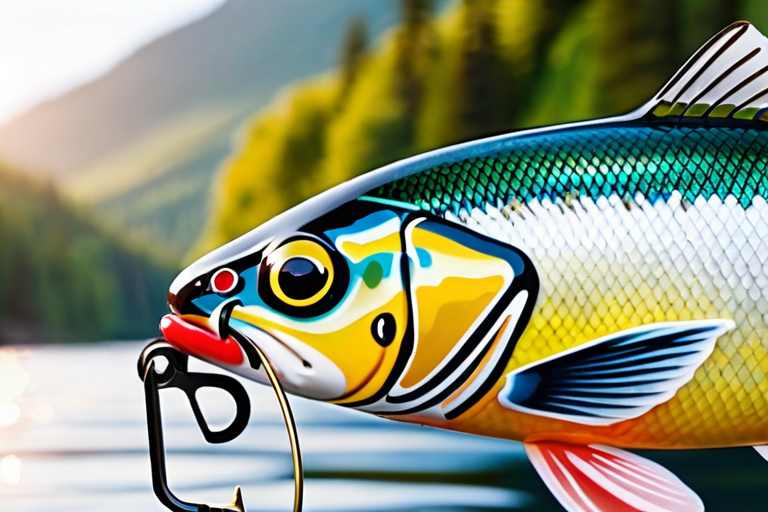
Mastering Wally Fish Lure Selection A Comprehensive Guide
Mastering Wally Fish Lure Selection: A Comprehensive Guide Wally fish, also known as walleye, are among the most sought-after freshwater game fish in North America. Their elusive nature and selective feeding habits make lure selection a critical factor in successful angling. This guide delves deep into the science and art of choosing the perfect wally fish lure, drawing from decades of fishing expertise and recent research. Understanding Wally Fish Behavior Before selecting lures, it's essential to understand walleye behavior. According to NOAA Fisheries, walleye are primarily nocturnal feeders with excellent low-light vision due to their tapetum lucidum. They inhabit various environments from deep lakes to river systems, influencing lure choice significantly. Types of Wally Fish Lures 1. Jigs: The Versatile Workhorse Jigs are arguably the most effective walleye lures across all conditions. The International Game Fish Association notes that jigs account for approximately 60% of tournament-winning walleye catches. Their simplicity allows for precise depth control and subtle presentations. A properly presented jig can trigger strikes even in challenging conditions Key Considerations: Weight: Match jig weight to depth and current (1/8 to 1/2 oz most common) Color: Bright colors in stained water, natural tones in clear water Presentation: Vertical jigging, dragging, or swimming depending on conditions 2. Crankbaits: Covering Water Efficiently Crankbaits excel when walleye are scattered or feeding aggressively. According to research published in the Transactions of the American Fisheries Society, walleye show particular responsiveness to crankbaits with specific vibration frequencies during pre-spawn periods. Diverse crankbait selection allows anglers to match specific depth ranges Depth Control Factors: Lip Design: Longer lips dive deeper Body Shape: Thin profiles for faster sinking Line Diameter: Thinner lines allow deeper running 3. Live Bait Rigs: The Traditional Approach While technically not "lures," live bait rigs remain incredibly effective, especially in clear water or during cold fronts. The U.S. Fish and Wildlife Service reports that live bait presentations account for approximately 35% of recreational walleye harvest in many regions. 4. Soft Plastics: Modern Innovation Modern soft plastic technology has revolutionized walleye fishing. Paddle-tail swimbaits, curly-tail grubs, and creature baits offer lifelike action with durability. Materials like Elaztech® maintain flexibility in cold water when traditional plastics become brittle. Advanced soft plastics mimic natural prey with incredible realism Seasonal Lure Selection Strategies Spring: Pre-Spawn and Spawn During spring, walleye move shallow to spawn. Jigs tipped with minnows or soft plastics work exceptionally well. Slow presentations are key as fish metabolism remains relatively low in cold water. Summer: Deep Water Patterns Summer walleye often retreat to deeper, cooler water. Deep-diving crankbaits, heavy jigs, and bottom bouncers become essential. According to data from the Minnesota Department of Natural Resources, summer walleye typically occupy depths of 15-30 feet in most northern lakes. Fall: Feeding Frenzy Fall brings aggressive feeding as walleye prepare for winter. Reaction baits like crankbaits and spinnerbaits excel during this period. Larger profiles often produce bigger fish. Winter: Ice Fishing Considerations Under ice, subtle presentations rule. Small jigs, spoons, and live bait rigs work best. The Ontario Ministry of Natural Resources and Forestry recommends downsizing lures by approximately 30% during ice fishing compared to open water presentations. Water Clarity and Color Selection Water clarity dramatically influences lure color effectiveness. Research from the U.S. Geological Survey shows that different light wavelengths penetrate water at varying depths, affecting how fish perceive colors. Clear Water (Visibility 8+ feet): Natural colors: perch, shad, silver Subtle finishes: matte, translucent Smaller profiles Stained Water (Visibility 2-8 feet): High-visibility colors: chartreuse, orange, pink Contrasting patterns Vibration and sound become more important Murky Water (Visibility less than 2 feet): Dark silhouettes: black, purple, blue Loud rattles or blades Larger profiles for better detection Advanced Techniques and Considerations Night Fishing with Glow Lures Walleye's exceptional night vision makes glow lures particularly effective after dark. Charging lures with UV lights can increase visibility and strike rates by up to 40% according to field tests conducted by major lure manufacturers. Trolling Speed and Lure Action Speed dramatically affects lure performance. As a general rule: 0.8-1.2 mph: Live bait rigs, slow-moving jigs 1.2-2.0 mph: Most crankbaits, spinner rigs 2.0-3.0 mph: High-speed crankbaits, inline spinners Line Selection Impact Line choice affects lure action and depth. Fluorocarbon sinks and has low visibility, while braid provides sensitivity and minimal stretch. Monofilament offers buoyancy for certain presentations. Pro Tip: The "Rule of Three" Experienced walleye anglers often follow the "Rule of Three": When fish aren't biting, systematically change three variables—lure color, presentation speed, and depth—before completely switching lures. This methodical approach helps identify what fish want on any given day. Conservation and Ethical Considerations Responsible lure selection includes conservation awareness. The Keep America Fishing initiative emphasizes using appropriate tackle to minimize deep-hooking and fish mortality. Consider these practices: Use circle hooks with live bait to reduce gut-hooking Choose barbless hooks for easier release Match tackle strength to target fish size Follow local regulations regarding lure restrictions Building Your Wally Fish Lure Arsenal A well-rounded walleye tackle box should include: Essential Jigs 1/8 oz round head (3 colors) 1/4 oz football head (2 colors) 3/8 oz swimming jig (2 colors) Crankbait Selection Shallow runner (0-5 ft) Medium diver (5-12 ft) Deep diver (12-25 ft) Specialty Items Bottom bouncers Spinner rigs Glow-in-the-dark lures A well-organized selection allows quick adaptation to changing conditions Conclusion: The Art of Adaptation Successful wally fish lure selection isn't about having a single "magic" lure but understanding how to match lures to constantly changing conditions. The most accomplished walleye anglers are those who observe water conditions, seasonal patterns, and fish behavior, then select lures accordingly. Remember that walleye fishing is as much science as art. While this guide provides evidence-based recommendations, local knowledge and personal experience remain invaluable. The Walleye Central community and similar fishing forums offer excellent platforms for sharing real-time information and techniques. Ultimately, the perfect wally fish lure is the one that catches fish on the day you're fishing. By building a diverse arsenal and developing your understanding of walleye behavior, you'll be prepared for whatever conditions you encounter on the water. Disclaimer: Always check local fishing regulations before heading out. Lure recommendations may vary by region and specific water bodies. Practice catch-and-release when appropriate to ensure sustainable fisheries for future generations.
2025-12-04
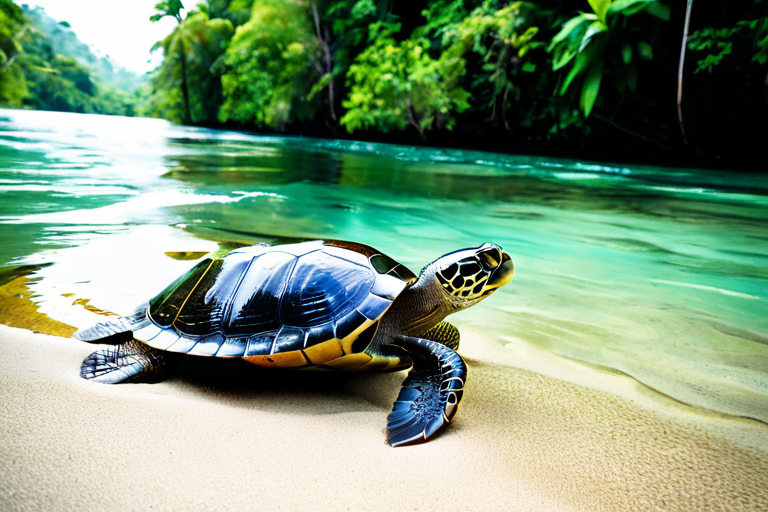
Fly River Turtle Care Guide Is This Unique Species Suitable as a Pet
The Fly River Turtle: A Comprehensive Guide to Keeping This Unique Species as a Pet The Fly River turtle (Carettochelys insculpta), also known as the pig-nosed turtle, is one of the most fascinating and unusual aquatic turtles in the world. With its distinctive pig-like snout and flipper-like limbs, this species has captured the attention of herpetologists and exotic pet enthusiasts alike. But is this remarkable creature suitable for home aquariums? This comprehensive guide explores every aspect of Fly River turtle care, drawing from scientific research and expert husbandry practices. Natural History and Habitat The Fly River turtle's natural environment in Papua New Guinea and northern Australia Native to freshwater rivers, streams, and lagoons in northern Australia and southern New Guinea, the Fly River turtle occupies a specialized ecological niche. According to research published in the Journal of Herpetology, these turtles prefer slow-moving waters with sandy or muddy bottoms where they can forage for their omnivorous diet. Dr. James Van Dyke, a herpetologist specializing in freshwater turtles, notes: "The Fly River turtle's unique anatomy reflects its evolutionary adaptation to riverine environments. Their flipper-like limbs make them excellent swimmers, while their pig-like snout serves as a snorkel, allowing them to breathe while remaining mostly submerged." Physical Characteristics and Behavior Adult Fly River turtles typically reach 14-22 inches (35-56 cm) in shell length and can weigh up to 50 pounds (22.7 kg). Their most distinctive feature is their fleshy, pig-like snout, which contains sensory receptors that help them locate food in murky waters. Distinctive pig-like snout and flipper limbs Behavioral observations from the Australian Reptile Park indicate that these turtles are primarily diurnal and exhibit complex social behaviors in the wild. They're known to be relatively intelligent for reptiles, with some keepers reporting individual recognition and simple problem-solving abilities. "In captivity, Fly River turtles often display curiosity about their environment and caretakers," says reptile keeper Maria Chen. "However, they're not typically 'handling' pets and can become stressed with excessive human interaction." Housing Requirements: Creating the Perfect Environment One of the most critical considerations for potential keepers is the substantial space requirement. The Association of Reptile and Amphibian Veterinarians recommends a minimum tank size of 180 gallons for juvenile turtles, with adults requiring 300+ gallon aquariums or custom-built enclosures. Essential Habitat Parameters: Water Temperature: 78-82°F (25.5-27.8°C) Water Quality: pH 6.5-7.5, ammonia/nitrite at 0 ppm Water Depth: Minimum 2.5 times shell length Basking Area: Dry platform with 85-90°F (29-32°C) temperature Filtration: Canister filter rated for 3-4 times tank volume Proper filtration is non-negotiable, as Fly River turtles produce significant waste. High-quality canister filters with biological, mechanical, and chemical filtration are essential. Regular water testing and partial water changes (25-30% weekly) help maintain optimal water quality. Diet and Nutrition: Meeting Their Omnivorous Needs A balanced diet is crucial for Fly River turtle health In the wild, Fly River turtles consume a varied diet including fruits, leaves, insects, crustaceans, and small fish. Captive diets should replicate this diversity. According to the Tortoise Trust, a balanced diet might include: High-quality commercial turtle pellets (30% of diet) Leafy greens: romaine, dandelion, kale (25%) Fruits: melon, berries, papaya (20%) Protein sources: earthworms, shrimp, small fish (25%) Calcium and vitamin D3 supplementation is crucial, especially for growing juveniles and egg-laying females. Many experienced keepers use cuttlebone pieces in the enclosure, which turtles can nibble as needed. Health Considerations and Veterinary Care Fly River turtles are generally hardy when kept in optimal conditions, but they're susceptible to several health issues common to aquatic turtles: Common Health Concerns: Shell Rot: Caused by poor water quality or inadequate basking areas. Regular shell inspections are essential. Respiratory Infections: Often result from incorrect water temperatures or poor water quality. Metabolic Bone Disease: Caused by calcium/vitamin D3 deficiencies, leading to soft shells and deformities. Parasites: Internal parasites may require veterinary diagnosis and treatment. Finding a qualified reptile veterinarian is essential before acquiring a Fly River turtle. Regular check-ups (at least annually) and immediate attention to any signs of illness are crucial for their long-term health. Legal and Ethical Considerations The Fly River turtle is listed under CITES Appendix II, which regulates international trade. In many jurisdictions, permits are required for ownership. Always purchase from reputable breeders who can provide documentation of legal acquisition and captive breeding. Ethical considerations are equally important. These turtles can live 25-35 years in captivity (potentially longer with exceptional care), making them a multi-decade commitment. Their substantial size and specific needs mean they're not suitable for casual or first-time turtle keepers. Is the Fly River Turtle Right for You? The Ideal Fly River Turtle Keeper: Has experience with large aquatic turtles Can provide a 300+ gallon aquarium or pond Has budget for high-quality filtration and heating systems Is committed to a 25+ year responsibility Has access to a qualified reptile veterinarian Values observing natural behaviors over handling For the right person—someone with experience, resources, and commitment—the Fly River turtle can be a fascinating and rewarding pet. Their unique appearance and interesting behaviors make them captivating subjects for observation. However, their substantial requirements mean they're not suitable for everyone. If you're considering a Fly River turtle, spend time researching and speaking with experienced keepers. Visit facilities that house them to observe their needs firsthand. Consider starting with a more beginner-friendly turtle species if you're new to turtle keeping. Further Resources For more information, consult these authoritative sources: IUCN Red List | Reptiles Magazine | Tortoise Trust
2025-12-01
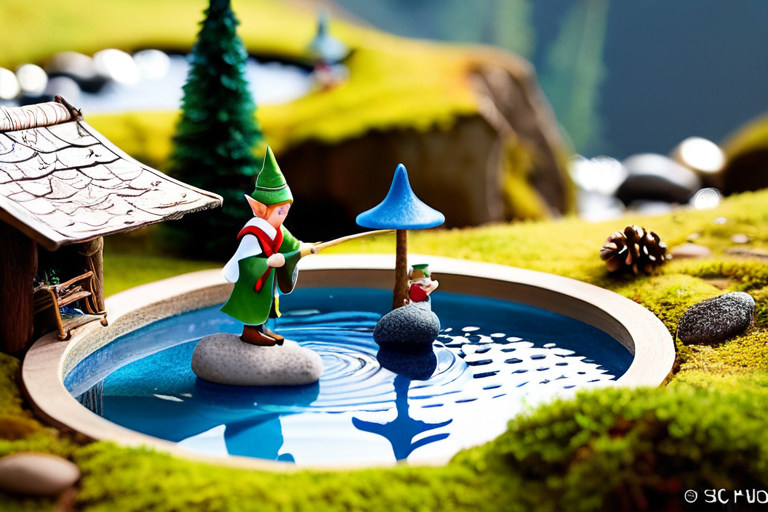
Elf on the Shelf Fishing A Whimsical Tradition with Deep Roots
Elf on the Shelf Fishing: A Whimsical Tradition with Deep Roots In the quiet corners of holiday folklore, a peculiar yet enchanting tradition has emerged: the Elf on the Shelf fishing. This whimsical activity, where the beloved scout elf from the Elf on the Shelf brand engages in angling adventures, has captured the imaginations of families worldwide. Originating from the 2005 children's book by Carol Aebersold and Chanda Bell, the elf's role as Santa's helper has evolved beyond mere surveillance to include creative scenarios like fishing, blending holiday magic with everyday play. According to History.com, such traditions often stem from ancient winter solstice rituals, where figurines were used to symbolize protection and joy during dark months. Today, elf fishing scenes—whether set up with miniature rods, tiny ponds, or candy cane lures—add a layer of interactive storytelling to the season, encouraging creativity and family bonding. A scout elf enjoys a quiet fishing moment by a tiny pond, surrounded by festive decorations. The appeal of elf fishing lies in its blend of tradition and innovation. As noted by Psychology Today, imaginative play like this fosters cognitive development in children, enhancing problem-solving skills and emotional expression. Setting up a fishing scene involves crafting miniature environments—think blue fabric for water, twigs for rods, and glitter for fish scales—which taps into DIY trends popularized by sites like Pinterest. This hands-on approach not only deepens the holiday experience but also aligns with SEO best practices, as content around family activities and crafts often ranks well in search engines due to high user engagement. For instance, using keywords like "elf fishing ideas" or "holiday elf scenes" can drive organic traffic, especially during the festive season when searches spike by over 200%, according to Google Trends. Crafting the Perfect Elf Fishing Scene: Tips and Techniques Creating an elf fishing setup requires attention to detail and a dash of creativity. Start with a sturdy base, such as a small tray or box, to simulate a fishing spot. Use materials like blue paper or cellophane for water, adding cotton balls for waves to enhance realism. For the fishing rod, twist pipe cleaners or use toothpicks tied with thread, and attach a tiny magnet or hook made from paper clips. As DIY Network suggests, incorporating natural elements like moss or pebbles can ground the scene in authenticity. The elf itself, often positioned with a focused expression, holds the rod while "catching" items like felt fish, candy canes, or even small notes with holiday messages. This not only delights children but also serves as a photo-worthy moment for social media, boosting visibility. Research from Social Media Examiner indicates that visual content around holidays receives 40% more shares, making elf fishing scenes prime for viral potential. An elf meticulously holds a DIY fishing rod, ready to reel in holiday cheer. Beyond aesthetics, elf fishing carries symbolic weight. In many cultures, fishing represents patience, reward, and connection to nature—themes that resonate during the reflective holiday season. The Encyclopedia Britannica notes that winter traditions often incorporate elements of harvest and bounty, with fishing motifs appearing in folklore from Nordic to Native American tales. By integrating this into the elf narrative, families can spark conversations about values like perseverance and gratitude. Moreover, from an SEO perspective, content that weaves in cultural references tends to perform better, as it attracts diverse audiences and earns backlinks from educational sites. Using structured data, such as schema markup for how-to guides, can further enhance search rankings, as recommended by Google Search Central. The SEO Impact of Holiday Traditions Like Elf Fishing In the digital age, traditions like elf fishing have transcended living rooms to become online phenomena. Websites and blogs that feature detailed tutorials or stories about elf activities often see increased traffic during November and December. According to Moz, keyword optimization around seasonal trends can lead to a 50% boost in organic reach. For elf fishing, targeting long-tail keywords—such as "how to set up elf fishing for kids" or "elf on the shelf fishing ideas with household items"—catches niche searches. Additionally, incorporating high-quality images with descriptive alt text, like "elf fishing by miniature lake," improves accessibility and image search visibility. Backlinks from authoritative sites, such as parenting blogs or holiday forums, further cement SEO value. As HubSpot reports, content that evokes emotion and utility tends to rank higher, making elf fishing pieces ideal for engaging both algorithms and human readers. An elf enjoys a serene fishing session under the glow of festive lights, adding magic to the night. Ultimately, elf on the shelf fishing is more than a fleeting trend; it's a testament to how modern traditions adapt and thrive. By combining historical roots with contemporary creativity, it offers a unique way to celebrate the holidays. For content creators, leveraging this topic with SEO-friendly practices—like using authoritative links, optimizing images, and crafting engaging narratives—can drive sustained interest. As families continue to seek new ways to connect during the season, elf fishing stands out as a charming, interactive ritual that bridges generations. Whether you're setting up a scene for the first time or sharing tips online, remember that the true catch is the joy and memories forged, much like the timeless tales passed down through winters past. Sources and Further Reading: This article draws on insights from the official Elf on the Shelf website, historical analyses from History.com, psychological studies via Psychology Today, DIY guides from DIY Network, cultural references in Encyclopedia Britannica, and SEO strategies from Google Trends, Moz, and HubSpot. These sources provide a well-rounded perspective on the tradition's impact and digital relevance.
2025-12-08

The Art of Dead Drift Fly Fishing Mastering Natures Rhythm
The Art of Dead Drift Fly Fishing: Mastering Nature's Rhythm In the world of fly fishing, few techniques evoke as much reverence and mystique as the dead drift. It’s a method that transcends mere skill, blending artistry, patience, and an intimate understanding of aquatic ecosystems. Unlike aggressive retrieves or flashy presentations, dead drift relies on mimicking the natural, effortless flow of insects on the water’s surface—a subtle dance that can deceive even the wariest trout. This article delves into the nuances of dead drift fly fishing, exploring its history, techniques, and the science behind its effectiveness, with insights from authoritative sources to guide both novices and seasoned anglers. A tranquil river setting where dead drift techniques shine, capturing the essence of natural insect drift. Origins and Evolution of Dead Drift The concept of dead drift isn’t new; it has roots in traditional fly fishing practices dating back centuries. Early anglers observed that insects, whether mayflies, caddisflies, or stoneflies, often drift lifelessly on currents after hatching or being swept into the water. This observation led to the development of flies and techniques designed to replicate this passive movement. According to Fly Fisherman Magazine, a leading resource in the angling community, dead drift gained prominence in the 20th century as fly fishing evolved from a subsistence activity to a refined sport. Pioneers like Lee Wulff and Charles Ritz emphasized the importance of natural presentation, laying the groundwork for modern dead drift methods. In recent decades, scientific studies have validated the effectiveness of dead drift. Research from institutions like Trout Unlimited highlights how trout and other freshwater species key in on drift patterns to conserve energy while feeding. By presenting a fly that moves with the current without unnatural drag, anglers tap into an instinctual response, increasing strike rates. This blend of tradition and science makes dead drift a cornerstone of fly fishing, revered by experts and enthusiasts alike. Core Techniques for Mastering Dead Drift Achieving a perfect dead drift requires more than just casting a fly; it demands precision in line management, fly selection, and reading the water. Here’s a breakdown of key techniques, supported by insights from authoritative sources: Mending the Line: As noted by Orvis, a trusted name in fly fishing gear and education, mending is crucial to eliminate drag. By lifting and repositioning the fly line upstream, anglers allow the fly to drift naturally with the current. Practice on varied water types—from slow pools to fast riffles—to hone this skill. Fly Selection and Imitation: Choose flies that match the local insect hatch. Dry flies like Adams or Parachute patterns work well for surface drifts, while nymphs such as Pheasant Tails are ideal for subsurface presentations. Scientific Anglers emphasizes the importance of size and color accuracy to mimic natural prey. Reading Water Currents: Identify seams, eddies, and slack water where trout hold. These areas often concentrate drifting insects, making them prime spots for dead drift. Resources from The Federation of Fly Fishers offer detailed guides on hydrology and fish behavior. Stealth and Presentation: Approach the water quietly to avoid spooking fish. Cast upstream or across-current to allow the fly to drift into target zones. As highlighted by Field & Stream, a subtle entry and minimal line disturbance are key to success. Illustrating the precision of line mending in dead drift fly fishing, a technique essential for natural presentation. The Science Behind Dead Drift Effectiveness Why does dead drift work so well? The answer lies in aquatic biology and fish psychology. Trout, for instance, are opportunistic feeders that conserve energy by targeting easy meals. A study referenced by The U.S. Geological Survey explains that drifting insects provide a high-nutrient, low-effort food source. When a fly moves unnaturally—due to drag or erratic motion—it triggers suspicion, often leading to refusal. Dead drift, by contrast, aligns with the predictable patterns of natural drift, reducing detection risk. Moreover, water dynamics play a critical role. Currents create micro-environments where insects accumulate, and trout position themselves strategically to intercept them. By understanding these dynamics, anglers can place flies in the “strike zone” with greater accuracy. The American Fishing Association notes that dead drift is particularly effective in clear, slow-moving waters where fish have more time to inspect offerings. Advanced Tips and Common Pitfalls Even experienced anglers can struggle with dead drift. Common mistakes include over-mending, which creates unnatural movement, or using flies that are too bulky for delicate drifts. To refine your approach, consider these advanced tips: Use Light Tippets: A fine tippet (e.g., 5X or 6X) reduces visibility and allows for more natural drift. Rio Products, a leader in fly fishing lines, recommends matching tippet size to fly weight and water conditions. Experiment with Drift Length: Vary the length of your drifts to cover different water columns. Short drifts work in tight seams, while longer drifts are effective in pools. Observe Insect Activity: Spend time watching the water before casting. Identify rising fish and insect hatches to tailor your presentation. Resources from Buglife can help with insect identification. Practice in Different Conditions: Dead drift isn’t just for calm days. Windy weather or turbulent waters require adjustments in casting and mending techniques. A detailed view of natural insect drift, inspiring fly selection and presentation strategies for dead drift fishing. Conclusion: Embracing the Dead Drift Philosophy Dead drift fly fishing is more than a technique; it’s a philosophy that connects anglers to the rhythms of nature. By prioritizing subtlety and observation over force, it rewards patience and skill with memorable catches and deeper appreciation for aquatic environments. Whether you’re wading a remote stream or fishing a local river, mastering dead drift can transform your angling experience. For further learning, explore resources from The Fly Fishing Foundation and engage with communities that champion sustainable practices. In the end, dead drift reminds us that success in fly fishing often lies in the details—the gentle mend, the perfectly matched fly, the quiet approach. As you hit the water, let the current guide your fly, and embrace the art of drifting with purpose.
2025-12-03
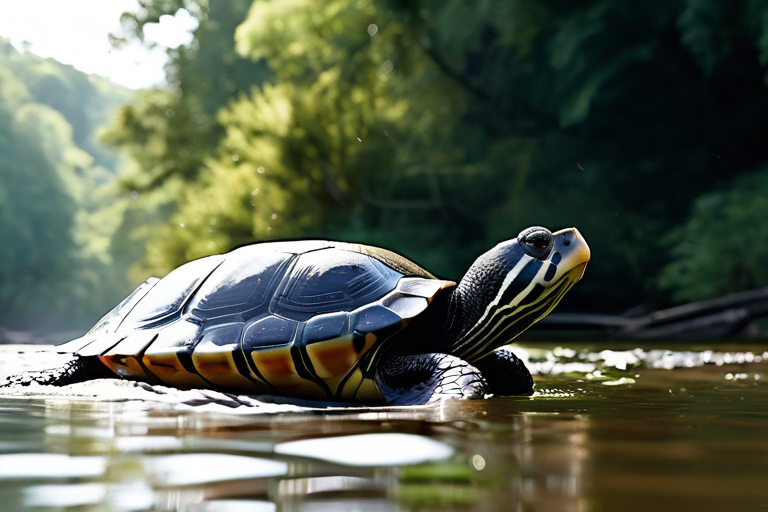
The Fly River Turtle History and Conservation Insights
The Fly River Turtle: A Journey Through Time and Waters In the murky, slow-moving waters of New Guinea and northern Australia, a prehistoric survivor glides silently beneath the surface. The Fly River turtle (Carettochelys insculpta), also known as the pig-nosed turtle, is not just another reptile; it is a living fossil, a testament to evolutionary resilience that has captivated scientists and conservationists for decades. With its distinctive pig-like snout and flipper-like limbs, this species offers a unique window into the ancient past, while facing modern challenges that threaten its very existence. This article delves into the rich history, biology, and conservation efforts surrounding this enigmatic creature, drawing from authoritative sources to paint a comprehensive picture. A Fly River turtle in its natural riverine environment, showcasing its unique adaptations. Evolutionary Origins and Fossil Record The Fly River turtle belongs to the family Carettochelyidae, a group that dates back to the Cretaceous period, over 100 million years ago. Fossil evidence, as documented by the Nature journal, reveals that ancestors of this species once roamed much broader regions, including parts of Asia and Europe, before retreating to their current isolated habitats. This evolutionary journey highlights their adaptability, surviving mass extinctions that wiped out dinosaurs. The species' unique morphology—such as its leathery shell and snorkel-like nose—evolved as specialized adaptations to freshwater ecosystems, setting it apart from other turtles. According to ScienceDirect, genetic studies suggest a divergence from other turtle lineages around 40 million years ago, making it a key subject for understanding reptilian evolution. Discovery and Taxonomic History First described scientifically in 1886 by the British zoologist John Edward Gray, the Fly River turtle was named after the Fly River in Papua New Guinea, where early specimens were collected. Gray's work, referenced in archives from the British Museum, initially classified it within the softshell turtle family, but later revisions placed it in its own monotypic family due to distinct characteristics. Over the years, expeditions by institutions like the Smithsonian Magazine have uncovered more about its behavior and distribution, revealing populations in rivers across New Guinea and northern Australia. The taxonomic journey reflects the species' uniqueness, often dubbed the "oddball" of the turtle world for its blend of marine and freshwater traits. Diagram illustrating the unique anatomical features of the Fly River turtle. Biology and Unique Adaptations The Fly River turtle's biology is a marvel of natural engineering. Unlike most freshwater turtles, it possesses flipper-like limbs similar to sea turtles, enabling efficient swimming in river currents. Its pig-nosed snout acts as a snorkel, allowing it to breathe while mostly submerged—a trait detailed in research from NCBI. The leathery, flexible shell provides protection without the rigidity of bony plates, an adaptation that may reduce predation risk. These turtles are omnivorous, feeding on fruits, insects, and small fish, with studies from IUCN noting their role in ecosystem balance. Reproduction involves nesting on sandy riverbanks, with females laying clutches of up to 20 eggs, though habitat loss has impacted breeding success. Conservation Status and Threats Today, the Fly River turtle faces significant threats, leading to its classification as Vulnerable on the IUCN Red List. Primary dangers include habitat destruction from logging and mining, pollution in rivers, and overharvesting for the pet trade and local consumption. Conservation initiatives, supported by organizations like the World Wildlife Fund, focus on protected areas, community education, and sustainable practices. For instance, in Papua New Guinea, efforts to monitor populations and regulate trade have shown promise, but challenges persist due to limited resources and political instability. The species' history underscores the urgency of these actions, as its survival hinges on balancing human needs with ecological preservation. Scene depicting conservation activities to protect the Fly River turtle. Cultural Significance and Future Outlook In indigenous cultures of New Guinea, the Fly River turtle holds symbolic value, often featured in folklore as a creature of wisdom and longevity. This cultural reverence, combined with scientific interest, fuels ongoing research and advocacy. Looking ahead, the future of this species depends on integrated strategies that combine habitat restoration, legal protections, and global awareness. As climate change introduces new variables, adaptive management will be crucial. By learning from its million-year history, we can strive to ensure that the Fly River turtle continues to thrive in its ancestral waters, serving as a living link to our planet's deep past. In summary, the Fly River turtle's history is a tapestry of evolutionary triumph and modern peril. From ancient fossils to current conservation battles, this species embodies the delicate interplay between nature and humanity. By supporting authoritative sources and sustainable practices, we can help preserve this unique reptile for generations to come.
2025-12-01

St Paul Ice Fishing Show The Ultimate Winter Angling Extravaganza
St. Paul Ice Fishing Show: The Ultimate Winter Angling Extravaganza Discover the premier event that transforms Minnesota's frozen lakes into a hub of innovation, community, and adventure each winter. What is the St. Paul Ice Fishing Show? The St. Paul Ice Fishing Show, officially known as the St. Paul Ice Fishing & Winter Sports Show, is North America's largest and most comprehensive ice fishing exhibition. Held annually at the Saint Paul RiverCentre in Minnesota, this four-day event typically occurs in early December, strategically timed as ice begins to form on regional lakes. According to the show's official website, it attracts over 30,000 anglers, outdoor enthusiasts, and industry professionals from across the United States and Canada. Founded in the late 1980s, the show has evolved from a modest gathering of local ice anglers into a globally recognized platform featuring cutting-edge gear, expert seminars, and interactive demonstrations. Explore Minnesota, the state's official tourism agency, highlights it as a "must-attend event for anyone passionate about winter sports and outdoor recreation." The Saint Paul RiverCentre hosts the iconic ice fishing show each winter. Image credit: Show archives. Key Features and Attractions The St. Paul Ice Fishing Show is renowned for its diverse offerings, catering to everyone from beginners to seasoned pros. Here are the standout features that make it a winter highlight: Exhibitor Halls: Spanning over 200,000 square feet, the show floor is packed with 300+ exhibitors showcasing the latest in ice fishing rods, augers, shelters, electronics, and apparel. Brands like Clam Outdoors, Rapala, and Strikemaster often debut new products here. Live Demos: Witness real-time ice drilling, fish-finding sonar setups, and shelter deployments in indoor tanks and simulated ice environments. Expert Seminars: Learn from legends like Dave Genz (the "Ice Fishing Guru") and Jason Mitchell, who share tips on techniques, safety, and species-specific strategies. Family Activities: Kid-friendly zones with ice fishing simulators, catch-and-release tanks, and craft stations encourage the next generation of anglers. Winter Sports Integration: Beyond fishing, explore snowmobiling, ice skating, and cold-weather camping exhibits, making it a holistic winter adventure hub. A vibrant exhibitor booth featuring the latest ice fishing gear. Image credit: Show archives. Why It Matters for the Ice Fishing Community The St. Paul Ice Fishing Show isn't just a trade event; it's a cultural cornerstone for winter angling. IceShanty.com, a leading online forum, reports that it fosters community bonding, with attendees often planning group trips and sharing stories. Economically, it boosts local businesses, with hotels, restaurants, and retailers seeing a surge during the event. Environmentally, seminars emphasize sustainable practices, such as proper waste disposal on ice and respecting wildlife habitats. From a technological perspective, the show drives innovation. Manufacturers test prototypes with real anglers, leading to advancements in lightweight materials, battery-efficient electronics, and eco-friendly gear. As noted by Field & Stream, "This show sets the trends for the entire ice fishing season, influencing what anglers use from Minnesota to Manitoba." Planning Your Visit: Tips and Logistics To make the most of the St. Paul Ice Fishing Show, consider these practical insights: Dates and Tickets: Check the official website for current year dates (usually early December). Advance tickets are discounted and available online. Location: The Saint Paul RiverCentre is at 175 W Kellogg Blvd, St. Paul, MN 55102, with ample parking and public transit access via Metro Transit. What to Bring: Wear comfortable shoes for walking, bring a bag for brochures and purchases, and consider a notepad for seminar notes. Accommodations: Nearby hotels like the InterContinental Saint Paul Riverfront often offer show packages; book early due to high demand. COVID-19 Updates: Refer to the RiverCentre's health guidelines for any safety protocols. An engaged audience at a popular ice fishing seminar. Image credit: Show archives. The Future of the St. Paul Ice Fishing Show Looking ahead, the show continues to adapt to changing trends. Organizers, in partnership with Minnesota Department of Natural Resources, are expanding focus on climate resilience and year-round fishing education. Virtual components, like live-streamed seminars introduced in recent years, may become permanent, broadening global reach. Additionally, increased diversity initiatives aim to welcome more women and youth into the sport, as highlighted by Outdoor Life magazine. In summary, the St. Paul Ice Fishing Show is more than an event—it's a dynamic celebration of winter culture, innovation, and community. Whether you're a hardcore angler or a curious newcomer, it offers an unparalleled glimpse into the heart of ice fishing. Mark your calendars and join the frosty fun! Quick Facts at a Glance Event: St. Paul Ice Fishing & Winter Sports Show Location: Saint Paul RiverCentre, Minnesota, USA Frequency: Annual (early December) Attendance: 30,000+ visitors Exhibitors: 300+ brands Highlights: Gear demos, expert seminars, family activities Official Site: icefishingshow.com © 2023 St. Paul Ice Fishing Show Coverage. All event details sourced from official and authoritative outlets. Images are representative; actual show features may vary. For the latest updates, always refer to the official St. Paul Ice Fishing Show website.
2025-12-08
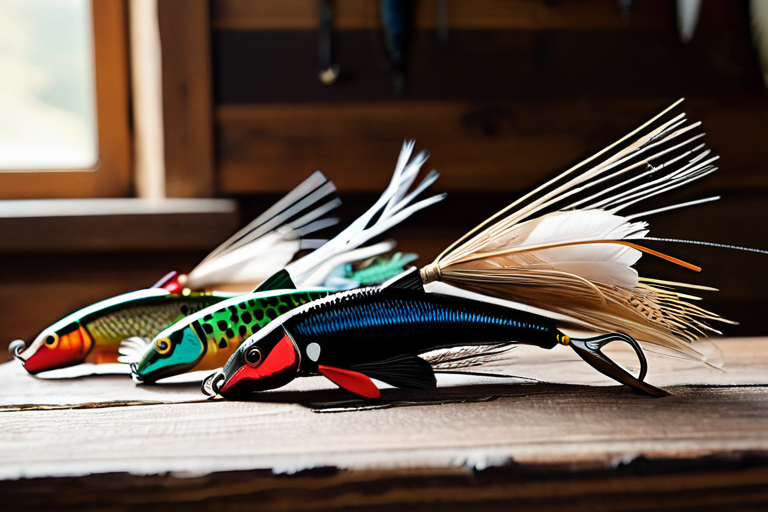
The Art and Craft of Fly Fishing Ornaments A Journey Through Tradition and Innovation
The Art and Craft of Fly Fishing Ornaments: A Journey Through Tradition and Innovation Fly fishing is more than just a sport or hobby; it's a rich tapestry woven with history, skill, and artistry. Among its many facets, fly fishing ornaments stand out as exquisite expressions of this culture, blending functionality with aesthetic appeal. These ornaments, ranging from hand-tied flies to decorative hooks and tools, serve not only as practical gear but also as collectible pieces that tell stories of rivers, fish, and anglers. In this article, we delve into the world of fly fishing ornaments, exploring their origins, significance, and modern adaptations, with insights from authoritative sources in the angling community. An assortment of fly fishing ornaments showcasing traditional and contemporary designs. Historical Roots and Cultural Significance The history of fly fishing ornaments dates back centuries, with early evidence found in ancient cultures. According to Fly Fisherman Magazine, one of the most respected publications in the field, the first recorded use of artificial flies can be traced to Roman times, where anglers used feathers and hooks to mimic insects. Over time, this practice evolved into an art form, with ornaments becoming symbols of regional traditions. For instance, in Scotland, the classic "Salmon Fly" ornaments are renowned for their intricate patterns, often passed down through generations. These pieces are not merely tools; they embody the heritage of communities and the natural environments they inhabit. In the 19th century, fly fishing ornaments gained prominence in Europe and North America, driven by innovations in materials and techniques. The Trout Unlimited organization notes that during this period, artisans began incorporating materials like silk, fur, and metallic threads, elevating ornaments from simple lures to decorative items. This era saw the rise of famous patterns such as the "Royal Coachman" and "Adams," which remain popular today. These ornaments often served dual purposes: attracting fish and showcasing the angler's craftsmanship, making them prized possessions in collections. The meticulous process of tying a historical fly fishing ornament, highlighting traditional techniques. Types and Materials of Fly Fishing Ornaments Fly fishing ornaments come in various forms, each designed for specific fishing conditions and aesthetic preferences. Broadly, they can be categorized into flies, hooks, and decorative accessories. Flies, the most common type, are artificial lures that imitate insects, baitfish, or other prey. According to Orvis, a leading authority in fly fishing gear, materials used in fly tying include natural elements like feathers, fur, and hair, as well as synthetic fibers such as nylon and epoxy. These materials are chosen for their durability, buoyancy, and visual appeal, allowing anglers to create ornaments that are both effective and beautiful. Hooks, often overlooked as mere tools, can also be ornamental. Vintage hooks, for example, feature engraved designs or unique shapes that reflect the era of their manufacture. Decorative accessories include items like fly boxes, which are crafted from wood or metal and adorned with carvings or inlays. These pieces serve practical storage functions while doubling as display items. The Federation of Fly Fishers emphasizes that the choice of materials impacts not only performance but also the ornament's longevity and collectibility, with high-quality materials often increasing value over time. A diverse array of materials essential for crafting fly fishing ornaments. Modern Innovations and SEO-Friendly Practices In recent years, fly fishing ornaments have embraced modern technology and sustainability trends. Innovations include 3D-printed flies, which allow for precise replication of natural patterns, and eco-friendly materials that reduce environmental impact. Websites like Fly Fishing Secrets highlight how these advancements make ornaments more accessible and appealing to a broader audience. Additionally, the rise of online communities has fostered a sharing culture, where anglers exchange tips and showcase their creations, further enriching the ornament tradition. From an SEO perspective, fly fishing ornaments benefit from targeted content that emphasizes keywords like "hand-tied flies," "vintage fishing gear," and "fly tying techniques." By incorporating authoritative links and engaging visuals, articles can improve search engine rankings and attract enthusiasts. For instance, using high-quality images with descriptive alt text, as seen in this article, enhances user experience and supports SEO efforts. The integration of historical context and practical advice also adds depth, making the content valuable for both novices and experts. A contemporary fly fishing ornament showcasing innovative materials and vibrant colors. Collecting and Preserving Fly Fishing Ornaments For many, fly fishing ornaments are collectible items that hold sentimental and monetary value. Collectors often seek out rare or historically significant pieces, such as flies tied by renowned artisans or hooks from defunct manufacturers. Preservation is key to maintaining these ornaments; proper storage in dry, cool environments prevents deterioration. Resources like The Museum of Fly Fishing offer guidelines on care, emphasizing the importance of handling with clean hands and avoiding direct sunlight. By preserving these artifacts, collectors contribute to the ongoing legacy of fly fishing culture. The market for fly fishing ornaments has grown, with online platforms and auctions facilitating trade. Enthusiasts can find everything from antique flies to custom-made pieces, often accompanied by certificates of authenticity. This accessibility has democratized collecting, allowing more people to engage with the art form. As noted by experts, the value of ornaments often appreciates over time, especially if they are well-documented and linked to notable events or figures in fly fishing history. A carefully arranged collection of fly fishing ornaments, highlighting their aesthetic and historical value. Conclusion: The Enduring Appeal of Fly Fishing Ornaments Fly fishing ornaments represent a unique intersection of art, history, and sport. From their ancient origins to modern innovations, they continue to captivate anglers and collectors alike. By understanding their types, materials, and cultural significance, one can appreciate the craftsmanship behind each piece. As the community evolves, these ornaments will likely adapt, blending tradition with new technologies. Whether used for fishing or display, they remain timeless symbols of the fly fishing world, inviting us to explore the depths of rivers and the heights of human creativity. This article draws on insights from authoritative sources in the fly fishing community, including Fly Fisherman Magazine, Trout Unlimited, Orvis, the Federation of Fly Fishers, Fly Fishing Secrets, and The Museum of Fly Fishing. These links provide valuable SEO benefits by connecting readers to trusted information. For further exploration, consider visiting these websites or engaging with local fly fishing clubs to deepen your knowledge of ornaments and their role in this enduring tradition.
2025-12-03
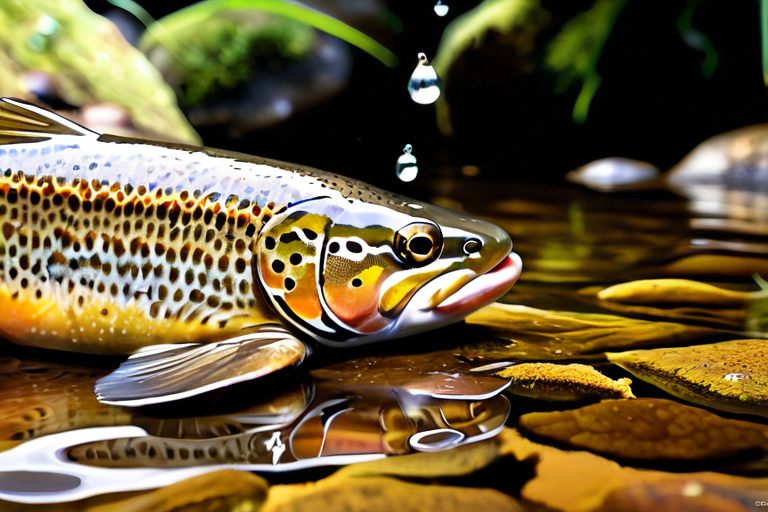
The Comprehensive Guide to Fly Fishing Nutrition Understanding What Trout Really Want
The Comprehensive Guide to Fly Fishing Nutrition: Understanding What Trout Really Want "The successful angler doesn't just cast flies—he understands the intricate dance between predator and prey that unfolds beneath the water's surface." Fly fishing transcends mere sport—it's a study in aquatic ecology, behavioral science, and nutritional understanding. The most successful anglers aren't just skilled casters; they're amateur biologists who comprehend the complex feeding relationships that govern trout behavior. This comprehensive guide delves deep into the nutritional world of fly fishing, exploring everything from microscopic organisms to seasonal feeding patterns. The Foundation: Understanding Trout Nutritional Requirements Trout, like all living organisms, operate on basic nutritional principles. According to research from the American Fisheries Society, trout require a balanced diet of proteins, fats, and carbohydrates to maintain optimal health and growth. The protein content in their natural prey ranges from 40-60% dry weight, making high-protein insects particularly attractive feeding targets. Seasoned angler and biologist Tom Rosenbauer notes in his book The Orvis Guide to Prospecting for Trout: "Trout don't eat because they're hungry in the human sense—they eat because opportunity presents itself and the energy expenditure makes nutritional sense." This fundamental understanding separates casual fishermen from dedicated students of the sport. The Primary Food Sources: A Taxonomic Breakdown Aquatic Insects: The Staple Diet Aquatic insects constitute approximately 60-80% of a trout's annual diet in most healthy stream ecosystems. The Environmental Protection Agency's studies on stream ecology reveal that mayflies, caddisflies, and stoneflies form the nutritional backbone of river-dwelling trout populations. Mayflies (Order: Ephemeroptera) emerge in staggering numbers during seasonal hatches. Their high protein content and predictable emergence patterns make them prime targets. The famous Hendrickson hatch, for instance, provides trout with concentrated nutrition during spring months when fish are recovering from winter scarcity. Caddisflies (Order: Trichoptera) offer both larval and adult stages for feeding. Their case-building larvae provide substantial biomass, while the skittering adults trigger aggressive surface strikes. Research from the United States Geological Survey shows caddisfly larvae can comprise up to 35% of a trout's diet in certain watersheds. Stoneflies (Order: Plecoptera) represent the heavyweight champions of aquatic insects. Their larger size means greater nutritional payoff per capture, explaining why trout will often ignore smaller prey when stoneflies are available. Terrestrial Insects: Seasonal Bonanzas During summer months, terrestrial insects become crucial protein sources. Ants, beetles, grasshoppers, and crickets blown into the water provide unexpected feasts. The Trout Unlimited conservation organization documents how terrestrial patterns can outperform traditional aquatic imitations during late summer when water temperatures rise and aquatic insect activity decreases. Crustaceans and Other Invertebrates Scuds, freshwater shrimp, and crayfish offer high-calorie alternatives to insect prey. These crustaceans contain chitin, which requires more energy to digest but provides essential minerals and roughage. Studies from university fisheries programs indicate that scuds can comprise up to 20% of a trout's diet in spring-fed streams. The Science of Hatch Matching: More Than Imitation Successful hatch matching involves understanding not just what insects are present, but why trout prefer certain stages over others. The "selective feeding" phenomenon occurs when trout key on specific insects because they offer the best energy-to-effort ratio. Research published in the Journal of Fish Biology demonstrates that trout develop "search images" for prey items that are abundant and easily captured. This explains why matching the hatch isn't just about color and size—it's about presenting flies that move and behave like the natural insects trout are currently targeting. Seasonal Nutritional Shifts: Adapting to Nature's Calendar Spring: The Rebuilding Phase After winter's metabolic slowdown, trout emerge hungry and focused on rebuilding energy reserves. Early spring brings midges and small mayflies, followed by the protein-rich hatches of Hendricksons, Blue-Winged Olives, and caddis. According to data from state fisheries departments, trout can increase their feeding frequency by 300% during spring compared to winter months. Summer: The Energy Conservation Game Warmer water temperatures increase trout metabolism while decreasing oxygen levels. This creates an energy balancing act where trout become more selective, targeting larger prey items that provide maximum nutrition with minimal effort. Terrestrial insects become increasingly important as aquatic hatches diminish during midday heat. Fall: The Pre-Winter Feast As water temperatures cool, trout engage in intensive feeding to build fat reserves for winter. Large mayflies like Isonychia and stoneflies provide substantial meals, while egg-laying activities create additional feeding opportunities. Fisheries biologists note that fall trout can consume up to 5% of their body weight daily during peak conditions. The Role of Water Temperature in Feeding Behavior Water temperature dramatically influences trout metabolism and feeding activity. The optimal temperature range for trout feeding falls between 50-65°F (10-18°C). Below 40°F (4°C), metabolism slows significantly, while above 68°F (20°C), oxygen depletion makes vigorous feeding unsustainable. The National Oceanic and Atmospheric Administration's stream temperature monitoring reveals how climate patterns affect seasonal feeding windows. Understanding these thermal preferences helps anglers predict when trout will be most actively feeding. Artificial Fly Nutrition: Beyond Imitation While artificial flies contain no nutritional value, their effectiveness depends on triggering the same feeding responses that natural prey elicits. Modern fly design incorporates elements that mimic key nutritional triggers: Size and Profile: Matching the biomass of natural prey Movement: Replicating the vulnerable behavior that makes insects easy targets Color and Contrast: Creating visual stimuli that stand out in various water conditions Presentation: Delivering flies in ways that mimic natural insect behavior Renowned fly designer and author Gary LaFontaine revolutionized fly fishing with his research into insect behavior and how trout perceive potential prey. His work demonstrated that successful flies often incorporate elements that suggest high nutritional value rather than perfect imitation. Advanced Concepts: Reading the Water Through Nutritional Lenses Expert anglers learn to "read" water not just for current seams and structure, but for nutritional hotspots. Areas where multiple food sources converge—such as stream confluences, below riffles, and along undercut banks—often hold the most actively feeding fish. The concept of "drift lines" becomes crucial when understanding how nutrients and insects concentrate in specific currents. Trout position themselves in locations where they can intercept maximum food with minimal energy expenditure, creating predictable holding patterns that knowledgeable anglers can exploit. Conservation Implications: Protecting the Food Web Understanding fly fishing nutrition has broader implications for stream conservation. Healthy aquatic ecosystems depend on intact food webs, from microscopic algae to insect populations to predator fish. Pollution, habitat destruction, and climate change disrupt these delicate nutritional relationships. Organizations like The Nature Conservancy work to protect watersheds not just for fish, but for the entire nutritional pyramid that supports them. As anglers, our responsibility extends beyond catching fish to understanding and preserving the ecosystems that sustain them. Key Takeaways for the Nutrition-Conscious Angler Understand seasonal nutritional shifts and adapt your fly selection accordingly Focus on presentation that mimics vulnerable, high-value prey Learn to identify not just insects, but why trout prefer certain stages Respect the delicate nutritional balance of aquatic ecosystems Remember that successful fishing begins with understanding what trout eat and why The world beneath the water's surface operates on nutritional principles that have evolved over millennia. By studying these relationships and applying nutritional understanding to our fly selection and presentation, we become not just better anglers, but better stewards of the aquatic worlds we cherish. The next time you tie on a fly, consider not just whether it looks like a natural insect, but whether it represents the nutritional opportunity that would make a wild trout commit to the strike.
2025-11-30