The Enigmatic Fly River Turtle: Nature's Living Fossil
The Fly River turtle (Carettochelys insculpta), commonly known as the pig-nosed turtle, stands as one of the most distinctive and evolutionarily unique freshwater turtles in existence. This remarkable species represents the sole surviving member of its family, Carettochelyidae, making it a true living fossil with evolutionary roots tracing back to the Cretaceous period.
Taxonomic Classification
- Kingdom: Animalia
- Phylum: Chordata
- Class: Reptilia
- Order: Testudines
- Family: Carettochelyidae
- Genus: Carettochelys
- Species: C. insculpta
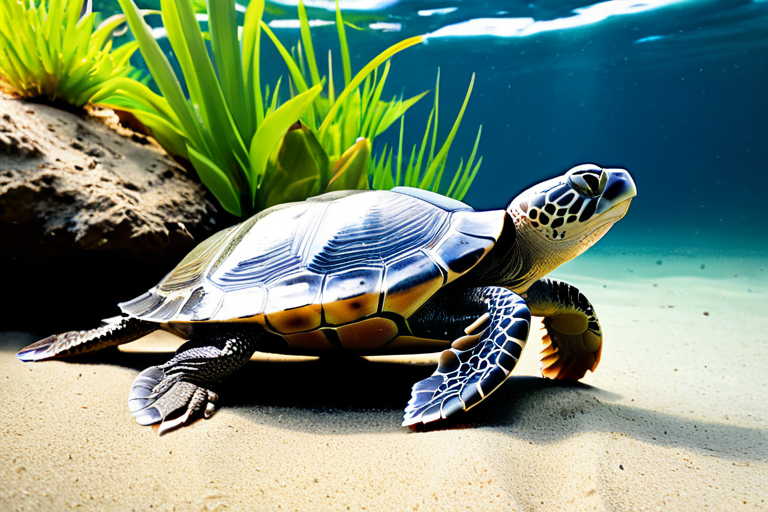
Natural Distribution and Habitat
According to the IUCN Red List, Fly River turtles inhabit freshwater systems in northern Australia and southern New Guinea. Their range includes:
Australian Range
Primarily found in the Daly, Adelaide, and Alligator River systems in the Northern Territory. Research from the Australian Museum indicates these populations represent the southernmost extent of their distribution.
New Guinea Distribution
Extensive populations exist throughout the Fly River system (their namesake), Lorentz River, and various coastal drainages. The World Wildlife Fund notes their preference for slow-moving rivers, lagoons, and swamps with sandy or muddy bottoms.
Distinctive Physical Characteristics
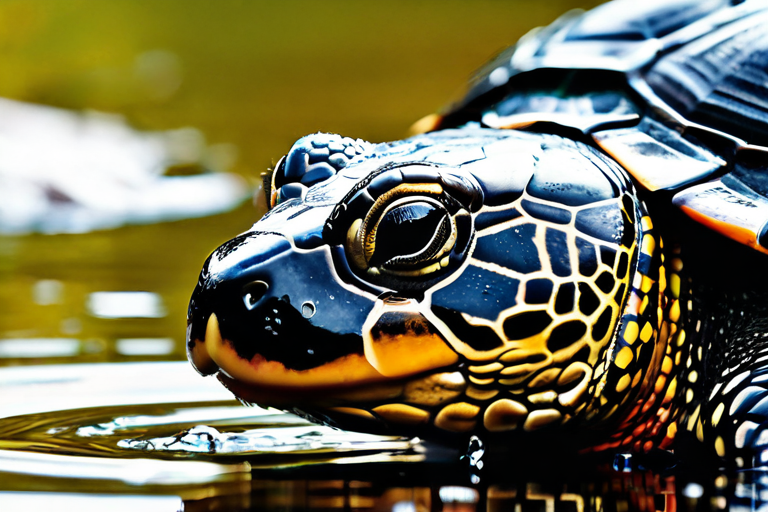
The Signature Snout
The most immediately recognizable feature is their fleshy, pig-like snout which functions as a snorkel. This adaptation allows them to breathe while remaining almost completely submerged, with only the tip of their nose breaking the water's surface.
Shell Structure
Unlike most freshwater turtles, Fly River turtles possess a leathery, flexible carapace rather than hard scutes. Their shell is olive-gray to dark gray with a slightly sculptured texture, providing both protection and hydrodynamic efficiency.
Scientific Note: The species name insculpta refers to the engraved or sculptured appearance of their carapace, a feature noted by early taxonomists who first described the species in 1886.
Behavioral Ecology and Life History
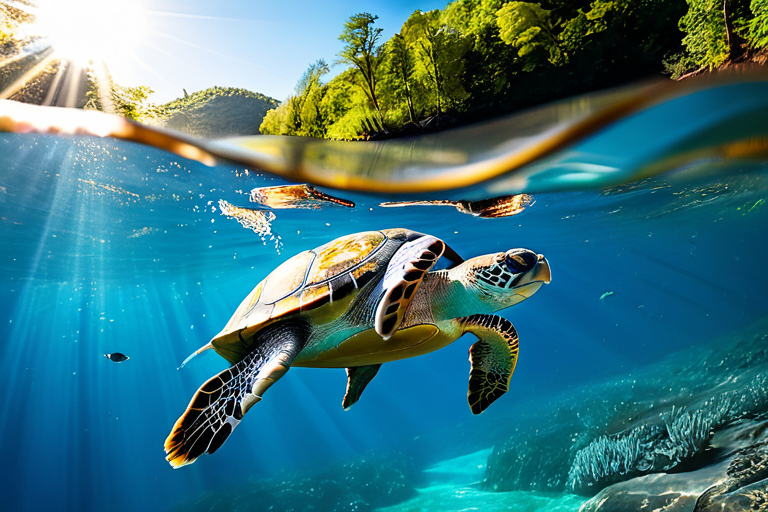
Aquatic Adaptations
Their front limbs are modified into flippers similar to marine turtles, making them powerful swimmers in river currents.
Conservation Status and Threats
The International Union for Conservation of Nature (IUCN) currently lists Carettochelys insculpta as Vulnerable with a decreasing population trend. Primary threats include:
Major Conservation Concerns
Habitat Destruction
River damming, mining operations, and agricultural expansion threaten critical nesting and feeding areas.
Illegal Wildlife Trade
High demand in international pet markets, particularly in Asia, drives unsustainable collection from wild populations.
Bycatch Mortality
Accidental capture in fishing nets results in significant drowning deaths among adult turtles.
Captive Care Requirements
Essential Husbandry Parameters
| Parameter | Requirement | Notes |
|---|---|---|
| Aquarium Size | Minimum 180 gallons | Larger for adult specimens (300+ gallons recommended) |
| Water Temperature | 78-82°F (25.5-27.7°C) | Consistent temperature crucial for health |
| pH Level | 6.5-7.5 | Slightly acidic to neutral preferred |
| Diet | 80% plant matter, 20% protein | Romaine lettuce, aquatic plants, occasional shrimp |
| Filtration | Canister filter rated 3-4x tank volume | High biological load requires robust filtration |
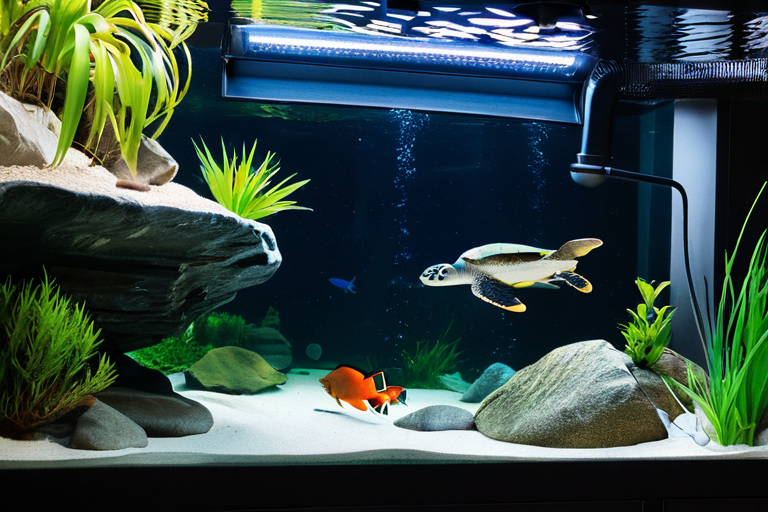
Behavioral Considerations
Fly River turtles are generally peaceful but can be territorial with conspecifics. They exhibit crepuscular activity patterns, being most active during dawn and dusk. Environmental enrichment including:
- Varied substrate for digging
- Driftwood and rock structures
- Live aquatic plants (though they may eat them)
- Hiding places and visual barriers
According to the Reptiles Magazine care guide, these turtles can live 25-35 years in captivity with proper care.
Evolutionary Significance
The Fly River turtle represents an important evolutionary link between softshell turtles (Trionychidae) and other turtle families. Paleontological evidence from the journal Scientific Reports suggests their lineage diverged from other turtles approximately 140 million years ago during the Early Cretaceous.
Unique Anatomical Features
Several characteristics distinguish them from other freshwater turtles:
Respiratory Adaptations
Ability to perform cloacal respiration (breathing through cloaca) in addition to pulmonary respiration
Skeletal Structure
Reduced number of plastral bones compared to other turtle families
Sensory Systems
Highly developed olfactory senses for locating food in turbid waters
Conclusion: A Species Worth Protecting
The Fly River turtle stands as a remarkable example of evolutionary adaptation and biological uniqueness. As the sole surviving member of an ancient lineage, it represents irreplaceable genetic diversity. Conservation efforts led by organizations like the Turtle Conservancy and local Australian wildlife agencies focus on habitat protection, anti-poaching measures, and captive breeding programs.
For prospective keepers, these turtles require significant commitment due to their size, longevity, and specific environmental needs. Always source captive-bred specimens from reputable breeders and ensure compliance with CITES regulations and local wildlife laws.
Further Resources
- IUCN Red List Assessment - Current conservation status
- Australian Turtle Conservation Project - Local conservation initiatives
- Reptiles Magazine - Husbandry articles and care guides