The Art of Dead Drift Fly Fishing: Mastering Nature's Rhythm
In the world of fly fishing, few techniques evoke as much reverence and mystique as the dead drift. It’s a method that transcends mere skill, blending artistry, patience, and an intimate understanding of aquatic ecosystems. Unlike aggressive retrieves or flashy presentations, dead drift relies on mimicking the natural, effortless flow of insects on the water’s surface—a subtle dance that can deceive even the wariest trout. This article delves into the nuances of dead drift fly fishing, exploring its history, techniques, and the science behind its effectiveness, with insights from authoritative sources to guide both novices and seasoned anglers.

A tranquil river setting where dead drift techniques shine, capturing the essence of natural insect drift.
Origins and Evolution of Dead Drift
The concept of dead drift isn’t new; it has roots in traditional fly fishing practices dating back centuries. Early anglers observed that insects, whether mayflies, caddisflies, or stoneflies, often drift lifelessly on currents after hatching or being swept into the water. This observation led to the development of flies and techniques designed to replicate this passive movement. According to Fly Fisherman Magazine, a leading resource in the angling community, dead drift gained prominence in the 20th century as fly fishing evolved from a subsistence activity to a refined sport. Pioneers like Lee Wulff and Charles Ritz emphasized the importance of natural presentation, laying the groundwork for modern dead drift methods.
In recent decades, scientific studies have validated the effectiveness of dead drift. Research from institutions like Trout Unlimited highlights how trout and other freshwater species key in on drift patterns to conserve energy while feeding. By presenting a fly that moves with the current without unnatural drag, anglers tap into an instinctual response, increasing strike rates. This blend of tradition and science makes dead drift a cornerstone of fly fishing, revered by experts and enthusiasts alike.
Core Techniques for Mastering Dead Drift
Achieving a perfect dead drift requires more than just casting a fly; it demands precision in line management, fly selection, and reading the water. Here’s a breakdown of key techniques, supported by insights from authoritative sources:
- Mending the Line: As noted by Orvis, a trusted name in fly fishing gear and education, mending is crucial to eliminate drag. By lifting and repositioning the fly line upstream, anglers allow the fly to drift naturally with the current. Practice on varied water types—from slow pools to fast riffles—to hone this skill.
- Fly Selection and Imitation: Choose flies that match the local insect hatch. Dry flies like Adams or Parachute patterns work well for surface drifts, while nymphs such as Pheasant Tails are ideal for subsurface presentations. Scientific Anglers emphasizes the importance of size and color accuracy to mimic natural prey.
- Reading Water Currents: Identify seams, eddies, and slack water where trout hold. These areas often concentrate drifting insects, making them prime spots for dead drift. Resources from The Federation of Fly Fishers offer detailed guides on hydrology and fish behavior.
- Stealth and Presentation: Approach the water quietly to avoid spooking fish. Cast upstream or across-current to allow the fly to drift into target zones. As highlighted by Field & Stream, a subtle entry and minimal line disturbance are key to success.
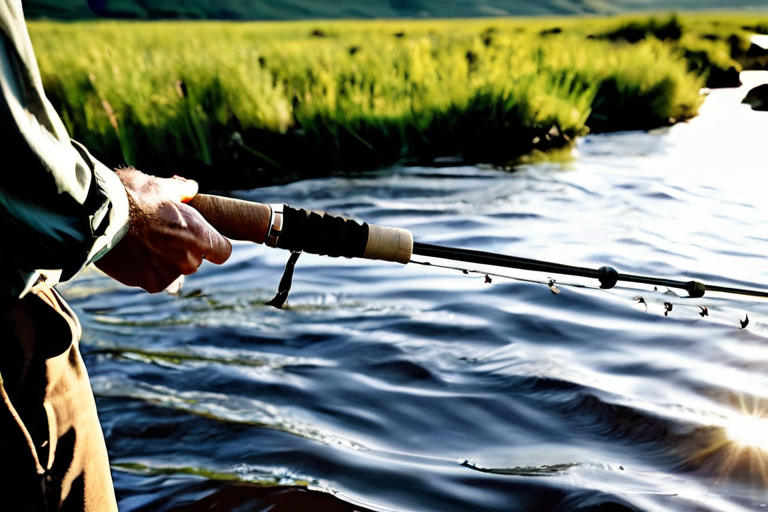
Illustrating the precision of line mending in dead drift fly fishing, a technique essential for natural presentation.
The Science Behind Dead Drift Effectiveness
Why does dead drift work so well? The answer lies in aquatic biology and fish psychology. Trout, for instance, are opportunistic feeders that conserve energy by targeting easy meals. A study referenced by The U.S. Geological Survey explains that drifting insects provide a high-nutrient, low-effort food source. When a fly moves unnaturally—due to drag or erratic motion—it triggers suspicion, often leading to refusal. Dead drift, by contrast, aligns with the predictable patterns of natural drift, reducing detection risk.
Moreover, water dynamics play a critical role. Currents create micro-environments where insects accumulate, and trout position themselves strategically to intercept them. By understanding these dynamics, anglers can place flies in the “strike zone” with greater accuracy. The American Fishing Association notes that dead drift is particularly effective in clear, slow-moving waters where fish have more time to inspect offerings.
Advanced Tips and Common Pitfalls
Even experienced anglers can struggle with dead drift. Common mistakes include over-mending, which creates unnatural movement, or using flies that are too bulky for delicate drifts. To refine your approach, consider these advanced tips:
- Use Light Tippets: A fine tippet (e.g., 5X or 6X) reduces visibility and allows for more natural drift. Rio Products, a leader in fly fishing lines, recommends matching tippet size to fly weight and water conditions.
- Experiment with Drift Length: Vary the length of your drifts to cover different water columns. Short drifts work in tight seams, while longer drifts are effective in pools.
- Observe Insect Activity: Spend time watching the water before casting. Identify rising fish and insect hatches to tailor your presentation. Resources from Buglife can help with insect identification.
- Practice in Different Conditions: Dead drift isn’t just for calm days. Windy weather or turbulent waters require adjustments in casting and mending techniques.
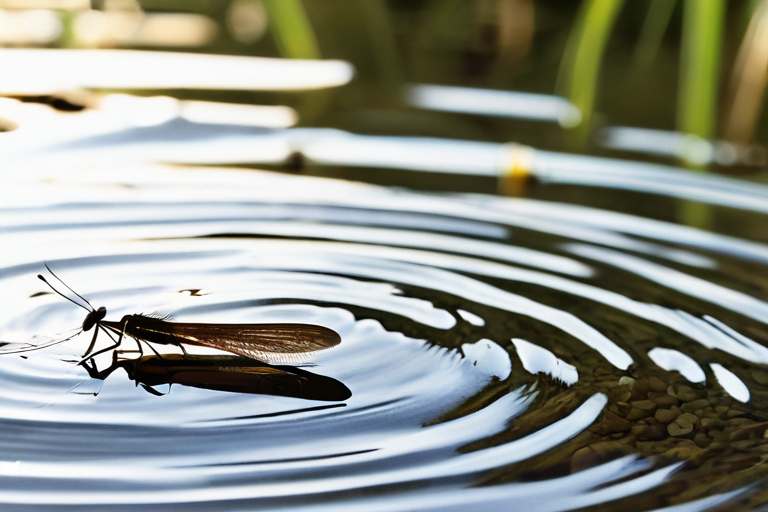
A detailed view of natural insect drift, inspiring fly selection and presentation strategies for dead drift fishing.
Conclusion: Embracing the Dead Drift Philosophy
Dead drift fly fishing is more than a technique; it’s a philosophy that connects anglers to the rhythms of nature. By prioritizing subtlety and observation over force, it rewards patience and skill with memorable catches and deeper appreciation for aquatic environments. Whether you’re wading a remote stream or fishing a local river, mastering dead drift can transform your angling experience. For further learning, explore resources from The Fly Fishing Foundation and engage with communities that champion sustainable practices.
In the end, dead drift reminds us that success in fly fishing often lies in the details—the gentle mend, the perfectly matched fly, the quiet approach. As you hit the water, let the current guide your fly, and embrace the art of drifting with purpose.