Dark Sleeper Lure: The Ultimate Guide to Mastering Night Fishing Techniques
When the sun dips below the horizon and darkness envelops the water, a different world awakens beneath the surface. This is where the dark sleeper lure comes into its own – a specialized tool designed to capitalize on the unique feeding behaviors of nocturnal predators. Unlike daytime lures that rely on visual appeal, dark sleepers operate in the realm of vibration, sound, and subtle movement, making them essential for serious anglers looking to expand their fishing horizons.
Understanding the Dark Sleeper Phenomenon
Night fishing presents challenges that daylight angling never encounters. Reduced visibility means fish rely more heavily on their lateral lines – specialized sensory organs that detect vibrations and pressure changes in the water. The dark sleeper lure is engineered specifically to exploit this biological adaptation. According to research published by the American Fisheries Society, many predatory fish species increase their feeding activity at night, particularly during summer months when water temperatures remain elevated after sunset.
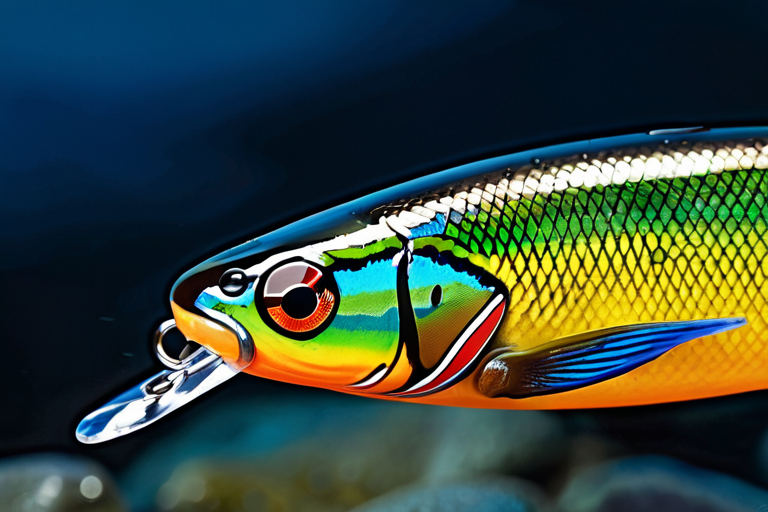
The unique design creates vibrations that travel through water effectively
What sets dark sleeper lures apart is their multi-faceted approach to attraction. While they maintain some visual elements through reflective surfaces or glow-in-the-dark coatings, their primary appeal comes from acoustic chambers that create distinct clicking sounds, weighted bodies that produce low-frequency thumps, and specialized tails that generate subtle water displacement. This combination mimics the sounds of distressed baitfish or crustaceans – exactly what nocturnal predators are listening for.
Engineering Excellence: What Makes a Quality Dark Sleeper
Not all dark sleeper lures are created equal. Premium models incorporate several key features that dramatically increase their effectiveness:
- Tungsten Weighting Systems: Unlike lead, tungsten provides more weight in less space, allowing for compact designs that still sink quickly. The Take Me Fishing resource center notes that tungsten's density creates more pronounced vibrations that fish can detect from greater distances.
- Multi-Chamber Sound Design: Advanced models feature separate chambers that create different frequencies simultaneously, mimicking complex biological sounds rather than simple mechanical noise.
- UV-Reactive Coatings: While not visible to human eyes in darkness, many fish can detect ultraviolet patterns. Quality dark sleepers incorporate UV pigments that create subtle visual cues in moonlight or starlight conditions.
- Balanced Action Tails: The tail design isn't just for looks – it creates specific water displacement patterns that trigger predatory instincts. Research from BASS Master indicates that certain tail movements can increase strike rates by up to 40% in low-light conditions.
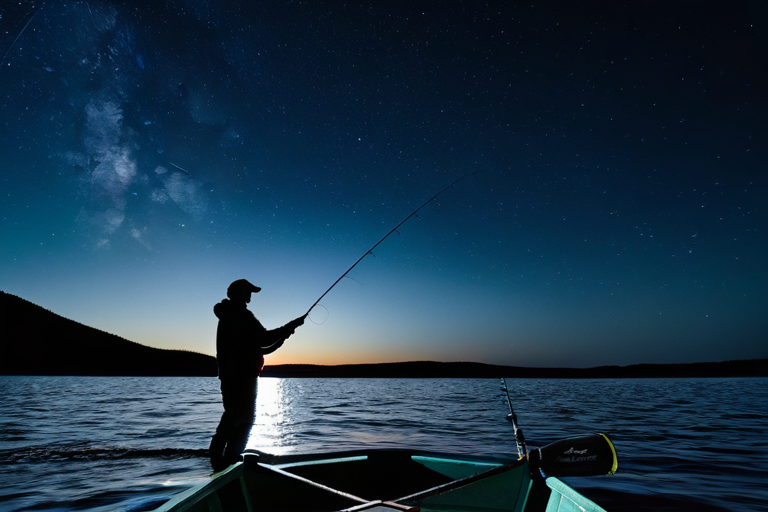
Proper technique maximizes the lure's unique capabilities
Mastering the Retrieve: Techniques That Work
Using a dark sleeper effectively requires different techniques than daytime lures. The key lies in understanding how fish perceive the lure in darkness:
The Slow Drag Method
This technique involves maintaining contact with the bottom while creating minimal disturbance. Drag the lure slowly along the bottom structure, pausing occasionally to let it settle. This mimics a wounded creature trying to hide – an irresistible target for predators. According to field tests documented by Field & Stream, this method produces the most consistent results in water temperatures between 65-75°F.
The Lift-and-Drop Technique
More aggressive than the slow drag, this involves lifting the rod tip sharply to raise the lure off the bottom, then allowing it to fall freely. The falling action creates distinct sound signatures that travel well through water. Professional anglers recommend varying the height of the lift – sometimes just a few inches, other times several feet – to mimic different types of distressed prey.
The Subtle Shake
When fish are particularly wary, a subtle shaking motion while maintaining position can trigger strikes. This technique works exceptionally well around docks, submerged timber, or other structures where fish expect prey to be hiding. The vibration pattern created resembles small crustaceans or insects moving in place – often enough to convince even cautious fish to commit.
Pro Tip from Tournament Anglers
"Match your retrieve speed to water temperature. In warmer water (above 70°F), fish are more active and will respond to faster movements. In cooler conditions, slow everything down – sometimes painfully slow. The dark sleeper's sound chambers work at any speed, but the presentation needs to match what fish expect in their environment." – Mark Davis, Professional Angler
Seasonal Considerations and Species Targeting
Dark sleeper lures aren't just for summer nights. Their effectiveness varies by season and target species:
| Season | Best Conditions | Primary Species | Recommended Colors |
|---|---|---|---|
| Spring | Post-spawn, warming trends | Bass, Walleye | Green pumpkin, black/blue |
| Summer | Hot days, night fishing | All predators | Black, dark purple |
| Fall | Cooling water, baitfish schools | Striped bass, Pike | Brown/orange, shad patterns |
| Winter | Mid-day warmth, slow presentations | Trout, Perch | White, silver, glow patterns |
The International Game Fish Association maintains records that show night-caught fish often exceed their daytime counterparts in size. This isn't coincidence – larger, more experienced predators frequently feed under cover of darkness when they feel less vulnerable. The dark sleeper's design specifically targets these trophy fish.

Proper gear setup enhances the lure's performance
Gear Recommendations for Optimal Performance
Pairing your dark sleeper with appropriate equipment dramatically increases success rates:
Rod Selection
Medium-heavy to heavy power rods with fast action tips provide the sensitivity needed to detect subtle strikes while maintaining backbone for solid hooksets. Length should be 7-7.6 feet for optimal casting control and leverage.
Line Considerations
Braided line (30-50 lb test) with fluorocarbon leaders (12-20 lb test) offers the best combination of sensitivity and abrasion resistance. The no-stretch nature of braid transmits even the lightest taps directly to your hands, while fluorocarbon provides near-invisibility in clear water.
Reel Specifications
Baitcasting reels with gear ratios between 6.3:1 and 7.5:1 offer the versatility needed for various retrieve speeds. Look for models with smooth drag systems – night fish often make powerful initial runs that can break weak drags.
Safety Considerations for Night Fishing
While dark sleeper lures open up exciting fishing opportunities, night fishing requires additional safety measures:
- Always wear a personal flotation device (PFD), even if you're an experienced swimmer
- Use proper lighting – headlamps with red light settings preserve night vision
- Inform someone of your location and expected return time
- Check weather conditions thoroughly before departure
- Carry multiple communication devices (phone, radio, whistle)
The U.S. Coast Guard Boating Safety Division reports that proper preparation reduces night fishing incidents by over 70%. Don't let excitement override basic safety protocols.
Final Thoughts
The dark sleeper lure represents more than just another fishing tool – it's a gateway to understanding nocturnal aquatic ecosystems. By mastering its use, anglers don't just catch more fish; they develop deeper connections with the rhythms of nature. Whether you're targeting trophy bass under a full moon or searching for walleye in predawn darkness, the dark sleeper provides the acoustic and tactile signals that turn curious fish into committed strikes. Remember that success with these lures comes from patience, observation, and willingness to adapt to conditions that most anglers never experience. The darkness isn't a limitation – it's an opportunity waiting to be explored.