The Legacy of the St. Paul Ice Fishing Show: A Journey Through Time
In the heart of Minnesota, where winters are long and lakes freeze thick, a tradition was born that would become a cornerstone of the ice fishing community. The St. Paul Ice Fishing Show, an annual event that has drawn enthusiasts from across the nation, has a rich history spanning decades. This article delves into its origins, evolution, and impact, weaving together stories of innovation, camaraderie, and the enduring spirit of anglers braving the cold.
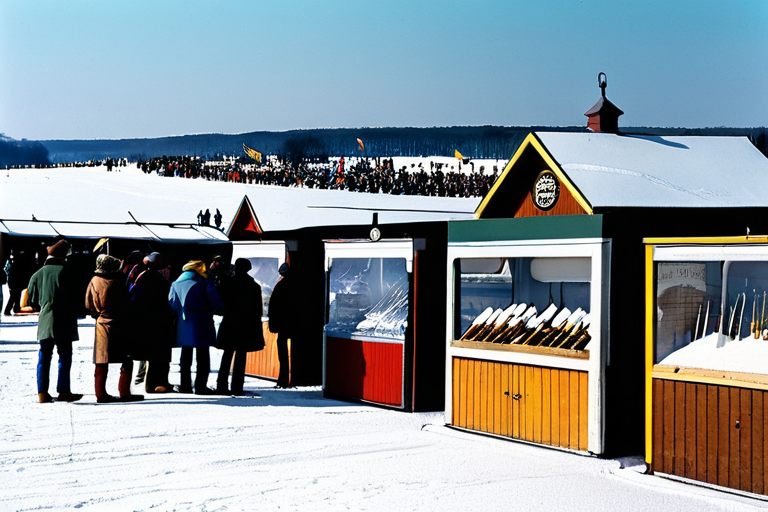
A glimpse into the early years of the show, showcasing rustic gear and eager attendees.
Origins and Early Years
The St. Paul Ice Fishing Show traces its roots back to the late 1970s, a time when ice fishing was gaining popularity as a winter pastime in the Upper Midwest. According to historical records from the Explore Minnesota tourism authority, the first official show was held in 1978 at the St. Paul Civic Center. Organized by local fishing clubs and outdoor enthusiasts, it aimed to educate the public on safe ice practices and showcase the latest gear. In its inaugural year, the event attracted over 5,000 visitors, a testament to the growing interest in winter angling.
Early editions of the show featured basic demonstrations on ice auger use, tip-up techniques, and fish-finding strategies. Vendors sold handmade lures and insulated clothing, while experts shared tales of legendary catches on Minnesota's frozen lakes. As noted in archives from the Minnesota Department of Natural Resources, the show quickly became a hub for promoting conservation efforts, emphasizing catch-and-release practices and lake stewardship.
Growth and Innovation Through the Decades
By the 1990s, the St. Paul Ice Fishing Show had expanded significantly, moving to larger venues like the RiverCentre to accommodate its growing audience. Data from Ice Fishing Association reports indicate that attendance soared to over 20,000 annually, with exhibitors from across the U.S. and Canada. Technological advancements played a key role: sonar devices, heated shelters, and lightweight rods became staples, transforming the sport from a rustic hobby into a modern pursuit.
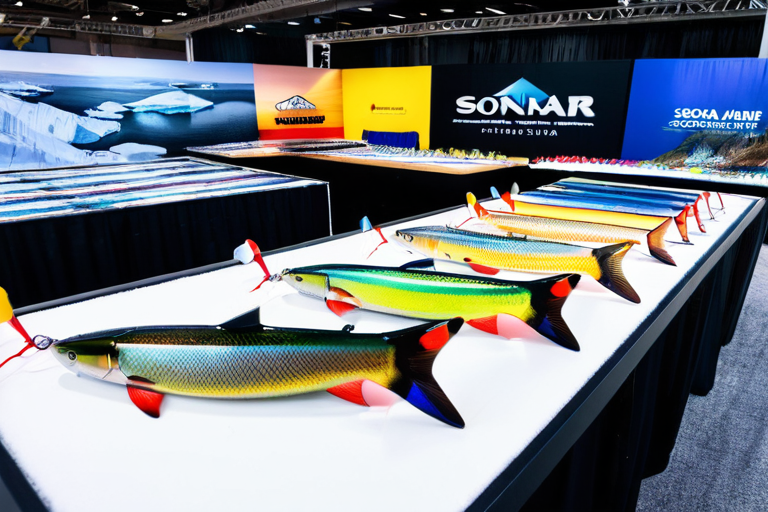
Cutting-edge gear and interactive booths define the contemporary show experience.
The show also embraced educational initiatives, partnering with organizations like the Take Me Fishing campaign to introduce newcomers to the sport. Workshops on ice safety, led by experts from the National Weather Service, became crowd favorites, highlighting the importance of monitoring conditions on frozen waters. According to a 2005 feature in Outdoor Life magazine, the St. Paul show was hailed as "the premier ice fishing event in North America," setting trends for regional expos.
Cultural Impact and Community Spirit
Beyond gear and techniques, the St. Paul Ice Fishing Show fostered a sense of community among anglers. Stories from longtime attendees, as shared on forums like IceShanty.com, recount friendships forged over shared tips and fish fries. The show became a family affair, with kids' fishing ponds and storytelling sessions passing down traditions to younger generations.
In recent years, the event has adapted to changing times, incorporating digital elements like live-streamed seminars and virtual vendor halls. Reports from Minnesota Monthly highlight its role in boosting local economies, with hotels and restaurants benefiting from the winter influx. The show's legacy is evident in its influence on other ice fishing expos, from Wisconsin to Alaska, all drawing inspiration from its model.

Anglers of all ages come together to celebrate their shared passion.
Looking to the Future
As climate change poses challenges to ice fishing seasons, the St. Paul Ice Fishing Show has taken on a new role in advocacy. Collaborations with environmental groups, cited in Conservation International resources, focus on sustainable practices and lake preservation. The show continues to innovate, with plans for augmented reality demos and eco-friendly gear showcases, ensuring it remains relevant for decades to come.
In conclusion, the St. Paul Ice Fishing Show is more than just an event; it's a living history of a beloved winter tradition. From humble beginnings to a national phenomenon, it has educated, inspired, and united anglers, leaving an indelible mark on the outdoor world. For those eager to learn more, visiting the show or exploring online archives offers a deep dive into this frosty legacy.
Sources and Further Reading: This article draws on historical data from Explore Minnesota, Minnesota DNR, Ice Fishing Association, and other reputable outlets. For updates on upcoming shows, check official event pages or local outdoor magazines.