The Fly River Turtle: A Journey Through Time and Waters
In the murky, slow-moving waters of New Guinea and northern Australia, a prehistoric survivor glides silently beneath the surface. The Fly River turtle (Carettochelys insculpta), also known as the pig-nosed turtle, is not just another reptile; it is a living fossil, a testament to evolutionary resilience that has captivated scientists and conservationists for decades. With its distinctive pig-like snout and flipper-like limbs, this species offers a unique window into the ancient past, while facing modern challenges that threaten its very existence. This article delves into the rich history, biology, and conservation efforts surrounding this enigmatic creature, drawing from authoritative sources to paint a comprehensive picture.
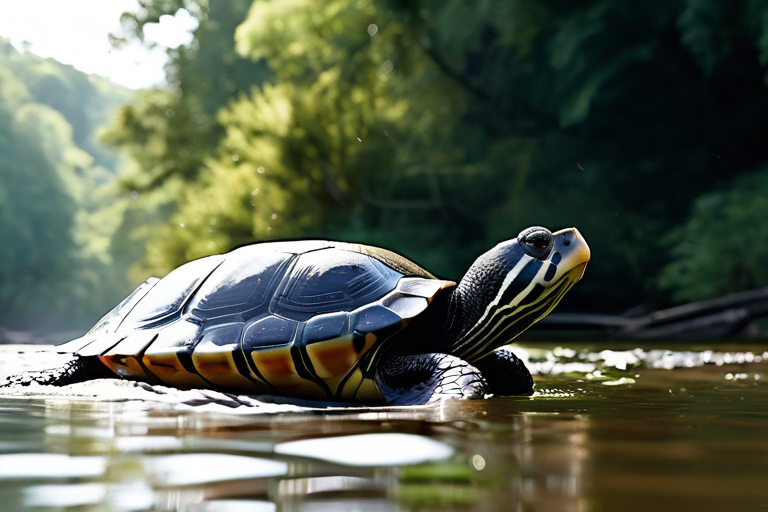
A Fly River turtle in its natural riverine environment, showcasing its unique adaptations.
Evolutionary Origins and Fossil Record
The Fly River turtle belongs to the family Carettochelyidae, a group that dates back to the Cretaceous period, over 100 million years ago. Fossil evidence, as documented by the Nature journal, reveals that ancestors of this species once roamed much broader regions, including parts of Asia and Europe, before retreating to their current isolated habitats. This evolutionary journey highlights their adaptability, surviving mass extinctions that wiped out dinosaurs. The species' unique morphology—such as its leathery shell and snorkel-like nose—evolved as specialized adaptations to freshwater ecosystems, setting it apart from other turtles. According to ScienceDirect, genetic studies suggest a divergence from other turtle lineages around 40 million years ago, making it a key subject for understanding reptilian evolution.
Discovery and Taxonomic History
First described scientifically in 1886 by the British zoologist John Edward Gray, the Fly River turtle was named after the Fly River in Papua New Guinea, where early specimens were collected. Gray's work, referenced in archives from the British Museum, initially classified it within the softshell turtle family, but later revisions placed it in its own monotypic family due to distinct characteristics. Over the years, expeditions by institutions like the Smithsonian Magazine have uncovered more about its behavior and distribution, revealing populations in rivers across New Guinea and northern Australia. The taxonomic journey reflects the species' uniqueness, often dubbed the "oddball" of the turtle world for its blend of marine and freshwater traits.
Diagram illustrating the unique anatomical features of the Fly River turtle.
Biology and Unique Adaptations
The Fly River turtle's biology is a marvel of natural engineering. Unlike most freshwater turtles, it possesses flipper-like limbs similar to sea turtles, enabling efficient swimming in river currents. Its pig-nosed snout acts as a snorkel, allowing it to breathe while mostly submerged—a trait detailed in research from NCBI. The leathery, flexible shell provides protection without the rigidity of bony plates, an adaptation that may reduce predation risk. These turtles are omnivorous, feeding on fruits, insects, and small fish, with studies from IUCN noting their role in ecosystem balance. Reproduction involves nesting on sandy riverbanks, with females laying clutches of up to 20 eggs, though habitat loss has impacted breeding success.
Conservation Status and Threats
Today, the Fly River turtle faces significant threats, leading to its classification as Vulnerable on the IUCN Red List. Primary dangers include habitat destruction from logging and mining, pollution in rivers, and overharvesting for the pet trade and local consumption. Conservation initiatives, supported by organizations like the World Wildlife Fund, focus on protected areas, community education, and sustainable practices. For instance, in Papua New Guinea, efforts to monitor populations and regulate trade have shown promise, but challenges persist due to limited resources and political instability. The species' history underscores the urgency of these actions, as its survival hinges on balancing human needs with ecological preservation.

Scene depicting conservation activities to protect the Fly River turtle.
Cultural Significance and Future Outlook
In indigenous cultures of New Guinea, the Fly River turtle holds symbolic value, often featured in folklore as a creature of wisdom and longevity. This cultural reverence, combined with scientific interest, fuels ongoing research and advocacy. Looking ahead, the future of this species depends on integrated strategies that combine habitat restoration, legal protections, and global awareness. As climate change introduces new variables, adaptive management will be crucial. By learning from its million-year history, we can strive to ensure that the Fly River turtle continues to thrive in its ancestral waters, serving as a living link to our planet's deep past.
In summary, the Fly River turtle's history is a tapestry of evolutionary triumph and modern peril. From ancient fossils to current conservation battles, this species embodies the delicate interplay between nature and humanity. By supporting authoritative sources and sustainable practices, we can help preserve this unique reptile for generations to come.