The Essential Guide to Ice Fishing Gloves: Why Your Hands Deserve More Than Just Warmth
When the mercury plunges and lakes transform into frozen expanses, ice anglers face a unique set of challenges. While rods, augers, and shelters often dominate gear discussions, there's one piece of equipment that can make or break your day on the ice: your gloves. Ice fishing gloves aren't just about keeping your fingers from turning blue—they're about maintaining dexterity, ensuring safety, and enhancing your overall fishing experience. Let's dive into why specialized ice fishing gloves are non-negotiable for serious anglers.
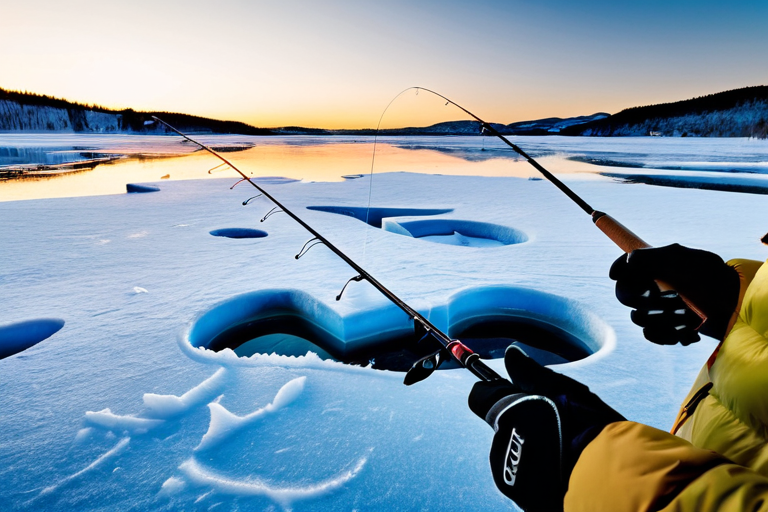
Specialized gloves provide the perfect balance of warmth and dexterity needed for ice fishing tasks.
The Science of Cold Hands: More Than Just Discomfort
According to research from the National Safety Council, frostbite can begin to develop in as little as 30 minutes when exposed to temperatures below freezing. But cold hands aren't just uncomfortable—they're dangerous. Reduced blood flow to extremities decreases dexterity by up to 30%, making simple tasks like tying knots or handling fish nearly impossible.
Dr. Michael Thompson, a sports medicine specialist quoted in Outdoor Life, explains: "When your hands get cold, nerve conduction slows dramatically. This isn't just about feeling cold—it's about losing the fine motor control necessary for fishing tasks. Proper gloves maintain hand temperature above 59°F (15°C), where dexterity remains functional."
Key Statistics:
- Hands lose heat 25 times faster than other body parts (American Journal of Physiology)
- Finger dexterity decreases by 20-40% at 50°F (10°C) hand temperature
- Wet gloves lose insulating value up to 90% faster than dry ones
Beyond Warmth: The Multi-Functional Nature of Ice Fishing Gloves
Modern ice fishing gloves serve multiple purposes that regular winter gloves simply can't match. As noted by gear experts at IceShanty, the best ice fishing gloves incorporate:
Waterproof Technology
Materials like Gore-Tex or proprietary waterproof membranes prevent moisture penetration while allowing sweat vapor to escape.
Enhanced Grip Patterns
Specialized rubberized patterns on palms and fingers provide secure handling of wet fish, slippery rods, and cold equipment.
Strategic Insulation
Varying insulation thickness—lighter on palms for dexterity, heavier on backs for warmth—optimizes performance.
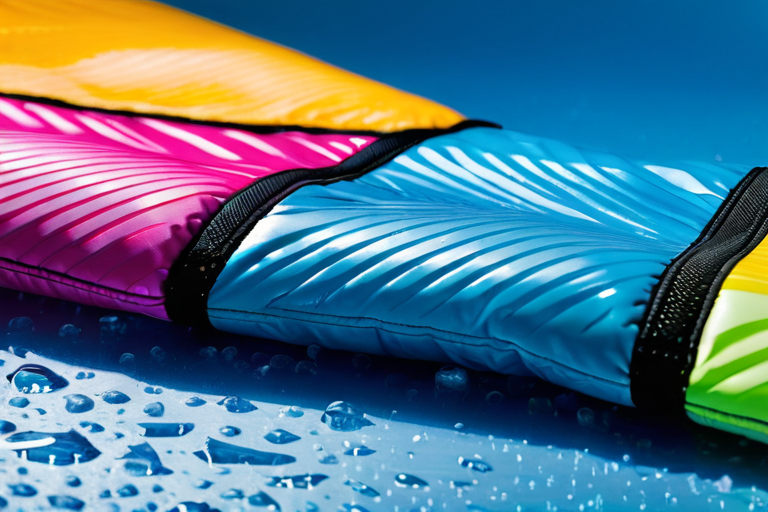
Advanced materials and design features distinguish ice fishing gloves from ordinary winter wear.
The Dexterity Dilemma: Finding the Right Balance
The eternal challenge for ice anglers: warmth versus dexterity. Too much insulation, and you can't feel bites or tie knots. Too little, and you're packing up early with numb fingers. The solution lies in layering systems and specialized designs.
As highlighted in Field & Stream's gear guide, successful ice anglers often use a three-part system:
- Liner Gloves: Thin, moisture-wicking base layer for maximum dexterity
- Insulating Gloves: Mid-layer providing primary warmth during inactive periods
- Shell Mittens: Waterproof outer layer with flip-top design for quick access
This system allows anglers to adapt to changing conditions throughout the day without sacrificing either warmth or functionality.
Material Matters: What Makes Ice Fishing Gloves Different
Not all insulating materials are created equal for ice fishing applications. According to testing by OutdoorGearLab, the most effective materials for ice fishing gloves include:
| Material | Warmth Retention | Water Resistance | Dexterity Rating |
|---|---|---|---|
| Neoprene | Excellent | Superior | Good |
| PrimaLoft Gold | Outstanding | Good | Excellent |
| Merino Wool | Good | Poor (needs treatment) | Excellent |
| Synthetic Fleece | Good | Poor | Excellent |
The key innovation in recent years has been the development of hydrophobic treatments that maintain insulation value even when wet—a crucial feature when handling fish or dealing with melting ice.
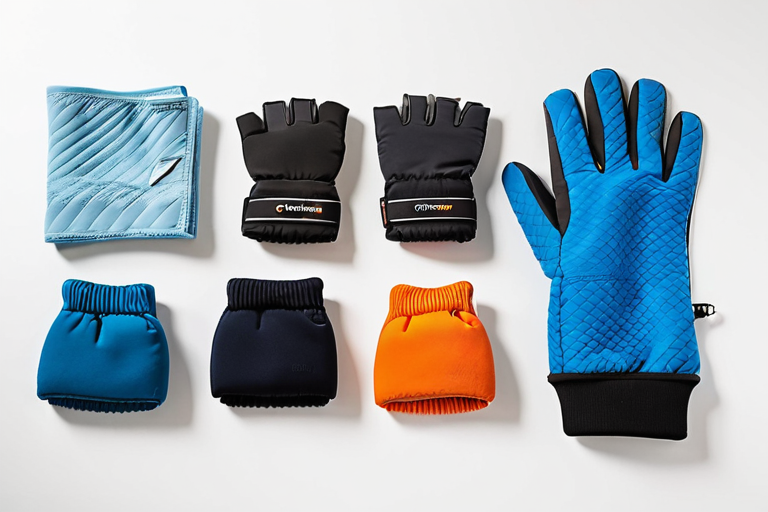
Different materials offer varying balances of warmth, water resistance, and flexibility.
Safety First: How Proper Gloves Prevent Accidents
Beyond comfort and functionality, ice fishing gloves play a critical safety role. The Centers for Disease Control and Prevention reports that cold-related injuries increase significantly when proper hand protection isn't used. Specific safety benefits include:
- Cut Protection: Many ice fishing gloves incorporate Kevlar or other cut-resistant materials around palms and fingers
- Enhanced Grip: Prevents slips when handling sharp augers or heavy equipment
- Temperature Regulation: Maintains hand temperature to prevent frostbite and maintain alertness
- Visibility: Reflective elements on some gloves improve visibility in low-light conditions
Professional ice fishing guide Mark Johnson, interviewed by In-Fisherman, puts it bluntly: "I've seen more trips ruined by inadequate gloves than any other piece of gear. Cold hands lead to mistakes, and on the ice, mistakes can be dangerous."
The Economic Argument: Why Specialized Gloves Save Money
While premium ice fishing gloves might seem expensive initially (typically $40-$120), they represent significant long-term value. Consider these factors:
Cost-Benefit Analysis
Regular Winter Gloves: $20-$40, last 1 season, poor performance when wet, limited dexterity
Ice Fishing Gloves: $60-$100, last 3-5 seasons, maintain performance when wet, optimized dexterity
Annual Cost: $15-$20 vs. $40+ (plus ruined fishing days)
When you factor in the cost of a ruined fishing trip (travel, bait, lost time), investing in proper gloves becomes an obvious choice for serious anglers.
Choosing Your Gloves: A Practical Guide
Based on recommendations from the IceShanty community forum, here's what to look for:
For Jigging
Thinner palms, maximum finger flexibility, good sensitivity
For Tip-Ups
Warmer overall, waterproof exterior, easy on/off design
All-Day Comfort
Layering system, moisture-wicking liner, adjustable wrist closure
Remember: Try gloves with your actual fishing gear before buying. What feels good in the store might not work with your specific rod handles or reel mechanisms.
Maintenance and Care: Extending Your Investment
Proper care can double or triple the lifespan of your ice fishing gloves. The REI Co-op experts recommend:
- Air dry thoroughly after each use—never use direct heat
- Clean according to manufacturer instructions (most are machine washable)
- Reapply waterproofing treatments annually
- Store in a cool, dry place away from direct sunlight

Proper maintenance ensures your gloves perform season after season.
Conclusion: Don't Underestimate Your Gloves
Ice fishing gloves represent one of the most important investments you can make for your winter fishing success. They're not just accessories—they're essential tools that affect your safety, comfort, and effectiveness on the ice. As technology advances, today's gloves offer unprecedented combinations of warmth, dexterity, and durability.
Whether you're a weekend warrior or a hardcore ice angler, proper gloves transform your experience. They turn a battle against the cold into an enjoyable day on the ice. They turn numb fingers that can't tie knots into hands that can feel subtle bites and land trophy fish. Most importantly, they ensure you return home safely with stories to tell, not frostbite to treat.
Final Thought
Your hands are your primary connection to the fishing experience. Protect them, empower them, and they'll reward you with more fish and better memories. Don't let inadequate gloves cut your fishing day short—invest in quality, and fish with confidence through the coldest days.