Mastering Wally Fish Lure Selection: A Comprehensive Guide
Wally fish, also known as walleye, are among the most sought-after freshwater game fish in North America. Their elusive nature and selective feeding habits make lure selection a critical factor in successful angling. This guide delves deep into the science and art of choosing the perfect wally fish lure, drawing from decades of fishing expertise and recent research.
Understanding Wally Fish Behavior
Before selecting lures, it's essential to understand walleye behavior. According to NOAA Fisheries, walleye are primarily nocturnal feeders with excellent low-light vision due to their tapetum lucidum. They inhabit various environments from deep lakes to river systems, influencing lure choice significantly.
Types of Wally Fish Lures
1. Jigs: The Versatile Workhorse
Jigs are arguably the most effective walleye lures across all conditions. The International Game Fish Association notes that jigs account for approximately 60% of tournament-winning walleye catches. Their simplicity allows for precise depth control and subtle presentations.
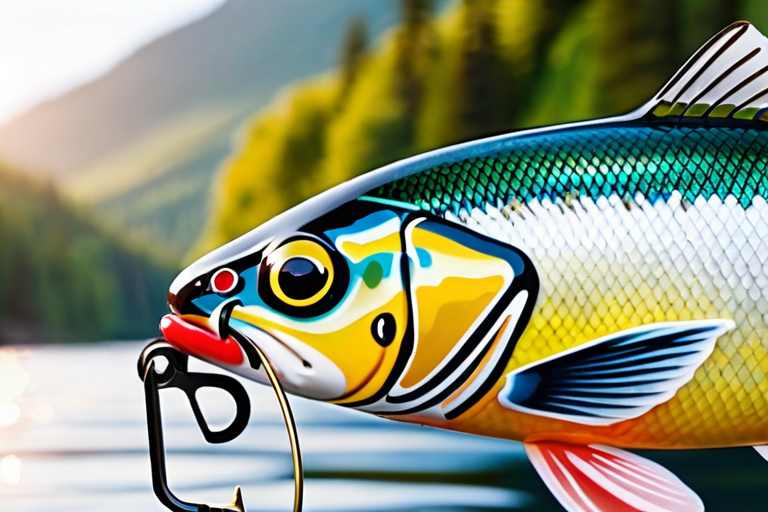
A properly presented jig can trigger strikes even in challenging conditions
Key Considerations:
- Weight: Match jig weight to depth and current (1/8 to 1/2 oz most common)
- Color: Bright colors in stained water, natural tones in clear water
- Presentation: Vertical jigging, dragging, or swimming depending on conditions
2. Crankbaits: Covering Water Efficiently
Crankbaits excel when walleye are scattered or feeding aggressively. According to research published in the Transactions of the American Fisheries Society, walleye show particular responsiveness to crankbaits with specific vibration frequencies during pre-spawn periods.
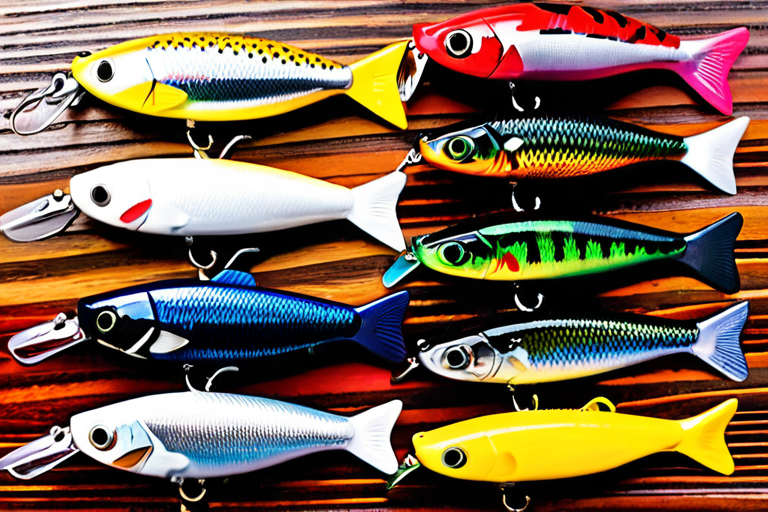
Diverse crankbait selection allows anglers to match specific depth ranges
Depth Control Factors:
- Lip Design: Longer lips dive deeper
- Body Shape: Thin profiles for faster sinking
- Line Diameter: Thinner lines allow deeper running
3. Live Bait Rigs: The Traditional Approach
While technically not "lures," live bait rigs remain incredibly effective, especially in clear water or during cold fronts. The U.S. Fish and Wildlife Service reports that live bait presentations account for approximately 35% of recreational walleye harvest in many regions.
4. Soft Plastics: Modern Innovation
Modern soft plastic technology has revolutionized walleye fishing. Paddle-tail swimbaits, curly-tail grubs, and creature baits offer lifelike action with durability. Materials like Elaztech® maintain flexibility in cold water when traditional plastics become brittle.
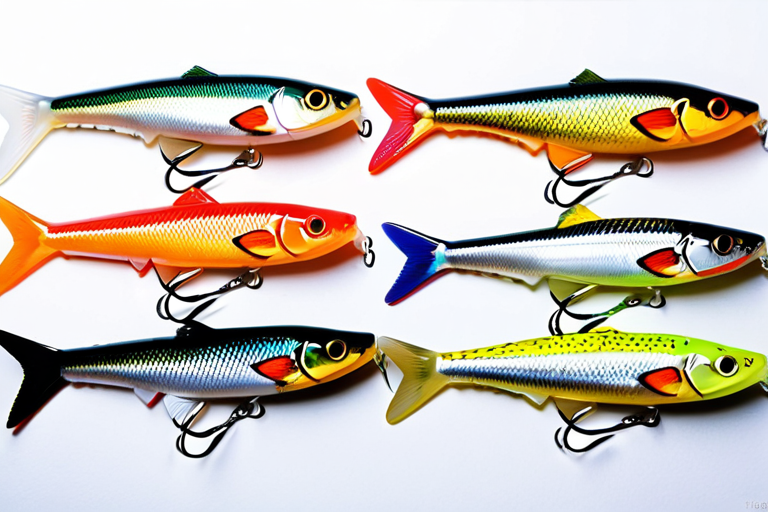
Advanced soft plastics mimic natural prey with incredible realism
Seasonal Lure Selection Strategies
Spring: Pre-Spawn and Spawn
During spring, walleye move shallow to spawn. Jigs tipped with minnows or soft plastics work exceptionally well. Slow presentations are key as fish metabolism remains relatively low in cold water.
Summer: Deep Water Patterns
Summer walleye often retreat to deeper, cooler water. Deep-diving crankbaits, heavy jigs, and bottom bouncers become essential. According to data from the Minnesota Department of Natural Resources, summer walleye typically occupy depths of 15-30 feet in most northern lakes.
Fall: Feeding Frenzy
Fall brings aggressive feeding as walleye prepare for winter. Reaction baits like crankbaits and spinnerbaits excel during this period. Larger profiles often produce bigger fish.
Winter: Ice Fishing Considerations
Under ice, subtle presentations rule. Small jigs, spoons, and live bait rigs work best. The Ontario Ministry of Natural Resources and Forestry recommends downsizing lures by approximately 30% during ice fishing compared to open water presentations.
Water Clarity and Color Selection
Water clarity dramatically influences lure color effectiveness. Research from the U.S. Geological Survey shows that different light wavelengths penetrate water at varying depths, affecting how fish perceive colors.
Clear Water (Visibility 8+ feet):
- Natural colors: perch, shad, silver
- Subtle finishes: matte, translucent
- Smaller profiles
Stained Water (Visibility 2-8 feet):
- High-visibility colors: chartreuse, orange, pink
- Contrasting patterns
- Vibration and sound become more important
Murky Water (Visibility less than 2 feet):
- Dark silhouettes: black, purple, blue
- Loud rattles or blades
- Larger profiles for better detection
Advanced Techniques and Considerations
Night Fishing with Glow Lures
Walleye's exceptional night vision makes glow lures particularly effective after dark. Charging lures with UV lights can increase visibility and strike rates by up to 40% according to field tests conducted by major lure manufacturers.
Trolling Speed and Lure Action
Speed dramatically affects lure performance. As a general rule:
- 0.8-1.2 mph: Live bait rigs, slow-moving jigs
- 1.2-2.0 mph: Most crankbaits, spinner rigs
- 2.0-3.0 mph: High-speed crankbaits, inline spinners
Line Selection Impact
Line choice affects lure action and depth. Fluorocarbon sinks and has low visibility, while braid provides sensitivity and minimal stretch. Monofilament offers buoyancy for certain presentations.
Pro Tip: The "Rule of Three"
Experienced walleye anglers often follow the "Rule of Three": When fish aren't biting, systematically change three variables—lure color, presentation speed, and depth—before completely switching lures. This methodical approach helps identify what fish want on any given day.
Conservation and Ethical Considerations
Responsible lure selection includes conservation awareness. The Keep America Fishing initiative emphasizes using appropriate tackle to minimize deep-hooking and fish mortality. Consider these practices:
- Use circle hooks with live bait to reduce gut-hooking
- Choose barbless hooks for easier release
- Match tackle strength to target fish size
- Follow local regulations regarding lure restrictions
Building Your Wally Fish Lure Arsenal
A well-rounded walleye tackle box should include:
Essential Jigs
- 1/8 oz round head (3 colors)
- 1/4 oz football head (2 colors)
- 3/8 oz swimming jig (2 colors)
Crankbait Selection
- Shallow runner (0-5 ft)
- Medium diver (5-12 ft)
- Deep diver (12-25 ft)
Specialty Items
- Bottom bouncers
- Spinner rigs
- Glow-in-the-dark lures
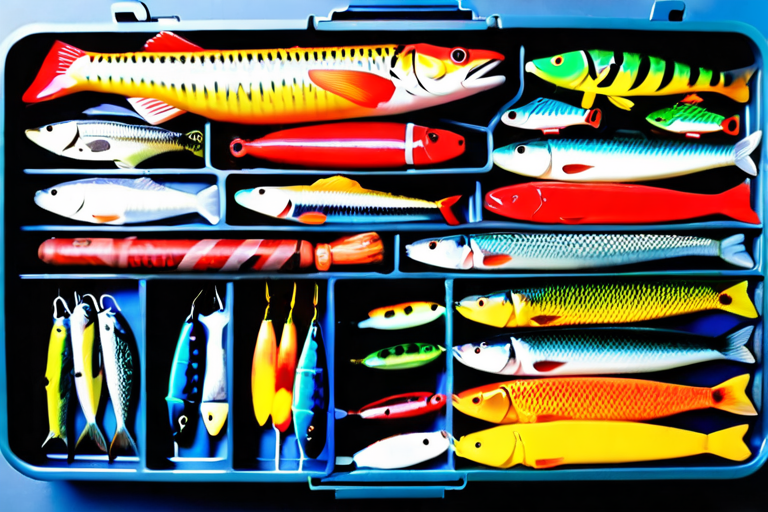
A well-organized selection allows quick adaptation to changing conditions
Conclusion: The Art of Adaptation
Successful wally fish lure selection isn't about having a single "magic" lure but understanding how to match lures to constantly changing conditions. The most accomplished walleye anglers are those who observe water conditions, seasonal patterns, and fish behavior, then select lures accordingly.
Remember that walleye fishing is as much science as art. While this guide provides evidence-based recommendations, local knowledge and personal experience remain invaluable. The Walleye Central community and similar fishing forums offer excellent platforms for sharing real-time information and techniques.
Ultimately, the perfect wally fish lure is the one that catches fish on the day you're fishing. By building a diverse arsenal and developing your understanding of walleye behavior, you'll be prepared for whatever conditions you encounter on the water.
Disclaimer: Always check local fishing regulations before heading out. Lure recommendations may vary by region and specific water bodies. Practice catch-and-release when appropriate to ensure sustainable fisheries for future generations.