Fly Fishing vs Regular Fishing: A Deep Dive into Angling Worlds
In the realm of angling, two distinct approaches have captivated fishermen for centuries: fly fishing and regular fishing (often referred to as conventional or spin fishing). While both share the common goal of catching fish, their methods, philosophies, and equipment diverge significantly. This article explores these differences, drawing from authoritative sources to provide a comprehensive comparison that will help anglers understand which technique might suit their style best.

A serene fly fishing scene in a mountain river, showcasing the technique's connection with nature.
The Art of Fly Fishing: Precision and Presentation
Fly fishing is often described as an art form, requiring skill, patience, and a deep understanding of aquatic ecosystems. Unlike regular fishing, which relies on weighted lures or bait to sink and attract fish, fly fishing uses lightweight artificial flies that mimic insects or other prey. The angler casts the fly using a specialized weighted line, creating a delicate presentation on the water's surface. According to Orvis, a leading authority in fly fishing, this method dates back to ancient times, with evidence from Roman texts describing similar techniques.
Key equipment in fly fishing includes a fly rod, reel, and line, with the rod typically longer and more flexible than those used in regular fishing. The flies themselves are hand-tied using materials like feathers, fur, and thread, allowing for endless customization. As noted by Trout Unlimited, a conservation organization, fly fishing often emphasizes catch-and-release practices, promoting sustainable fishing and habitat protection.
Regular Fishing: Versatility and Accessibility
Regular fishing, encompassing techniques like spin fishing, baitcasting, and trolling, is known for its versatility and ease of access. It uses heavier lures, baits, or sinkers to reach deeper waters, making it effective for a wide range of species, from bass to saltwater fish. The Take Me Fishing initiative highlights that regular fishing is often more beginner-friendly, with simpler casting mechanics and readily available gear at local stores.
Equipment varies widely but commonly includes rods with guides and reels that hold monofilament or braided line. Lures can be artificial, like spinners and plugs, or natural bait such as worms or minnows. A study by NOAA Fisheries underscores the economic impact of recreational fishing, with regular fishing contributing significantly to tourism and local economies worldwide.
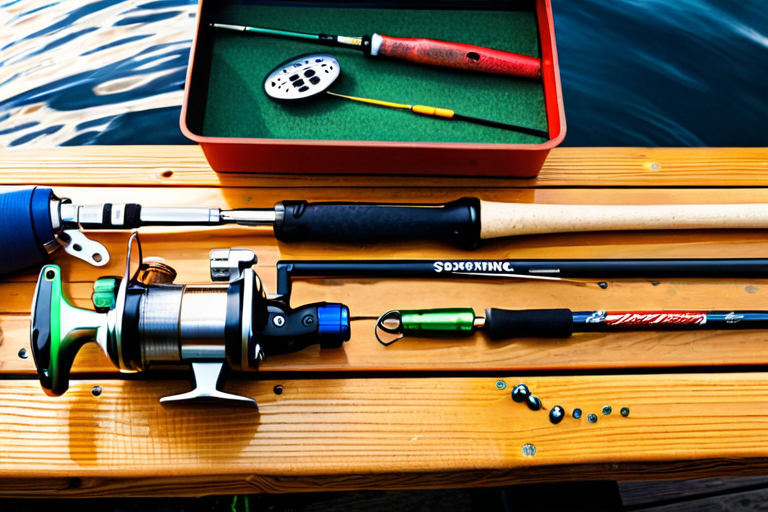
A collection of regular fishing gear, showcasing rods, reels, and various lures for different techniques.
Technique Comparison: Casting, Targeting, and Skill Level
The casting techniques differ markedly between the two methods. Fly fishing involves a rhythmic, overhead cast where the line's weight propels the fly, requiring practice to master accuracy and distance. In contrast, regular fishing often uses a spinning or baitcasting reel to launch the lure, with the weight of the lure doing the work. The American Sportfishing Association reports that spin fishing is the most popular method in the U.S., favored for its simplicity and effectiveness in diverse environments.
Target species also vary: fly fishing is traditionally associated with trout and salmon in freshwater streams, but it has expanded to include bass, pike, and even saltwater species. Regular fishing targets a broader spectrum, from panfish to large game fish like marlin. Skill-wise, fly fishing is often perceived as more challenging due to its technical demands, while regular fishing offers a lower barrier to entry, making it ideal for family outings or casual anglers.
Environmental and Cultural Impacts
Both methods have distinct environmental footprints. Fly fishing's emphasis on artificial flies and catch-and-release can reduce bait waste and fish mortality, aligning with conservation efforts. Organizations like The International Federation of Fly Fishers advocate for ethical practices and habitat preservation. Regular fishing, while sometimes criticized for bait pollution or overfishing, has seen improvements with regulations and eco-friendly gear innovations.
Culturally, fly fishing is steeped in tradition, often romanticized in literature and film, such as Norman Maclean's "A River Runs Through It." Regular fishing has a more utilitarian history, rooted in subsistence and recreation across global communities. Both contribute to a rich angling heritage, fostering connections with nature and promoting outdoor lifestyles.
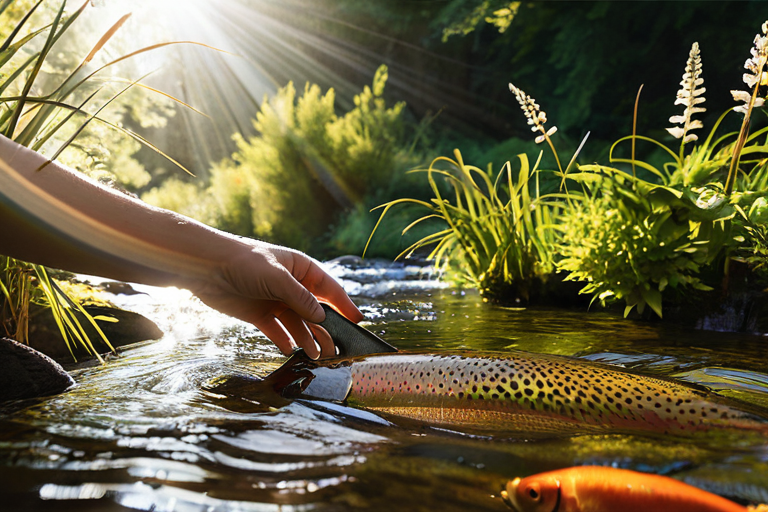
Illustration of fishing conservation practices, highlighting sustainable angling and habitat protection.
Choosing Your Path: Which Method is Right for You?
Deciding between fly fishing and regular fishing depends on personal preferences, goals, and environment. Fly fishing appeals to those seeking a meditative, skill-intensive experience in scenic settings, often requiring more investment in time and gear. Regular fishing offers flexibility, with easier learning curves and adaptability to various waters, from ponds to oceans.
Experts recommend trying both to discover your affinity. Many anglers enjoy blending techniques, using fly rods for specific scenarios and spin gear for others. Ultimately, both methods celebrate the timeless pursuit of fishing, enriching lives through adventure and connection with the aquatic world.
In summary, fly fishing and regular fishing represent two sides of the angling coin—one artistic and precise, the other versatile and accessible. By understanding their differences, anglers can enhance their skills and appreciation for this beloved pastime. For further reading, explore resources from Fly Fisherman Magazine and BASSMASTER, which offer in-depth guides and updates on fishing trends.
Key Takeaways:
- Fly Fishing: Focuses on lightweight flies, precise casting, and often targets trout; promotes conservation through catch-and-release.
- Regular Fishing: Uses heavier lures or bait, versatile for multiple species, and is generally easier for beginners.
- Equipment: Fly fishing requires specialized rods and lines, while regular fishing uses a wider array of rods and reels.
- Skill Level: Fly fishing has a steeper learning curve; regular fishing is more accessible.
- Cultural Significance: Both have rich histories, with fly fishing often associated with tradition and regular fishing with recreation.