The Fly River Turtle: A Comprehensive Guide to Keeping This Unique Species as a Pet
The Fly River turtle (Carettochelys insculpta), also known as the pig-nosed turtle, is one of the most fascinating and unusual aquatic turtles in the world. With its distinctive pig-like snout and flipper-like limbs, this species has captured the attention of herpetologists and exotic pet enthusiasts alike. But is this remarkable creature suitable for home aquariums? This comprehensive guide explores every aspect of Fly River turtle care, drawing from scientific research and expert husbandry practices.
Natural History and Habitat
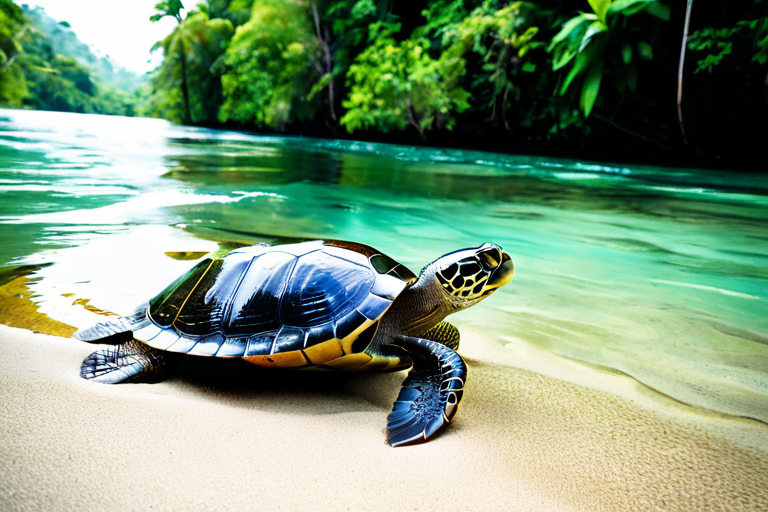
The Fly River turtle's natural environment in Papua New Guinea and northern Australia
Native to freshwater rivers, streams, and lagoons in northern Australia and southern New Guinea, the Fly River turtle occupies a specialized ecological niche. According to research published in the Journal of Herpetology, these turtles prefer slow-moving waters with sandy or muddy bottoms where they can forage for their omnivorous diet.
Dr. James Van Dyke, a herpetologist specializing in freshwater turtles, notes: "The Fly River turtle's unique anatomy reflects its evolutionary adaptation to riverine environments. Their flipper-like limbs make them excellent swimmers, while their pig-like snout serves as a snorkel, allowing them to breathe while remaining mostly submerged."
Physical Characteristics and Behavior
Adult Fly River turtles typically reach 14-22 inches (35-56 cm) in shell length and can weigh up to 50 pounds (22.7 kg). Their most distinctive feature is their fleshy, pig-like snout, which contains sensory receptors that help them locate food in murky waters.
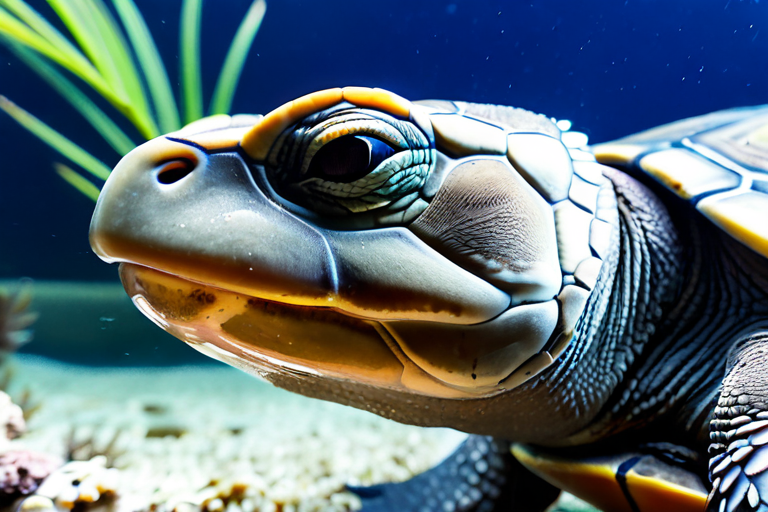
Distinctive pig-like snout and flipper limbs
Behavioral observations from the Australian Reptile Park indicate that these turtles are primarily diurnal and exhibit complex social behaviors in the wild. They're known to be relatively intelligent for reptiles, with some keepers reporting individual recognition and simple problem-solving abilities.
"In captivity, Fly River turtles often display curiosity about their environment and caretakers," says reptile keeper Maria Chen. "However, they're not typically 'handling' pets and can become stressed with excessive human interaction."
Housing Requirements: Creating the Perfect Environment
One of the most critical considerations for potential keepers is the substantial space requirement. The Association of Reptile and Amphibian Veterinarians recommends a minimum tank size of 180 gallons for juvenile turtles, with adults requiring 300+ gallon aquariums or custom-built enclosures.
Essential Habitat Parameters:
- Water Temperature: 78-82°F (25.5-27.8°C)
- Water Quality: pH 6.5-7.5, ammonia/nitrite at 0 ppm
- Water Depth: Minimum 2.5 times shell length
- Basking Area: Dry platform with 85-90°F (29-32°C) temperature
- Filtration: Canister filter rated for 3-4 times tank volume
Proper filtration is non-negotiable, as Fly River turtles produce significant waste. High-quality canister filters with biological, mechanical, and chemical filtration are essential. Regular water testing and partial water changes (25-30% weekly) help maintain optimal water quality.
Diet and Nutrition: Meeting Their Omnivorous Needs
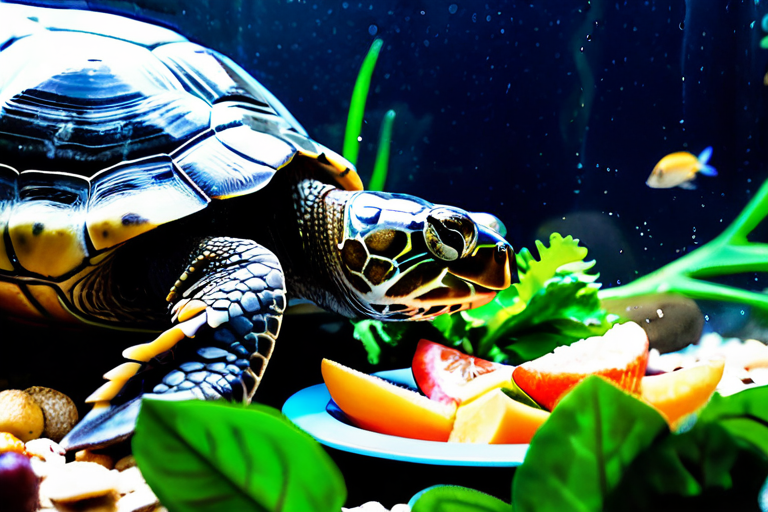
A balanced diet is crucial for Fly River turtle health
In the wild, Fly River turtles consume a varied diet including fruits, leaves, insects, crustaceans, and small fish. Captive diets should replicate this diversity. According to the Tortoise Trust, a balanced diet might include:
- High-quality commercial turtle pellets (30% of diet)
- Leafy greens: romaine, dandelion, kale (25%)
- Fruits: melon, berries, papaya (20%)
- Protein sources: earthworms, shrimp, small fish (25%)
Calcium and vitamin D3 supplementation is crucial, especially for growing juveniles and egg-laying females. Many experienced keepers use cuttlebone pieces in the enclosure, which turtles can nibble as needed.
Health Considerations and Veterinary Care
Fly River turtles are generally hardy when kept in optimal conditions, but they're susceptible to several health issues common to aquatic turtles:
Common Health Concerns:
Shell Rot: Caused by poor water quality or inadequate basking areas. Regular shell inspections are essential.
Respiratory Infections: Often result from incorrect water temperatures or poor water quality.
Metabolic Bone Disease: Caused by calcium/vitamin D3 deficiencies, leading to soft shells and deformities.
Parasites: Internal parasites may require veterinary diagnosis and treatment.
Finding a qualified reptile veterinarian is essential before acquiring a Fly River turtle. Regular check-ups (at least annually) and immediate attention to any signs of illness are crucial for their long-term health.
Legal and Ethical Considerations
The Fly River turtle is listed under CITES Appendix II, which regulates international trade. In many jurisdictions, permits are required for ownership. Always purchase from reputable breeders who can provide documentation of legal acquisition and captive breeding.
Ethical considerations are equally important. These turtles can live 25-35 years in captivity (potentially longer with exceptional care), making them a multi-decade commitment. Their substantial size and specific needs mean they're not suitable for casual or first-time turtle keepers.
Is the Fly River Turtle Right for You?
The Ideal Fly River Turtle Keeper:
- Has experience with large aquatic turtles
- Can provide a 300+ gallon aquarium or pond
- Has budget for high-quality filtration and heating systems
- Is committed to a 25+ year responsibility
- Has access to a qualified reptile veterinarian
- Values observing natural behaviors over handling
For the right person—someone with experience, resources, and commitment—the Fly River turtle can be a fascinating and rewarding pet. Their unique appearance and interesting behaviors make them captivating subjects for observation. However, their substantial requirements mean they're not suitable for everyone.
If you're considering a Fly River turtle, spend time researching and speaking with experienced keepers. Visit facilities that house them to observe their needs firsthand. Consider starting with a more beginner-friendly turtle species if you're new to turtle keeping.
Further Resources
For more information, consult these authoritative sources: