Every angler knows the frustration of a day with no bites – but what if you could see the world through a fish's eyes? Understanding fish senses – sight, smell, and hearing – is the single most underutilized advantage in fishing. Decades of research in fish physiology and behavior reveal that how a fish perceives its environment directly dictates whether it strikes your lure or spooks. As Dr. Steven Cooke, a leading fish biologist at Carleton University, notes, "Fish are sensory machines; every decision they make starts with what their senses detect." In this article, we dive into the science of fish senses and provide actionable tactics to turn that knowledge into more fish on your line.
The Visual World of Fish: More Than Meets the Eye
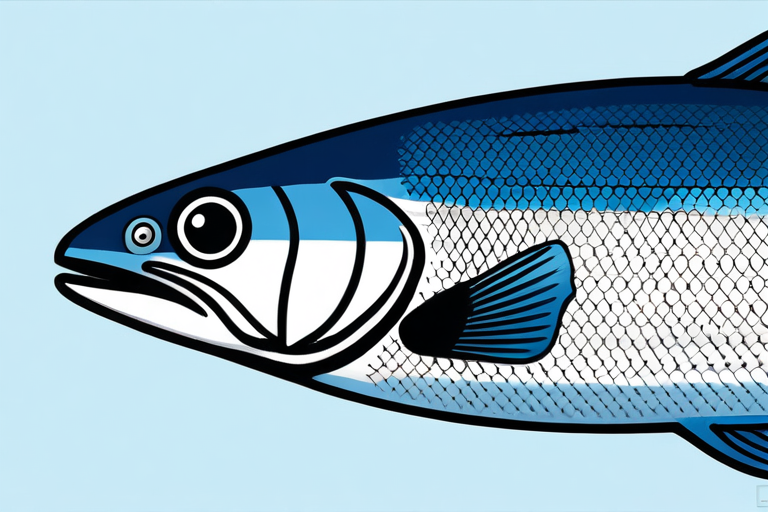
Fish vision is adapted to underwater light conditions and varies drastically among species. A study published in the Journal of Experimental Biology found that many predatory fish have color vision tuned to the greens and oranges common in aquatic environments. Unlike humans, fish have a wider field of view (often 360 degrees) but lack depth perception directly ahead. This means that sudden movements or unnatural silhouettes can trigger alarm.
Actionable Tip: Use lure colors that contrast with the water background. In clear water, natural patterns like silver or brown work; in stained water, bright colors like chartreuse or orange stand out. Also, avoid casting shadows directly over fish. Dr. Michael Lehtonen, a fisheries scientist from the University of Helsinki, advises: "Fish are acutely sensitive to motion. A slowly twitched lure that mimics injured prey is far more attractive than a fast, erratic retrieve."
The Olfactory Advantage: Smell and Taste in Fish
Fish rely heavily on chemoreception – smell and taste – to locate food from a distance. Salmonids, for instance, can detect a single drop of blood diluted in a million gallons of water. Research from the Journal of Fish Biology indicates that catfish have over 100,000 taste buds, many on their skin, allowing them to "taste" the water as they move. This is why scent-impregnated baits often outperform unscented lures.
Actionable Tip: Use natural scents like anise, garlic, or shrimp oil on your lures. For live bait, keep it lively – a dead bait loses its chemical trail. Also, consider adding attractant sprays to your artificial lures. Dr. Susannah Scott, a marine biologist at the University of Florida, notes: "The olfactory sense of fish is so acute that even a small amount of unnatural scent (like sunscreen) can deter bites. So wash your hands thoroughly before handling bait."
Hearing and Lateral Line: The Sixth Sense
Fish hear not only through internal ears but also through their lateral line – a system of sensory organs along the body that detects vibrations and pressure changes. According to a comprehensive review in Integrative and Comparative Biology, the lateral line allows fish to sense disturbances like a struggling baitfish from many feet away. Sound travels four times faster in water than in air, making sudden noises a major fish spooker.
Actionable Tip: Approach your fishing spot quietly – no stomping on the boat deck or dropping tackle. Use lures that create vibration (like spinnerbaits or rattlebaits) to attract attention in murky water. For clear water, subtle lures that imitate natural prey sounds (e.g., a soft plastic crawdad) work better. A study from the FishBase database shows that bass can detect a lure's vibration up to 10 feet away in calm water.
Integrating Senses: The Complete Picture
No sense operates in isolation. A fish uses all sensory inputs simultaneously to decide whether to feed or flee. For example, a bass watching a topwater frog will also sense its surface disturbance (lateral line) and smell any accompanying oil. The key is to present a lure that mimics a realistic combination of visual, chemical, and tactile cues. Dr. Robert Arlinghaus, a human dimensions researcher at the Leibniz Institute of Freshwater Ecology, explains: "Consistent anglers are those who adjust their approach based on water conditions and fish behavior, not just luck."
Actionable Tip: Match your lure presentation to the water clarity, temperature, and time of day. Dawn and dusk – when light is dim – rely more on scent and vibration; midday clear water demand precision in color and movement. Keep experimenting – successful anglers often try three or four different lure types before settling on one.
Putting Sensory Science to Work
Want to see immediate results? Start by analyzing your fishing environment. In clear, shallow water, focus on visual cues – use natural patterns and slow retrieves. In deep or murky water, rely on sound and vibration – choose rattling lures or those with strong scents. Always approach quietly. And remember: the more senses you engage positively, the higher your odds of a strike.
For further reading, check out the American Sportfishing Association for resources on ethical angling, or dive into the scientific papers we referenced. As the old angler's saying goes: "Fish don't bite because they're hungry – they bite because something triggers their instincts." Understanding those triggers through sensory science is the ultimate game changer.