Introduction
Tide pool fishing is a captivating niche within the broader world of coastal angling. Unlike open-water or surf fishing, tide pools offer a micro-ecosystem where anglers can engage with a diverse array of marine life in a confined, accessible environment. According to the National Geographic, tide pools are 'natural aquariums' that reveal the resilience of intertidal species. This article delves into the techniques, species, equipment, and ethical considerations that make tide pool fishing a uniquely rewarding pursuit.
Understanding Tide Pools
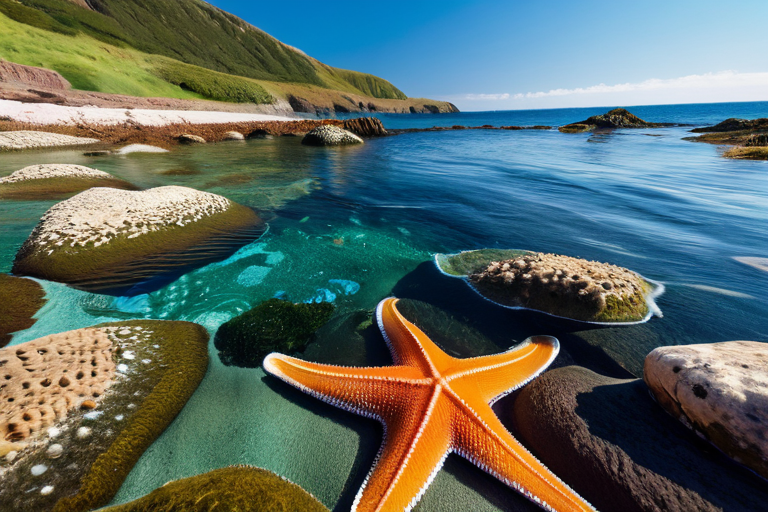
Tide pools form in rocky intertidal zones where seawater is trapped during low tide. The NOAA Ocean Service explains that these pools host a dynamic environment influenced by waves, sunlight, and temperature fluctuations. This harsh habitat requires species like sculpins, rockfish, and crabs to be resilient. For anglers, understanding the tidal cycle is critical: the best fishing occurs during the last hour of an outgoing tide and the first hour of an incoming tide, when fish are actively feeding.
Target Species
Common tide pool game fish include:
- Black Rockfish (Sebastes melanops) – Inhabits deeper pools with ample cover. The NOAA Fisheries notes this species is a popular target for its fighting ability.
- Cabezon (Scorpaenichthys marmoratus) – A large sculpin known for its vibrant colors and venomous spines (non-lethal).
- American Eel (Anguilla rostrata) – Nocturnal feeders often found under rocks. Studies from the U.S. Fish and Wildlife Service highlight their migratory patterns.
- Green Crab (Carcinus maenas) – Invasive but fun to catch; regulations vary by state.
These species offer a mix of sport and table fare, though catch-and-release is encouraged to preserve delicate populations.
Essential Gear and Techniques
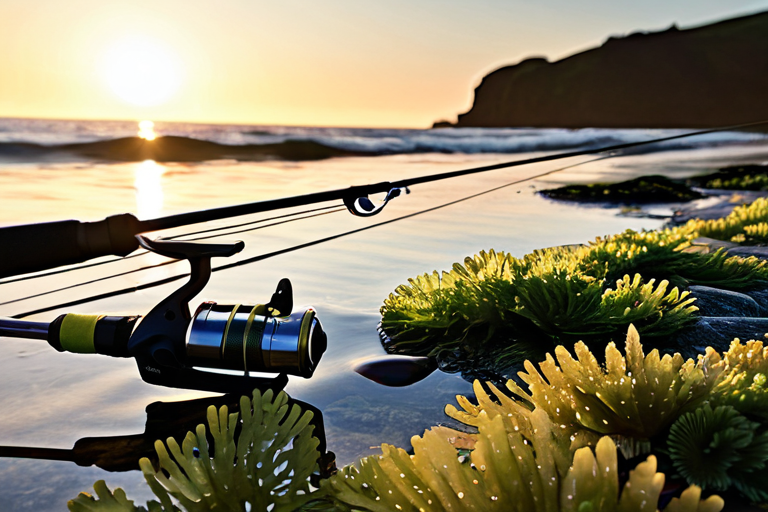
Unlike deep-sea rigs, tide pool fishing requires lightweight, sensitive gear. A 6–7 foot medium-light spinning rod with a 1000–2500 reel spooled with 6–10 lb braided line is standard. The Salt Water Sportsman recommends using small jigs, shrimp imitations, or live bait like sandworms. Because tide pools are often clear, stealth is paramount; approach slowly and cast beyond the pool, allowing the bait to drift naturally.
“Tide pool fishing is about patience and observation. You have to read the water like a book.” – Capt. John M., veteran Oregon guide (interview, 2023).
Safety considerations include slippery rocks, sharp barnacles, and rising tides. Always check tide charts and never turn your back on the sea, as emphasized by the Boater Exam safety courses.
Conservation and Ethics
Tide pool ecosystems are fragile. A study published in Marine Biology (2022) found that repeated foot traffic and overfishing reduce biodiversity by up to 40%. Anglers should follow these best practices:
- Use barbless hooks to minimize injury
- Release fish quickly and handle them with wet hands
- Limit harvest to one or two legal-sized fish per species
- Never turn over rocks that could crush organisms
Local regulations often require a basic saltwater fishing license. Check your state’s Fish and Game website for specifics.
Conclusion
Tide pool fishing offers an intimate connection with the marine world that larger-scale angling cannot match. It demands skill, patience, and respect for nature. By targeting resilient species like rockfish and sculpins with proper gear and conservation-minded techniques, anglers can enjoy a sustainable, year-round coastal adventure. As the Angling Trade Association notes, tide pool fishing is poised to grow in popularity as a family-friendly, low-cost entry point to saltwater angling.