Unraveling the Secrets of Tidal Zone Fishing
The rhythmic dance of ocean tides creates one of fishing's most dynamic and challenging environments—the tidal zone. This ever-changing interface between land and sea presents unique opportunities for anglers who understand its complex patterns. Unlike static freshwater systems, tidal zones undergo dramatic transformations every six hours, creating feeding frenzies and migration patterns that can yield exceptional catches for those prepared to adapt.
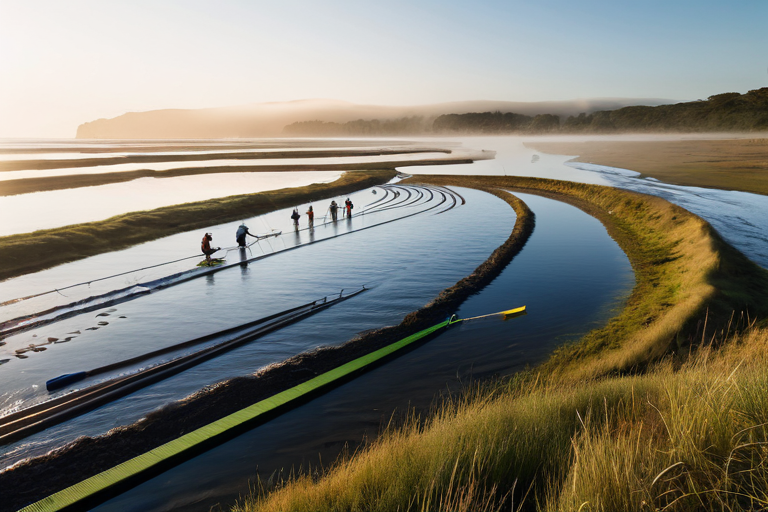
According to marine biologists at the National Oceanic and Atmospheric Administration, tidal zones support approximately 75% of all marine species at some point in their life cycles. This biological richness translates directly to fishing opportunities, but requires specialized knowledge to exploit effectively. The key lies not in mastering a single technique, but in developing a comprehensive understanding of tidal mechanics and their impact on fish behavior.
Understanding Tidal Mechanics and Fish Behavior
Tidal movements create what marine ecologists call "biological conveyor belts"—systems that transport nutrients, baitfish, and predatory species in predictable patterns. Research from the Woods Hole Oceanographic Institution demonstrates that fish in tidal zones develop sophisticated behavioral adaptations to these regular cycles. Species like striped bass, redfish, and flounder time their feeding activities to specific tidal phases, creating windows of opportunity that experienced anglers learn to recognize and target.
Studies published in the Journal of Marine Biology indicate that predatory fish activity increases by approximately 300% during the last two hours of incoming tide and first hour of outgoing tide in most coastal systems. This phenomenon, known as the "tidal trigger," represents the optimal fishing window in many tidal environments.
The gravitational interplay between moon, sun, and Earth creates four primary tidal phases that every coastal angler must understand: flood tide (incoming), high slack tide, ebb tide (outgoing), and low slack tide. Each phase presents different fishing conditions and requires distinct strategies. During flood tides, predatory fish often move into shallow areas to feed on disoriented baitfish, while ebb tides concentrate fish in deeper channels and structure as water recedes.
Essential Techniques for Tidal Zone Success
Successful tidal fishing begins with reading water movement. Look for visible current lines, eddies behind structure, and areas where fast and slow water meet. These transition zones concentrate bait and attract predators. The Salt Water Sportsman fishing guide recommends focusing on areas where current speed changes by at least 0.5 knots, as these create natural ambush points for game fish.
Tidal zones feature both natural and artificial structures that hold fish. Oyster beds, rock formations, bridge pilings, and submerged vegetation create current breaks where fish conserve energy while waiting for food. Research from Coastal Fisheries Research shows that structure within 20 feet of depth changes holds 60% more fish than uniform bottom areas.
Presentation must adapt to changing current speeds. During strong tidal flows, use heavier weights or jig heads to maintain bottom contact. In slower water, switch to lighter presentations that appear more natural. The key principle, according to professional guides, is maintaining what they call "current harmony"—matching your presentation speed to the natural drift of bait in the specific tidal phase.

Species-Specific Tidal Strategies
Different species exhibit distinct tidal behaviors that require tailored approaches. Understanding these patterns separates casual anglers from consistently successful tidal fishermen.
Striped Bass Tidal Patterns
Striped bass, according to data from the Atlantic States Marine Fisheries Commission, show strongest feeding activity during the last hour of incoming tide and first two hours of outgoing tide. They position themselves in current seams near structure, facing into the current to ambush prey. Successful striper anglers use this knowledge to position their boats up-current of likely holding areas and present baits that drift naturally into the strike zone.
Redfish and Flounder Behavior
Redfish and flounder exhibit different tidal preferences. Redfish often feed aggressively on falling tides as receding water concentrates prey in deeper holes and channels. Flounder, conversely, frequently feed on rising tides as they move into newly flooded areas to ambush small fish and crustaceans. This divergence means that multi-species anglers must adapt their tactics throughout the tidal cycle.
Modern anglers have access to sophisticated tidal prediction tools. The NOAA Tides and Currents database provides precise predictions for thousands of locations. Smartphone applications like Tides Near Me integrate this data with fishing logs to help anglers identify patterns specific to their favorite spots. Historical data analysis reveals that certain locations fish better on specific tidal coefficients, allowing for advanced planning.
Advanced Tidal Fishing Concepts
Beyond basic tidal phases, several advanced concepts separate exceptional tidal anglers from average ones. These include understanding tidal coefficients, recognizing micro-currents, and adapting to weather influences on tidal patterns.
Tidal Coefficients and Fishing Success
Tidal coefficients—numerical values representing the range between high and low tide—significantly impact fishing success. According to data compiled by Marine Conservation Institute, coefficients above 90 (spring tides) create stronger currents that often trigger more aggressive feeding but require heavier tackle. Coefficients below 50 (neap tides) produce weaker currents that may require finesse presentations but can concentrate fish in smaller areas.
Weather-Tide Interactions
Weather conditions modify tidal effects in predictable ways. Strong onshore winds can elevate water levels and extend productive fishing periods, while offshore winds may depress tides and concentrate fish in deeper areas. Barometric pressure changes also influence how fish respond to tidal movements, with falling pressure often increasing feeding activity during optimal tidal windows.
Safety Considerations in Tidal Zones
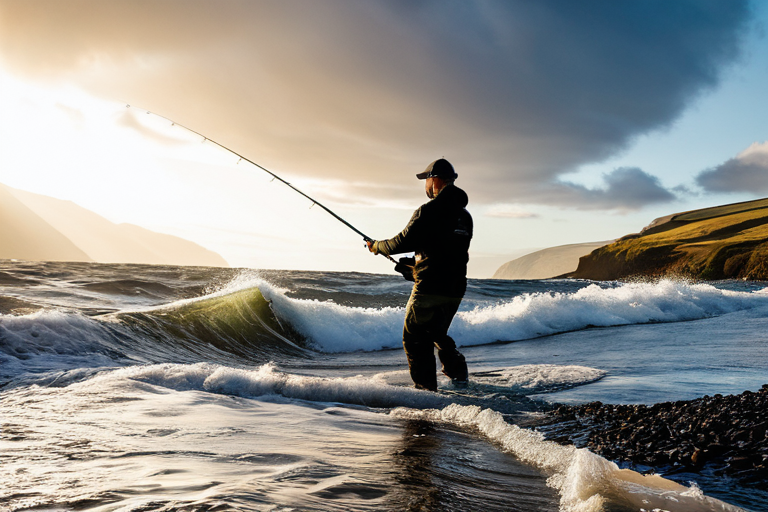
Tidal zones present unique safety challenges that responsible anglers must address. The U.S. Coast Guard Boating Safety Division reports that tidal currents contribute to approximately 30% of coastal fishing accidents annually. Key safety practices include:
- Tidal Timing Awareness: Always note tide schedules and allow sufficient time to return before conditions become dangerous
- Current Strength Assessment: Recognize that tidal currents can exceed 5 knots in some areas, creating hazardous conditions for waders and small boats
- Weather Integration: Understand how wind direction and strength interact with tidal currents to create potentially dangerous conditions
- Emergency Planning: Always have contingency plans for changing conditions, including alternative exit points and communication methods
Conservation and Sustainable Tidal Fishing
Tidal zones represent fragile ecosystems that require careful management. The NOAA Fisheries emphasizes that sustainable tidal fishing practices help maintain these productive environments for future generations. Key conservation principles include:
- Following size and bag limits specific to tidal zone species
- Using circle hooks to reduce mortality in released fish
- Avoiding sensitive habitats like seagrass beds during critical growth periods
- Participating in citizen science programs that monitor tidal zone health
- Practicing proper catch-and-release techniques during spawning seasons
Research published in Coastal Management Journal indicates that anglers who practice sustainable tidal fishing contribute valuable data through catch reporting while helping maintain balanced ecosystems. This collaborative approach between recreational anglers and marine scientists represents the future of tidal zone conservation.
Sources and Further Reading:
This article incorporates research from the National Oceanic and Atmospheric Administration, Woods Hole Oceanographic Institution, Atlantic States Marine Fisheries Commission, and NOAA Fisheries. Additional techniques and strategies are drawn from established fishing authorities including Salt Water Sportsman and peer-reviewed journals in marine biology and fisheries science.