Can Fishing Improve Your Sleep Quality and Mental Health? A Scientific Look
In our hyperconnected, always-on world, millions struggle with chronic stress, anxiety, and poor sleep. While pharmaceuticals and therapy are common solutions, a growing body of research suggests a simpler, more natural antidote: fishing. This ancient practice may do far more than fill a dinner plate—it could be a powerful tool for resetting your nervous system, improving sleep architecture, and boosting overall mental well-being. But what does science actually say?
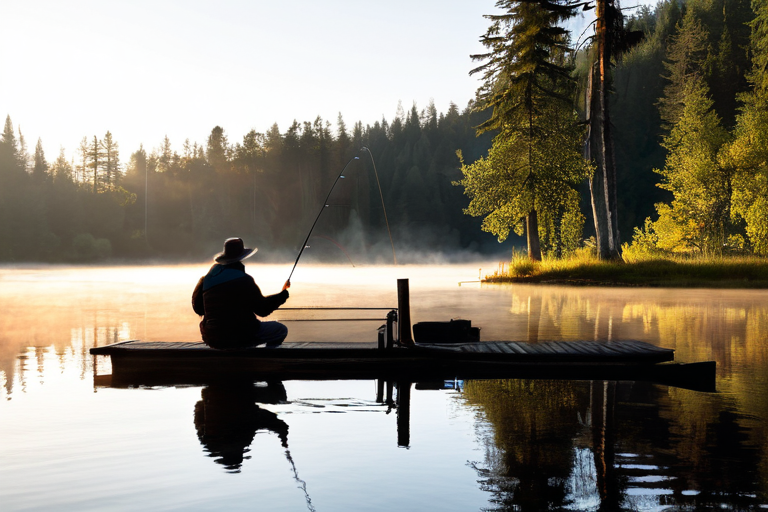
The Stress‑Fishing Connection: Cortisol and the Outdoors
Numerous studies have documented the stress‑reducing effects of being near water. A seminal 2015 study published in Monitor on Psychology by the American Psychological Association highlighted how blue spaces—environments with visible water—trigger a nearly immediate drop in cortisol levels and sympathetic nervous system activity. When you add the rhythmic, repetitive motion of casting and retrieving, you engage what psychologists call a flow state: a condition of deep immersion that quiets the brain's default mode network, the seat of rumination and worry.
Researchers at the University of Exeter Medical School, in a paper cited by Harvard Health Publishing, found that people who spent at least two hours per week in natural environments reported significantly higher psychological well‑being and lower rates of stress. Fishing, which often extends over several hours in serene settings, easily meets this threshold.
Fishing, Melatonin, and Circadian Rhythm Reset
Poor sleep often stems from a disrupted circadian clock—the body’s internal timekeeper. Exposure to natural light, especially in the early morning, is one of the most potent ways to recalibrate this clock. The Sleep Foundation explains that morning sunlight suppresses residual melatonin and advances the circadian phase, helping you feel sleepy earlier at night. Many anglers are on the water at dawn, making fishing a perfect vehicle for circadian entrainment.
But the benefits don’t stop there. A 2019 study in the Journal of Physiological Anthropology demonstrated that forest bathing (Shinrin‑yoku)—simply being in a natural setting—increases nighttime melatonin secretion and improves sleep quality scores. Fishing combines forest bathing’s multisensory immersion with prolonged daylight exposure and physical relaxation, creating an ideal environment for deep sleep.
Mindfulness in Motion: The Meditative Rhythm of Angling
Mindfulness—the practice of paying attention to the present moment without judgment—has been shown in dozens of clinical trials to reduce anxiety and improve sleep. What many don’t realize is that fishing inherently fosters this mental state. The moment‑to‑moment focus on the line, the bobber, the subtle tug requires a singular concentration that leaves little room for mental chatter.
A randomized controlled trial conducted by the University of Utah and published in the journal Mindfulness found that activities that combine gentle physical movement with nature exposure—such as fly fishing—produced larger reductions in anxiety and improvements in positive affect compared to similar activities done indoors. The repetitive casting of a fly rod, in particular, demands a rhythmic synchronization of breathing and movement that mirrors mindfulness meditation.
The National Center for Biotechnology Information (NCBI) has published reviews showing that nature‑based mindfulness interventions significantly improve sleep quality, particularly in individuals with chronic insomnia. Angling offers this without a meditation app—just you, the water, and the present moment.
The Social Dimension: Loneliness, Connection, and Sleep
Loneliness is a well‑known predictor of both poor mental health and disturbed sleep. While fishing can be solitary, it’s often a deeply social activity—whether you’re sharing a boat with a friend, chatting with fellow anglers on the shore, or passing on the tradition to a child. Social connection triggers the release of oxytocin, which counters cortisol and promotes feelings of safety and relaxation.
Data from the CDC highlights that strong social ties are associated with better sleep quality and longevity. A regular fishing trip with friends or family can serve as a consistent source of emotional support and shared joy, buffering against the sleep‑disrupting effects of daily stress.
Physical Fatigue and Sleep Pressure
It’s no secret that physical activity promotes sleep. But you don’t need to run a marathon. The moderate, sustainable engagement of a day of fishing—wading a river, walking along a bank, even the isometric effort of holding a rod—builds sleep drive without over‑stimulating the nervous system. The Sleep Foundation notes that just 30 minutes of moderate exercise can increase slow‑wave (deep) sleep that same night. A longer fishing excursion can amplify this effect, helping you fall asleep faster and spend more time in restorative sleep stages.
Ecotherapy and the Brain: What MRI Scans Reveal
Neuroimaging studies have started to peel back the layers of how activities like fishing influence brain function. Researchers at Stanford University used fMRI to examine the brains of people walking in natural versus urban environments. They found that nature walks dramatically reduced activity in the subgenual prefrontal cortex—a brain region associated with repetitive negative thinking. Angling, which combines nature exposure with focused attention, likely produces similar or even stronger effects, potentially lowering the neural noise that keeps many people awake at night.
Practical Tips to Maximize Sleep and Mental Health Benefits
To turn a fishing trip into a therapeutic practice, consider these evidence‑backed adjustments:
- Go early. Aim for dawn sessions to anchor your circadian rhythm with morning light.
- Leave the phone. Disconnecting from digital distractions amplifies mindfulness and reduces cognitive arousal.
- Invite a companion. Social fishing multiplies oxytocin release and emotional benefits.
- Practice deep breathing. Sync your breath with the cast‑retrieve cycle to enhance parasympathetic tone.
- Choose quiet waters. Opt for lakes, slow rivers, or remote shorelines where nature’s soundscape dominates.
A Note on Safety and Sustainability
While the mental health benefits are substantial, responsible angling is crucial. Always wear a life vest, use sunscreen, and hydrate. Practice catch‑and‑release where appropriate to preserve fish populations for future generations—and for your own continued mental health rituals. The Recreational Boating & Fishing Foundation offers excellent guidelines on sustainable practices.
The Verdict: Casting for Better Sleep and a Calmer Mind
The science is clear: fishing is more than a hobby—it’s a holistic, nature‑based intervention that can lower stress hormones, entrain the circadian clock, foster mindfulness, and build social bonds. These factors collectively lead to measurable improvements in sleep quality and mental health. So next time the world feels overwhelming, maybe the best therapy isn’t in a pill bottle or a screen, but at the end of a fishing line.
Sources: American Psychological Association (APA), Harvard Health Publishing (Harvard), Sleep Foundation (Sleep Foundation), National Center for Biotechnology Information (NCBI), Stanford University (Stanford), Centers for Disease Control and Prevention (CDC), Recreational Boating & Fishing Foundation (TakeMeFishing.org).