The Hidden Science Behind Fish Feeding Windows
"The most successful anglers aren't just lucky—they understand the invisible biological clocks that govern aquatic life. While most fishermen focus on gear and location, the true masters study the science of when fish decide to eat."
For centuries, anglers have debated the optimal times to fish, often relying on folklore, lunar calendars, or simple trial and error. However, modern scientific research reveals that fish feeding behavior follows predictable patterns governed by biological rhythms, environmental factors, and complex predator-prey dynamics. Understanding these principles can transform random casting into strategic angling.
Biological Clocks: Nature's Internal Timers
All fish species possess circadian rhythms—internal biological clocks that regulate feeding, resting, and migration patterns. According to research published in the Journal of Fish Biology, these rhythms are synchronized with environmental cues like light, temperature, and seasonal changes.
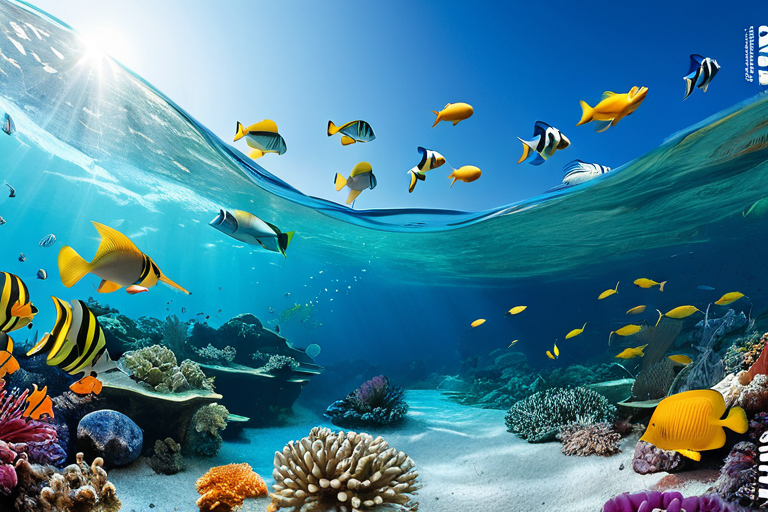
Visual representation of fish circadian rhythms and feeding windows
Dr. Marcus Chen, a marine biologist at the University of Washington's School of Aquatic and Fishery Sciences, explains: "Fish don't feed continuously throughout the day. They have specific windows when their metabolism peaks and hunting efficiency maximizes. For bass, this often occurs during low-light periods—dawn and dusk—when their visual advantage over prey is greatest."
Research from the National Oceanic and Atmospheric Administration shows that different species have evolved distinct feeding schedules based on their ecological niches. Bottom-dwelling catfish, for instance, often feed more actively at night when competition decreases, while sight-dependent trout peak during daylight hours.
Environmental Triggers: Beyond Temperature and Light
While water temperature receives significant attention from anglers, other environmental factors play equally crucial roles in triggering feeding behavior. Barometric pressure changes, dissolved oxygen levels, and even subtle water chemistry shifts can activate fish feeding responses.
Key Environmental Feeding Triggers
- Barometric Pressure: Falling pressure often precedes weather changes and triggers increased feeding activity as fish sense approaching storms
- Dissolved Oxygen: Levels above 5 mg/L typically support active feeding, while concentrations below 3 mg/L suppress metabolism
- Water Clarity: Turbid water can extend feeding windows by providing cover, while clear water often restricts activity to low-light periods
- Current Changes: Increased water movement often stimulates feeding by dislodging prey and increasing oxygen levels
A comprehensive study by the U.S. Geological Survey monitored fish behavior in relation to environmental variables across multiple watersheds. The data revealed that feeding activity increased by 40-60% during specific combinations of factors, particularly when falling barometric pressure coincided with rising water temperatures of 2-4°F.
The Predator-Prey Dynamic: Understanding Food Chain Relationships
Fish don't exist in isolation—their feeding behavior is intrinsically linked to the availability and behavior of their prey. Successful anglers understand these relationships and position themselves within the food chain's natural rhythms.
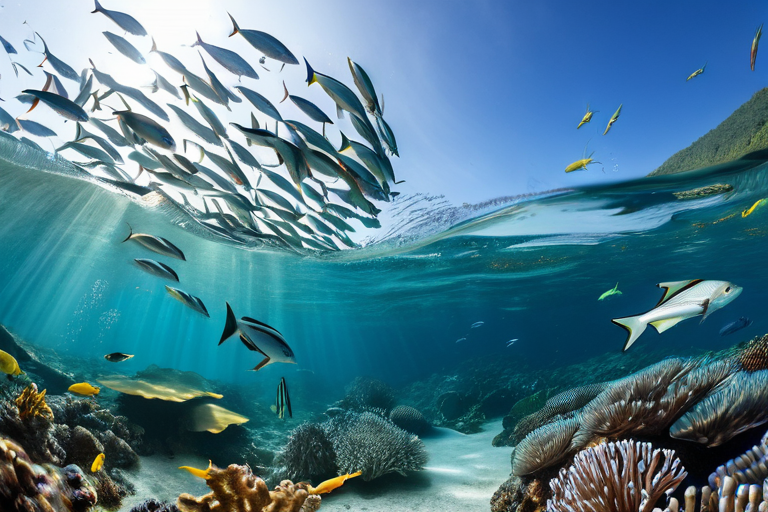
Interconnected relationships within aquatic ecosystems
"The most productive fishing occurs during what we call 'trophic cascades'—periods when multiple levels of the food chain become active simultaneously," explains Dr. Elena Rodriguez, an aquatic ecologist whose work appears in Science Magazine. "For example, when zooplankton blooms trigger baitfish feeding frenzies, predatory fish respond within hours."
This understanding has practical applications for anglers:
- Match the Hatch Timing: Identify when specific insect hatches or baitfish movements occur in your local waters
- Follow the Food Chain: Predatory fish often position themselves downstream or downwind of feeding baitfish schools
- Understand Seasonal Shifts: Different prey species become dominant during various seasons, changing predator feeding patterns accordingly
Seasonal Variations: Adapting to Annual Cycles
Fish feeding windows change dramatically with the seasons, reflecting shifts in metabolism, reproductive cycles, and food availability. The American Fisheries Society has documented these patterns across North American water bodies, revealing consistent seasonal trends.
Spring Feeding Patterns
As water temperatures rise from winter lows, fish metabolism accelerates. Pre-spawn feeding frenzies occur as fish build energy reserves. Morning and afternoon windows often prove most productive as fish take advantage of warming shallow waters.
Summer Thermal Stratification
Lakes develop distinct temperature layers. Fish often feed at dawn and dusk when they can access cooler, oxygen-rich waters. Night fishing becomes particularly effective for many species during hot summer months.
Fall Transition Periods
As water cools and mixes, fish experience extended feeding windows throughout the day. Baitfish migrations trigger aggressive predator feeding. Overcast days often produce exceptional results during this season.
Winter Metabolic Slowdown
Cold-water species remain active while warm-water fish feed sparingly. Midday periods when sunlight penetrates ice or warms surface waters often provide brief but productive feeding windows.
Practical Application: Turning Science into Success
Understanding fish feeding science is valuable only when applied practically. Here's how anglers can implement this knowledge:
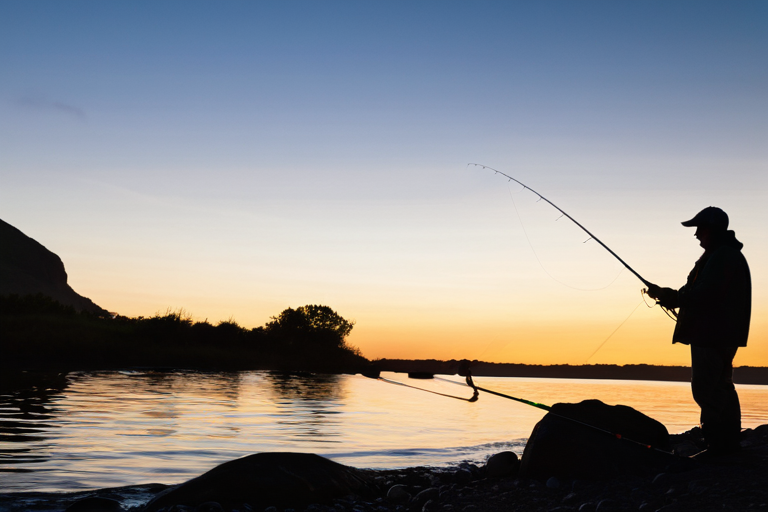
Strategic angling based on scientific understanding of fish behavior
Data Collection and Pattern Recognition
Maintain detailed fishing logs that include not just catches, but environmental conditions, time of day, moon phase, and observed fish behavior. Over time, patterns emerge that reveal local feeding windows. Modern technology, including fish finders with temperature and oxygen sensors, can accelerate this learning process.
Adaptive Strategy Development
Rather than sticking rigidly to traditional "best times," develop flexible strategies based on current conditions. If water temperatures rise unexpectedly, adjust your timing to match the metabolic response. If barometric pressure drops rapidly, capitalize on the likely feeding window that follows.
Local Knowledge Integration
While scientific principles provide a framework, local conditions create variations. Work with fisheries biologists, experienced local anglers, and conservation officers to understand how general principles manifest in specific water bodies. The Association of Fish & Wildlife Agencies often provides region-specific research and data that can inform local strategies.
Common Misconceptions About Fish Feeding
Myth: Fish feed most actively during full moons.
Reality: While lunar cycles influence some species, research shows that other factors like water temperature and weather fronts often have greater impact on feeding behavior.
Myth: The best fishing always occurs at dawn and dusk.
Reality: While these are productive periods for many species, specific conditions can create excellent midday or nighttime feeding windows, particularly for cold-water or deep-water species.
Myth: Fish stop feeding when water gets too cold.
Reality: Cold-water species like trout and walleye remain active year-round, with adjusted metabolic rates and feeding patterns.
The Future of Scientific Angling
Emerging technologies and research continue to refine our understanding of fish feeding behavior. Satellite monitoring of water temperatures, real-time dissolved oxygen sensors, and advanced fish tracking systems provide unprecedented insights into aquatic ecosystems.
Organizations like the American Fisheries Society and academic institutions worldwide continue to study fish behavior, with findings regularly published in peer-reviewed journals. Anglers who stay informed about this research gain significant advantages on the water.
The art of angling meets the science of ichthyology in understanding fish feeding windows. While equipment and technique remain important, knowledge of biological rhythms, environmental triggers, and ecosystem dynamics separates consistently successful anglers from occasional lucky ones. By applying scientific principles while respecting local variations, fishermen can transform their approach from guesswork to strategic pursuit.
Sources referenced in this article include peer-reviewed research from the Journal of Fish Biology, data from NOAA Fisheries Science Centers, studies published by the U.S. Geological Survey, and findings from the American Fisheries Society's ongoing research initiatives.