What Are the Best Strategies for Night Fishing Safety and Success
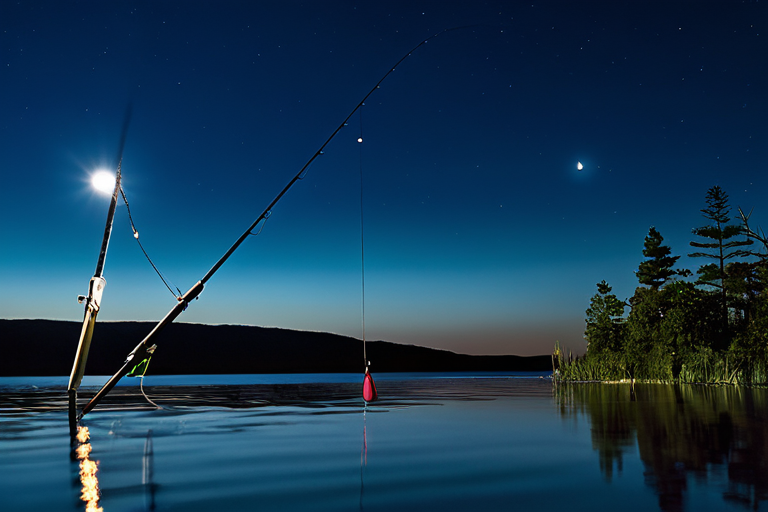
Night fishing offers a unique blend of tranquility and challenge. As the sun sets, many species become more active, and the cooler temperatures often lead to fewer crowds. However, fishing after dark requires a different set of skills and precautions. This comprehensive guide draws on insights from TakeMeFishing.org and experienced anglers to help you stay safe and increase your catch rate during nighttime outings.
Why Fish at Night?
Many fish species, such as bass, catfish, and walleye, feed more actively in low-light conditions. Nighttime also provides respite from daytime heat and boat traffic. According to a study by the American Fisheries Society, predatory fish often move into shallower waters at night to hunt, making them more accessible to anglers. Additionally, the absence of direct sunlight reduces the need for stealth, as fish rely more on their lateral line to detect vibrations.
Essential Safety Tips for Night Fishing
1. Light Up Your Area: Use a waterproof headlamp or clip-on light to see your surroundings. Red or green lights preserve night vision and are less disruptive to fish. The BoatUS Foundation recommends having at least two independent light sources in case one fails.
2. Wear a Life Jacket: Accidents happen more easily in the dark. A US Coast Guard-approved life jacket is non-negotiable, especially when fishing from a boat. Even shallow water can be dangerous if you slip and hit your head.
3. Dress for the Conditions: Night temperatures often drop significantly. Wear layered clothing and a waterproof jacket. Insulated boots with good traction prevent slips on wet surfaces. The National Weather Service warns that hypothermia can occur even in mild weather when you're wet.
4. Keep Your Area Tidy: Tangled lines, hooks, and tools on the floor are tripping hazards. Use a tackle box with compartments and a rod holder to keep gear organized. A well-arranged fishing space minimizes accidents.
5. Stay Hydrated and Fueled: It's easy to forget to eat or drink when focused on fishing. Bring water and high-energy snacks. Dehydration and fatigue impair judgment and coordination.
6. File a Float Plan: Tell someone your exact location and expected return time. Cell phone signals may be spotty, so consider a satellite communicator or personal locator beacon. The US Coast Guard emphasizes this as a key safety measure.
Gear Selection for Night Fishing
Your equipment choices can make or break a night trip. Consider these upgrades:
- Rod: Choose a medium-heavy action rod with a sensitive tip. The extra length (7-8 feet) helps cast heavier lures and provides better leverage when fighting fish in the dark.
- Reel: A baitcasting reel with a high gear ratio (7:1 or higher) allows quick line retrieval. Spinning reels with a smooth drag work well too. Practice tying knots in the dark beforehand.
- Line: Braided line in high-visibility color (like yellow or fluorescent green) helps you see your line under a light. Use a fluorocarbon leader for abrasion resistance.
- Lures: Dark-colored lures (black, purple, dark green) create a strong silhouette against the night sky. Lures with rattles or vibration attract fish through their lateral line. Topwater lures can be highly effective as fish often strike on the surface at night.
- Bait: Live bait such as nightcrawlers, shad, or cut bait works well because it emits scent and movement. Use a light stick or glow bead to make your bait more visible.
- Electronics: A fish finder with GPS helps you navigate and locate underwater structures. Many models have night mode that dims the screen. Portable power banks are essential to keep devices charged.
Understanding Fish Behavior at Night
Fish rely less on vision and more on other senses in the dark. According to Fish Biology Journal, the lateral line system detects vibrations and pressure changes, making noisy lures effective. Additionally, many species have a tapetum lucidum behind the retina, reflecting light to improve low-light vision. This is why fish can see silhouettes against the surface – so avoid wearing bright clothing that stands out against the sky.
Predatory fish often move into shallower water at night to ambush prey. Target areas near weed edges, drop-offs, and man-made structures like docks and bridges. Water temperature also plays a role: during summer, warm surface water may push fish deeper, but at night they rise again. Use a thermometer to find temperature breaks.
Proven Techniques for Night Fishing Success
Slow and Steady Retrieves: Many fish are less active at night and won't chase fast-moving lures. Use a slow, steady retrieve with occasional pauses. Let the lure or bait sit for a few seconds before moving it again.
Focus on Structure: Cast parallel to shorelines or along weed lines. Submerged logs, rocks, and channels hold fish. Use a depth finder to locate these spots in advance and mark waypoints.
Listen to the Water: In the dark, your ears become a crucial tool. Listen for surface splashes, baitfish jumping, or the distinctive slurp of a feeding fish. These sounds indicate active areas.
Use Glow Attractants: Glow-in-the-dark beads, jig heads, or bobbers can attract fish. Charge them with a bright light before casting. Some anglers attach a small chemical light stick to their line just above the bait.
Keep a Tight Line: Because you can't see the line, maintain contact with your bait. Use a sensitive rod tip and watch for any unusual tension. A strike indicator or bell can alert you to bites.
Common Night Fishing Mistakes to Avoid
Even experienced anglers make errors in the dark. Avoid these pitfalls:
- Shining a bright light directly on the water near your fishing spot – this spooks fish.
- Forgetting to check your gear before dark – tangled lines or dead batteries ruin a trip.
- Fishing too fast – a rushed presentation often goes unnoticed.
- Ignoring weather forecasts – night storms can develop quickly.
- Standing too close to the water's edge – a slip can be dangerous.
Conclusion
Night fishing can be one of the most rewarding angling experiences, offering solitude and the chance to catch trophy fish. By prioritizing safety, using appropriate gear, and adapting your techniques to low-light conditions, you can make the most of your nocturnal adventures. For more detailed tips, refer to the comprehensive resources at TakeMeFishing.org and BoatUS Foundation. Remember: preparation is key, and the night is yours to explore.
*Always check local regulations for night fishing restrictions, as some waters may prohibit fishing after dark during certain seasons.*