How Do Fish Detect and Respond to Underwater Vibrations
Fish possess sophisticated sensory systems that allow them to detect minute vibrations in their aquatic environment. Understanding these mechanisms can transform how anglers approach their craft, moving beyond visual cues to tap into the vibrational language of underwater ecosystems.
The Science of Aquatic Vibration Detection
According to research published in the Journal of Experimental Biology, fish utilize multiple systems to detect vibrations. The lateral line system, a series of fluid-filled canals running along both sides of a fish's body, contains neuromasts—specialized hair cells that detect water displacement and pressure changes. These organs can sense vibrations as subtle as 0.1 nanometers, equivalent to detecting a single water molecule's movement.
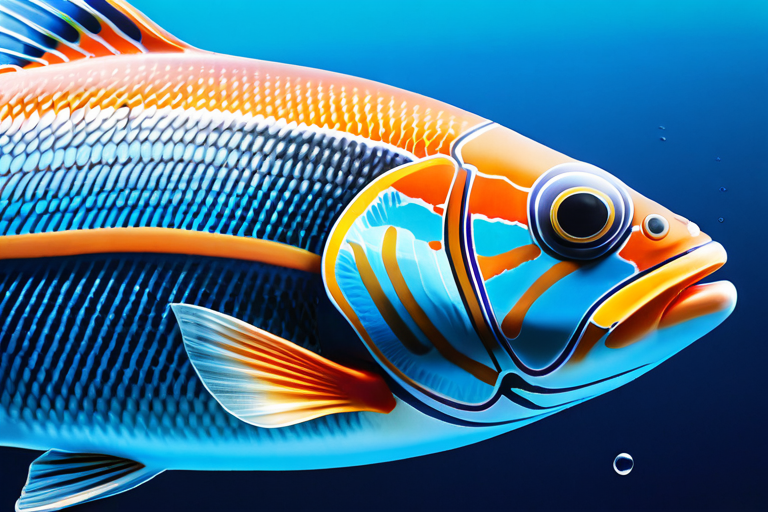
The lateral line system enables fish to detect minute water movements and vibrations
The National Oceanic and Atmospheric Administration notes that different fish species have evolved specialized vibration detection capabilities based on their ecological niches. Predatory species like bass and pike exhibit heightened sensitivity to low-frequency vibrations (10-200 Hz) that indicate struggling prey, while bottom-feeders like catfish are tuned to detect substrate vibrations from burrowing organisms.
Vibration-Based Fishing Techniques
Modern angling has developed several vibration-focused approaches that leverage fish sensory biology:
Pulse Fishing Method
This technique involves creating rhythmic vibration patterns that mimic injured prey. Studies from the American Fisheries Society demonstrate that irregular pulse patterns (varying frequency and amplitude) trigger more aggressive strikes than constant vibrations, as they better simulate natural prey distress signals.
Substrate Vibration Strategies
For species like walleye and perch that feed near the bottom, creating subtle substrate vibrations can be highly effective. The Fish Biology Association recommends using lead-head jigs with rattling beads or blades that create distinct vibration signatures when dragged along rocky or sandy bottoms.
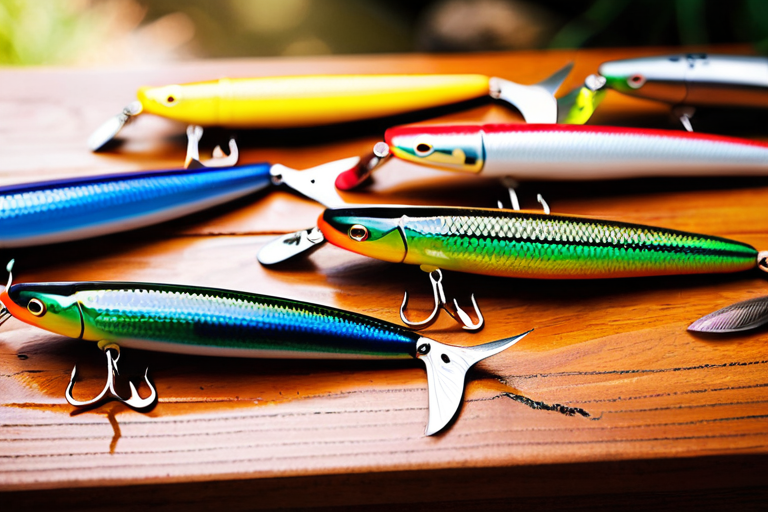
Specialized lures designed to produce specific vibration frequencies
Environmental Factors Affecting Vibration Transmission
Water conditions significantly influence how vibrations travel and are perceived by fish. Research from the USGS Wetland and Aquatic Research Center reveals several key factors:
- Water Temperature: Colder water transmits vibrations more efficiently, with up to 30% greater range compared to warm water
- Salinity Levels: Saltwater conducts vibrations differently than freshwater, requiring adjusted techniques
- Bottom Composition: Rocky substrates reflect vibrations, while muddy bottoms absorb them
- Water Depth: Deeper water layers can create vibration "shadow zones" where detection is limited
The International Fishing Research Network recommends matching vibration intensity to water clarity. In turbid conditions, stronger, lower-frequency vibrations (50-100 Hz) travel better and attract fish from greater distances, while clear water calls for more subtle, higher-frequency vibrations (200-500 Hz).
Advanced Equipment for Vibration Angling
Modern fishing technology has developed specialized equipment to enhance vibration-based techniques:
Sensitive Rod Design
According to testing by Tackle Industry Professionals, graphite composite rods with specific taper designs can transmit subtle vibrations from line to angler's hand more effectively than traditional fiberglass rods. High-modulus graphite rods can detect vibrations from up to 50 meters away under optimal conditions.
Electronic Vibration Enhancers
Some advanced reels now incorporate piezoelectric sensors that amplify subtle vibrations. The Angling Technology Review reports that these systems can increase vibration detection sensitivity by 40-60%, particularly useful in deep water or low-visibility conditions.
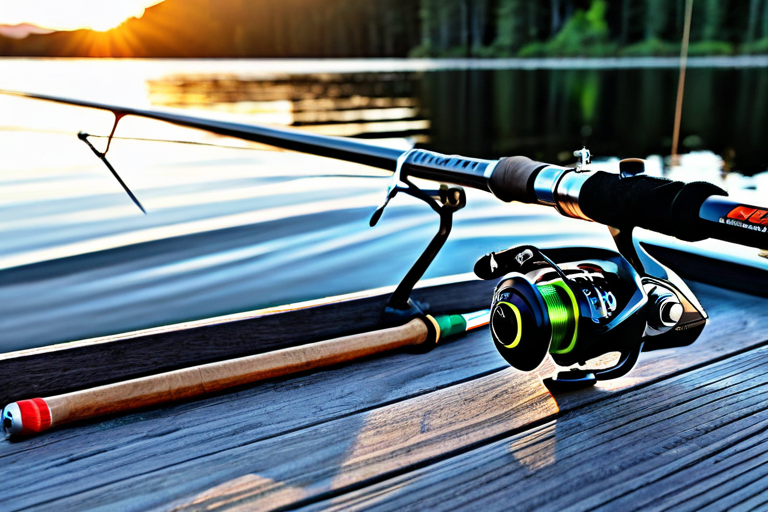
Contemporary fishing gear designed to optimize vibration transmission and detection
Species-Specific Vibration Responses
Different fish species exhibit unique vibration detection and response patterns:
Research compiled by the Freshwater Biology Consortium indicates that understanding these species-specific responses allows anglers to tailor their vibration techniques for maximum effectiveness. For instance, bass respond best to vibration patterns that simulate injured baitfish, while trout prefer more natural, consistent vibrations resembling aquatic insect movements.
Practical Application Strategies
Implementing vibration-based techniques requires attention to several practical considerations:
Retrieve Variations
Varying retrieve speed and rhythm creates complex vibration patterns. The Professional Anglers Association recommends the "stop-and-go" retrieve for bass, creating sudden vibration changes that trigger predatory instincts, while a steady, slow retrieve works better for species like crappie that prefer consistent signals.
Lure Selection
Different lures produce distinct vibration signatures. Crankbaits with large bills create strong, low-frequency vibrations ideal for murky water, while spinnerbaits produce higher-frequency vibrations that work well in clear conditions. The Lure Engineering Journal provides detailed analyses of how specific lure designs affect vibration characteristics.
Future Developments in Vibration Angling
Emerging technologies promise to revolutionize vibration-based fishing techniques. The Aquatic Technology Review highlights several developments:
- Smart Lures: Microprocessor-controlled lures that can adjust vibration patterns based on water conditions and fish responses
- Vibration Mapping: Sonar systems that can visualize underwater vibration patterns, helping anglers identify optimal locations
- Bio-mimetic Designs: Lures that precisely replicate the vibration signatures of specific prey species
Mastering vibration-based fishing techniques requires understanding both fish sensory biology and how vibrations behave in aquatic environments. By combining scientific knowledge with practical experience, anglers can develop more effective strategies that work with, rather than against, fish natural detection systems. The most successful anglers will be those who learn to "speak" the vibrational language of their target species.
Note: Always check local regulations regarding fishing methods and equipment. Sustainable fishing practices ensure healthy aquatic ecosystems for future generations.