How Does Water Temperature Influence Fish Behavior and Fishing Success
Understanding water temperature is one of the most critical yet often overlooked factors in fishing success. Unlike air temperature, which varies rapidly, water temperature changes slowly and creates distinct layers in lakes and rivers. Fish are cold-blooded, meaning their body temperature matches their surroundings, directly controlling their metabolism, digestion, and activity levels. This article explores the science behind thermal influences on fish and provides actionable strategies for anglers.
The Metabolic Connection
Fish are ectothermic—their internal temperature is dictated by the water they inhabit. According to the American Fisheries Society, a 10°C (18°F) increase in water temperature roughly doubles a fish's metabolic rate. This means fish in warmer water require more food but also digest faster, creating frequent feeding windows. In cold water (<40°F / 4°C), metabolism slows dramatically; fish like bass and walleye become lethargic and feed only sporadically. Trout, however, remain active in colder water but seek thermal refuges when temperatures exceed 70°F (21°C).
Research from U.S. Fish and Wildlife Service indicates that each species has an optimal temperature range for feeding. For example, largemouth bass prefer 65–80°F (18–27°C), while brook trout thrive at 50–65°F (10–18°C). Deviations outside this range force fish to conserve energy, reducing bite frequency.
Thermal Stratification and Fish Location
During summer, lakes develop thermal stratification: warm, oxygen-rich water sits on top, while cold, low-oxygen water settles at the bottom. The middle layer, called the thermocline, experiences a rapid temperature drop—often 1°C per foot. Fish congregate near the thermocline because it offers the best balance of oxygen and temperature. According to TakeMeFishing.org, bass and crappie often suspend at the thermocline depth, making sonar crucial for locating them. In rivers, temperature varies less, but fish still seek thermal refuges such as deep pools or shaded banks.
A study published in Transactions of the American Fisheries Society found that walleye movements are tightly linked to water temperature gradients. During spring warming, walleye migrate to shallow spawning areas as water reaches 45–50°F (7–10°C). Anglers who monitor temperature trends can predict these movements with high accuracy.
Practical Angling Strategies Based on Temperature
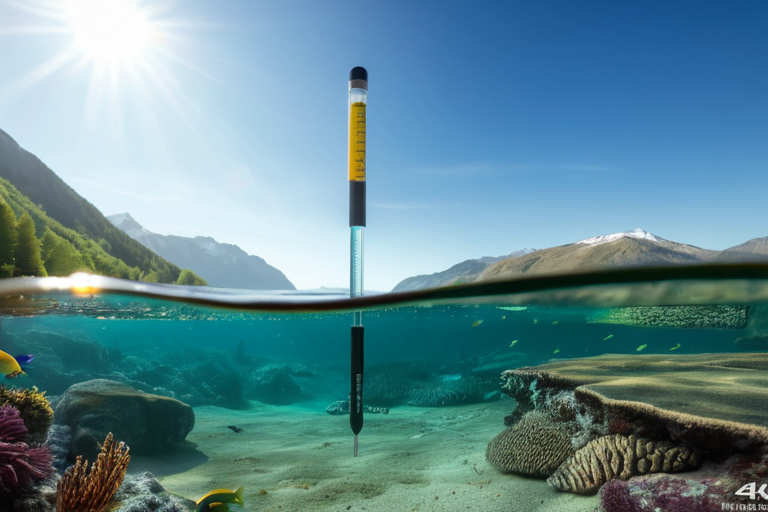
To leverage temperature data, carry a reliable thermometer and use it at various depths. Below are tips for common temperature ranges:
- Below 50°F (10°C): Fish are sluggish. Use slow presentations like jigs tipped with live bait. Focus on deep structure where water is slightly warmer. Carp can still be caught using dough baits in pre-warmed areas near power plants.
- 50–65°F (10–18°C): Prime spring and fall conditions. Fish feed aggressively to build energy for spawning or winter. Crankbaits, spinnerbaits, and jerkbaits work well. Target shallow flats and creek channels.
- 65–80°F (18–27°C): Summer peak. Fish are active but seek shade or deeper water during midday. Use topwater lures at dawn/dusk and deep-diving lures for midday. The thermocline often sits at 15–25 feet; use drop-shot rigs.
- Above 80°F (27°C): Stressful for many species. Trout retreat to spring-fed tributaries; bass stop feeding. Night fishing or targeting catfish (tolerant of warm water) is effective. Use live bait near the surface in oxygenated areas like riffles.
Case Study: Lake Tahoe’s Coldwater Fishery
Lake Tahoe's clear, cold water supports Mackinaw lake trout. Biologists from Nevada Department of Wildlife note that these trout prefer temperatures of 45–50°F (7–10°C). In summer, they descend to depths of 100–200 feet. Anglers using downriggers with temperature probes can precisely target this zone. During winter, when the entire water column cools, the lake trout move shallower, providing excellent jigging opportunities.
Tools and Techniques for Measuring Water Temperature
Modern fish finders often include temperature sensors. For precision, use a handheld infrared thermometer (for surface temps) or a weighted line thermometer. The Rapala thermometer clip is popular for attaching to fishing line. Record temperatures at different times of day and note correlations with catches. This data, combined with weather forecasts, can help you choose the best fishing spots.
Seasonal Patterns and Water Temperature
Spring turnover (when ice melts and water mixes) equalizes temperature across the lake, triggering feeding frenzies. In autumn, as surface water cools and sinks, turnover occurs again, similarly activating fish. Understanding these cycles—documented by Nature Education—can give you an edge during transitional periods. During summer stagnation, oxygen depletion in deep water forces fish into narrow bands along the thermocline.
Conclusion
Water temperature is the hidden variable that governs fish behavior more consistently than barometric pressure or moon phase. By measuring and interpreting temperature data, anglers can locate fish faster, select appropriate lures, and optimize presentation speed. Next time you head out, let a thermometer be your guide—it may be the single most effective tool in your tackle box. For further reading, check out WikiHow’s guide on temperature-based fishing.
References: American Fisheries Society, U.S. Fish and Wildlife Service, TakeMeFishing.org, Nevada Department of Wildlife, Nature Education.