Introduction: The Hidden Factor in Your Fishing Success
When planning a fishing trip, most anglers check weather, water temperature, and barometric pressure. However, one critical variable often overlooked is water pH. pH measures how acidic or alkaline water is on a scale of 0 to 14, with 7 being neutral. Fish are highly sensitive to pH changes because it directly influences their physiology, behavior, and the availability of food sources. Understanding pH can give you a significant edge on the water. According to the U.S. Geological Survey, most freshwater fish thrive in a pH range of 6.5 to 8.5, but details vary by species.
How pH Affects Fish Physiology
Fish gills are in direct contact with water, making pH crucial for ion exchange and oxygen uptake. In acidic water (low pH), hydrogen ions interfere with sodium and chloride uptake, leading to osmotic stress. A study published in Environmental Biology of Fishes found that chronic exposure to pH below 5.5 can damage gill tissue and reduce growth rates (Springer). Conversely, highly alkaline water (pH above 9) can cause ammonia toxicity because ammonia converts to its toxic un-ionized form at higher pH. The NOAA Fisheries notes that many fish species have evolved specific pH tolerances; for example, brook trout prefer pH 6.0-7.5, while carp can tolerate pH 5.0-9.0.
pH and Fish Behavior: Feeding and Activity
pH directly impacts the fish's stress level and feeding activity. Stress from suboptimal pH reduces appetite and makes fish less likely to strike lures. In a 2015 study by researchers at the University of California, bass were observed to decrease feeding frequency by 40% when pH dropped from 7.2 to 6.0 (eScholarship). Additionally, pH affects the lateral line sensitivity—fish use this to detect vibrations. Acidic water may impair this sense, making them less reactive to lures. Alkaline water, on the other hand, can increase fish metabolism but also raises oxygen demand, which may lead to deeper water movement during hot periods.
pH and the Food Web: Indirect Effects on Fishing
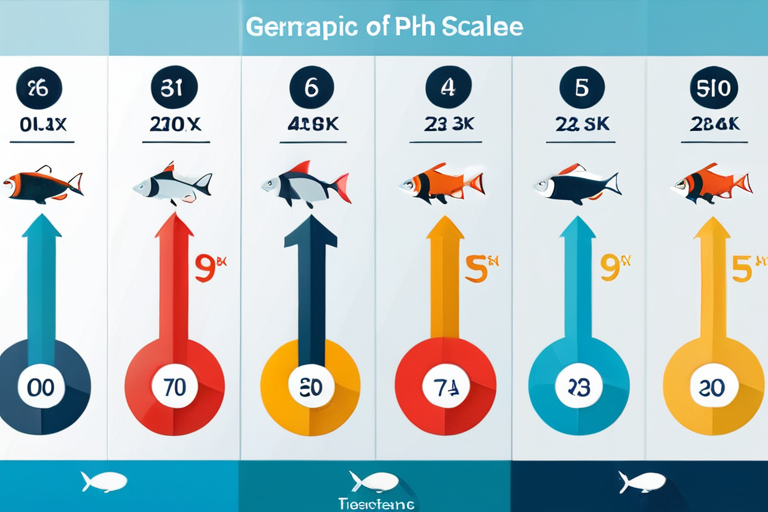
pH shapes the entire aquatic ecosystem. Many insects and crustaceans—primary food for fish—have narrow pH tolerances. Mayflies, for instance, require pH above 6.0 to thrive. When pH falls, insect populations crash, forcing fish to search for alternative food or become less active. The Environmental Protection Agency reports that acidified lakes (pH < 5.5) often have simplified food webs with fewer prey items. Anglers may find fish concentrated in areas with neutral runoff or near limestone deposits that buffer pH. Conversely, in alkaline waters (pH > 8.5), algae blooms can occur, reducing visibility and affecting fish feeding behavior.
How to Measure pH on the Water
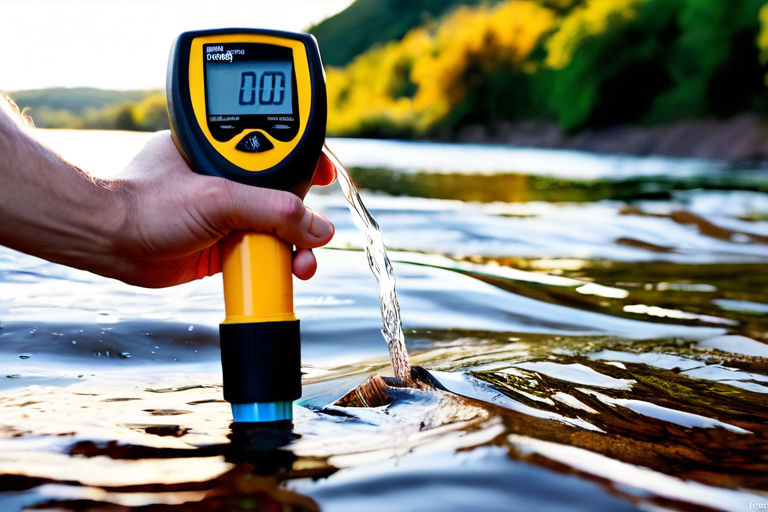
You can test pH using inexpensive strip tests or digital meters. Digital meters are more accurate but require calibration. The best sampling practice is to collect water from mid-depth away from banks. According to FishSens, pH can vary by depth due to photosynthesis and decomposition. Test at the fishing level—if you're targeting bottom feeders, measure near the bottom. Record pH over time to identify trends; for example, pH often drops at night due to respiration and rises in afternoon due to algae photosynthesis.
Practical Fishing Strategies for Different pH Levels
Low pH (acidic water, < 6.5): Fish are likely stressed and less aggressive. Use slow, subtle presentations like finesse worms or live bait that mimic natural prey. Target areas with inflow from neutral streams or springs. Adding attractants like garlic or anise may help trigger bites. In extreme acidity, consider moving to a different water body.
Neutral pH (6.5-7.5): Ideal conditions. Fish are active and feeding normally. Use standard techniques—crankbaits, spinnerbaits, or jigs. You can experiment with aggressive presentations.
High pH (alkaline water, > 8.5): Fish may be feeding in deeper, cooler water to avoid temperature stress. Focus on early morning or late evening. Use baits that mimic crayfish or shad, which are common in alkaline lakes. In very high pH, consider fishing near inflows of less alkaline water.
A case study from Texas Parks and Wildlife showed that during summer, pH in shallow lakes can exceed 9.0, causing fish to seek shaded or deeper zones. Anglers who adjusted to fishing deeper water with slower presentations caught more bass than those fishing the shallows.
Seasonal and Daily pH Dynamics
pH fluctuates with time and season. In summer, intense photosynthesis can raise pH to 9.0 or more in eutrophic lakes. In winter, reduced plant activity leads to more neutral or slightly acidic conditions. Rain can lower pH temporarily due to acid rain effects—especially in regions with granite bedrock. According to the National Park Service, after heavy rains, pH in mountain streams can drop from 7.0 to 5.5 for a few hours, causing fish to stop feeding. Wait for pH to stabilize before fishing.
pH and Fish Reproduction: Long-Term Impact
Fish reproduction is highly pH-sensitive. Most species require pH between 6.5 and 8.0 for successful egg fertilization and development. Studies from North American Journal of Fisheries Management indicate that walleye egg survival drops sharply below pH 6.0. Therefore, pH can predict spawning areas—look for neutral pH zones in spring for spawning fish. Fishing near spawning grounds during pre-spawn can be productive, but respect catch-and-release ethics.
Using pH Data to Choose Fishing Locations
Consult water quality databases from state agencies. For example, the USGS Water Quality Data provides pH readings from thousands of stations. Focus on lakes and rivers with pH consistently between 6.5 and 8.0 for best fishing. Avoid heavily acidified waters (pH < 5.5) which often have poor fish populations. In coastal areas, saltwater pH is generally stable (around 8.1-8.3), but freshwater inflow can create brackish zones with varied pH—target these transition areas for mixed species.

Conclusion: Make pH Part of Your Fishing Routine
Water pH is a powerful but underused tool for anglers. By understanding its effects on fish physiology, behavior, and food sources, you can make smarter decisions about where and when to fish, what lures to use, and how to present them. Carry a pH meter or strips, note conditions in your fishing log, and track patterns. Over time, you'll decode a hidden layer of the underwater world and improve your catch rate. The science is clear: pH matters. So next time you head out, don't just check the weather—check the pH.
For further reading, explore resources from the EPA's Nutrient Pollution Program and American Fisheries Society.