Understanding the Wind's Role in Saltwater Fishing
When casting a line in saltwater, few factors are as critical yet overlooked as wind direction. For seasoned anglers, the wind is not just a weather annoyance but a driving force that dictates where fish feed, how they behave, and ultimately, whether your outing is a success. According to the National Oceanic and Atmospheric Administration (NOAA), wind stress on the ocean surface creates surface currents that can transport nutrients and plankton, forming the base of the marine food web. This article delves into the science of wind-driven fishing, providing actionable insights for anglers of all skill levels.
The Science Behind Wind and Fish Behavior
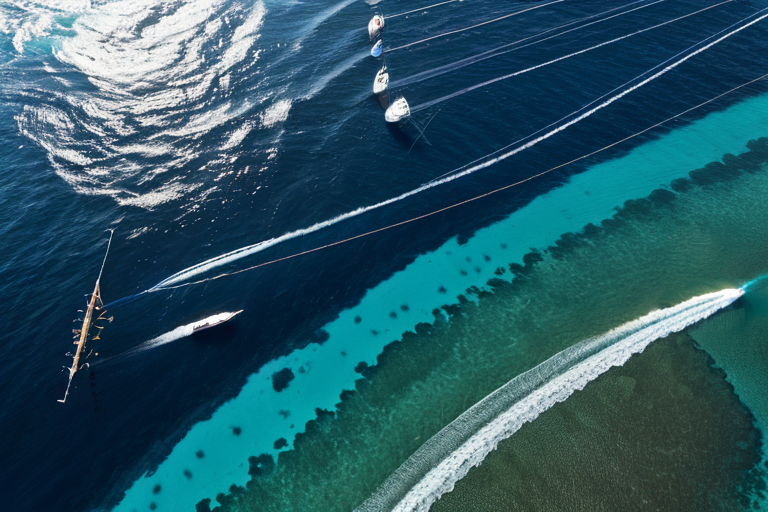
Wind influences fishing success through multiple interconnected mechanisms. First, wind-induced upwelling brings cold, nutrient-rich water from the depths to the surface. This process, well-documented in NOAA's Ocean Service, stimulates phytoplankton blooms, which attract baitfish and ultimately predator species like striped bass, redfish, and snook. Conversely, wind can also cause downwelling in other areas, pushing warm surface water downward and reducing oxygen levels, which can drive fish away.
Second, wind creates surface turbulence that mixes oxygen into the water column. As noted by the Journal of Marine Systems, increased oxygen concentration often makes fish more active and willing to feed. However, excessive wind can cause water clarity to degrade due to suspended sediment, making fish more cautious.
Wind Direction and Optimal Fishing Spots
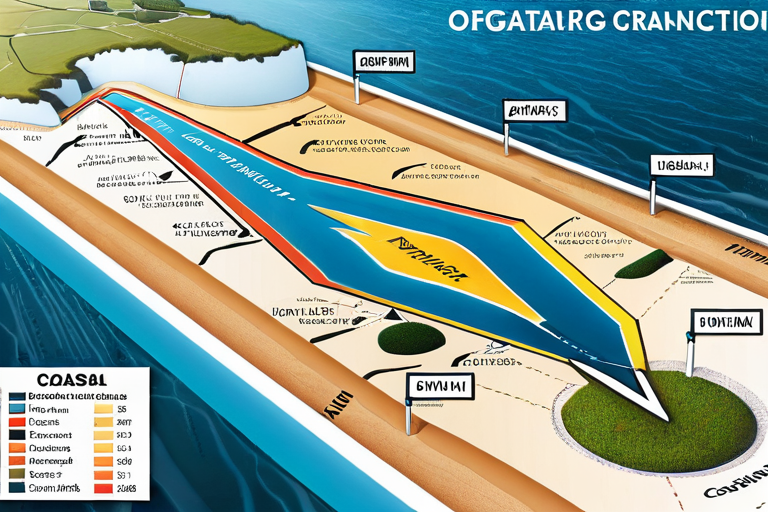
Different wind directions produce distinct effects on coastal and offshore environments. Here’s a breakdown based on expertise from Saltwater Sportsman and In-Fisherman:
- Onshore Wind (Wind blowing toward shore): This pushes surface water and baitfish toward the coastline, concentrating predators in the surf zone and near jetties. Especially productive for species like Spanish mackerel, bluefish, and pompano.
- Offshore Wind (Wind blowing away from shore): Causes surface water to move away, often resulting in clearer but less productive nearshore waters. Fish may retreat to deeper structures or channels. However, this can be excellent for bottom fishing around drop-offs.
- Crosswind (Wind parallel to shore): Can create Langmuir circulation – parallel windrows where foam and debris accumulate. This concentrates bait and attracts game fish. Look for slicks and current edges.
- Shifting Wind: Rapid changes in direction can disorient baitfish and trigger erratic feeding bursts. Pay attention to weather fronts for explosive action.
Practical Tips for Fishing in Different Wind Conditions
Based on insights from NOAA Fisheries and veteran captains, here are actionable strategies:
- Use wind-driven current lines: Look for rips or color changes – these are often where predator fish ambush bait. Position your boat so you drift with the wind, presenting your bait naturally.
- Adjust your bait presentation: In strong winds, use heavier weights or jigs to maintain bottom contact. For onshore winds, try topwater lures that mimic struggling baitfish.
- Seek wind protection: When winds exceed 15 knots, fish often move to the lee side of islands, points, or submerged structures. Calmer water there allows them to conserve energy.
- Consider wind chill: In cooler months, strong winds can cause fish to become less active. Fish slower and deeper. Use scent-enhanced baits to tempt finicky feeders.
Real-World Examples and Case Studies
A study published in the Ocean Dynamics journal analyzed how persistent onshore winds in the Gulf of Mexico increased catch rates of red snapper by up to 30% near artificial reefs. Similarly, an article from The Fisherman recounts how striped bass anglers on the East Coast rely on a “wind from the northeast” rule: a steady northeast wind for two days triggers a massive bass blitz as baitfish get pushed against the shoreline.
Tools and Technology to Monitor Wind
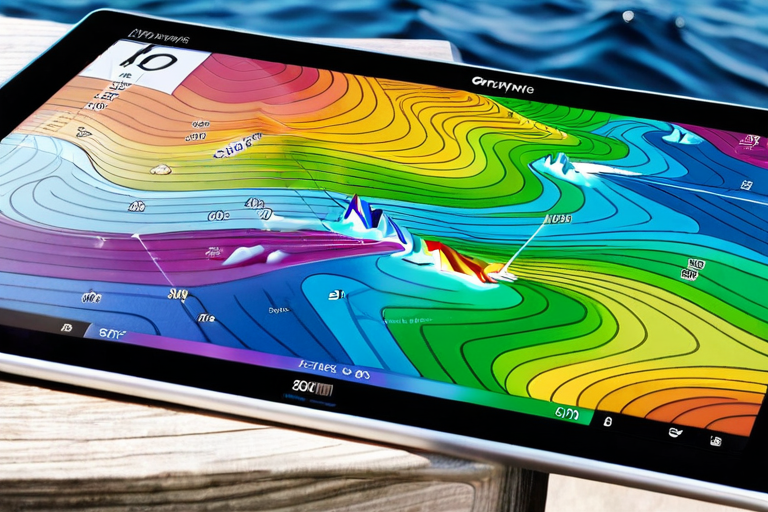
Modern anglers can access real-time wind data through Windy.com and Windfinder.com, which overlay wind direction and speed on local water bodies. Additionally, many fish finders now feature weather routing that suggests optimal trolling paths based on wind forecasts. The National Weather Service also provides marine weather bulletins tailored to coastal waters.
Conclusion
Wind direction is a powerful yet often underestimated variable in saltwater fishing. By understanding how wind creates current, affects oxygen, and moves bait, you can dramatically increase your catch rates. Next time you head out, check the wind forecast first – let nature guide your strategy. Remember: a 10-15 knot wind from a consistent direction can be your best ally. Tight lines!