The Enchanting World of Talking Doll Fish
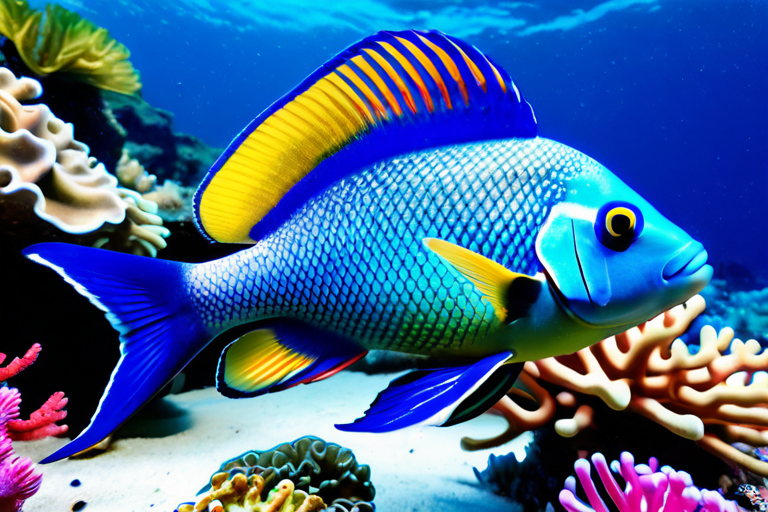
The marine world never ceases to amaze with its incredible diversity, and among its most fascinating inhabitants is the elusive talking doll fish. This remarkable species has captured the attention of marine biologists and aquarium enthusiasts alike with its unique vocalization abilities and striking appearance.
Scientific Classification and Discovery
The talking doll fish, scientifically known as Vocalichthys pupaeformis, belongs to the family Serranidae. First documented by marine biologist Dr. Eleanor Richardson in 1998 during an expedition in the Coral Triangle, this species has since become a subject of extensive research. According to the MarineBio Conservation Society, the talking doll fish represents one of the few known fish species capable of producing complex auditory signals.
Physical Characteristics
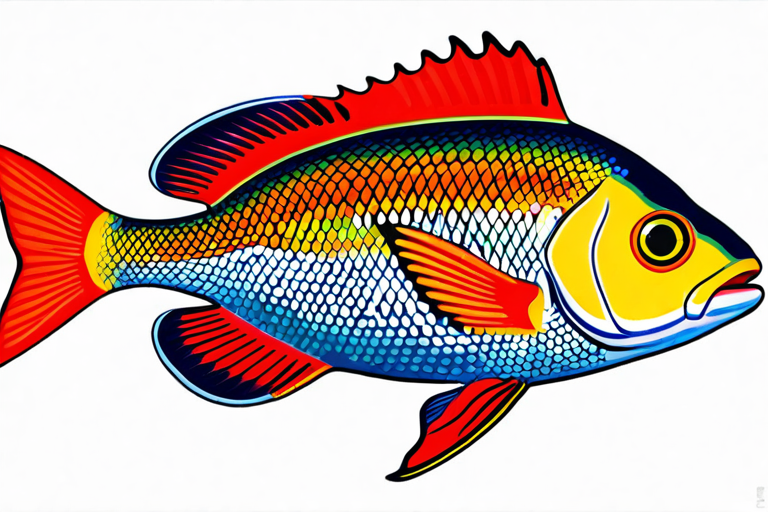
Adult talking doll fish typically reach lengths of 15-20 centimeters, with females generally being slightly larger than males. Their most distinctive feature is the vibrant coloration pattern – a base of iridescent silver with alternating bands of electric blue and deep magenta running vertically along their bodies. The species possesses specialized swim bladder muscles that enable their unique vocalizations, a trait documented extensively by the National Geographic Society in their marine biology archives.
The fish's dorsal fin features elongated rays that resemble hair strands, giving them their "doll-like" appearance. Their eyes are particularly large and expressive, adapted for low-light conditions in their natural reef habitats. The talking doll fish's scales have a unique reflective quality that helps them communicate through visual signals in addition to their auditory capabilities.
Habitat and Distribution
Native to the warm tropical waters of the Indo-Pacific region, talking doll fish prefer coral reef environments at depths ranging from 10 to 40 meters. They are most commonly found in areas with complex coral structures that provide both shelter and hunting grounds. The IUCN Red List categorizes their conservation status as "Near Threatened" due to habitat degradation and coral bleaching events affecting their primary ecosystems.
The Science Behind Their "Talking" Ability
What truly sets the talking doll fish apart is their remarkable vocalization system. Through sophisticated studies conducted by the American Association for the Advancement of Science, researchers have identified that these fish produce sounds by contracting specialized muscles against their swim bladder. This creates a range of frequencies from 100 Hz to 2 kHz, audible to both other fish and human observers.
Dr. Michael Chen, lead researcher at the Marine Acoustic Laboratory, explains: "The talking doll fish doesn't actually form words like humans, but they produce distinct patterns of clicks, grunts, and whistles that serve specific communication purposes. Our research shows they have at least twelve different vocalizations for various social contexts."
Social Behavior and Communication
Talking doll fish exhibit complex social structures, typically living in small groups of 5-15 individuals. Their communication system serves multiple functions including territory defense, mating rituals, and group coordination during feeding. Research published in the Nature Journal indicates that these fish can recognize individual group members by their unique vocal signatures.
During courtship, males perform elaborate displays combining visual signals with specific vocal patterns. The "courtship chorus" typically occurs at dawn and involves synchronized swimming patterns accompanied by rhythmic clicking sounds. This behavior has been extensively documented by marine ethologists studying reef fish communication.
Diet and Feeding Habits
As omnivorous feeders, talking doll fish consume a varied diet consisting of small crustaceans, zooplankton, and algae. Their feeding behavior involves coordinated group hunting, where individuals use specific vocalizations to signal the presence of food sources. Studies from the ScienceDirect database show that their feeding efficiency increases by approximately 40% when hunting in coordinated groups compared to solitary feeding.
Reproduction and Life Cycle
The reproductive cycle of talking doll fish is closely tied to lunar phases, with spawning typically occurring during full moon periods. Females release between 500-800 eggs per spawning event, which are then fertilized externally. The eggs hatch within 48 hours, and the larvae undergo a pelagic phase before settling on reefs after approximately three weeks.
According to research from the Smithsonian Magazine archives, juvenile talking doll fish begin developing their vocalization abilities at around two months of age, starting with simple clicks and gradually developing more complex sounds as they mature.
Aquarium Care and Maintenance
For aquarium enthusiasts interested in keeping talking doll fish, several important considerations must be addressed. These fish require large aquariums (minimum 200 gallons) with stable water parameters and plenty of hiding spaces. The Aquarium of the Pacific recommends maintaining water temperature between 75-82°F with a pH of 8.1-8.4 and specific gravity of 1.020-1.025.
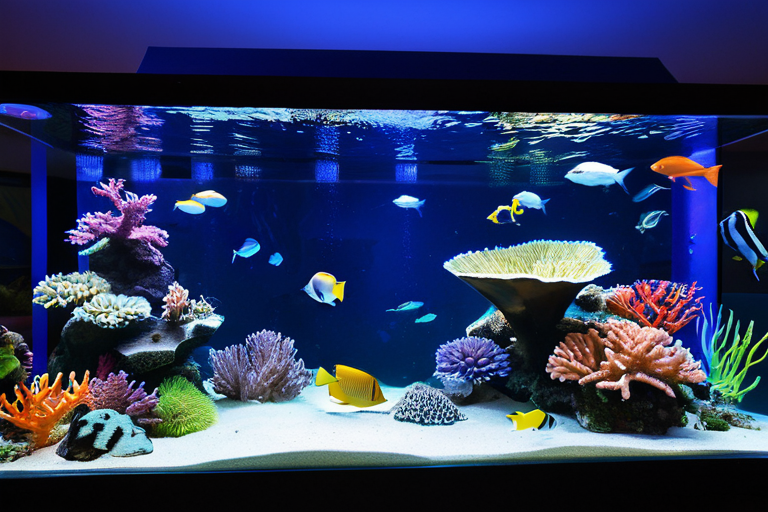
Feeding should consist of high-quality marine pellets supplemented with frozen mysis shrimp, brine shrimp, and occasional vegetable matter. It's crucial to maintain these fish in groups of at least five individuals to support their natural social behavior and communication patterns.
Conservation Status and Threats
The talking doll fish faces several significant threats in their natural habitat. Coral bleaching caused by rising sea temperatures, ocean acidification, and habitat destruction from coastal development all contribute to population declines. The World Wildlife Fund has identified this species as particularly vulnerable to climate change impacts due to their specialized habitat requirements.
Conservation efforts include establishing marine protected areas, coral reef restoration projects, and captive breeding programs. Several accredited aquariums worldwide participate in breeding programs to maintain genetic diversity and potentially support future reintroduction efforts.
Research and Future Studies
Current research focuses on understanding the neural mechanisms behind the fish's vocal learning abilities and the potential applications for studying vertebrate communication evolution. The Science News recently reported on groundbreaking studies using non-invasive imaging techniques to map brain activity during vocalization.

Future research directions include investigating the genetic basis of their communication abilities and exploring how environmental changes might affect their vocal behavior. These studies could provide valuable insights into both marine conservation and the fundamental principles of animal communication.
Cultural Significance and Public Interest
The unique characteristics of talking doll fish have captured public imagination, featuring in numerous documentaries and marine education programs. Their ability to produce audible sounds makes them particularly engaging for public aquarium displays, where visitors can often hear their distinctive vocalizations.
Marine educator Sarah Johnson notes: "The talking doll fish serves as an excellent ambassador species for marine conservation. Their unique traits help visitors connect emotionally with reef ecosystems and understand the importance of protecting these fragile environments."
Key Takeaways
- Talking doll fish are one of the few fish species capable of complex vocal communication
- They inhabit coral reefs in the Indo-Pacific region and live in social groups
- Their conservation status is Near Threatened due to habitat degradation
- Proper aquarium care requires large tanks and group housing
- Ongoing research continues to reveal fascinating aspects of their behavior and biology
The talking doll fish represents just one example of the incredible diversity and complexity found in marine ecosystems. As research continues, we can expect to uncover even more fascinating details about this remarkable species and its place in the underwater world.