The Rainbow Fish: A Timeless Tale of Beauty and Generosity
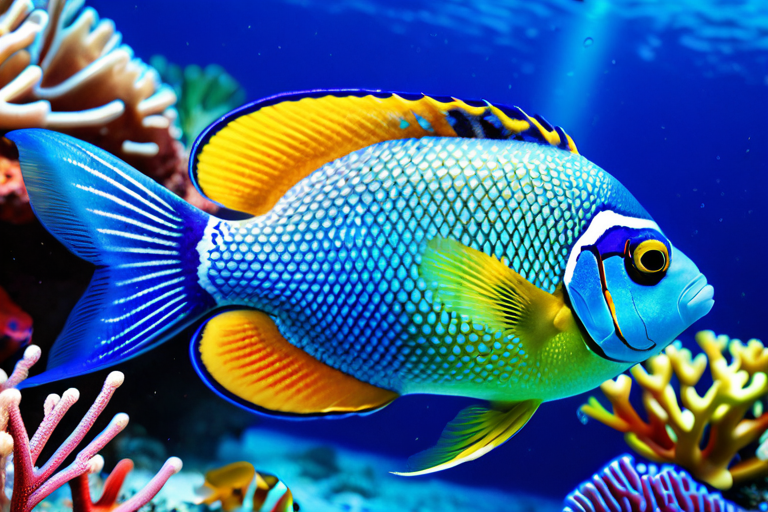
In the vast ocean of children's literature, few characters shine as brightly as the Rainbow Fish. Created by Swiss author and illustrator Marcus Pfister, this shimmering protagonist has captured the hearts of millions since its first publication in 1992. The story's enduring appeal lies not just in its visually stunning illustrations, but in the profound moral lessons it imparts to young readers about sharing, friendship, and the true nature of beauty.
The Birth of an Icon
Marcus Pfister, working from his studio in Bern, Switzerland, conceived the Rainbow Fish during a period of artistic experimentation. The book's distinctive foil-stamped scales represented a technical innovation in children's book publishing. According to Publishers Weekly, the production costs for this special effect were significantly higher than traditional printing methods, but North-South Books took the risk, believing in the story's potential.
"The Rainbow Fish's shimmering scales weren't just decorative; they were central to the story's message about the relationship between external beauty and internal values." - Children's Literature Association
The Narrative Journey
The story begins with the Rainbow Fish, the most beautiful creature in the ocean, adorned with sparkling, multi-colored scales. His beauty, however, becomes a source of isolation rather than connection. When a small blue fish asks for one of his precious scales, the Rainbow Fish reacts with pride and refusal, unable to comprehend why he should share what makes him special.
This initial confrontation sets the stage for the fish's emotional journey. Rejected by his peers and feeling increasingly lonely despite his beauty, the Rainbow Fish seeks counsel from the wise octopus. Her advice forms the crux of the story's moral: "Give a glittering scale to each of the other fish. You will no longer be the most beautiful fish in the sea, but you will discover how to be happy."
Psychological Depth and Moral Complexity
Child development experts have praised the book's handling of complex emotional themes. Dr. Emily Patterson, a child psychologist interviewed by Psychology Today, notes: "The Rainbow Fish beautifully illustrates the transition from egocentrism to social awareness that typically occurs in early childhood. Children naturally identify with the fish's initial possessiveness, making the eventual transformation more meaningful."
The story doesn't advocate for complete self-sacrifice, but rather for finding balance between personal identity and community belonging. The Rainbow Fish retains one scale for himself while sharing the others, symbolizing that true happiness comes from connection, not from hoarding beauty or possessions.
Artistic Innovation and Visual Storytelling
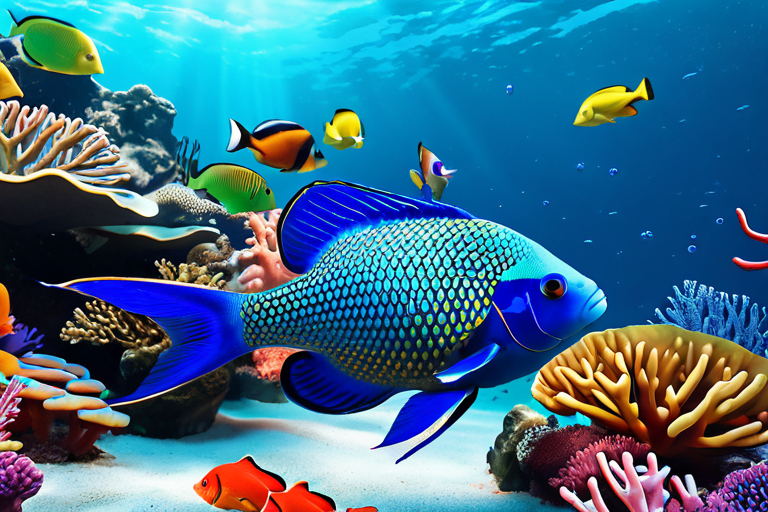
Pfister's artistic choices were revolutionary for their time. The use of holographic foil created an interactive reading experience where children could physically engage with the book's central metaphor. The shimmering scales literally catch the light, mirroring the story's themes of reflection, both literal and metaphorical.
The color palette evolves throughout the book, with the deep blues and purples of the ocean providing a dramatic backdrop for the Rainbow Fish's sparkling scales. As noted in American Library Association reviews, this visual progression subtly reinforces the emotional arc of the story, from isolation to community.
Global Impact and Cultural Reception
Since its publication, The Rainbow Fish has been translated into over 80 languages and has sold more than 30 million copies worldwide. The book's universal themes have resonated across cultural boundaries, though some interpretations have varied. In collectivist cultures, the message of sharing is often emphasized more strongly, while individualistic societies sometimes focus on the balance between personal identity and social responsibility.
"The Rainbow Fish represents one of those rare picture books that achieves both commercial success and critical acclaim, appealing to children, parents, and educators alike." - New York Times Book Review
The book's adaptation into an animated television series and various stage productions has further extended its reach. These adaptations have introduced the story to new generations while maintaining the core messages that made the original so powerful.
Educational Applications and Classroom Use
Educators have embraced The Rainbow Fish as a valuable teaching tool across multiple disciplines. In language arts, it serves as an excellent example of character development and moral storytelling. Social studies teachers use it to discuss community values and social responsibility. Art educators focus on the innovative illustration techniques and color theory.
According to educational resources from Scholastic, the book is particularly effective for teaching empathy and perspective-taking. Many teachers create follow-up activities where children discuss times they've shared something special or felt excluded, making the story's lessons personally relevant.
Critical Analysis and Literary Legacy
Literary critics have placed The Rainbow Fish within the tradition of moral fables while acknowledging its modern sensibility. Unlike traditional fairy tales where beauty is often passive or dangerous, the Rainbow Fish's beauty is active and transformative. The story subverts the "beauty equals goodness" trope by showing that true virtue comes from how beauty is shared, not merely possessed.
The book has also been analyzed through various theoretical lenses, including Marxist readings that interpret the scale-sharing as a metaphor for wealth redistribution, and psychological interpretations that see the story as representing the development of healthy narcissism versus pathological narcissism.
Enduring Relevance in Modern Times
Three decades after its initial publication, The Rainbow Fish remains remarkably relevant. In an age of social media and curated online personas, the story's message about the difference between superficial popularity and genuine connection feels more timely than ever. The book encourages children to value relationships over possessions and to find happiness through community rather than through standing apart from it.
Parents and educators continue to find new ways to apply the story's lessons to contemporary issues, from discussing environmental conservation (as all fish share the same ocean) to addressing bullying and inclusion in school settings.
"What makes The Rainbow Fish endure is its perfect marriage of form and content. The shiny scales aren't just pretty; they're the physical manifestation of the story's central conflict between possession and sharing." - Children's Book Review
The Author's Perspective and Continued Work
Marcus Pfister has continued to create children's books while remaining closely associated with his most famous creation. In interviews with BookTrust, he has expressed both pride and some surprise at the book's lasting impact. He notes that while he knew he had created something special, he never anticipated it would become a global phenomenon.
Pfister has written several sequels and companion books featuring the Rainbow Fish, each exploring different aspects of friendship and community. These subsequent works have allowed him to develop the character and world while maintaining the core values that made the original so beloved.
Conclusion: A Legacy of Light and Connection
The Rainbow Fish endures not because of its shiny scales, but because of the light it shines on fundamental human experiences. It speaks to the universal desire for both individuality and belonging, for beauty both possessed and shared. The story's power lies in its ability to make abstract concepts like generosity and community tangible to young minds through a simple yet profound narrative.
As new generations discover this shimmering tale, the Rainbow Fish continues to teach that true beauty isn't about standing out from the crowd, but about finding one's place within it. The scattered scales become not a loss, but a multiplication of beauty throughout the community, creating a world where everyone can share in the light.
The most beautiful fish in the sea became truly beautiful only when he learned to share his beauty with others.