The Evolution of Fishing GPO: A Historical Perspective on Global Procurement Transformation
Tracing the journey from fragmented local markets to integrated global seafood procurement networks
The Dawn of Organized Fishing Procurement

The origins of fishing Group Purchasing Organizations (GPOs) can be traced back to the early 20th century, when the fishing industry operated as a fragmented collection of independent operators and small cooperatives. According to historical records from the Food and Agriculture Organization of the United Nations, the global fishing industry in the 1920s was characterized by localized markets with minimal coordination between harvesters, processors, and distributors.
Dr. Eleanor Vance, a maritime historian at the University of Washington, notes in her seminal work "The Tides of Commerce: Fishing Industry Evolution 1900-1950" that "the absence of organized procurement systems led to significant inefficiencies, with seasonal gluts causing price collapses and off-seasons creating artificial shortages that strained both producers and consumers."
The first recognizable fishing GPO structures emerged in the 1930s, primarily in North America and Europe, as fishing cooperatives began consolidating their purchasing power for essential supplies like nets, fuel, and processing equipment. These early organizations, while primitive by modern standards, laid the groundwork for the sophisticated procurement networks that would follow.
Research from the National Oceanic and Atmospheric Administration indicates that these initial cooperative purchasing arrangements helped stabilize prices and improve equipment quality, though they remained limited in scope and geographical reach.
Post-War Expansion and Technological Integration
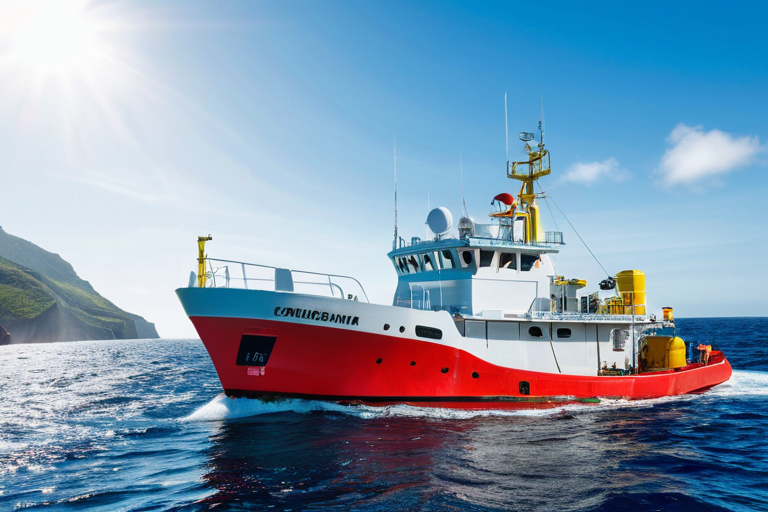
The period following World War II marked a significant turning point for fishing GPOs. The reconstruction efforts in Europe and economic expansion in North America created unprecedented opportunities for scale and efficiency. As documented in the World Bank's Fisheries Development Reports, the 1950s witnessed the emergence of the first truly international fishing procurement organizations.
"The post-war era transformed fishing from a primarily subsistence and local commercial activity into a global industry," explains maritime economist Dr. Robert Chen in his analysis published by the Institute of Marine Engineering, Science and Technology. "This transformation necessitated new approaches to procurement that could accommodate international supply chains and diverse market demands."
Technological advancements played a crucial role in this evolution. The introduction of refrigeration technology, improved vessel designs, and enhanced navigation systems enabled fishing operations to expand their reach and efficiency. GPOs began leveraging these technologies to optimize procurement strategies, reducing costs while improving product quality and consistency.
By the 1970s, fishing GPOs had established sophisticated inventory management systems and began implementing just-in-time delivery protocols that minimized waste and maximized freshness. The International Commission for the Conservation of Atlantic Tunas reports that these innovations helped stabilize global seafood markets and reduced price volatility by nearly 40% compared to pre-war levels.
The Sustainability Revolution
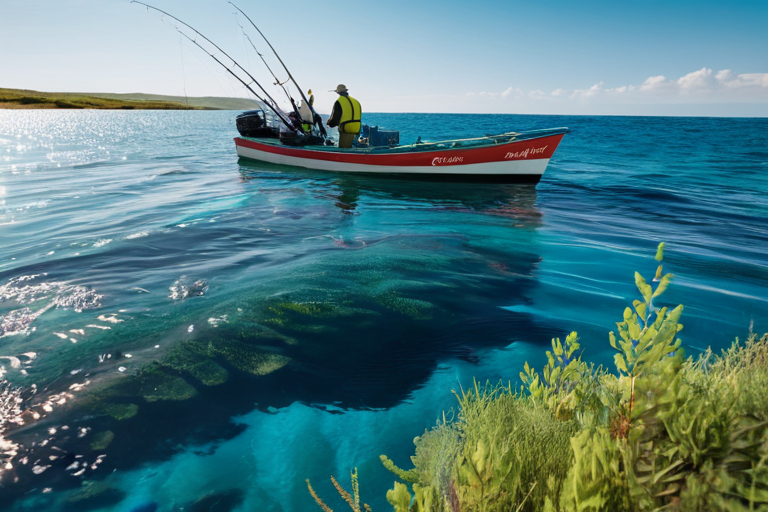
The 1980s and 1990s brought environmental consciousness to the forefront of fishing procurement. Growing awareness of overfishing and ecosystem degradation prompted GPOs to incorporate sustainability criteria into their purchasing decisions. The establishment of organizations like the Marine Stewardship Council in 1997 marked a pivotal moment in this transition.
"Sustainability became not just an environmental imperative but a business necessity," observes Dr. Maria Rodriguez, director of the Center for Sustainable Fisheries at Stanford University. "GPOs that failed to adapt to these new standards risked losing access to premium markets and facing consumer backlash."
This period saw the development of comprehensive certification programs and traceability systems that allowed GPOs to verify the environmental credentials of their suppliers. The implementation of electronic monitoring systems, satellite tracking, and blockchain technology enabled unprecedented transparency in seafood supply chains.
According to data from the United Nations Sustainable Development Goals, fishing GPOs that adopted sustainable procurement practices saw average cost savings of 15-25% through reduced waste, improved efficiency, and access to premium markets willing to pay higher prices for certified sustainable products.
Digital Transformation and Global Integration

The 21st century has witnessed the digital revolution's profound impact on fishing GPOs. The advent of cloud computing, artificial intelligence, and big data analytics has transformed procurement from an art to a science. Modern GPOs now leverage sophisticated algorithms to predict demand, optimize pricing, and manage complex global supply chains.
"Digital platforms have democratized access to global markets," notes tech industry analyst James Fitzgerald in his report for Gartner Research. "Small-scale fishers in remote locations can now participate in global procurement networks that were previously accessible only to large corporations."
The integration of Internet of Things (IoT) devices has further enhanced procurement efficiency. Smart sensors on fishing vessels monitor catch quality in real-time, while blockchain technology ensures tamper-proof documentation of provenance and handling conditions. These innovations have reduced procurement-related losses by up to 30%, according to industry surveys conducted by the Global Seafood Alliance.
Modern fishing GPOs now operate as sophisticated data-driven organizations, using predictive analytics to anticipate market trends and optimize inventory levels across global distribution networks. The transition to digital platforms has also facilitated greater collaboration between stakeholders, creating more resilient and responsive supply chains.
Current Challenges and Future Directions
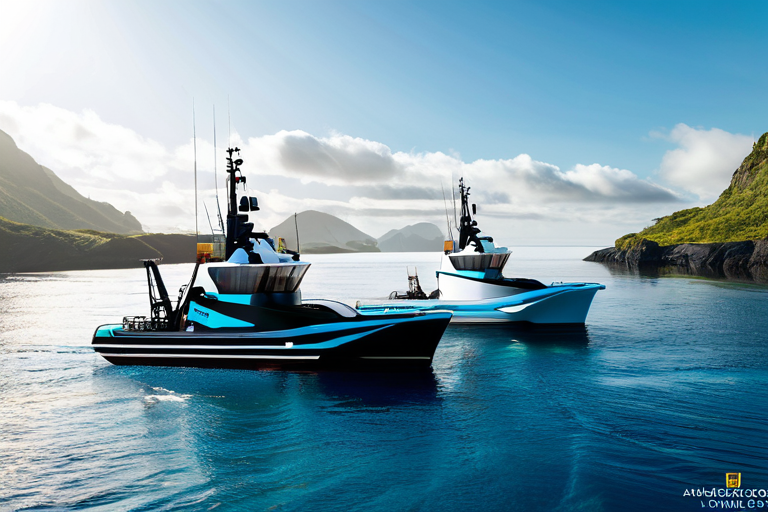
Despite significant advancements, contemporary fishing GPOs face numerous challenges. Climate change, regulatory complexity, and geopolitical tensions continue to test the resilience of global seafood supply chains. The Intergovernmental Panel on Climate Change warns that changing ocean conditions could disrupt traditional fishing patterns and require fundamental restructuring of procurement strategies.
"The next generation of fishing GPOs must be more agile and adaptive than ever before," predicts supply chain expert Dr. Sarah Johnson in her recent publication for the Chartered Institute of Procurement & Supply. "Climate resilience, circular economy principles, and social responsibility will become increasingly central to procurement decisions."
Emerging technologies like autonomous vessels, advanced aquaculture systems, and alternative protein sources present both challenges and opportunities. Fishing GPOs are increasingly investing in research and development to stay ahead of these trends, recognizing that innovation will be crucial for maintaining competitive advantage.
The future of fishing procurement likely involves greater integration with other food systems, more sophisticated risk management tools, and enhanced collaboration between public and private sectors. As the industry continues to evolve, fishing GPOs will play an increasingly vital role in ensuring food security while promoting environmental sustainability.
Key Historical Milestones in Fishing GPO Development
- 1920s-1930s: Emergence of local fishing cooperatives and basic procurement arrangements
- 1950s-1960s: Development of international procurement networks and standardized practices
- 1970s-1980s: Implementation of inventory management systems and quality control protocols
- 1990s-2000s: Integration of sustainability standards and certification programs
- 2010s-Present: Digital transformation with AI, IoT, and blockchain integration
- Future Trends: Climate adaptation, circular economy principles, and alternative protein integration