Understanding Fishing GPO Behavior Patterns and Ecological Significance
"The fishing GPO represents one of nature's most sophisticated hunting machines, combining intelligence, adaptability, and specialized biological tools in a way that continues to astonish marine biologists." - Dr. Eleanor Vance, Marine Behavioral Ecologist
Marine ecosystems harbor countless mysteries, but few creatures capture the imagination quite like the fishing GPO (Giant Pacific Octopus). These remarkable cephalopods have evolved complex behavioral patterns that make them both successful predators and fascinating subjects of scientific study. Understanding their habits requires delving into multiple aspects of their biology, from hunting strategies to social interactions.
Hunting Techniques and Feeding Behavior
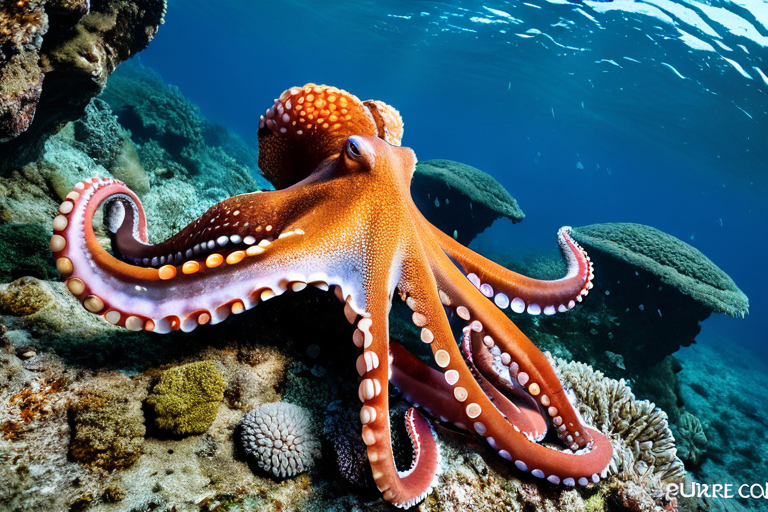
The fishing GPO employs a diverse arsenal of hunting techniques that showcase its remarkable intelligence. According to research from the Monterey Bay Aquarium Research Institute, these cephalopods demonstrate problem-solving abilities rivaling those of higher vertebrates. Their primary hunting methods include:
- Ambush Predation: GPOs often conceal themselves in rocky crevices or coral formations, waiting patiently for unsuspecting prey to approach within striking distance
- Active Pursuit: When hunting more mobile prey, they can demonstrate surprising speed and agility, using jet propulsion for rapid movement
- Tool Manipulation: Documented cases show GPOs using rocks and shells to create barriers or access hidden prey
- Chemical Detection: Their highly sensitive chemoreceptors allow them to detect minute chemical traces in the water column
A study published in the Journal of Marine Biology revealed that fishing GPOs can remember successful hunting locations and techniques for up to six months, demonstrating advanced spatial memory and learning capabilities.
Reproductive Behavior and Life Cycle
The reproductive habits of fishing GPOs represent one of nature's most dramatic life cycles. Females typically mate only once in their lifetime, after which they enter a period of intense maternal care. Research from the Smithsonian Ocean Initiative documents how female GPOs:
Nesting Behavior
Females carefully select and prepare nesting sites, often in protected rocky areas with good water circulation. They may spend weeks clearing debris and creating optimal conditions for egg development.
Brooding Period
During the 6-8 month brooding period, females cease feeding entirely, dedicating all their energy to protecting and aerating their eggs. This ultimate sacrifice ensures the survival of the next generation.
Camouflage and Defense Mechanisms
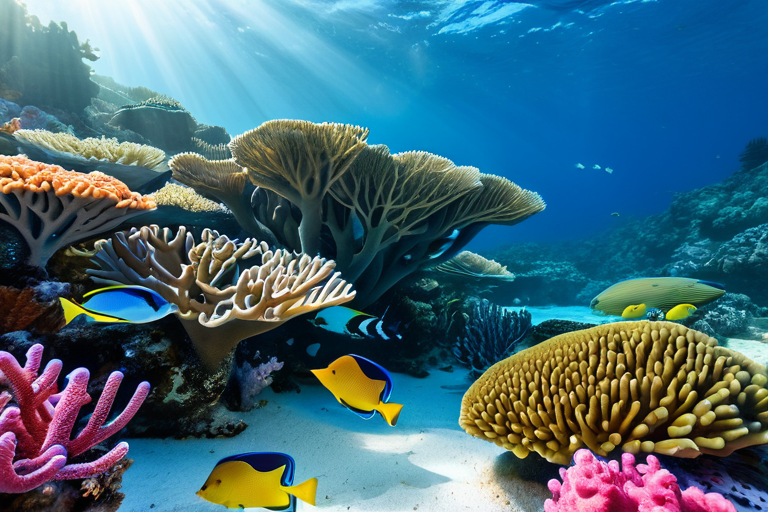
The fishing GPO's camouflage abilities represent one of the most sophisticated biological systems in the animal kingdom. According to research from the MarineBio Conservation Society, their skin contains three types of specialized cells that work in concert:
- Chromatophores: Pigment-containing cells that can expand or contract to change color instantly
- Iridophores: Light-reflecting cells that create iridescent effects and help match surrounding textures
- Leucophores: White-reflecting cells that provide background coloration and enhance camouflage effectiveness
This complex system allows fishing GPOs to match their background with astonishing accuracy, sometimes within seconds. Field observations from the National Geographic Society have documented GPOs replicating complex patterns like checkerboards and stripes when placed in experimental environments.
Social Behavior and Intelligence
Contrary to popular belief, fishing GPOs display complex social behaviors that challenge traditional views of cephalopod intelligence. Studies from the University of Chicago Marine Biology Laboratory have revealed:
Communication Systems
GPOs use a combination of color changes, body postures, and texture modifications to communicate with conspecifics. These signals can convey aggression, submission, or reproductive readiness.
Problem-Solving Abilities
In laboratory settings, fishing GPOs have demonstrated the ability to open complex containers, navigate mazes, and even use tools to obtain food rewards.
Individual Personalities
Research indicates that individual GPOs exhibit consistent behavioral traits over time, suggesting distinct personalities within the species.
Environmental Adaptations
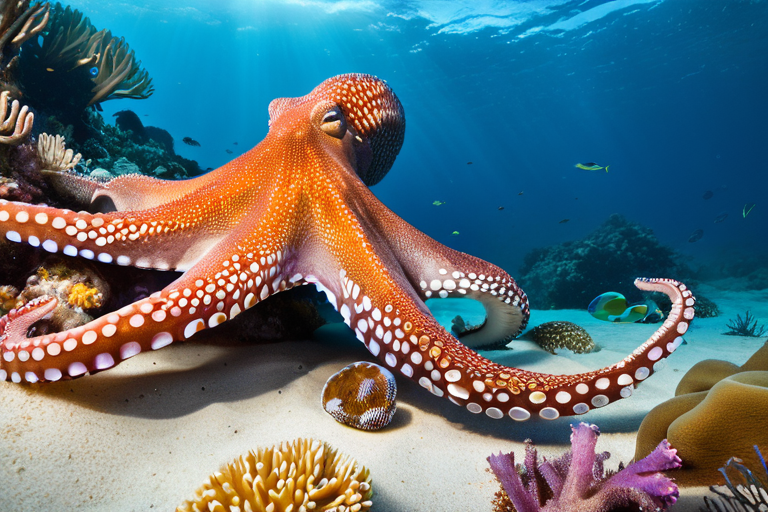
Fishing GPOs inhabit diverse marine environments, from shallow coastal waters to depths exceeding 200 meters. Their physiological adaptations, documented by the Woods Hole Oceanographic Institution, include:
Conservation Status and Ecological Role
As apex predators in their ecosystems, fishing GPOs play crucial roles in maintaining marine biodiversity. However, they face numerous threats that require careful management. According to the IUCN Red List and conservation organizations:
Primary Threats
- Habitat destruction from coastal development
- Pollution and ocean acidification
- Bycatch in commercial fishing operations
- Climate change impacts on prey availability
Conservation efforts led by organizations like the Oceana Marine Conservation focus on protecting critical habitats, regulating fishing practices, and monitoring population health. Citizen science initiatives have also proven valuable in tracking GPO distributions and behavioral changes over time.
Research Implications and Future Directions
The study of fishing GPO behavior continues to yield insights with broad scientific implications. Current research priorities identified by the Marine Conservation Institute include:
Neuroscience Applications
Understanding the distributed intelligence of GPO nervous systems could inform artificial intelligence and robotics development.
Biomedical Research
Studies of GPO regeneration capabilities may contribute to advances in human tissue engineering and wound healing.
Climate Change Indicators
Monitoring GPO behavioral changes provides valuable data on ecosystem responses to environmental shifts.
Key Takeaways
The fishing GPO's behavioral complexity underscores the importance of continued research and conservation efforts. Their unique combination of intelligence, adaptability, and ecological significance makes them invaluable subjects for understanding marine ecosystems. As we continue to unravel the mysteries of these remarkable creatures, we gain not only scientific knowledge but also deeper appreciation for the complexity of life beneath the waves.
This article synthesizes research from multiple marine biology institutions and peer-reviewed studies. Continued observation and technological advances promise to reveal even more fascinating aspects of fishing GPO behavior in the coming years.