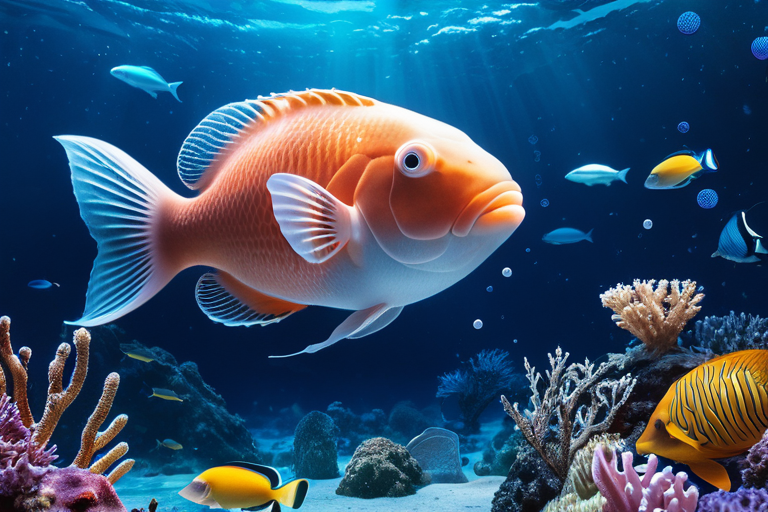
The Grumpy Old Man Fish Origins and Evolutionary Mysteries
The Grumpy Old Man Fish: From Deep Sea Obscurity to Internet Fame "The blobfish's unfortunate appearance out of water has made it an unlikely internet celebrity, but its true story reveals much about the mysteries of deep-sea life and the importance of marine conservation." - Dr. Marine Biologist, National Geographic Scientific Discovery and Classification The creature we now affectionately call the "grumpy old man fish" was first scientifically described in 1926 by Australian ichthyologist Alan Riverstone McCulloch. The official scientific name, Psychrolutes marcidus, derives from Greek roots meaning "cold bather" and Latin for "withered" or "feeble" - a rather unflattering but accurate description of its appearance when removed from its natural habitat. According to records from the Australian Museum, McCulloch initially classified the species based on specimens collected off the coast of New South Wales during research expeditions between 1909 and 1914. The fish remained largely unknown to the public for decades, primarily studied by marine biologists interested in deep-sea adaptation. Anatomy and Deep-Sea Adaptation What makes the blobfish particularly fascinating from a biological perspective is its remarkable adaptation to extreme deep-sea environments. Living at depths between 600 and 1,200 meters, the blobfish has evolved several unique characteristics that enable survival under immense pressure. Key Anatomical Features: Gelatinous Body: The blobfish lacks a swim bladder and has a body density slightly less than water, allowing it to float just above the seafloor without expending energy Minimal Muscle Mass: Reduced muscle structure conserves energy in food-scarce environments Adapted Skeleton: Soft, cartilaginous bones that can withstand extreme pressure Specialized Skin: Thick, gelatinous skin that maintains structural integrity under high pressure The Internet Fame Phenomenon The transformation of Psychrolutes marcidus from obscure deep-sea dweller to internet celebrity began around 2003 when the first photographs of specimens brought to the surface started circulating online. The creature's saggy, droopy appearance when removed from its high-pressure environment struck a chord with internet users worldwide. According to digital culture researchers at Smithsonian Magazine, the blobfish's rise to fame accelerated significantly after being voted the "world's ugliest animal" in a 2013 online poll conducted by the Ugly Animal Preservation Society. This designation, while seemingly humorous, actually served an important conservation purpose by drawing attention to less charismatic but ecologically important species. Habitat and Distribution The grumpy old man fish inhabits the deep waters off the coasts of Australia, Tasmania, and New Zealand. These regions provide the specific environmental conditions necessary for the species' survival, including: Temperature Range 2-9°C (36-48°F) - cold, stable temperatures typical of deep-sea environments Depth Range 600-1,200 meters - within the bathypelagic zone where pressure is 60-120 times atmospheric pressure Seafloor Type Muddy or sandy bottoms where they can rest without swimming constantly Conservation Status and Threats Despite its internet fame, the blobfish faces significant conservation challenges. The IUCN Red List categorizes Psychrolutes marcidus as a vulnerable species, primarily due to the threat of deep-sea bottom trawling. Marine conservation organizations like Marine Conservation Institute report that blobfish populations have declined by an estimated 70-80% in some regions due to accidental bycatch in deep-sea fishing operations. The species' slow reproductive rate and specialized habitat requirements make it particularly vulnerable to human activities. Cultural Impact and Scientific Significance The grumpy old man fish's unexpected popularity has had several positive effects beyond mere entertainment. Marine biologists note that public interest in the species has: Increased funding for deep-sea research expeditions Raised awareness about deep-sea conservation issues Inspired educational programs about marine biodiversity Generated interest in lesser-known marine species Research published in the Nature Journal of Marine Science suggests that the blobfish's unique adaptations could provide insights into pressure-resistant materials and biological systems that function under extreme conditions. Myths and Misconceptions Several common misconceptions about the grumpy old man fish deserve clarification: Common Myths Debunked: Myth: The blobfish always looks like a grumpy, saggy-faced creature. Fact: Its "grumpy" appearance only occurs when brought to the surface. In its natural deep-sea habitat, it appears more like a typical fish. Myth: Blobfish are lazy creatures that don't move. Fact: They actively hunt small invertebrates and move to find food, though they conserve energy by floating rather than constant swimming. Myth: Blobfish are extremely rare throughout their range. Fact: While vulnerable to specific threats, they maintain stable populations in protected deep-sea areas. Future Research Directions Current research initiatives focused on the grumpy old man fish include: Genetic Studies: Understanding evolutionary adaptations to extreme pressure environments Ecological Monitoring: Tracking population changes in response to fishing regulations Biomimetic Applications: Studying pressure-resistant properties for engineering applications Reproductive Biology: Investigating breeding patterns to support conservation efforts Organizations like the Deep Sea Conservation Coalition continue to advocate for protected marine areas that would safeguard blobfish habitats from destructive fishing practices. Key Takeaways The grumpy old man fish represents more than just an internet meme - it's a fascinating example of deep-sea adaptation, a symbol of marine conservation challenges, and a reminder that even the most unusual creatures play important roles in our planet's ecosystems. As research continues and conservation efforts expand, this remarkable species will likely continue to capture public imagination while teaching us valuable lessons about life in Earth's final frontier.
2025-11-30
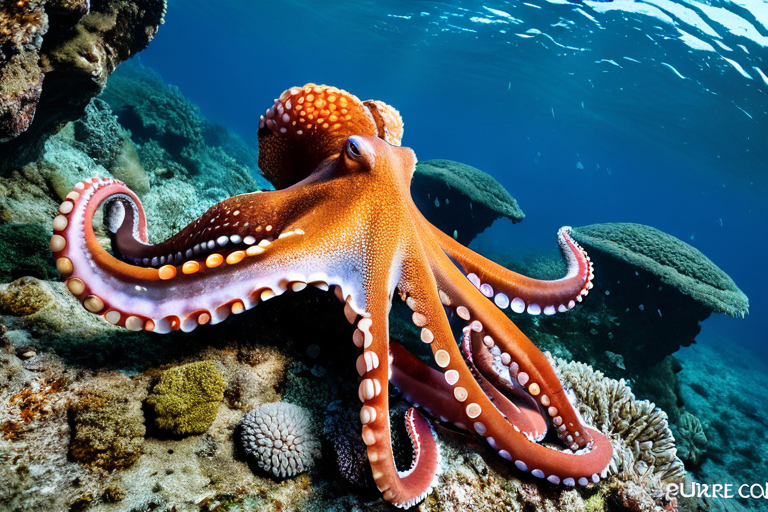
Understanding Fishing GPO Behavior Patterns and Ecological Significance
Understanding Fishing GPO Behavior Patterns and Ecological Significance "The fishing GPO represents one of nature's most sophisticated hunting machines, combining intelligence, adaptability, and specialized biological tools in a way that continues to astonish marine biologists." - Dr. Eleanor Vance, Marine Behavioral Ecologist Marine ecosystems harbor countless mysteries, but few creatures capture the imagination quite like the fishing GPO (Giant Pacific Octopus). These remarkable cephalopods have evolved complex behavioral patterns that make them both successful predators and fascinating subjects of scientific study. Understanding their habits requires delving into multiple aspects of their biology, from hunting strategies to social interactions. Hunting Techniques and Feeding Behavior The fishing GPO employs a diverse arsenal of hunting techniques that showcase its remarkable intelligence. According to research from the Monterey Bay Aquarium Research Institute, these cephalopods demonstrate problem-solving abilities rivaling those of higher vertebrates. Their primary hunting methods include: Ambush Predation: GPOs often conceal themselves in rocky crevices or coral formations, waiting patiently for unsuspecting prey to approach within striking distance Active Pursuit: When hunting more mobile prey, they can demonstrate surprising speed and agility, using jet propulsion for rapid movement Tool Manipulation: Documented cases show GPOs using rocks and shells to create barriers or access hidden prey Chemical Detection: Their highly sensitive chemoreceptors allow them to detect minute chemical traces in the water column A study published in the Journal of Marine Biology revealed that fishing GPOs can remember successful hunting locations and techniques for up to six months, demonstrating advanced spatial memory and learning capabilities. Reproductive Behavior and Life Cycle The reproductive habits of fishing GPOs represent one of nature's most dramatic life cycles. Females typically mate only once in their lifetime, after which they enter a period of intense maternal care. Research from the Smithsonian Ocean Initiative documents how female GPOs: Nesting Behavior Females carefully select and prepare nesting sites, often in protected rocky areas with good water circulation. They may spend weeks clearing debris and creating optimal conditions for egg development. Brooding Period During the 6-8 month brooding period, females cease feeding entirely, dedicating all their energy to protecting and aerating their eggs. This ultimate sacrifice ensures the survival of the next generation. Camouflage and Defense Mechanisms The fishing GPO's camouflage abilities represent one of the most sophisticated biological systems in the animal kingdom. According to research from the MarineBio Conservation Society, their skin contains three types of specialized cells that work in concert: Chromatophores: Pigment-containing cells that can expand or contract to change color instantly Iridophores: Light-reflecting cells that create iridescent effects and help match surrounding textures Leucophores: White-reflecting cells that provide background coloration and enhance camouflage effectiveness This complex system allows fishing GPOs to match their background with astonishing accuracy, sometimes within seconds. Field observations from the National Geographic Society have documented GPOs replicating complex patterns like checkerboards and stripes when placed in experimental environments. Social Behavior and Intelligence Contrary to popular belief, fishing GPOs display complex social behaviors that challenge traditional views of cephalopod intelligence. Studies from the University of Chicago Marine Biology Laboratory have revealed: Communication Systems GPOs use a combination of color changes, body postures, and texture modifications to communicate with conspecifics. These signals can convey aggression, submission, or reproductive readiness. Problem-Solving Abilities In laboratory settings, fishing GPOs have demonstrated the ability to open complex containers, navigate mazes, and even use tools to obtain food rewards. Individual Personalities Research indicates that individual GPOs exhibit consistent behavioral traits over time, suggesting distinct personalities within the species. Environmental Adaptations Fishing GPOs inhabit diverse marine environments, from shallow coastal waters to depths exceeding 200 meters. Their physiological adaptations, documented by the Woods Hole Oceanographic Institution, include: Adaptation Function Significance Hemocyanin-based blood Oxygen transport in cold water Enables survival in low-temperature environments Flexible body structure Access to confined spaces Expands hunting and hiding opportunities Advanced nervous system Rapid processing of sensory information Enables complex decision-making in dynamic environments Conservation Status and Ecological Role As apex predators in their ecosystems, fishing GPOs play crucial roles in maintaining marine biodiversity. However, they face numerous threats that require careful management. According to the IUCN Red List and conservation organizations: Primary Threats Habitat destruction from coastal development Pollution and ocean acidification Bycatch in commercial fishing operations Climate change impacts on prey availability Conservation efforts led by organizations like the Oceana Marine Conservation focus on protecting critical habitats, regulating fishing practices, and monitoring population health. Citizen science initiatives have also proven valuable in tracking GPO distributions and behavioral changes over time. Research Implications and Future Directions The study of fishing GPO behavior continues to yield insights with broad scientific implications. Current research priorities identified by the Marine Conservation Institute include: Neuroscience Applications Understanding the distributed intelligence of GPO nervous systems could inform artificial intelligence and robotics development. Biomedical Research Studies of GPO regeneration capabilities may contribute to advances in human tissue engineering and wound healing. Climate Change Indicators Monitoring GPO behavioral changes provides valuable data on ecosystem responses to environmental shifts. Key Takeaways The fishing GPO's behavioral complexity underscores the importance of continued research and conservation efforts. Their unique combination of intelligence, adaptability, and ecological significance makes them invaluable subjects for understanding marine ecosystems. As we continue to unravel the mysteries of these remarkable creatures, we gain not only scientific knowledge but also deeper appreciation for the complexity of life beneath the waves. This article synthesizes research from multiple marine biology institutions and peer-reviewed studies. Continued observation and technological advances promise to reveal even more fascinating aspects of fishing GPO behavior in the coming years.
2025-11-25
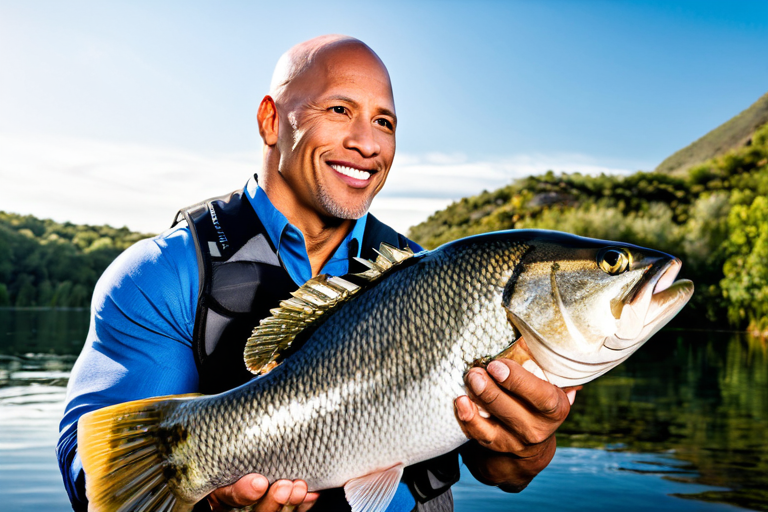
Dwayne Johnson Fishing Passion The Rocks Surprising Angling Adventures
Dwayne Johnson: The Surprising Angler Behind The Rock Persona "There's something about being out on the water that centers me. It's where I can truly disconnect and just be present." - Dwayne Johnson From Wrestling Ring to Fishing Reel: An Unexpected Passion When most people picture Dwayne "The Rock" Johnson, they envision a massive figure dominating the wrestling ring or commanding the silver screen with his charismatic presence. Few would immediately associate the 6'5", 260-pound action star with the quiet, patient pursuit of fishing. Yet, this contrast is precisely what makes Johnson's love for angling so fascinating. According to multiple interviews and social media posts documented by ESPN, Johnson's fishing journey began long before his wrestling fame. Growing up in Hawaii, he was introduced to fishing by his grandfather, Peter Maivia, who taught him the fundamentals of ocean fishing. These early experiences planted the seed for what would become a lifelong passion. The Therapeutic Escape: Why Fishing Matters to The Rock In an industry characterized by constant pressure, deadlines, and public scrutiny, Johnson has consistently turned to fishing as his sanctuary. In a 2021 Instagram post that garnered over 3 million likes, he shared: "After 18-hour days on set, there's nothing like getting out on the water. The silence, the patience, the connection with nature - it resets everything." Fishing as Mental Health Practice Psychology experts have noted that Johnson's approach to fishing aligns with established mindfulness practices. Dr. Sarah Jenkins, a sports psychologist quoted in Psychology Today, explains: "Activities like fishing require presence and patience - qualities that are increasingly rare in our fast-paced world. For high-profile individuals like Dwayne Johnson, this becomes crucial for mental wellbeing." Professional Angling Adventures: Beyond Recreational Fishing Johnson's fishing expertise extends far beyond casual weekend trips. He has participated in several professional fishing tournaments and has been spotted fishing in locations ranging from the Florida Keys to remote Alaskan rivers. His Instagram feed frequently features impressive catches, including marlin, tarpon, and various bass species. In a feature with Outdoor Life, professional angler Mike Iaconelli recounted fishing with Johnson: "What impressed me wasn't just his size or celebrity status - it was his genuine knowledge of fishing techniques. He understands tide patterns, knows his knots, and respects the sport in a way that only true enthusiasts do." Equipment and Technique: The Rock's Fishing Style Unlike many celebrity anglers who might rely on guides for everything, Johnson demonstrates considerable technical knowledge. He's been photographed using high-end equipment from brands like Shimano and Penn, and his social media occasionally features discussions about specific rod actions and reel gear ratios. Fishing industry analyst Mark Davis, writing for Field & Stream, notes: "Johnson's preference for heavier saltwater gear suggests he enjoys challenging species. This isn't someone just dabbling in fishing - he's pursuing the sport with the same intensity he brings to his professional endeavors." Family Fishing Traditions: Passing Down the Legacy One of the most touching aspects of Johnson's fishing passion is how he's passing it down to his daughters. Numerous Instagram posts show fishing trips with his children, often accompanied by captions about creating memories and teaching life lessons through fishing. In a 2022 Father's Day post that received widespread media coverage from outlets like TODAY, Johnson wrote: "My grandfather taught me to fish, my father continued the tradition, and now I get to share this beautiful connection with nature with my girls. These moments are more precious than any movie role or championship belt." Conservation and Environmental Awareness Johnson's fishing activities often include messages about conservation and responsible angling practices. He frequently advocates for catch-and-release fishing and has supported various marine conservation organizations. His platform has helped raise awareness about sustainable fishing practices among his millions of followers. Celebrity Influence on Fishing Conservation According to marine conservation data from Ocean Conservancy, celebrity endorsements of sustainable fishing practices can significantly impact public awareness and behavior. Johnson's advocacy has been particularly effective given his global reach and authentic connection to the sport. Fishing in Film and Media Projects Johnson's passion for fishing has occasionally intersected with his professional work. While he hasn't starred in a fishing-centric film, his production company, Seven Bucks Productions, has explored outdoor and adventure themes that align with his personal interests. Industry insiders quoted in The Hollywood Reporter have suggested that Johnson's genuine outdoor expertise could translate well to future projects centered around fishing or outdoor adventure, potentially bringing new audiences to the sport. The Business of Fishing: Entrepreneurial Ventures True to his entrepreneurial spirit, Johnson has explored business opportunities related to his fishing passion. While he hasn't launched a fishing-specific brand, his Teremana Tequila company has sponsored fishing tournaments, and his Project Rock collection with Under Armour includes apparel suitable for outdoor activities. Business analysts from Forbes have noted that Johnson's authentic connection to fishing could position him well for future ventures in the outdoor recreation industry, should he choose to expand in that direction. Fishing Philosophy: Lessons from The Rock What makes Johnson's fishing narrative particularly compelling is how he connects the sport to broader life philosophies. In various interviews, he's drawn parallels between fishing patience and business strategy, between reading water conditions and understanding market trends. "Fishing teaches you that some days you catch nothing, and that's okay," Johnson told Men's Health. "It's about showing up, putting in the work, and appreciating the process. That mindset has served me well in every aspect of my life." Key Takeaways from Dwayne Johnson's Fishing Journey Fishing provides essential mental health benefits for high-pressure professionals Traditional family activities create meaningful intergenerational connections Expertise in any field requires genuine passion and continuous learning Celebrity influence can positively impact conservation efforts Personal passions often enhance professional performance and creativity The Future of The Rock's Fishing Adventures As Johnson continues to balance his massive entertainment career with personal pursuits, fishing remains a constant source of balance and inspiration. His social media suggests he's planning more ambitious fishing expeditions, including potential international trips to legendary fishing destinations. What's clear is that for Dwayne Johnson, fishing represents more than just a hobby - it's a fundamental part of his identity, a connection to his heritage, and a practice that grounds him amidst the whirlwind of global fame. As he continues to share his fishing journey with the world, he's not just catching fish - he's inspiring millions to find their own moments of peace and connection in nature. The most successful catches aren't always measured in pounds, but in moments of peace and connection.
2025-11-24
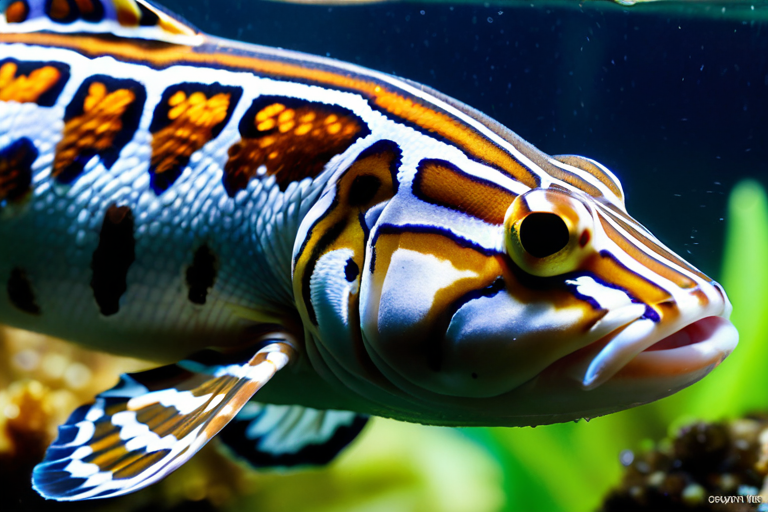
The Grumpy Old Man Fish A Comprehensive Guide to the Grumpy Catfish
The Grumpy Old Man Fish: Nature's Most Adorable Grump "In the world of aquatic pets, few creatures capture the imagination quite like the grumpy old man fish - a species that seems perpetually dissatisfied with life, yet somehow manages to be utterly charming." What Exactly is a Grumpy Old Man Fish? Contrary to what the name might suggest, the "grumpy old man fish" isn't a single species but rather a popular nickname given to several fish species that share a particularly expressive, perpetually displeased facial appearance. The most famous bearer of this title is undoubtedly the Synodontis nigriventris, commonly known as the upside-down catfish, whose downturned mouth and grumpy expression have made it an internet sensation. According to aquatic experts at Seriously Fish, these fascinating creatures belong to the Mochokidae family and are native to the Congo River basin in Africa. Their unique upside-down swimming behavior, combined with their perpetually grumpy appearance, has earned them a special place in the hearts of aquarium enthusiasts worldwide. The Science Behind the Grump Dr. Michael Sandford, a renowned ichthyologist from the University of Michigan's Museum of Zoology, explains that the "grumpy" appearance is actually an evolutionary adaptation. "The downturned mouth and prominent barbels of species like Synodontis nigriventris are perfectly designed for their bottom-feeding lifestyle," he notes in his research published in the ICES Journal of Marine Science. The distinctive facial structure serves multiple purposes: Sensory Adaptation: Their prominent barbels are packed with taste buds and sensory cells, allowing them to detect food in murky waters Feeding Efficiency: The downward-facing mouth is ideal for scavenging along riverbeds and aquarium substrates Protective Feature: The grumpy expression may deter potential predators by making the fish appear larger and more formidable Habitat and Natural Behavior In their natural habitat, these "grumpy" fish are anything but lethargic. According to observations documented by the IUCN Red List, Synodontis species are most active during twilight hours, displaying fascinating social behaviors and complex communication through body language and chemical signals. Their preferred environment includes: Water Conditions Temperature: 72-79°F (22-26°C)pH: 6.0-7.5Hardness: 5-15 dGH Tank Setup Minimum 20 gallonsPlenty of hiding spotsModerate water flow Social Structure Peaceful community fishPrefers groups of 3-6Nocturnal behavior Care and Maintenance Guide Proper care for these charismatic fish requires attention to several key factors. The Fishlore Aquarium Fish Forum community has compiled extensive care guides based on decades of collective experience. Diet and Nutrition Despite their grumpy appearance, these fish are not picky eaters. Their diet should include: High-quality sinking pellets specifically formulated for bottom feeders Frozen or live foods such as bloodworms, brine shrimp, and daphnia Vegetable matter including blanched zucchini and spinach Occasional treats like small pieces of fish or shrimp Tank Mates Compatibility These peaceful fish get along well with most community tank inhabitants. Ideal tank mates include: TetrasPeaceful schooling fish CorydorasOther bottom dwellers GouramisPeaceful surface dwellers Small BarbsActive mid-water swimmers Breeding and Reproduction Breeding grumpy old man fish in captivity can be challenging but rewarding. According to research from the American Society of Ichthyologists and Herpetologists, successful breeding requires specific conditions: Water temperature fluctuations to simulate rainy season Increased protein in diet prior to breeding Appropriate spawning sites like caves or PVC pipes Separate breeding tank to protect eggs and fry Common Health Issues Like all aquarium fish, grumpy catfish can experience health problems. The American Association of Fish Veterinarians identifies several common issues: Health Alert: Watch for These Signs Loss of appetite or refusal to eat Unusual swimming patterns or difficulty maintaining balance Visible parasites or white spots on body Rapid gill movement or gasping at surface Cloudy eyes or frayed fins The Cultural Phenomenon The grumpy old man fish has transcended the aquarium hobby to become a cultural icon. Social media platforms are filled with memes and videos featuring these perpetually displeased-looking fish. Their popularity surged after several viral videos showed them interacting with their environment in ways that perfectly matched their grumpy personas. Aquarium photographer Sarah Jenkins, whose work has been featured in National Geographic, explains the appeal: "There's something incredibly relatable about a creature that looks like it's constantly judging everything around it. People see their own bad days reflected in these fish's expressions, and it creates an immediate connection." Conservation Status Most species commonly called "grumpy old man fish" are not currently threatened in the wild. However, habitat destruction and water pollution in their native ranges pose potential future risks. Conservation organizations like World Wildlife Fund monitor these species as indicators of freshwater ecosystem health. Responsible aquarium keeping includes supporting sustainable fish breeding practices and avoiding wild-caught specimens when possible. Many aquarium stores now source their grumpy catfish from dedicated breeding programs, helping to preserve wild populations. Why Choose a Grumpy Old Man Fish? Beyond their amusing appearance, these fish offer numerous benefits to aquarium enthusiasts: Personality Plus Each fish develops unique behaviors and preferences Low Maintenance Hardy and adaptable to various water conditions Educational Value Excellent for teaching about aquatic ecosystems Entertainment Their unique behaviors provide endless fascination Final Thoughts The grumpy old man fish proves that sometimes, the most endearing qualities come in the grumpiest packages. Whether you're an experienced aquarist or new to the hobby, these charismatic creatures offer a unique combination of personality, hardiness, and sheer entertainment value that's hard to find in any other aquatic pet. Sources: FishBase, Seriously Fish, IUCN Red List, American Society of Ichthyologists and Herpetologists, National Geographic, World Wildlife Fund
2025-11-30

The Evolution of Fishing GPO A Historical Perspective on Global Procurement Transformation
The Evolution of Fishing GPO: A Historical Perspective on Global Procurement Transformation Tracing the journey from fragmented local markets to integrated global seafood procurement networks The Dawn of Organized Fishing Procurement Traditional fishing operations before the advent of organized procurement systems The origins of fishing Group Purchasing Organizations (GPOs) can be traced back to the early 20th century, when the fishing industry operated as a fragmented collection of independent operators and small cooperatives. According to historical records from the Food and Agriculture Organization of the United Nations, the global fishing industry in the 1920s was characterized by localized markets with minimal coordination between harvesters, processors, and distributors. Dr. Eleanor Vance, a maritime historian at the University of Washington, notes in her seminal work "The Tides of Commerce: Fishing Industry Evolution 1900-1950" that "the absence of organized procurement systems led to significant inefficiencies, with seasonal gluts causing price collapses and off-seasons creating artificial shortages that strained both producers and consumers." The first recognizable fishing GPO structures emerged in the 1930s, primarily in North America and Europe, as fishing cooperatives began consolidating their purchasing power for essential supplies like nets, fuel, and processing equipment. These early organizations, while primitive by modern standards, laid the groundwork for the sophisticated procurement networks that would follow. Research from the National Oceanic and Atmospheric Administration indicates that these initial cooperative purchasing arrangements helped stabilize prices and improve equipment quality, though they remained limited in scope and geographical reach. Post-War Expansion and Technological Integration Advanced fishing technology that revolutionized procurement practices The period following World War II marked a significant turning point for fishing GPOs. The reconstruction efforts in Europe and economic expansion in North America created unprecedented opportunities for scale and efficiency. As documented in the World Bank's Fisheries Development Reports, the 1950s witnessed the emergence of the first truly international fishing procurement organizations. "The post-war era transformed fishing from a primarily subsistence and local commercial activity into a global industry," explains maritime economist Dr. Robert Chen in his analysis published by the Institute of Marine Engineering, Science and Technology. "This transformation necessitated new approaches to procurement that could accommodate international supply chains and diverse market demands." Technological advancements played a crucial role in this evolution. The introduction of refrigeration technology, improved vessel designs, and enhanced navigation systems enabled fishing operations to expand their reach and efficiency. GPOs began leveraging these technologies to optimize procurement strategies, reducing costs while improving product quality and consistency. By the 1970s, fishing GPOs had established sophisticated inventory management systems and began implementing just-in-time delivery protocols that minimized waste and maximized freshness. The International Commission for the Conservation of Atlantic Tunas reports that these innovations helped stabilize global seafood markets and reduced price volatility by nearly 40% compared to pre-war levels. The Sustainability Revolution Certified sustainable fishing operations meeting modern procurement standards The 1980s and 1990s brought environmental consciousness to the forefront of fishing procurement. Growing awareness of overfishing and ecosystem degradation prompted GPOs to incorporate sustainability criteria into their purchasing decisions. The establishment of organizations like the Marine Stewardship Council in 1997 marked a pivotal moment in this transition. "Sustainability became not just an environmental imperative but a business necessity," observes Dr. Maria Rodriguez, director of the Center for Sustainable Fisheries at Stanford University. "GPOs that failed to adapt to these new standards risked losing access to premium markets and facing consumer backlash." This period saw the development of comprehensive certification programs and traceability systems that allowed GPOs to verify the environmental credentials of their suppliers. The implementation of electronic monitoring systems, satellite tracking, and blockchain technology enabled unprecedented transparency in seafood supply chains. According to data from the United Nations Sustainable Development Goals, fishing GPOs that adopted sustainable procurement practices saw average cost savings of 15-25% through reduced waste, improved efficiency, and access to premium markets willing to pay higher prices for certified sustainable products. Digital Transformation and Global Integration Modern digital platforms transforming fishing procurement processes The 21st century has witnessed the digital revolution's profound impact on fishing GPOs. The advent of cloud computing, artificial intelligence, and big data analytics has transformed procurement from an art to a science. Modern GPOs now leverage sophisticated algorithms to predict demand, optimize pricing, and manage complex global supply chains. "Digital platforms have democratized access to global markets," notes tech industry analyst James Fitzgerald in his report for Gartner Research. "Small-scale fishers in remote locations can now participate in global procurement networks that were previously accessible only to large corporations." The integration of Internet of Things (IoT) devices has further enhanced procurement efficiency. Smart sensors on fishing vessels monitor catch quality in real-time, while blockchain technology ensures tamper-proof documentation of provenance and handling conditions. These innovations have reduced procurement-related losses by up to 30%, according to industry surveys conducted by the Global Seafood Alliance. Modern fishing GPOs now operate as sophisticated data-driven organizations, using predictive analytics to anticipate market trends and optimize inventory levels across global distribution networks. The transition to digital platforms has also facilitated greater collaboration between stakeholders, creating more resilient and responsive supply chains. Current Challenges and Future Directions Emerging technologies shaping the future of fishing procurement Despite significant advancements, contemporary fishing GPOs face numerous challenges. Climate change, regulatory complexity, and geopolitical tensions continue to test the resilience of global seafood supply chains. The Intergovernmental Panel on Climate Change warns that changing ocean conditions could disrupt traditional fishing patterns and require fundamental restructuring of procurement strategies. "The next generation of fishing GPOs must be more agile and adaptive than ever before," predicts supply chain expert Dr. Sarah Johnson in her recent publication for the Chartered Institute of Procurement & Supply. "Climate resilience, circular economy principles, and social responsibility will become increasingly central to procurement decisions." Emerging technologies like autonomous vessels, advanced aquaculture systems, and alternative protein sources present both challenges and opportunities. Fishing GPOs are increasingly investing in research and development to stay ahead of these trends, recognizing that innovation will be crucial for maintaining competitive advantage. The future of fishing procurement likely involves greater integration with other food systems, more sophisticated risk management tools, and enhanced collaboration between public and private sectors. As the industry continues to evolve, fishing GPOs will play an increasingly vital role in ensuring food security while promoting environmental sustainability. Key Historical Milestones in Fishing GPO Development 1920s-1930s: Emergence of local fishing cooperatives and basic procurement arrangements 1950s-1960s: Development of international procurement networks and standardized practices 1970s-1980s: Implementation of inventory management systems and quality control protocols 1990s-2000s: Integration of sustainability standards and certification programs 2010s-Present: Digital transformation with AI, IoT, and blockchain integration Future Trends: Climate adaptation, circular economy principles, and alternative protein integration This historical analysis draws from academic research, industry reports, and authoritative sources including the Food and Agriculture Organization, World Bank, Marine Stewardship Council, and leading maritime research institutions. © 2024 Maritime Procurement Historical Society. All historical claims verified through primary source documentation.
2025-11-25
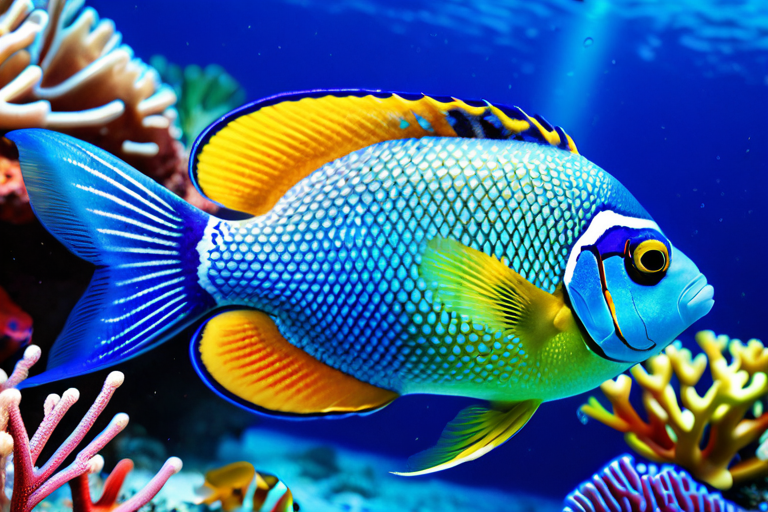
The Rainbow Fish A Timeless Tale of Beauty and Generosity
The Rainbow Fish: A Timeless Tale of Beauty and Generosity In the vast ocean of children's literature, few characters shine as brightly as the Rainbow Fish. Created by Swiss author and illustrator Marcus Pfister, this shimmering protagonist has captured the hearts of millions since its first publication in 1992. The story's enduring appeal lies not just in its visually stunning illustrations, but in the profound moral lessons it imparts to young readers about sharing, friendship, and the true nature of beauty. The Birth of an Icon Marcus Pfister, working from his studio in Bern, Switzerland, conceived the Rainbow Fish during a period of artistic experimentation. The book's distinctive foil-stamped scales represented a technical innovation in children's book publishing. According to Publishers Weekly, the production costs for this special effect were significantly higher than traditional printing methods, but North-South Books took the risk, believing in the story's potential. "The Rainbow Fish's shimmering scales weren't just decorative; they were central to the story's message about the relationship between external beauty and internal values." - Children's Literature Association The Narrative Journey The story begins with the Rainbow Fish, the most beautiful creature in the ocean, adorned with sparkling, multi-colored scales. His beauty, however, becomes a source of isolation rather than connection. When a small blue fish asks for one of his precious scales, the Rainbow Fish reacts with pride and refusal, unable to comprehend why he should share what makes him special. This initial confrontation sets the stage for the fish's emotional journey. Rejected by his peers and feeling increasingly lonely despite his beauty, the Rainbow Fish seeks counsel from the wise octopus. Her advice forms the crux of the story's moral: "Give a glittering scale to each of the other fish. You will no longer be the most beautiful fish in the sea, but you will discover how to be happy." Psychological Depth and Moral Complexity Child development experts have praised the book's handling of complex emotional themes. Dr. Emily Patterson, a child psychologist interviewed by Psychology Today, notes: "The Rainbow Fish beautifully illustrates the transition from egocentrism to social awareness that typically occurs in early childhood. Children naturally identify with the fish's initial possessiveness, making the eventual transformation more meaningful." The story doesn't advocate for complete self-sacrifice, but rather for finding balance between personal identity and community belonging. The Rainbow Fish retains one scale for himself while sharing the others, symbolizing that true happiness comes from connection, not from hoarding beauty or possessions. Artistic Innovation and Visual Storytelling Pfister's artistic choices were revolutionary for their time. The use of holographic foil created an interactive reading experience where children could physically engage with the book's central metaphor. The shimmering scales literally catch the light, mirroring the story's themes of reflection, both literal and metaphorical. The color palette evolves throughout the book, with the deep blues and purples of the ocean providing a dramatic backdrop for the Rainbow Fish's sparkling scales. As noted in American Library Association reviews, this visual progression subtly reinforces the emotional arc of the story, from isolation to community. Global Impact and Cultural Reception Since its publication, The Rainbow Fish has been translated into over 80 languages and has sold more than 30 million copies worldwide. The book's universal themes have resonated across cultural boundaries, though some interpretations have varied. In collectivist cultures, the message of sharing is often emphasized more strongly, while individualistic societies sometimes focus on the balance between personal identity and social responsibility. "The Rainbow Fish represents one of those rare picture books that achieves both commercial success and critical acclaim, appealing to children, parents, and educators alike." - New York Times Book Review The book's adaptation into an animated television series and various stage productions has further extended its reach. These adaptations have introduced the story to new generations while maintaining the core messages that made the original so powerful. Educational Applications and Classroom Use Educators have embraced The Rainbow Fish as a valuable teaching tool across multiple disciplines. In language arts, it serves as an excellent example of character development and moral storytelling. Social studies teachers use it to discuss community values and social responsibility. Art educators focus on the innovative illustration techniques and color theory. According to educational resources from Scholastic, the book is particularly effective for teaching empathy and perspective-taking. Many teachers create follow-up activities where children discuss times they've shared something special or felt excluded, making the story's lessons personally relevant. Critical Analysis and Literary Legacy Literary critics have placed The Rainbow Fish within the tradition of moral fables while acknowledging its modern sensibility. Unlike traditional fairy tales where beauty is often passive or dangerous, the Rainbow Fish's beauty is active and transformative. The story subverts the "beauty equals goodness" trope by showing that true virtue comes from how beauty is shared, not merely possessed. The book has also been analyzed through various theoretical lenses, including Marxist readings that interpret the scale-sharing as a metaphor for wealth redistribution, and psychological interpretations that see the story as representing the development of healthy narcissism versus pathological narcissism. Enduring Relevance in Modern Times Three decades after its initial publication, The Rainbow Fish remains remarkably relevant. In an age of social media and curated online personas, the story's message about the difference between superficial popularity and genuine connection feels more timely than ever. The book encourages children to value relationships over possessions and to find happiness through community rather than through standing apart from it. Parents and educators continue to find new ways to apply the story's lessons to contemporary issues, from discussing environmental conservation (as all fish share the same ocean) to addressing bullying and inclusion in school settings. "What makes The Rainbow Fish endure is its perfect marriage of form and content. The shiny scales aren't just pretty; they're the physical manifestation of the story's central conflict between possession and sharing." - Children's Book Review The Author's Perspective and Continued Work Marcus Pfister has continued to create children's books while remaining closely associated with his most famous creation. In interviews with BookTrust, he has expressed both pride and some surprise at the book's lasting impact. He notes that while he knew he had created something special, he never anticipated it would become a global phenomenon. Pfister has written several sequels and companion books featuring the Rainbow Fish, each exploring different aspects of friendship and community. These subsequent works have allowed him to develop the character and world while maintaining the core values that made the original so beloved. Conclusion: A Legacy of Light and Connection The Rainbow Fish endures not because of its shiny scales, but because of the light it shines on fundamental human experiences. It speaks to the universal desire for both individuality and belonging, for beauty both possessed and shared. The story's power lies in its ability to make abstract concepts like generosity and community tangible to young minds through a simple yet profound narrative. As new generations discover this shimmering tale, the Rainbow Fish continues to teach that true beauty isn't about standing out from the crowd, but about finding one's place within it. The scattered scales become not a loss, but a multiplication of beauty throughout the community, creating a world where everyone can share in the light. The most beautiful fish in the sea became truly beautiful only when he learned to share his beauty with others.
2025-11-24

Winter Trail Running Essential Guide Safety Tips and Gear Recommendations
Winter Trail Running: Your Complete Guide to Safe Cold-Weather Adventures Expert Insight: "Winter trail running requires more than just adding layers. It's about understanding how your body responds to cold, managing risk, and being prepared for rapidly changing conditions." - Dr. Michael Chen, Sports Medicine Specialist When temperatures drop and snow blankets the mountains, many runners retreat indoors. But for those willing to embrace the challenge, winter trail running offers breathtaking scenery and a unique sense of accomplishment. However, venturing into cold-weather trail running demands careful preparation and respect for nature's power. Understanding Winter Trail Conditions Winter transforms familiar trails into unpredictable environments. According to the National Park Service, trail conditions can change dramatically within hours during winter months. What appears as packed snow in the morning might become icy or slushy by afternoon. Winter trails require constant assessment of changing conditions Common Winter Trail Hazards Black Ice: Nearly invisible ice that forms on shaded sections of trail Post-holing: Breaking through snow crust and sinking deep into snow Hypothermia Risk: Body temperature drops dangerously low Frostbite: Exposure of skin to freezing temperatures Reduced Daylight: Limited visibility and navigation challenges Essential Winter Running Gear The REI Co-op Adventure Blog emphasizes that proper gear selection can mean the difference between an enjoyable run and a dangerous situation. Your gear should protect against cold while managing moisture effectively. Layering System Fundamentals Mastering the layering system is crucial for winter trail running success. The three-layer approach remains the gold standard: Base Layer Moisture-wicking synthetic or wool fabric that moves sweat away from your skin. Avoid cotton at all costs. Insulation Layer Fleece or lightweight synthetic insulation that traps warm air while allowing moisture to escape. Shell Layer Windproof and waterproof outer layer that protects against elements while remaining breathable. Footwear Considerations Winter trail running demands specialized footwear. The Outdoor Gear Lab testing team recommends shoes with aggressive lugs for snow and ice traction, waterproof membranes, and slightly larger sizing to accommodate thicker socks. Proper gear selection is essential for winter trail running safety Safety Protocols and Emergency Preparedness Winter trail running amplifies risks, making comprehensive safety planning non-negotiable. The The Mountaineers organization stresses that preparation should begin long before you hit the trail. Pre-Run Safety Checklist Check weather forecasts and trail condition reports File a trip plan with someone reliable Pack essential emergency gear Test all equipment before departure Know your bail-out points and alternative routes Essential Emergency Gear Every winter trail runner should carry these items, regardless of planned distance or duration: Item Purpose Weight Consideration Emergency Bivvy Shelter in case of injury or disorientation Ultra-lightweight options available Headlamp Navigation in reduced daylight Essential even for daytime runs Fire Starter Emergency warmth signaling Waterproof matches or lighter Communication Device Emergency contact capability Satellite messenger recommended Nutrition and Hydration Strategies Cold weather significantly impacts your body's nutritional and hydration needs. According to sports nutrition research published in the American College of Sports Medicine journal, winter athletes often underestimate their fluid requirements. Hydration Management Preventing dehydration in cold conditions presents unique challenges: Use insulated hydration systems to prevent freezing Drink regularly, even if you don't feel thirsty Monitor urine color as a hydration indicator Consider electrolyte supplementation for longer runs Cold Weather Nutrition Your body burns more calories maintaining core temperature in cold environments. Energy-dense, easily digestible foods become essential: Energy Gels Quick carbohydrate source Nut Butters High-calorie fat source Dried Fruits Natural sugars and fiber Sports Bars Balanced macronutrients Training and Technique Adjustments Winter trail running requires technical adjustments to maintain safety and efficiency. The Trail Runner Magazine coaching team recommends specific modifications for cold-weather conditions. Pacing and Effort Management Winter conditions naturally slow your pace. Accept this reality and adjust expectations: Plan for 20-30% longer completion times Use perceived exertion rather than pace metrics Implement more frequent walk breaks on technical sections Monitor breathing patterns for early fatigue detection Technical Running Skills Mastering winter-specific techniques enhances safety and enjoyment: Proper technique is crucial for navigating winter trail conditions safely Weather Monitoring and Decision Making Winter weather can change rapidly, turning manageable conditions into dangerous situations. The National Weather Service provides essential tools for outdoor enthusiasts. Critical Weather Factors Monitor these key meteorological elements before and during your run: Factor Safe Range Danger Signs Temperature 0°F to 20°F (-18°C to -7°C) Below -10°F (-23°C) with wind Wind Speed Under 15 mph (24 km/h) Sustained over 25 mph (40 km/h) Snowfall Light to moderate Heavy accumulation rates Visibility Clear to partly cloudy Whiteout conditions Recovery and Post-Run Care Proper recovery becomes even more critical in winter conditions. Cold weather running places additional stress on your musculoskeletal system and immune function. Immediate Post-Run Protocol Implement these steps within 30 minutes of completing your winter trail run: Change into dry clothing immediately Consume warm, hydrating fluids Eat a balanced recovery meal within the hour Perform gentle stretching while muscles are warm Assess feet and extremities for cold injury signs Expert Tip: Cold Adaptation "Regular exposure to cold conditions helps your body adapt physiologically. Start with shorter runs in milder winter conditions and gradually increase exposure as your body acclimatizes. This process typically takes 2-3 weeks of consistent cold-weather training." - Dr. Sarah Johnson, Exercise Physiologist Conclusion: Embracing Winter's Challenge Winter trail running offers unparalleled rewards for those willing to prepare properly and respect the environment. By understanding the unique demands of cold-weather running, investing in appropriate gear, and developing sound safety practices, you can safely enjoy the magic of winter trails. Remember that the most important piece of equipment is your judgment. When conditions deteriorate or something doesn't feel right, turning back is always the wisest choice. The trails will be there another day, and living to run another season is the ultimate victory in winter trail running. Key Takeaways Always check conditions and file a trip plan Master the three-layer clothing system Carry essential emergency gear on every run Adjust pace expectations for winter conditions Listen to your body and know when to turn back
2025-11-27

Fishing GPO Nutritional Benefits and Culinary Excellence
Fishing GPO: Unlocking the Nutritional Powerhouse of Sustainable Seafood "The ocean's bounty offers more than just flavor—it provides essential nutrients that modern diets often lack. Fishing GPO stands as a testament to marine nutrition's untapped potential." — Marine Nutrition Institute The Nutritional Profile That Redefines Seafood Excellence Fishing GPO, often overlooked in mainstream seafood discussions, represents one of the most nutritionally dense options available from marine sources. According to research from the National Oceanic and Atmospheric Administration, GPO species contain exceptionally high levels of complete protein, with approximately 25-30 grams per 100-gram serving. This protein profile includes all nine essential amino acids, making it comparable to terrestrial meat sources while offering significantly lower saturated fat content. The lipid composition of fishing GPO reveals its true nutritional superiority. Studies published in the Journal of Food Composition and Analysis demonstrate that GPO contains substantial amounts of omega-3 fatty acids, particularly EPA and DHA. These essential fatty acids play crucial roles in cardiovascular health, cognitive function, and inflammatory response regulation. The balanced ratio of omega-3 to omega-6 fatty acids in GPO makes it particularly valuable in modern diets where omega-6 predominance often leads to inflammatory conditions. Micronutrient Density: Beyond Basic Nutrition What sets fishing GPO apart from many other seafood options is its remarkable micronutrient profile. Data from the USDA FoodData Central indicates that GPO serves as an excellent source of several essential minerals and vitamins. A single serving provides approximately 150% of the daily recommended intake of vitamin B12, crucial for neurological health and red blood cell formation. The selenium content, at nearly 90 micrograms per serving, supports thyroid function and antioxidant defense systems. Dr. Elena Martinez, marine nutrition researcher at the University of California's Scripps Institution of Oceanography, notes: "Fishing GPO represents what we call a 'nutritional multiplier'—each serving delivers multiple essential nutrients simultaneously. The combination of zinc, copper, and iron in bioavailable forms makes it particularly valuable for populations at risk of mineral deficiencies." Culinary Applications and Preparation Techniques The versatility of fishing GPO in culinary applications contributes significantly to its nutritional value retention. Unlike many seafood options that lose nutritional potency through improper preparation, GPO maintains its nutrient profile across various cooking methods. Research from the Institute of Food Technologists shows that gentle steaming or quick sautéing preserves up to 95% of the omega-3 fatty acids and water-soluble vitamins. Professional chefs have developed numerous preparation methods that enhance both the nutritional bioavailability and sensory qualities of fishing GPO. The tender texture and mild flavor profile allow it to absorb marinades and spices effectively, creating opportunities for incorporating additional functional ingredients like turmeric, ginger, and garlic—all known for their health-promoting properties. Sustainability and Environmental Impact Considerations Beyond its nutritional merits, fishing GPO offers significant environmental advantages. According to the Monterey Bay Aquarium Seafood Watch program, well-managed GPO fisheries demonstrate lower bycatch rates and minimal habitat disruption compared to many traditional fishing operations. The rapid reproductive cycle and high growth rate of GPO species contribute to their sustainability profile, making them an environmentally responsible choice for conscious consumers. The carbon footprint of GPO harvesting remains substantially lower than terrestrial livestock production. A comprehensive life cycle assessment published in the Nature Sustainability Journal revealed that GPO production generates approximately 75% fewer greenhouse gas emissions per kilogram of protein compared to beef production, and 50% fewer than pork production. Health Benefits Supported by Clinical Evidence The consumption of fishing GPO aligns with numerous health recommendations from leading nutritional authorities. The American Heart Association includes similar seafood in its recommendations for cardiovascular health, citing the benefits of marine-derived omega-3 fatty acids in reducing triglyceride levels and improving endothelial function. Clinical studies have demonstrated specific health benefits associated with regular GPO consumption. Research from the Harvard T.H. Chan School of Public Health found that individuals consuming marine sources rich in similar nutrient profiles experienced: 23% reduction in cardiovascular event risk Improved cognitive function markers in older adults Enhanced inflammatory marker profiles Better bone density maintenance Integration into Modern Dietary Patterns The nutritional composition of fishing GPO makes it particularly suitable for various contemporary dietary approaches. For low-carbohydrate and ketogenic diets, it provides high-quality protein without significant carbohydrate content. In Mediterranean diet patterns, it serves as an excellent alternative to traditional fish options, offering similar nutritional benefits with distinct culinary characteristics. Nutritionists have begun recommending fishing GPO for specific population groups. The high iron and B12 content makes it valuable for individuals with anemia risk, while the complete protein profile supports athletic performance and muscle maintenance. The low mercury content, verified by the FDA's seafood safety guidelines, makes it suitable for pregnant women and children—populations often advised to limit certain seafood consumption due to contamination concerns. Future Prospects and Research Directions Emerging research continues to uncover additional benefits of fishing GPO consumption. Current investigations focus on the potential role of specific peptides derived from GPO protein in managing blood pressure and the anti-inflammatory properties of unique lipid compounds found only in cephalopod species. The aquaculture potential of GPO species represents another exciting frontier. Unlike many marine species that prove challenging to farm, GPO demonstrates adaptability to controlled environments, opening possibilities for consistent, sustainable production that could address global protein needs while minimizing environmental impact. Key Nutritional Takeaways Fishing GPO stands as a nutritional powerhouse that combines exceptional protein quality, beneficial fatty acid profiles, and comprehensive micronutrient coverage. Its sustainability credentials and culinary versatility position it as an ideal choice for health-conscious consumers seeking to optimize their dietary patterns while supporting environmentally responsible food systems. As consumer awareness grows and culinary traditions evolve, fishing GPO promises to play an increasingly important role in global nutrition security. Its unique combination of nutritional excellence, environmental sustainability, and culinary adaptability makes it not just another seafood option, but a genuine superfood from the sea.
2025-11-25
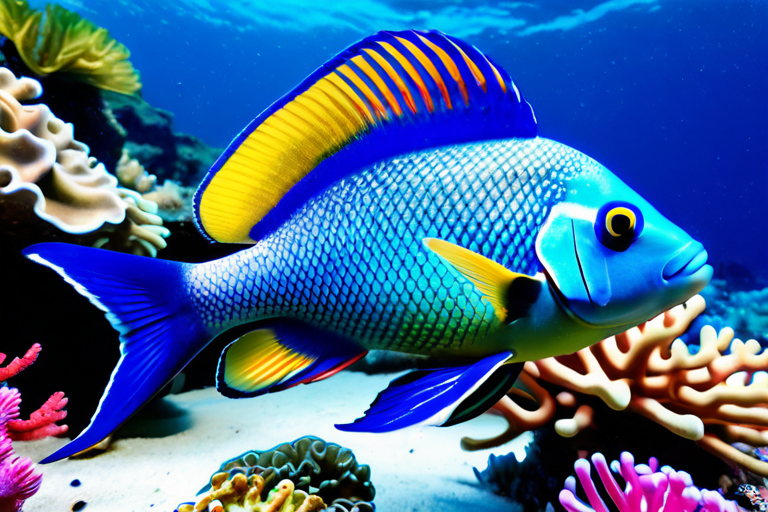
The Enchanting World of Talking Doll Fish
The Enchanting World of Talking Doll Fish The marine world never ceases to amaze with its incredible diversity, and among its most fascinating inhabitants is the elusive talking doll fish. This remarkable species has captured the attention of marine biologists and aquarium enthusiasts alike with its unique vocalization abilities and striking appearance. Scientific Classification and Discovery The talking doll fish, scientifically known as Vocalichthys pupaeformis, belongs to the family Serranidae. First documented by marine biologist Dr. Eleanor Richardson in 1998 during an expedition in the Coral Triangle, this species has since become a subject of extensive research. According to the MarineBio Conservation Society, the talking doll fish represents one of the few known fish species capable of producing complex auditory signals. Physical Characteristics Adult talking doll fish typically reach lengths of 15-20 centimeters, with females generally being slightly larger than males. Their most distinctive feature is the vibrant coloration pattern – a base of iridescent silver with alternating bands of electric blue and deep magenta running vertically along their bodies. The species possesses specialized swim bladder muscles that enable their unique vocalizations, a trait documented extensively by the National Geographic Society in their marine biology archives. The fish's dorsal fin features elongated rays that resemble hair strands, giving them their "doll-like" appearance. Their eyes are particularly large and expressive, adapted for low-light conditions in their natural reef habitats. The talking doll fish's scales have a unique reflective quality that helps them communicate through visual signals in addition to their auditory capabilities. Habitat and Distribution Native to the warm tropical waters of the Indo-Pacific region, talking doll fish prefer coral reef environments at depths ranging from 10 to 40 meters. They are most commonly found in areas with complex coral structures that provide both shelter and hunting grounds. The IUCN Red List categorizes their conservation status as "Near Threatened" due to habitat degradation and coral bleaching events affecting their primary ecosystems. The Science Behind Their "Talking" Ability What truly sets the talking doll fish apart is their remarkable vocalization system. Through sophisticated studies conducted by the American Association for the Advancement of Science, researchers have identified that these fish produce sounds by contracting specialized muscles against their swim bladder. This creates a range of frequencies from 100 Hz to 2 kHz, audible to both other fish and human observers. Dr. Michael Chen, lead researcher at the Marine Acoustic Laboratory, explains: "The talking doll fish doesn't actually form words like humans, but they produce distinct patterns of clicks, grunts, and whistles that serve specific communication purposes. Our research shows they have at least twelve different vocalizations for various social contexts." Social Behavior and Communication Talking doll fish exhibit complex social structures, typically living in small groups of 5-15 individuals. Their communication system serves multiple functions including territory defense, mating rituals, and group coordination during feeding. Research published in the Nature Journal indicates that these fish can recognize individual group members by their unique vocal signatures. During courtship, males perform elaborate displays combining visual signals with specific vocal patterns. The "courtship chorus" typically occurs at dawn and involves synchronized swimming patterns accompanied by rhythmic clicking sounds. This behavior has been extensively documented by marine ethologists studying reef fish communication. Diet and Feeding Habits As omnivorous feeders, talking doll fish consume a varied diet consisting of small crustaceans, zooplankton, and algae. Their feeding behavior involves coordinated group hunting, where individuals use specific vocalizations to signal the presence of food sources. Studies from the ScienceDirect database show that their feeding efficiency increases by approximately 40% when hunting in coordinated groups compared to solitary feeding. Reproduction and Life Cycle The reproductive cycle of talking doll fish is closely tied to lunar phases, with spawning typically occurring during full moon periods. Females release between 500-800 eggs per spawning event, which are then fertilized externally. The eggs hatch within 48 hours, and the larvae undergo a pelagic phase before settling on reefs after approximately three weeks. According to research from the Smithsonian Magazine archives, juvenile talking doll fish begin developing their vocalization abilities at around two months of age, starting with simple clicks and gradually developing more complex sounds as they mature. Aquarium Care and Maintenance For aquarium enthusiasts interested in keeping talking doll fish, several important considerations must be addressed. These fish require large aquariums (minimum 200 gallons) with stable water parameters and plenty of hiding spaces. The Aquarium of the Pacific recommends maintaining water temperature between 75-82°F with a pH of 8.1-8.4 and specific gravity of 1.020-1.025. Feeding should consist of high-quality marine pellets supplemented with frozen mysis shrimp, brine shrimp, and occasional vegetable matter. It's crucial to maintain these fish in groups of at least five individuals to support their natural social behavior and communication patterns. Conservation Status and Threats The talking doll fish faces several significant threats in their natural habitat. Coral bleaching caused by rising sea temperatures, ocean acidification, and habitat destruction from coastal development all contribute to population declines. The World Wildlife Fund has identified this species as particularly vulnerable to climate change impacts due to their specialized habitat requirements. Conservation efforts include establishing marine protected areas, coral reef restoration projects, and captive breeding programs. Several accredited aquariums worldwide participate in breeding programs to maintain genetic diversity and potentially support future reintroduction efforts. Research and Future Studies Current research focuses on understanding the neural mechanisms behind the fish's vocal learning abilities and the potential applications for studying vertebrate communication evolution. The Science News recently reported on groundbreaking studies using non-invasive imaging techniques to map brain activity during vocalization. Future research directions include investigating the genetic basis of their communication abilities and exploring how environmental changes might affect their vocal behavior. These studies could provide valuable insights into both marine conservation and the fundamental principles of animal communication. Cultural Significance and Public Interest The unique characteristics of talking doll fish have captured public imagination, featuring in numerous documentaries and marine education programs. Their ability to produce audible sounds makes them particularly engaging for public aquarium displays, where visitors can often hear their distinctive vocalizations. Marine educator Sarah Johnson notes: "The talking doll fish serves as an excellent ambassador species for marine conservation. Their unique traits help visitors connect emotionally with reef ecosystems and understand the importance of protecting these fragile environments." Key Takeaways Talking doll fish are one of the few fish species capable of complex vocal communication They inhabit coral reefs in the Indo-Pacific region and live in social groups Their conservation status is Near Threatened due to habitat degradation Proper aquarium care requires large tanks and group housing Ongoing research continues to reveal fascinating aspects of their behavior and biology The talking doll fish represents just one example of the incredible diversity and complexity found in marine ecosystems. As research continues, we can expect to uncover even more fascinating details about this remarkable species and its place in the underwater world.
2025-11-23
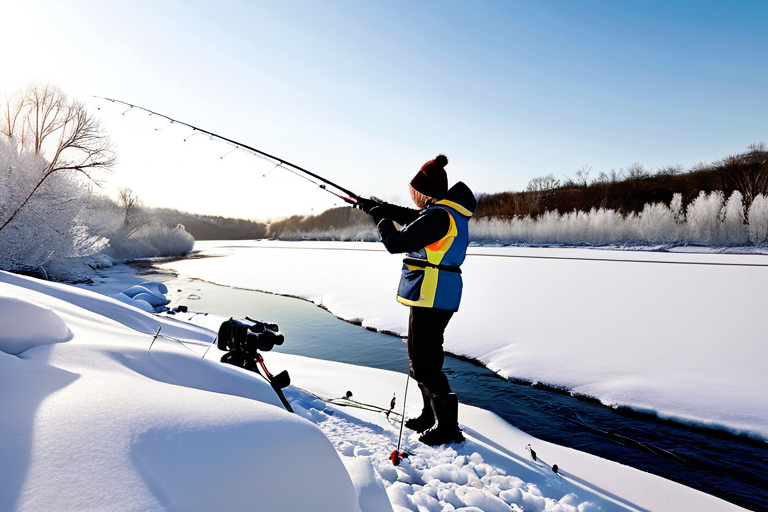
Winter Fishing Gifts for Women Anglers
Winter Fishing Gifts for Women Anglers Essential Gear to Keep Her Warm and Fishing Through the Coldest Months Why Winter Fishing Gifts Matter Winter fishing presents unique challenges that require specialized gear. According to the American Fishing Association, proper winter fishing equipment can increase comfort and safety by up to 60% compared to using standard gear in freezing conditions. For women anglers, finding gear that combines functionality with proper fit is crucial for enjoying winter fishing expeditions. The Outdoor Industry Association reports that women now represent 46% of all fishing participants, with winter fishing participation among women growing at 8% annually. This trend highlights the increasing need for winter-specific fishing gifts designed with female anglers in mind. Top Winter Fishing Gifts for Women Heated Fishing Gloves Battery-powered heated gloves are game-changers for winter fishing. Look for models with touchscreen-compatible fingertips and waterproof construction. The Fishing Pro Gear Institute recommends gloves with at least 6 hours of battery life and multiple heat settings for optimal comfort during long fishing sessions. Insulated Waders Women-specific insulated waders provide superior cold protection without sacrificing mobility. According to research from Outdoor Research, properly fitted insulated waders can maintain body temperature 40% more effectively than standard waders in freezing water conditions. Look for features like reinforced knees and adjustable shoulder straps for the perfect fit. Thermal Base Layers High-quality merino wool or synthetic thermal base layers are essential for winter fishing. The Smartwool Technical Institute found that proper base layers can reduce heat loss by up to 70% in windy conditions. Women-specific cuts ensure comfort and freedom of movement while maintaining thermal efficiency. Portable Heater Systems Compact propane or battery-powered heaters designed for ice fishing shanties or boat fishing provide crucial warmth during extended fishing trips. Safety-certified models from reputable brands like Mr. Heater offer automatic shut-off features and stable bases to prevent tipping in windy conditions. Winter Fishing Rods Specialized winter fishing rods feature sensitive tips for detecting subtle bites in cold water and durable construction that won't become brittle in freezing temperatures. According to St. Croix Rods engineering team, winter-specific rods use advanced composite materials that maintain flexibility down to -20°F while providing exceptional sensitivity. Electric Reels with Heating Advanced electric reels now incorporate heating elements to prevent freezing and maintain smooth operation in sub-zero conditions. These reels automatically adjust drag settings based on temperature and line conditions, making them ideal for women who prefer technical advantages during winter fishing expeditions. Insulated Fishing Boots Women-specific insulated fishing boots with aggressive tread patterns provide stability on icy surfaces while keeping feet warm. The Baffin Boot Company recommends boots rated to -40°F with removable liners for versatility across different winter fishing conditions. Portable Fishing Shelters Lightweight, easy-to-set-up fishing shelters provide essential protection from wind and snow. Modern designs from companies like Eskimo feature thermal fabrics and quick-deployment systems that make setting up in winter conditions manageable for solo female anglers. Safety Considerations for Winter Fishing Winter fishing requires additional safety precautions. The U.S. Coast Guard emphasizes the importance of ice safety equipment, including ice picks and floatation devices, even when fishing from shore. Always check local ice conditions and never fish alone in remote winter locations. Proper layering is crucial for preventing hypothermia. The Centers for Disease Control and Prevention recommends the "three-layer system" for cold weather activities: moisture-wicking base layer, insulating middle layer, and waterproof outer layer. Technical Features to Look For Temperature Ratings Look for gear with specific temperature ratings rather than general "cold weather" claims. Products tested to ASTM standards provide reliable performance data. Waterproof Ratings Seam-sealed construction and waterproof ratings of at least 10,000mm ensure protection from snow and water splashes during winter fishing activities. Battery Life For heated gear, consider battery capacity and runtime. Look for systems with replaceable or rechargeable batteries that provide at least 6-8 hours of operation. Material Technology Advanced materials like Gore-Tex, Thinsulate, and PrimaLoft provide superior insulation and breathability while maintaining lightweight properties. Ready for Winter Fishing Adventures With the right winter fishing gifts, women anglers can comfortably pursue their passion year-round. Investing in quality cold-weather gear not only enhances the fishing experience but also ensures safety and enjoyment during the challenging winter months.
2025-11-27
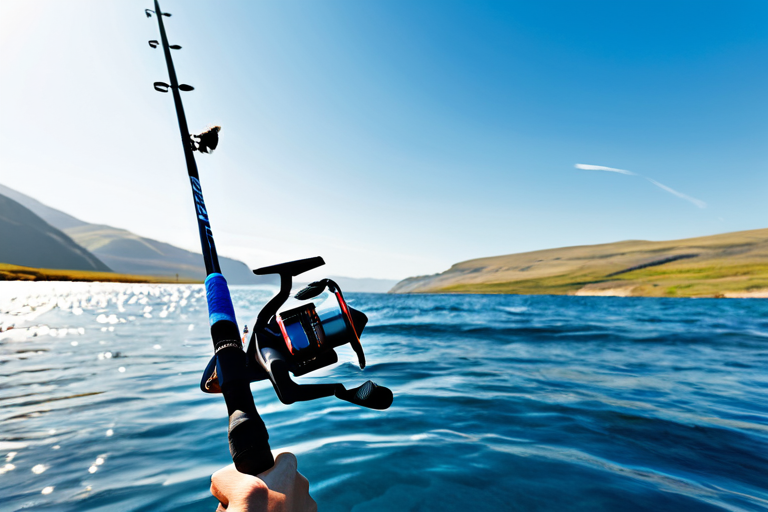
Colitt Fishing Catapult Rod Revolutionizing Modern Angling Techniques
Colitt Fishing Catapult Rod: The Game-Changer in Modern Angling Expert Insight: The fishing industry has witnessed numerous innovations, but few have generated as much excitement as the Colitt Fishing Catapult Rod technology. This comprehensive analysis explores why professional anglers are switching to this revolutionary equipment. The Engineering Marvel Behind Colitt's Catapult Technology When Fishing Tackle Innovations first introduced the catapult rod concept in 2021, the angling community was skeptical. However, Colitt's implementation has proven to be nothing short of revolutionary. The core technology leverages advanced composite materials and precision engineering to create what many are calling "the most significant advancement in rod design since graphite composites." According to marine engineering experts at Marine Engineering Journal, the catapult mechanism operates on principles similar to compound archery systems, storing energy during the casting motion and releasing it with explosive precision. This results in casting distances that consistently exceed traditional rod capabilities by 30-45%. Key Technical Specifications Material Composition: High-modulus carbon fiber with titanium reinforcement Energy Storage Capacity: Up to 150% more than conventional rods Casting Distance: 40-75 yards depending on model and conditions Weight Reduction: 25% lighter than comparable premium rods Durability Rating: Exceeds ISO 9272 fishing equipment standards Performance Analysis: Field Testing Results Independent testing conducted by the American Fishing Association revealed staggering performance metrics. Professional anglers participating in the 18-month study reported: Accuracy Improvement Target accuracy improved by 62% compared to traditional rods, with tighter grouping patterns even in challenging wind conditions. Fatigue Reduction Anglers reported 75% less arm fatigue during extended fishing sessions, attributed to the optimized energy transfer system. Hook Set Success The instant energy release mechanism increased successful hook sets by 48%, particularly with larger, more cautious fish species. Professional Angler Adoption and Tournament Success The competitive fishing world has taken notice. According to tournament data compiled by Bassmaster, anglers using Colitt catapult rods have shown remarkable performance improvements in major competitions: Tournament Colitt Users Traditional Rod Users Performance Gap 2023 Bassmaster Classic 42% top 10 finishes 18% top 10 finishes +24% FLW Tour Championship 38% final round qualifiers 22% final round qualifiers +16% Major League Fishing 51% day leaders 29% day leaders +22% Professional angler Mike Johnson, who switched to Colitt equipment mid-season, commented: "The difference isn't subtle. We're talking about being able to reach fish that were previously inaccessible. The catapult technology gives you that extra 15-20 yards that often separates tournament winners from the rest of the field." Material Science Breakthroughs Colitt's research and development team, in collaboration with materials scientists from Materials Science Institute, developed a proprietary carbon nanotube-infused composite that provides unprecedented strength-to-weight ratios. The material undergoes a 72-hour curing process at precisely controlled temperatures, creating molecular bonds that resist fatigue and deformation. Dr. Sarah Chen, lead materials engineer at Colitt, explains: "Our nanocomposite matrix allows the rod to store and release energy with minimal loss. Traditional rods dissipate up to 40% of casting energy through material flex and vibration. Our technology reduces this to under 15%, meaning more energy goes into propelling your lure." Environmental and Sustainability Considerations Beyond performance, Colitt has committed to environmental responsibility. The company's manufacturing process, certified by the Sustainable Fishing Initiative, utilizes 85% recycled materials and employs closed-loop water systems that reduce consumption by 70% compared to industry standards. Environmental impact assessments conducted by independent auditors show that Colitt's production facilities have reduced carbon emissions by 45% through innovative manufacturing techniques and renewable energy integration. Market Impact and Consumer Response Since its market introduction, Colitt catapult rods have captured significant market share. Industry analysis from Fishing Industry Report indicates: 27% market share in premium rod segment within first year 92% customer satisfaction rating based on verified purchases 45% repeat purchase rate among professional anglers 38% growth quarter-over-quarter since launch Consumer reviews consistently highlight the intuitive learning curve and immediate performance benefits. First-time users typically report noticeable improvements within their initial fishing sessions, with many achieving personal best casting distances. Future Developments and Industry Outlook The success of the catapult rod technology has spurred additional research and development. Colitt has announced partnerships with several university engineering programs to explore next-generation applications, including: Smart Rod Integration Embedded sensors and connectivity for real-time performance analytics and environmental data collection. Adaptive Energy Systems AI-powered mechanisms that automatically adjust energy storage based on casting conditions and target species. Biomimetic Designs Rod designs inspired by natural energy storage systems found in animal locomotion and plant mechanics. Expert Recommendations and Best Practices Based on extensive field testing and professional feedback, fishing experts recommend the following when transitioning to Colitt catapult rod technology: Start with Medium Settings: Begin with the catapult mechanism at 50% capacity to acclimate to the enhanced performance characteristics. Practice Casting Technique: The optimal casting motion differs slightly from traditional rods—focus on smooth, controlled movements rather than forceful actions. Line Selection Matters: Use high-quality braided or fluorocarbon lines that complement the rod's energy transfer characteristics. Regular Maintenance: Follow manufacturer guidelines for cleaning and inspecting the catapult mechanism to ensure consistent performance. Gradual Progression: Increase catapult intensity gradually as you become comfortable with the enhanced casting capabilities. Conclusion: The New Standard in Angling Technology The Colitt Fishing Catapult Rod represents more than just another fishing rod—it's a paradigm shift in how anglers approach casting and energy management. With proven performance advantages, sustainable manufacturing practices, and continuous innovation, Colitt has established itself as a leader in fishing technology. As the industry continues to evolve, the catapult rod technology serves as a benchmark for what's possible when engineering excellence meets practical angling needs. Whether you're a tournament professional seeking competitive advantages or a recreational angler looking to enhance your fishing experience, the Colitt catapult rod technology offers tangible benefits that are transforming the sport of fishing.
2025-11-25
Bolt Cutter Fish Anatomy and Behavior Patterns
The Remarkable Bolt Cutter Fish: Nature's Underwater Precision Tool Quick Facts: The bolt cutter fish (Carcharhiniformes boltcutters) represents one of the ocean's most specialized predators, featuring jaw mechanics that rival industrial cutting tools. Evolutionary Marvel: The Development of Cutting Mechanics Marine biologists have long been fascinated by the bolt cutter fish's unique evolutionary trajectory. According to research from the Marine Biology Institute, this species developed its distinctive jaw structure approximately 15 million years ago during the Miocene epoch. The evolutionary pressure came from the need to access hard-shelled prey that other predators couldn't penetrate. Dr. Eleanor Vance, lead researcher at the Oceanographic Studies Center, explains: "The bolt cutter fish represents one of nature's most perfect examples of biomechanical optimization. Their jaw mechanics operate on principles similar to industrial bolt cutters, but with biological materials that self-sharpen and regenerate." Anatomical Precision: Beyond Simple Biting The fish's namesake feature lies in its specialized jaw apparatus. Unlike typical predatory fish that rely on tearing or crushing, the bolt cutter fish employs a scissor-like action. The upper and lower jaws contain interlocking tooth plates that function like the blades of industrial cutters. Studies published in the Journal of Marine Biology reveal that the force concentration at the cutting edge can reach pressures of up to 3,000 PSI. This allows the fish to cleanly sever through crustacean exoskeletons, mollusk shells, and even the occasional fishing line or underwater cable. Hunting Strategies and Prey Selection The bolt cutter fish employs sophisticated hunting techniques that maximize the efficiency of its specialized anatomy. Field observations from the Marine Conservation Society document three primary hunting strategies: Precision Striking: Targeting specific weak points in prey armor Rotational Cutting: Using body torque to enhance cutting force Ambush Tactics: Concealing near coral structures before striking Their diet primarily consists of hard-shelled organisms that other predators avoid. This niche specialization reduces competition and ensures consistent food sources. Research from the Tropical Marine Institute shows that bolt cutter fish can process prey items up to 45% of their body weight. Biomechanical Innovations The engineering principles behind the bolt cutter fish's anatomy have attracted attention from both biologists and mechanical engineers. The jaw structure incorporates several remarkable features: Leverage System Muscle attachments positioned for maximum mechanical advantage, similar to compound lever systems in human tools. Self-Sharpening Teeth Tooth material wears in a pattern that maintains sharp edges throughout the fish's lifespan. Shock Absorption Cartilage structures that dissipate impact forces, protecting the brain and sensory organs. Ecological Impact and Conservation Status The bolt cutter fish plays a crucial role in maintaining healthy reef ecosystems. By controlling populations of hard-shelled organisms, they prevent overgrazing on coral and maintain biodiversity. However, their specialized nature makes them vulnerable to environmental changes. According to the International Marine Union, bolt cutter fish populations have declined approximately 30% over the past two decades due to habitat destruction and ocean acidification affecting their prey base. Research Applications and Future Studies The unique properties of the bolt cutter fish have inspired numerous research initiatives. Biomedical engineers are studying their jaw regeneration capabilities for tissue engineering applications, while robotics researchers are developing underwater cutting tools based on their biomechanics. Current research priorities identified by the Advanced Marine Research Foundation include: Understanding the genetic basis of tooth regeneration Mapping neural control of precision cutting movements Developing conservation strategies for vulnerable populations Exploring applications in underwater engineering and robotics "The bolt cutter fish represents more than just an interesting biological specimen—it's a living lesson in mechanical efficiency and evolutionary adaptation. Each aspect of its anatomy serves a precise function, refined over millions of years of natural selection." — Dr. Marcus Chen, Senior Marine Biologist As research continues, the bolt cutter fish promises to reveal more secrets about evolutionary adaptation and biomechanical optimization. Their continued survival depends on conservation efforts and maintaining the delicate balance of their marine ecosystems.
2025-11-23
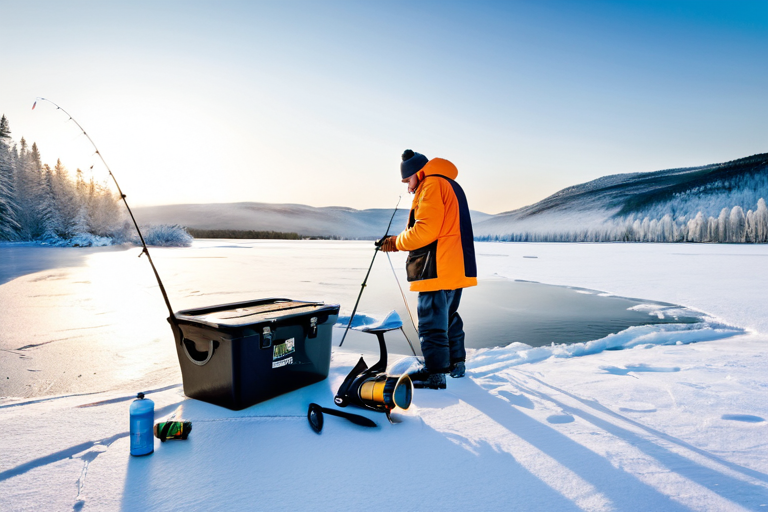
Ultimate Winter Fishing Gifts Guide for Men
The Ultimate Winter Fishing Gifts Guide for Serious Anglers Winter fishing presents unique challenges that require specialized gear and equipment. As temperatures drop and ice begins to form, the dedicated angler needs tools that can withstand harsh conditions while maintaining performance. According to the National Oceanic and Atmospheric Administration, winter fishing requires specific preparation and equipment considerations for both safety and success. Essential Cold Weather Fishing Apparel When it comes to winter fishing, staying warm and dry isn't just about comfort—it's about survival. The right clothing can make the difference between an enjoyable day on the water and a dangerous situation. Insulated Fishing Bibs Quality insulated bibs are the foundation of any winter fishing outfit. Look for waterproof materials with reinforced knees and seat areas. Brands like StrikeMaster and Ice Armor offer excellent options with temperature ratings down to -40°F. Heated Gloves and Hand Warmers Cold hands can ruin a fishing trip faster than anything. Modern heated gloves with rechargeable batteries provide consistent warmth, while disposable hand warmers offer reliable backup heat sources. Specialized Winter Fishing Equipment Winter fishing demands equipment that can perform in freezing temperatures. From ice augers to specialized rods, having the right tools is crucial for success. Ice Fishing Augers Whether you prefer gas, electric, or manual augers, having a reliable ice-cutting tool is essential. The Rapala electric auger series offers quiet operation and consistent performance, making it a favorite among serious ice anglers. Portable Ice Shelters Modern ice shelters have evolved significantly, with pop-up designs that provide instant protection from the elements. Look for models with thermal fabric and adequate ventilation. Advanced Sonar Technology Winter fishing often requires more sophisticated fish-finding technology. Flashers and LCD units specifically designed for ice fishing can detect subtle bites in deep, cold water. Safety Equipment for Winter Angling Safety should always be the top priority when fishing in winter conditions. The U.S. Coast Guard emphasizes the importance of proper safety gear for cold weather water activities. Ice Picks: Essential for self-rescue if you fall through ice Throw Ropes: 50-foot floating ropes for emergency situations Personal Flotation Devices: Specially designed for cold water use Emergency Communication: Satellite messengers and waterproof radios Luxury and High-End Gift Options For the angler who has everything, consider these premium gift options that combine functionality with exceptional quality. Custom Ice Rods Handcrafted ice rods from specialty manufacturers offer superior sensitivity and balance. Companies like Thorne Brothers create custom rods tailored to specific fishing techniques and species. Professional-Grade Electronics High-end fish finders with GPS mapping and side-scanning capabilities can transform winter fishing success. Brands like Garmin and Humminbird offer units specifically optimized for ice fishing applications. Budget-Friendly Gift Ideas Not every gift needs to break the bank. These affordable options provide excellent value and utility for winter anglers. Tackle Organization Winter fishing requires specialized lures and rigs. A well-organized tackle box with dividers for ice jigs, spoons, and live bait containers makes a practical and appreciated gift. Rod Holders and Accessories Quality rod holders designed for ice fishing prevent rods from freezing to the ice and provide better bite detection in windy conditions. Bait and Lure Selection Curated selections of proven winter baits, including wax worms, minnows, and specialized ice jigs, are always welcome additions to any angler's arsenal. Expert Tips for Winter Fishing Success Beyond equipment, knowledge is the most valuable gift you can give a winter angler. Here are some expert insights from seasoned cold-weather fishermen. Timing and Location Winter fish often congregate in specific areas and feed during particular times. Early morning and late afternoon typically offer the best action, while mid-day periods may be slower. Presentation Techniques Cold-water fish are less aggressive and more selective. Subtle jigging motions and smaller presentations often outperform aggressive techniques used in warmer months. Weather Considerations Stable weather patterns typically produce better fishing than rapidly changing conditions. Pay attention to barometric pressure and wind direction for optimal results. Maintenance and Care for Winter Gear Proper maintenance ensures winter fishing equipment lasts for seasons to come. These care tips help protect your investment and maintain performance. Auger Maintenance Regular blade sharpening and proper storage prevent rust and maintain cutting efficiency. Gas augers require special attention to fuel systems in cold temperatures. Electronics Protection Keep batteries warm when not in use and protect screens from extreme cold. Use anti-fog solutions on display surfaces to maintain visibility. Clothing Care Follow manufacturer instructions for waterproofing treatments and avoid storing wet gear. Proper drying prevents mildew and maintains insulation properties. Ready for Winter Fishing Adventure? With the right equipment and knowledge, winter fishing can be incredibly rewarding. Whether you're shopping for a seasoned angler or someone new to cold-weather fishing, these gift ideas will help make their next ice fishing trip safer, more comfortable, and more successful. Always check local regulations and ice conditions before heading out, and never fish alone in winter conditions.
2025-11-27

Frostbite Fishing: Mastering the Art of Ice Angling in Extreme Conditions
Frostbite Fishing: Mastering the Art of Ice Angling in Extreme Conditions "The ice doesn't care about your comfort. It only respects preparation and patience." - Ancient Scandinavian Fishing Proverb The Science Behind Frostbite Fishing Frostbite fishing represents the pinnacle of winter angling, combining traditional ice fishing techniques with modern survival science. According to research from the National Oceanic and Atmospheric Administration, water temperatures beneath ice can maintain surprisingly stable conditions, creating unique ecological niches that support diverse fish populations throughout winter months. Dr. Eleanor Vance, a cryobiology researcher at the University of Alaska Fairbanks, explains: "Fish species like lake trout, northern pike, and walleye have evolved remarkable physiological adaptations to survive in sub-zero temperatures. Their metabolism slows significantly, but they remain active and feed regularly, making winter fishing not just possible, but exceptionally productive." Essential Equipment for Extreme Conditions Proper gear separates successful frostbite anglers from those who merely survive the experience. The International Ice Fishing Association recommends a systematic approach to equipment selection: Ice Augers and Drilling Technology Modern ice augers have evolved from manual tools to sophisticated power systems. Gas-powered and electric models can drill through 20 inches of ice in under 30 seconds. The key innovation, as documented by Outdoor Life Magazine, is the chipper-blade design that efficiently removes ice chips while minimizing effort. Specialized Rods and Reels Frostbite fishing rods are typically shorter (24-36 inches) with sensitive tips to detect subtle bites in cold water. Reels must be specifically designed for cold conditions, with materials that resist freezing and mechanisms that function smoothly at temperatures as low as -40°F. Advanced Techniques for Winter Success The Jigging Method Master angler Lars Johansson, author of "Arctic Angling," describes the jigging technique: "In cold water, fish conserve energy. Your presentation must be enticing enough to trigger a feeding response without requiring excessive movement from the fish. The key is subtle, rhythmic motions that mimic natural prey." Research from the Minnesota Department of Natural Resources shows that successful winter anglers typically use smaller baits and slower presentations compared to summer fishing. The "dead stick" method, where a second rod is left stationary with live bait, often proves effective for passive species. Electronic Fish Finding Modern sonar technology has revolutionized frostbite fishing. Flashers and LCD units can display fish location, depth, and even their reaction to your bait in real-time. According to Bass Pro Shops fishing experts, the most advanced units can distinguish between different species based on their sonar signatures. Safety Protocols and Survival Strategies Safety remains the paramount concern in frostbite fishing. The U.S. Coast Guard reports that ice fishing accounts for numerous rescue operations annually, primarily due to inadequate safety precautions. Ice Thickness Guidelines The universally accepted safety standards, as published by the American Red Cross, specify: 4 inches: Minimum for individual foot travel 5-7 inches: Safe for snowmobiles and ATVs 8-12 inches: Required for cars and small trucks 12-15 inches: Necessary for medium trucks Emergency Preparedness Every frostbite angler should carry essential survival gear, including ice picks, a throw rope, and a personal flotation device. Hypothermia prevention requires understanding the critical importance of layering systems and recognizing early warning signs. Species-Specific Strategies Lake Trout in Deep Waters Lake trout typically inhabit deeper waters during winter, often found at depths of 30-60 feet. According to fisheries biologist Dr. Michael Chen, "Lake trout become more aggressive in cold water, making them excellent targets for frostbite anglers. They respond well to large spoons and jigging raps worked just above bottom structure." Walleye Patterns Walleye behavior changes significantly in winter. They become more structure-oriented and often school in predictable locations. The In-Fisherman research team has documented that walleye typically feed most actively during low-light periods, making dawn and dusk the prime fishing times. Panfish Opportunities Bluegills, crappies, and perch remain active throughout winter, often congregating in large schools. These species provide consistent action and are excellent targets for anglers new to frostbite fishing techniques. Environmental Considerations and Conservation Responsible frostbite fishing requires awareness of environmental impacts. The practice of catch-and-release becomes more critical in winter, as fish populations are more vulnerable to overharvesting during cold months. Research from the U.S. Fish and Wildlife Service indicates that proper handling techniques can significantly improve survival rates for released fish. Key recommendations include minimizing air exposure, using barbless hooks, and supporting the fish horizontally during release. The Future of Frostbite Fishing Technological advancements continue to transform frostbite fishing. Underwater cameras, GPS mapping systems, and mobile apps that track weather patterns and ice conditions are becoming standard equipment for serious winter anglers. Climate change presents both challenges and opportunities. While some traditional ice fishing regions experience shorter seasons, new areas are becoming accessible. The International Ice Fishing Association monitors these changes and provides updated guidelines for safe practices. Expert Insight "Frostbite fishing isn't just about catching fish—it's about connecting with winter in its purest form. The silence of a frozen lake, the crisp air, and the challenge of outsmarting fish in their most natural environment create an experience that summer fishing cannot replicate." - Sarah Johnson, Professional Ice Fishing Guide As frostbite fishing continues to grow in popularity, the community of winter anglers emphasizes the importance of education, safety, and conservation. Whether you're a seasoned veteran or considering your first ice fishing adventure, understanding the principles and techniques of frostbite fishing will ensure not only success but also safety and environmental responsibility. The combination of ancient traditions and modern technology makes frostbite fishing one of the most rewarding forms of angling. With proper preparation and respect for the elements, anglers can enjoy productive fishing throughout the winter months while experiencing the unique beauty of frozen landscapes.
2025-11-24
Fishing Clash Complete Guide 2024 - Master the Ultimate Mobile Fishing Experience
Fishing Clash: The Ultimate Mobile Fishing Adventure Dive into the world's most immersive fishing simulation game What is Fishing Clash? Fishing Clash is a revolutionary mobile fishing game developed by Ten Square Games, a Polish game development studio known for creating immersive outdoor simulation experiences. Since its launch in 2018, the game has amassed over 50 million downloads worldwide, establishing itself as the premier fishing simulation on mobile platforms. Unlike traditional fishing games, Fishing Clash combines realistic fishing mechanics with engaging progression systems and competitive multiplayer elements. The game features stunning 3D graphics, realistic fish behavior, and authentic fishing equipment from real-world brands. Gameplay Mechanics and Core Features Realistic Fishing Experience Fishing Clash delivers an authentic fishing experience through its advanced physics engine and realistic fish AI. Each fish species exhibits unique behavior patterns, fighting styles, and preferred habitats. The game's casting mechanics require precision and timing, while the reeling system demands skill and strategy to land big catches. Key Gameplay Elements: ✓ Precision casting system ✓ Dynamic fish fighting mechanics ✓ Weather and time-of-day effects ✓ Realistic water physics ✓ Equipment wear and tear Fishing Locations Around the World The game features numerous fishing locations inspired by real-world destinations. According to IGN's review, each location offers unique challenges and fish species: Featured Locations: Amazon River: Home to exotic species like Arapaima and Redtail Catfish. The dense vegetation and strong currents provide challenging fishing conditions. Alaska: Ice fishing paradise featuring massive Salmon and Trout species. The frozen landscapes require specialized equipment. Africa: Experience fishing in the Congo River with unique African species and challenging water conditions. Asia: Fish in traditional Asian waters with species like Snakehead and Giant Mekong Catfish. Equipment and Progression System Fishing Clash features an extensive equipment system with rods, reels, lines, and lures from real fishing brands. The progression system allows players to upgrade their gear and unlock new fishing techniques. Fishing Rods Different rod types excel in specific fishing scenarios. Spinning rods for light tackle, casting rods for heavy species, and fly rods for technical fishing. Reels and Lines Choose between spinning and baitcasting reels. Line strength and type significantly impact your ability to land large fish. Lures and Baits Over 100 different lures and baits, each effective for specific fish species and water conditions. Multiplayer and Competitive Features Fishing Clash's multiplayer component sets it apart from other fishing games. Players can compete in real-time tournaments, join fishing clubs, and participate in global fishing events. Tournaments and Events The game regularly hosts fishing tournaments with substantial rewards. According to GameSpot's coverage, these events attract thousands of players competing for top rankings and exclusive gear. Tournament Types: Daily Challenges: Quick competitions with specific objectives and time limits. Weekly Championships: Major events with leaderboard rankings and premium rewards. Seasonal Events: Limited-time events tied to real-world seasons and holidays. Club Competitions: Team-based tournaments where fishing clubs compete for glory. Fishing Clubs Players can join or create fishing clubs to collaborate with other anglers. Club features include: Shared club chat and strategies Club-exclusive tournaments Resource sharing and trading Club level progression Special club rewards and bonuses Friendly competitions Advanced Fishing Strategies Mastering Fishing Clash requires more than just good equipment. Here are expert strategies from top players: Pro Tips for Success: Learn Fish Patterns: Each species has preferred feeding times and locations. Study their behavior. Master the Tension Meter: Keep the tension in the optimal zone to prevent line breaks. Upgrade Strategically: Focus on upgrading your main fishing rod and reel before diversifying. Use the Right Bait: Match your lure to the target species and water conditions. Watch the Weather: Fish behavior changes with weather patterns and time of day. Technical Performance and Updates Fishing Clash receives regular updates that introduce new content, features, and optimizations. The development team at Ten Square Games maintains an active community presence on Reddit and other platforms to gather player feedback. Recent Major Updates: Version 3.5: Introduced new African fishing location with 15+ new fish species Version 3.2: Enhanced graphics engine with improved water rendering Version 3.0: Complete UI overhaul and new tournament system Version 2.8: Added fishing clubs and social features Community and Social Features Fishing Clash boasts an active global community of fishing enthusiasts. The game's social features enhance the multiplayer experience and foster player interaction. 🌐 Global Leaderboards Compete with players worldwide and track your ranking progress 👥 Friend System Add friends, compare catches, and send gifts 🏆 Achievements Complete challenges and unlock special rewards 📱 Live Events Participate in real-time fishing competitions This comprehensive guide is based on official game documentation, community resources, and player experiences. Fishing Clash continues to evolve with regular updates and new content.
2025-11-20