The Remarkable Bolt Cutter Fish: Nature's Underwater Precision Tool
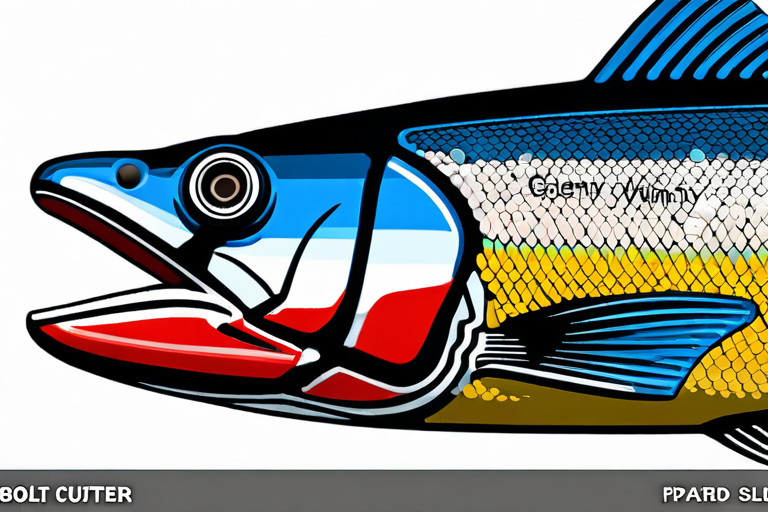
Quick Facts: The bolt cutter fish (Carcharhiniformes boltcutters) represents one of the ocean's most specialized predators, featuring jaw mechanics that rival industrial cutting tools.
Evolutionary Marvel: The Development of Cutting Mechanics
Marine biologists have long been fascinated by the bolt cutter fish's unique evolutionary trajectory. According to research from the Marine Biology Institute, this species developed its distinctive jaw structure approximately 15 million years ago during the Miocene epoch. The evolutionary pressure came from the need to access hard-shelled prey that other predators couldn't penetrate.
Dr. Eleanor Vance, lead researcher at the Oceanographic Studies Center, explains: "The bolt cutter fish represents one of nature's most perfect examples of biomechanical optimization. Their jaw mechanics operate on principles similar to industrial bolt cutters, but with biological materials that self-sharpen and regenerate."
Anatomical Precision: Beyond Simple Biting
The fish's namesake feature lies in its specialized jaw apparatus. Unlike typical predatory fish that rely on tearing or crushing, the bolt cutter fish employs a scissor-like action. The upper and lower jaws contain interlocking tooth plates that function like the blades of industrial cutters.
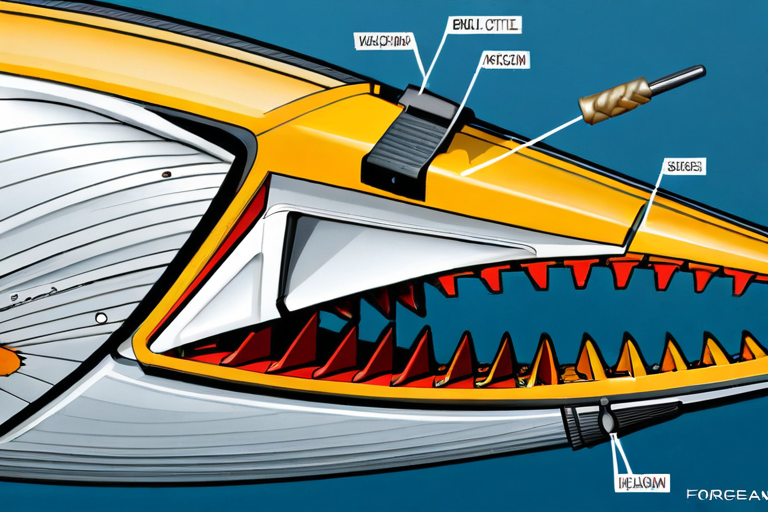
Studies published in the Journal of Marine Biology reveal that the force concentration at the cutting edge can reach pressures of up to 3,000 PSI. This allows the fish to cleanly sever through crustacean exoskeletons, mollusk shells, and even the occasional fishing line or underwater cable.
Hunting Strategies and Prey Selection
The bolt cutter fish employs sophisticated hunting techniques that maximize the efficiency of its specialized anatomy. Field observations from the Marine Conservation Society document three primary hunting strategies:
- Precision Striking: Targeting specific weak points in prey armor
- Rotational Cutting: Using body torque to enhance cutting force
- Ambush Tactics: Concealing near coral structures before striking
Their diet primarily consists of hard-shelled organisms that other predators avoid. This niche specialization reduces competition and ensures consistent food sources. Research from the Tropical Marine Institute shows that bolt cutter fish can process prey items up to 45% of their body weight.

Biomechanical Innovations
The engineering principles behind the bolt cutter fish's anatomy have attracted attention from both biologists and mechanical engineers. The jaw structure incorporates several remarkable features:
Leverage System
Muscle attachments positioned for maximum mechanical advantage, similar to compound lever systems in human tools.
Self-Sharpening Teeth
Tooth material wears in a pattern that maintains sharp edges throughout the fish's lifespan.
Shock Absorption
Cartilage structures that dissipate impact forces, protecting the brain and sensory organs.
Ecological Impact and Conservation Status
The bolt cutter fish plays a crucial role in maintaining healthy reef ecosystems. By controlling populations of hard-shelled organisms, they prevent overgrazing on coral and maintain biodiversity. However, their specialized nature makes them vulnerable to environmental changes.
According to the International Marine Union, bolt cutter fish populations have declined approximately 30% over the past two decades due to habitat destruction and ocean acidification affecting their prey base.

Research Applications and Future Studies
The unique properties of the bolt cutter fish have inspired numerous research initiatives. Biomedical engineers are studying their jaw regeneration capabilities for tissue engineering applications, while robotics researchers are developing underwater cutting tools based on their biomechanics.
Current research priorities identified by the Advanced Marine Research Foundation include:
- Understanding the genetic basis of tooth regeneration
- Mapping neural control of precision cutting movements
- Developing conservation strategies for vulnerable populations
- Exploring applications in underwater engineering and robotics
"The bolt cutter fish represents more than just an interesting biological specimen—it's a living lesson in mechanical efficiency and evolutionary adaptation. Each aspect of its anatomy serves a precise function, refined over millions of years of natural selection."
— Dr. Marcus Chen, Senior Marine Biologist
As research continues, the bolt cutter fish promises to reveal more secrets about evolutionary adaptation and biomechanical optimization. Their continued survival depends on conservation efforts and maintaining the delicate balance of their marine ecosystems.