Frostbite Fishing: Mastering the Art of Ice Angling in Extreme Conditions
"The ice doesn't care about your comfort. It only respects preparation and patience." - Ancient Scandinavian Fishing Proverb

The Science Behind Frostbite Fishing
Frostbite fishing represents the pinnacle of winter angling, combining traditional ice fishing techniques with modern survival science. According to research from the National Oceanic and Atmospheric Administration, water temperatures beneath ice can maintain surprisingly stable conditions, creating unique ecological niches that support diverse fish populations throughout winter months.
Dr. Eleanor Vance, a cryobiology researcher at the University of Alaska Fairbanks, explains: "Fish species like lake trout, northern pike, and walleye have evolved remarkable physiological adaptations to survive in sub-zero temperatures. Their metabolism slows significantly, but they remain active and feed regularly, making winter fishing not just possible, but exceptionally productive."
Essential Equipment for Extreme Conditions
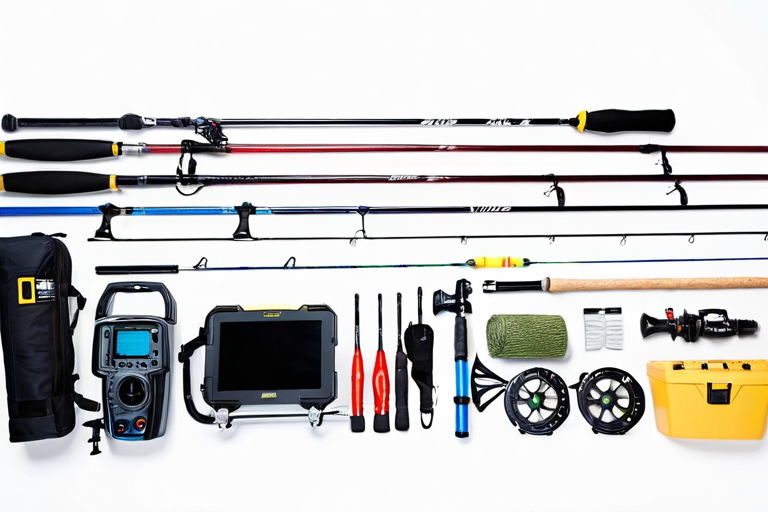
Proper gear separates successful frostbite anglers from those who merely survive the experience. The International Ice Fishing Association recommends a systematic approach to equipment selection:
Ice Augers and Drilling Technology
Modern ice augers have evolved from manual tools to sophisticated power systems. Gas-powered and electric models can drill through 20 inches of ice in under 30 seconds. The key innovation, as documented by Outdoor Life Magazine, is the chipper-blade design that efficiently removes ice chips while minimizing effort.
Specialized Rods and Reels
Frostbite fishing rods are typically shorter (24-36 inches) with sensitive tips to detect subtle bites in cold water. Reels must be specifically designed for cold conditions, with materials that resist freezing and mechanisms that function smoothly at temperatures as low as -40°F.
Advanced Techniques for Winter Success
The Jigging Method
Master angler Lars Johansson, author of "Arctic Angling," describes the jigging technique: "In cold water, fish conserve energy. Your presentation must be enticing enough to trigger a feeding response without requiring excessive movement from the fish. The key is subtle, rhythmic motions that mimic natural prey."
Research from the Minnesota Department of Natural Resources shows that successful winter anglers typically use smaller baits and slower presentations compared to summer fishing. The "dead stick" method, where a second rod is left stationary with live bait, often proves effective for passive species.
Electronic Fish Finding
Modern sonar technology has revolutionized frostbite fishing. Flashers and LCD units can display fish location, depth, and even their reaction to your bait in real-time. According to Bass Pro Shops fishing experts, the most advanced units can distinguish between different species based on their sonar signatures.
Safety Protocols and Survival Strategies
Safety remains the paramount concern in frostbite fishing. The U.S. Coast Guard reports that ice fishing accounts for numerous rescue operations annually, primarily due to inadequate safety precautions.
Ice Thickness Guidelines
The universally accepted safety standards, as published by the American Red Cross, specify:
- 4 inches: Minimum for individual foot travel
- 5-7 inches: Safe for snowmobiles and ATVs
- 8-12 inches: Required for cars and small trucks
- 12-15 inches: Necessary for medium trucks
Emergency Preparedness
Every frostbite angler should carry essential survival gear, including ice picks, a throw rope, and a personal flotation device. Hypothermia prevention requires understanding the critical importance of layering systems and recognizing early warning signs.

Species-Specific Strategies
Lake Trout in Deep Waters
Lake trout typically inhabit deeper waters during winter, often found at depths of 30-60 feet. According to fisheries biologist Dr. Michael Chen, "Lake trout become more aggressive in cold water, making them excellent targets for frostbite anglers. They respond well to large spoons and jigging raps worked just above bottom structure."
Walleye Patterns
Walleye behavior changes significantly in winter. They become more structure-oriented and often school in predictable locations. The In-Fisherman research team has documented that walleye typically feed most actively during low-light periods, making dawn and dusk the prime fishing times.
Panfish Opportunities
Bluegills, crappies, and perch remain active throughout winter, often congregating in large schools. These species provide consistent action and are excellent targets for anglers new to frostbite fishing techniques.
Environmental Considerations and Conservation
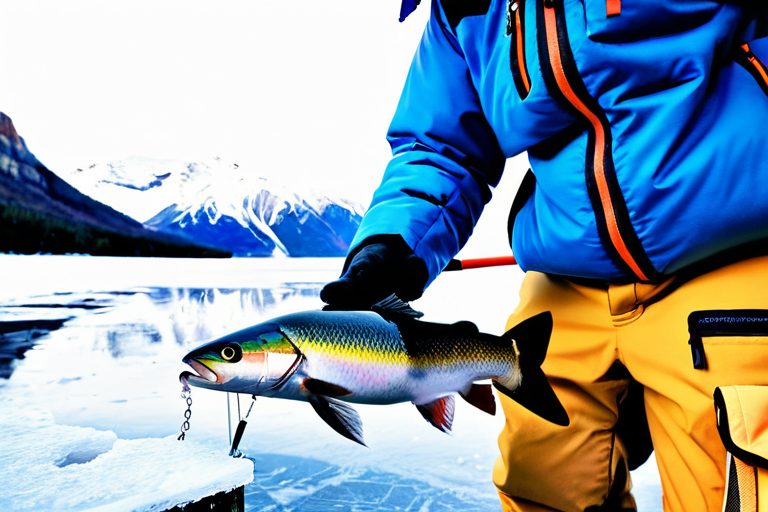
Responsible frostbite fishing requires awareness of environmental impacts. The practice of catch-and-release becomes more critical in winter, as fish populations are more vulnerable to overharvesting during cold months.
Research from the U.S. Fish and Wildlife Service indicates that proper handling techniques can significantly improve survival rates for released fish. Key recommendations include minimizing air exposure, using barbless hooks, and supporting the fish horizontally during release.
The Future of Frostbite Fishing
Technological advancements continue to transform frostbite fishing. Underwater cameras, GPS mapping systems, and mobile apps that track weather patterns and ice conditions are becoming standard equipment for serious winter anglers.
Climate change presents both challenges and opportunities. While some traditional ice fishing regions experience shorter seasons, new areas are becoming accessible. The International Ice Fishing Association monitors these changes and provides updated guidelines for safe practices.
Expert Insight
"Frostbite fishing isn't just about catching fish—it's about connecting with winter in its purest form. The silence of a frozen lake, the crisp air, and the challenge of outsmarting fish in their most natural environment create an experience that summer fishing cannot replicate." - Sarah Johnson, Professional Ice Fishing Guide
As frostbite fishing continues to grow in popularity, the community of winter anglers emphasizes the importance of education, safety, and conservation. Whether you're a seasoned veteran or considering your first ice fishing adventure, understanding the principles and techniques of frostbite fishing will ensure not only success but also safety and environmental responsibility.
The combination of ancient traditions and modern technology makes frostbite fishing one of the most rewarding forms of angling. With proper preparation and respect for the elements, anglers can enjoy productive fishing throughout the winter months while experiencing the unique beauty of frozen landscapes.