Winter Trail Running: Your Complete Guide to Safe Cold-Weather Adventures
When temperatures drop and snow blankets the mountains, many runners retreat indoors. But for those willing to embrace the challenge, winter trail running offers breathtaking scenery and a unique sense of accomplishment. However, venturing into cold-weather trail running demands careful preparation and respect for nature's power.
Understanding Winter Trail Conditions
Winter transforms familiar trails into unpredictable environments. According to the National Park Service, trail conditions can change dramatically within hours during winter months. What appears as packed snow in the morning might become icy or slushy by afternoon.

Common Winter Trail Hazards
- Black Ice: Nearly invisible ice that forms on shaded sections of trail
- Post-holing: Breaking through snow crust and sinking deep into snow
- Hypothermia Risk: Body temperature drops dangerously low
- Frostbite: Exposure of skin to freezing temperatures
- Reduced Daylight: Limited visibility and navigation challenges
Essential Winter Running Gear
The REI Co-op Adventure Blog emphasizes that proper gear selection can mean the difference between an enjoyable run and a dangerous situation. Your gear should protect against cold while managing moisture effectively.
Layering System Fundamentals
Mastering the layering system is crucial for winter trail running success. The three-layer approach remains the gold standard:
Base Layer
Moisture-wicking synthetic or wool fabric that moves sweat away from your skin. Avoid cotton at all costs.
Insulation Layer
Fleece or lightweight synthetic insulation that traps warm air while allowing moisture to escape.
Shell Layer
Windproof and waterproof outer layer that protects against elements while remaining breathable.
Footwear Considerations
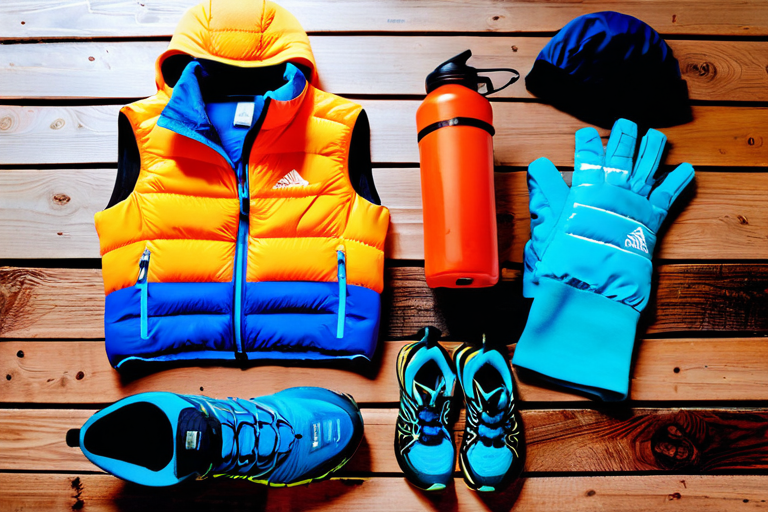
Winter trail running demands specialized footwear. The Outdoor Gear Lab testing team recommends shoes with aggressive lugs for snow and ice traction, waterproof membranes, and slightly larger sizing to accommodate thicker socks.
Safety Protocols and Emergency Preparedness
Winter trail running amplifies risks, making comprehensive safety planning non-negotiable. The The Mountaineers organization stresses that preparation should begin long before you hit the trail.
Pre-Run Safety Checklist
- Check weather forecasts and trail condition reports
- File a trip plan with someone reliable
- Pack essential emergency gear
- Test all equipment before departure
- Know your bail-out points and alternative routes
Essential Emergency Gear
Every winter trail runner should carry these items, regardless of planned distance or duration:
Nutrition and Hydration Strategies
Cold weather significantly impacts your body's nutritional and hydration needs. According to sports nutrition research published in the American College of Sports Medicine journal, winter athletes often underestimate their fluid requirements.
Hydration Management
Preventing dehydration in cold conditions presents unique challenges:
- Use insulated hydration systems to prevent freezing
- Drink regularly, even if you don't feel thirsty
- Monitor urine color as a hydration indicator
- Consider electrolyte supplementation for longer runs
Cold Weather Nutrition
Your body burns more calories maintaining core temperature in cold environments. Energy-dense, easily digestible foods become essential:
Quick carbohydrate source
High-calorie fat source
Natural sugars and fiber
Balanced macronutrients
Training and Technique Adjustments
Winter trail running requires technical adjustments to maintain safety and efficiency. The Trail Runner Magazine coaching team recommends specific modifications for cold-weather conditions.
Pacing and Effort Management
Winter conditions naturally slow your pace. Accept this reality and adjust expectations:
- Plan for 20-30% longer completion times
- Use perceived exertion rather than pace metrics
- Implement more frequent walk breaks on technical sections
- Monitor breathing patterns for early fatigue detection
Technical Running Skills
Mastering winter-specific techniques enhances safety and enjoyment:

Weather Monitoring and Decision Making
Winter weather can change rapidly, turning manageable conditions into dangerous situations. The National Weather Service provides essential tools for outdoor enthusiasts.
Critical Weather Factors
Monitor these key meteorological elements before and during your run:
Recovery and Post-Run Care
Proper recovery becomes even more critical in winter conditions. Cold weather running places additional stress on your musculoskeletal system and immune function.
Immediate Post-Run Protocol
Implement these steps within 30 minutes of completing your winter trail run:
- Change into dry clothing immediately
- Consume warm, hydrating fluids
- Eat a balanced recovery meal within the hour
- Perform gentle stretching while muscles are warm
- Assess feet and extremities for cold injury signs
Expert Tip: Cold Adaptation
"Regular exposure to cold conditions helps your body adapt physiologically. Start with shorter runs in milder winter conditions and gradually increase exposure as your body acclimatizes. This process typically takes 2-3 weeks of consistent cold-weather training." - Dr. Sarah Johnson, Exercise Physiologist
Conclusion: Embracing Winter's Challenge
Winter trail running offers unparalleled rewards for those willing to prepare properly and respect the environment. By understanding the unique demands of cold-weather running, investing in appropriate gear, and developing sound safety practices, you can safely enjoy the magic of winter trails.
Remember that the most important piece of equipment is your judgment. When conditions deteriorate or something doesn't feel right, turning back is always the wisest choice. The trails will be there another day, and living to run another season is the ultimate victory in winter trail running.
Key Takeaways
- Always check conditions and file a trip plan
- Master the three-layer clothing system
- Carry essential emergency gear on every run
- Adjust pace expectations for winter conditions
- Listen to your body and know when to turn back