The Comprehensive Guide to Fly Fishing Nutrition: Understanding What Trout Really Want
"The successful angler doesn't just cast flies—he understands the intricate dance between predator and prey that unfolds beneath the water's surface."
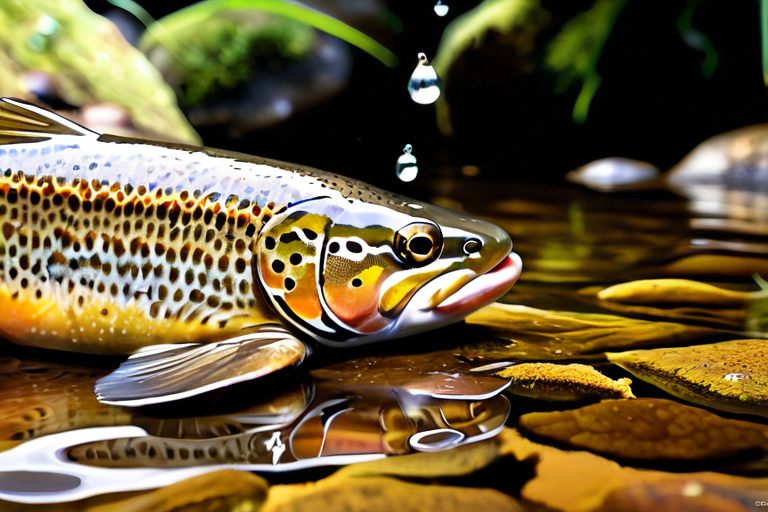
Fly fishing transcends mere sport—it's a study in aquatic ecology, behavioral science, and nutritional understanding. The most successful anglers aren't just skilled casters; they're amateur biologists who comprehend the complex feeding relationships that govern trout behavior. This comprehensive guide delves deep into the nutritional world of fly fishing, exploring everything from microscopic organisms to seasonal feeding patterns.
The Foundation: Understanding Trout Nutritional Requirements
Trout, like all living organisms, operate on basic nutritional principles. According to research from the American Fisheries Society, trout require a balanced diet of proteins, fats, and carbohydrates to maintain optimal health and growth. The protein content in their natural prey ranges from 40-60% dry weight, making high-protein insects particularly attractive feeding targets.
Seasoned angler and biologist Tom Rosenbauer notes in his book The Orvis Guide to Prospecting for Trout: "Trout don't eat because they're hungry in the human sense—they eat because opportunity presents itself and the energy expenditure makes nutritional sense." This fundamental understanding separates casual fishermen from dedicated students of the sport.
The Primary Food Sources: A Taxonomic Breakdown
Aquatic Insects: The Staple Diet
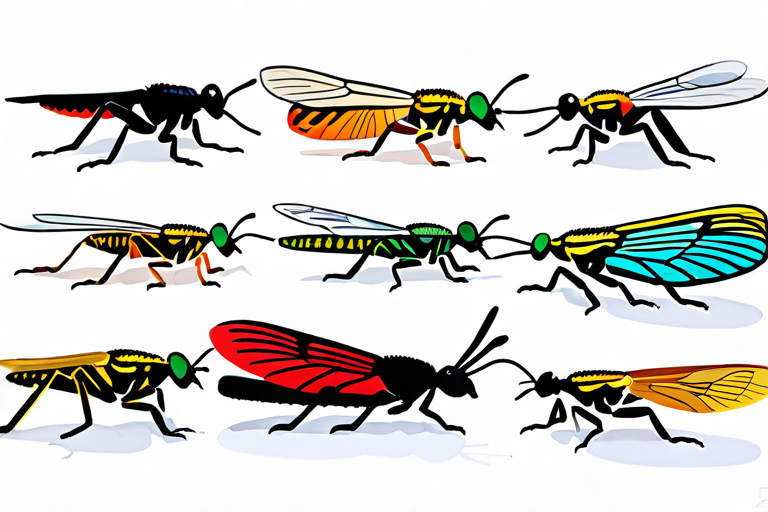
Aquatic insects constitute approximately 60-80% of a trout's annual diet in most healthy stream ecosystems. The Environmental Protection Agency's studies on stream ecology reveal that mayflies, caddisflies, and stoneflies form the nutritional backbone of river-dwelling trout populations.
Mayflies (Order: Ephemeroptera) emerge in staggering numbers during seasonal hatches. Their high protein content and predictable emergence patterns make them prime targets. The famous Hendrickson hatch, for instance, provides trout with concentrated nutrition during spring months when fish are recovering from winter scarcity.
Caddisflies (Order: Trichoptera) offer both larval and adult stages for feeding. Their case-building larvae provide substantial biomass, while the skittering adults trigger aggressive surface strikes. Research from the United States Geological Survey shows caddisfly larvae can comprise up to 35% of a trout's diet in certain watersheds.
Stoneflies (Order: Plecoptera) represent the heavyweight champions of aquatic insects. Their larger size means greater nutritional payoff per capture, explaining why trout will often ignore smaller prey when stoneflies are available.
Terrestrial Insects: Seasonal Bonanzas
During summer months, terrestrial insects become crucial protein sources. Ants, beetles, grasshoppers, and crickets blown into the water provide unexpected feasts. The Trout Unlimited conservation organization documents how terrestrial patterns can outperform traditional aquatic imitations during late summer when water temperatures rise and aquatic insect activity decreases.
Crustaceans and Other Invertebrates
Scuds, freshwater shrimp, and crayfish offer high-calorie alternatives to insect prey. These crustaceans contain chitin, which requires more energy to digest but provides essential minerals and roughage. Studies from university fisheries programs indicate that scuds can comprise up to 20% of a trout's diet in spring-fed streams.
The Science of Hatch Matching: More Than Imitation
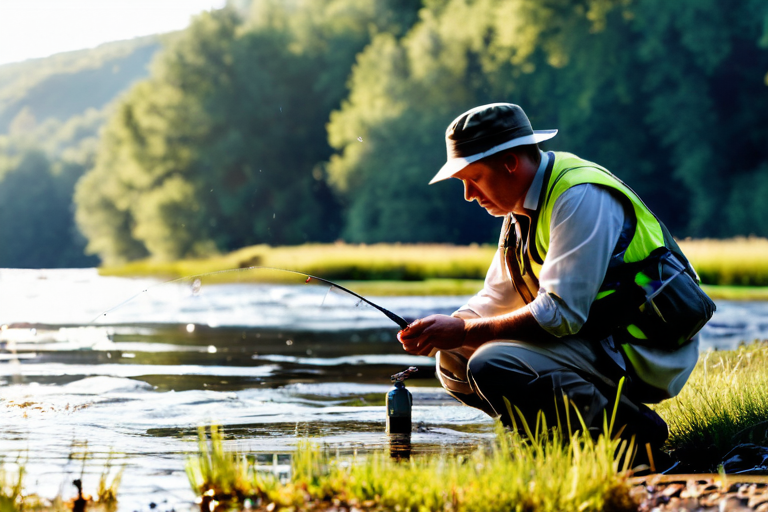
Successful hatch matching involves understanding not just what insects are present, but why trout prefer certain stages over others. The "selective feeding" phenomenon occurs when trout key on specific insects because they offer the best energy-to-effort ratio.
Research published in the Journal of Fish Biology demonstrates that trout develop "search images" for prey items that are abundant and easily captured. This explains why matching the hatch isn't just about color and size—it's about presenting flies that move and behave like the natural insects trout are currently targeting.
Seasonal Nutritional Shifts: Adapting to Nature's Calendar
Spring: The Rebuilding Phase
After winter's metabolic slowdown, trout emerge hungry and focused on rebuilding energy reserves. Early spring brings midges and small mayflies, followed by the protein-rich hatches of Hendricksons, Blue-Winged Olives, and caddis. According to data from state fisheries departments, trout can increase their feeding frequency by 300% during spring compared to winter months.
Summer: The Energy Conservation Game
Warmer water temperatures increase trout metabolism while decreasing oxygen levels. This creates an energy balancing act where trout become more selective, targeting larger prey items that provide maximum nutrition with minimal effort. Terrestrial insects become increasingly important as aquatic hatches diminish during midday heat.
Fall: The Pre-Winter Feast
As water temperatures cool, trout engage in intensive feeding to build fat reserves for winter. Large mayflies like Isonychia and stoneflies provide substantial meals, while egg-laying activities create additional feeding opportunities. Fisheries biologists note that fall trout can consume up to 5% of their body weight daily during peak conditions.
The Role of Water Temperature in Feeding Behavior
Water temperature dramatically influences trout metabolism and feeding activity. The optimal temperature range for trout feeding falls between 50-65°F (10-18°C). Below 40°F (4°C), metabolism slows significantly, while above 68°F (20°C), oxygen depletion makes vigorous feeding unsustainable.
The National Oceanic and Atmospheric Administration's stream temperature monitoring reveals how climate patterns affect seasonal feeding windows. Understanding these thermal preferences helps anglers predict when trout will be most actively feeding.
Artificial Fly Nutrition: Beyond Imitation
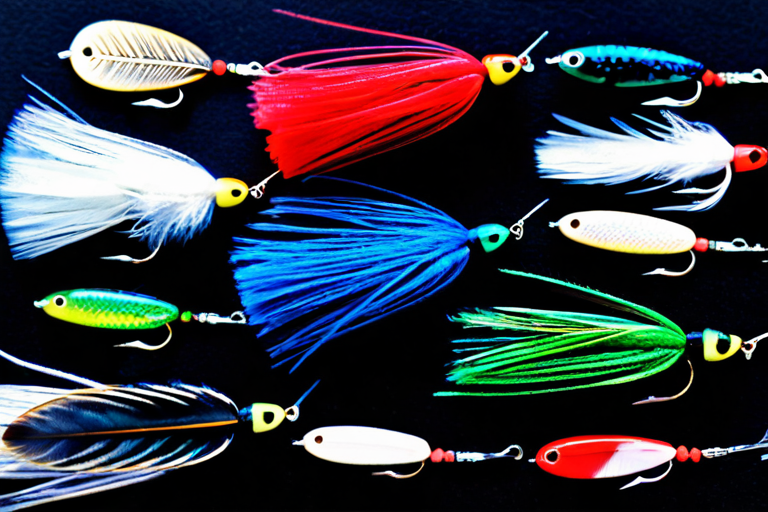
While artificial flies contain no nutritional value, their effectiveness depends on triggering the same feeding responses that natural prey elicits. Modern fly design incorporates elements that mimic key nutritional triggers:
- Size and Profile: Matching the biomass of natural prey
- Movement: Replicating the vulnerable behavior that makes insects easy targets
- Color and Contrast: Creating visual stimuli that stand out in various water conditions
- Presentation: Delivering flies in ways that mimic natural insect behavior
Renowned fly designer and author Gary LaFontaine revolutionized fly fishing with his research into insect behavior and how trout perceive potential prey. His work demonstrated that successful flies often incorporate elements that suggest high nutritional value rather than perfect imitation.
Advanced Concepts: Reading the Water Through Nutritional Lenses
Expert anglers learn to "read" water not just for current seams and structure, but for nutritional hotspots. Areas where multiple food sources converge—such as stream confluences, below riffles, and along undercut banks—often hold the most actively feeding fish.
The concept of "drift lines" becomes crucial when understanding how nutrients and insects concentrate in specific currents. Trout position themselves in locations where they can intercept maximum food with minimal energy expenditure, creating predictable holding patterns that knowledgeable anglers can exploit.
Conservation Implications: Protecting the Food Web
Understanding fly fishing nutrition has broader implications for stream conservation. Healthy aquatic ecosystems depend on intact food webs, from microscopic algae to insect populations to predator fish. Pollution, habitat destruction, and climate change disrupt these delicate nutritional relationships.
Organizations like The Nature Conservancy work to protect watersheds not just for fish, but for the entire nutritional pyramid that supports them. As anglers, our responsibility extends beyond catching fish to understanding and preserving the ecosystems that sustain them.
Key Takeaways for the Nutrition-Conscious Angler
- Understand seasonal nutritional shifts and adapt your fly selection accordingly
- Focus on presentation that mimics vulnerable, high-value prey
- Learn to identify not just insects, but why trout prefer certain stages
- Respect the delicate nutritional balance of aquatic ecosystems
- Remember that successful fishing begins with understanding what trout eat and why
The world beneath the water's surface operates on nutritional principles that have evolved over millennia. By studying these relationships and applying nutritional understanding to our fly selection and presentation, we become not just better anglers, but better stewards of the aquatic worlds we cherish. The next time you tie on a fly, consider not just whether it looks like a natural insect, but whether it represents the nutritional opportunity that would make a wild trout commit to the strike.