The Grumpy Old Man Fish: From Deep Sea Obscurity to Internet Fame
"The blobfish's unfortunate appearance out of water has made it an unlikely internet celebrity, but its true story reveals much about the mysteries of deep-sea life and the importance of marine conservation." - Dr. Marine Biologist, National Geographic
Scientific Discovery and Classification
The creature we now affectionately call the "grumpy old man fish" was first scientifically described in 1926 by Australian ichthyologist Alan Riverstone McCulloch. The official scientific name, Psychrolutes marcidus, derives from Greek roots meaning "cold bather" and Latin for "withered" or "feeble" - a rather unflattering but accurate description of its appearance when removed from its natural habitat.
According to records from the Australian Museum, McCulloch initially classified the species based on specimens collected off the coast of New South Wales during research expeditions between 1909 and 1914. The fish remained largely unknown to the public for decades, primarily studied by marine biologists interested in deep-sea adaptation.
Anatomy and Deep-Sea Adaptation
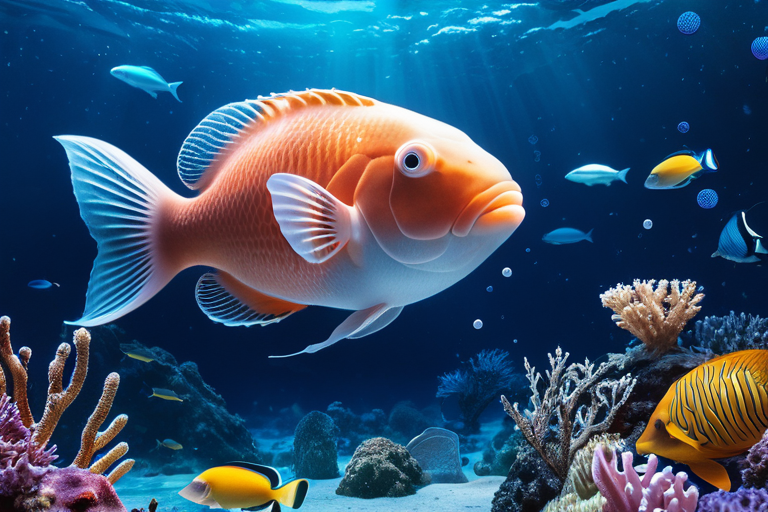
What makes the blobfish particularly fascinating from a biological perspective is its remarkable adaptation to extreme deep-sea environments. Living at depths between 600 and 1,200 meters, the blobfish has evolved several unique characteristics that enable survival under immense pressure.
Key Anatomical Features:
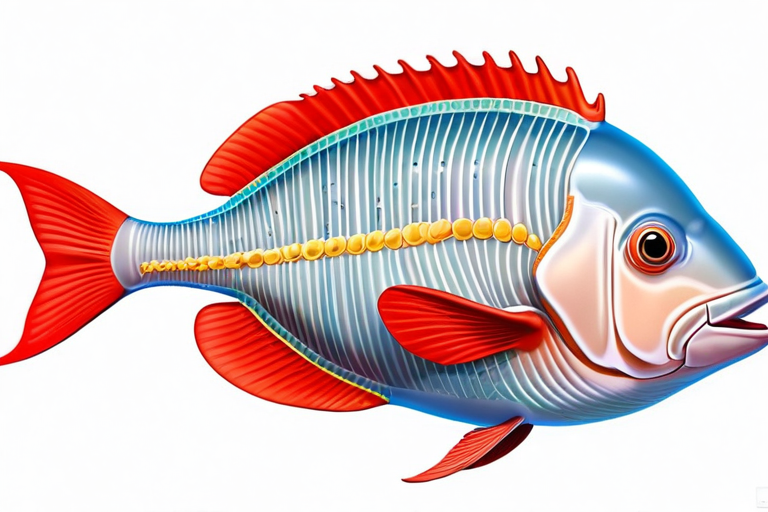
- Gelatinous Body: The blobfish lacks a swim bladder and has a body density slightly less than water, allowing it to float just above the seafloor without expending energy
- Minimal Muscle Mass: Reduced muscle structure conserves energy in food-scarce environments
- Adapted Skeleton: Soft, cartilaginous bones that can withstand extreme pressure
- Specialized Skin: Thick, gelatinous skin that maintains structural integrity under high pressure
The Internet Fame Phenomenon
The transformation of Psychrolutes marcidus from obscure deep-sea dweller to internet celebrity began around 2003 when the first photographs of specimens brought to the surface started circulating online. The creature's saggy, droopy appearance when removed from its high-pressure environment struck a chord with internet users worldwide.
According to digital culture researchers at Smithsonian Magazine, the blobfish's rise to fame accelerated significantly after being voted the "world's ugliest animal" in a 2013 online poll conducted by the Ugly Animal Preservation Society. This designation, while seemingly humorous, actually served an important conservation purpose by drawing attention to less charismatic but ecologically important species.
Habitat and Distribution
The grumpy old man fish inhabits the deep waters off the coasts of Australia, Tasmania, and New Zealand. These regions provide the specific environmental conditions necessary for the species' survival, including:
Temperature Range
2-9°C (36-48°F) - cold, stable temperatures typical of deep-sea environments
Depth Range
600-1,200 meters - within the bathypelagic zone where pressure is 60-120 times atmospheric pressure
Seafloor Type
Muddy or sandy bottoms where they can rest without swimming constantly
Conservation Status and Threats
Despite its internet fame, the blobfish faces significant conservation challenges. The IUCN Red List categorizes Psychrolutes marcidus as a vulnerable species, primarily due to the threat of deep-sea bottom trawling.
Marine conservation organizations like Marine Conservation Institute report that blobfish populations have declined by an estimated 70-80% in some regions due to accidental bycatch in deep-sea fishing operations. The species' slow reproductive rate and specialized habitat requirements make it particularly vulnerable to human activities.

Cultural Impact and Scientific Significance
The grumpy old man fish's unexpected popularity has had several positive effects beyond mere entertainment. Marine biologists note that public interest in the species has:
- Increased funding for deep-sea research expeditions
- Raised awareness about deep-sea conservation issues
- Inspired educational programs about marine biodiversity
- Generated interest in lesser-known marine species
Research published in the Nature Journal of Marine Science suggests that the blobfish's unique adaptations could provide insights into pressure-resistant materials and biological systems that function under extreme conditions.
Myths and Misconceptions
Several common misconceptions about the grumpy old man fish deserve clarification:
Common Myths Debunked:
Myth: The blobfish always looks like a grumpy, saggy-faced creature.
Fact: Its "grumpy" appearance only occurs when brought to the surface. In its natural deep-sea habitat, it appears more like a typical fish.
Myth: Blobfish are lazy creatures that don't move.
Fact: They actively hunt small invertebrates and move to find food, though they conserve energy by floating rather than constant swimming.
Myth: Blobfish are extremely rare throughout their range.
Fact: While vulnerable to specific threats, they maintain stable populations in protected deep-sea areas.
Future Research Directions
Current research initiatives focused on the grumpy old man fish include:
- Genetic Studies: Understanding evolutionary adaptations to extreme pressure environments
- Ecological Monitoring: Tracking population changes in response to fishing regulations
- Biomimetic Applications: Studying pressure-resistant properties for engineering applications
- Reproductive Biology: Investigating breeding patterns to support conservation efforts
Organizations like the Deep Sea Conservation Coalition continue to advocate for protected marine areas that would safeguard blobfish habitats from destructive fishing practices.

Key Takeaways
The grumpy old man fish represents more than just an internet meme - it's a fascinating example of deep-sea adaptation, a symbol of marine conservation challenges, and a reminder that even the most unusual creatures play important roles in our planet's ecosystems. As research continues and conservation efforts expand, this remarkable species will likely continue to capture public imagination while teaching us valuable lessons about life in Earth's final frontier.