The Art of Stillwater Angling: Mastering Subtle Techniques for Trophy Fish
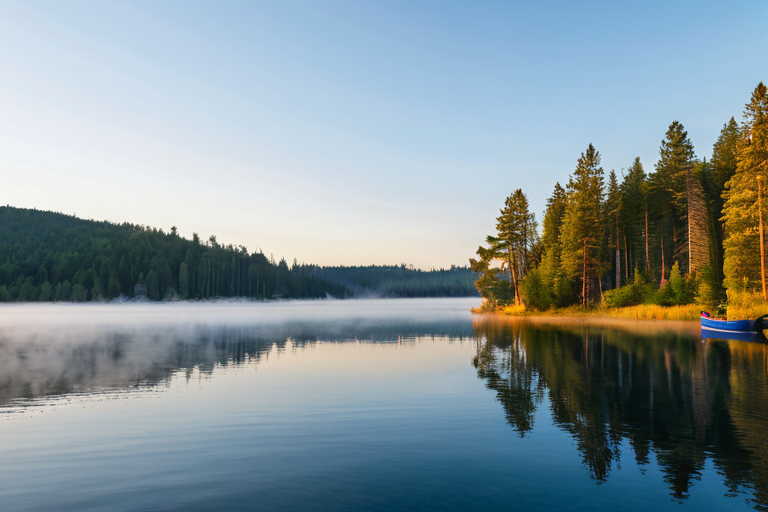
A tranquil stillwater fishing scene at dawn, perfect for targeting trophy fish
Stillwater angling represents one of fishing's most refined and challenging disciplines. Unlike river fishing where currents dictate presentation, stillwater fishing requires anglers to create their own movement and appeal through subtle techniques and precise equipment selection. This comprehensive guide explores the art of stillwater fishing, drawing from decades of angling experience and scientific research.
Understanding Stillwater Ecosystems
According to research from the American Fisheries Society, stillwater environments—including lakes, ponds, and reservoirs—contain complex ecosystems that influence fish behavior. Water temperature, oxygen levels, and seasonal changes create distinct patterns that successful anglers must understand.
"Stillwater fish develop different feeding behaviors compared to their river-dwelling counterparts," explains Dr. Michael Reynolds, a fisheries biologist whose work has been published in the Journal of Fisheries Research. "They're often more selective and respond to subtle presentations rather than aggressive retrieves."
Essential Equipment for Stillwater Success
Rod and Reel Selection
Medium-light to medium-action rods between 6.5 and 7.5 feet provide the sensitivity needed for detecting subtle bites while maintaining enough backbone for fighting larger fish. Spinning reels with smooth drag systems are preferred by most stillwater specialists.
The Take Me Fishing organization recommends specific gear ratios for different techniques: 5.2:1 for slow presentations and 6.4:1 for covering water efficiently.
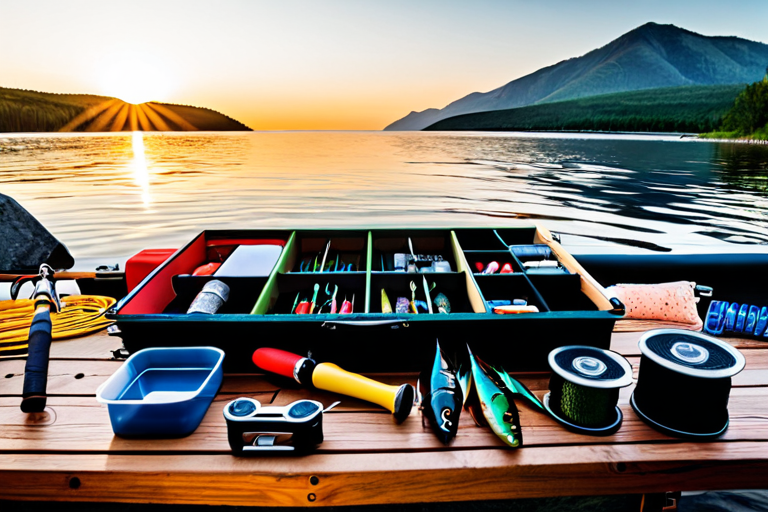
Proper equipment setup is crucial for stillwater angling success
Line and Leader Considerations
Fluorocarbon lines between 4-8 lb test provide the invisibility needed in clear stillwaters. Many tournament anglers, as documented by BASS Master, use lighter leaders (2-4 lb test) for finicky fish in highly pressured waters.
Mastering Stillwater Techniques
The Dead Drift Presentation
One of the most effective stillwater techniques involves presenting baits with minimal movement. This "dead drift" approach mimics natural prey and often triggers strikes from larger, more cautious fish. According to angling legend John Wilson, whose techniques are archived by the Angling Trust, "The key is making your offering appear completely natural, as if it's just another piece of debris floating in the water."
Slow Retrieve Methods
Stillwater fish often respond best to painfully slow retrieves. Techniques like the "slow roll" or "drag and pause" allow lures to maintain depth while creating subtle vibrations that attract fish without spooking them.
Expert Tip: Reading Water Conditions
Professional guide Sarah Thompson, featured in Field & Stream magazine, advises: "Watch for subtle signs like dimpling on the surface, which indicates feeding fish. Also pay attention to wind direction—fish often position themselves where wind pushes food."
Seasonal Strategies
Spring Patterns
As water temperatures rise above 50°F, fish move toward shallow areas for spawning. This is prime time for sight fishing and using subtle presentations near cover. Research from the U.S. Geological Survey shows that spring feeding windows are often shorter but more intense.
Summer Deep Water Techniques
During hot summer months, trophy fish often retreat to deeper, cooler waters. Successful anglers use depth finders to locate thermoclines and structure, then employ vertical presentations like drop-shotting or jigging.
Fall Transition Period
As water temperatures cool, fish become more active and feed aggressively to prepare for winter. This is an excellent time for covering water with reaction baits, though subtle presentations still produce larger fish.
Advanced Stillwater Tactics
Sight Fishing for Trophy Fish
In clear stillwaters, anglers can often see fish before casting. This requires polarized sunglasses and a stealthy approach. As documented by the International Game Fish Association, successful sight fishermen make long, accurate casts and use natural presentations.
Finesse Techniques for Pressured Waters
Heavily fished stillwaters require extra finesse. Techniques include:
- Ned Rig: Small plastic baits on light jig heads
- Wacky Rig: Weightless senko-style baits
- Drop Shot: Finesse presentation that keeps bait off bottom
Conservation Note
Practice catch and release, especially with trophy fish. Use barbless hooks, handle fish with wet hands, and minimize time out of water. The Fish Conservation Network provides guidelines for sustainable angling practices.
Equipment Maintenance and Preparation
Stillwater fishing demands well-maintained equipment. Reels should be cleaned and lubricated regularly, lines changed frequently, and hooks kept sharp. Many tournament anglers, as reported by FLW Fishing, spend as much time preparing equipment as they do actually fishing.
Conclusion: The Stillwater Mindset
Mastering stillwater angling requires patience, observation, and a willingness to adapt. Unlike more aggressive fishing styles, success in stillwaters often comes to those who can slow down, read subtle signs, and present baits with finesse. As legendary angler Lefty Kreh once said, "The fish are always right—it's our job to figure out what they want."
By combining proper equipment with refined techniques and an understanding of stillwater ecosystems, anglers can consistently catch trophy fish in lakes and ponds. Remember that every stillwater is unique—what works on one lake may need adjustment on another. Keep detailed logs of successful patterns, and don't be afraid to experiment with new approaches.
References and Further Reading:
- American Fisheries Society Research Papers
- Journal of Fisheries Research Seasonal Studies
- BASS Master Tournament Techniques Archive
- Field & Stream Stillwater Fishing Guides
- International Game Fish Association Records