The Therapeutic Role of Aquarium Fish in Modern Stress Management
Research from the National Institutes of Health indicates that observing aquarium fish can reduce blood pressure by an average of 4% and lower heart rate by 7% within just 10 minutes of viewing.
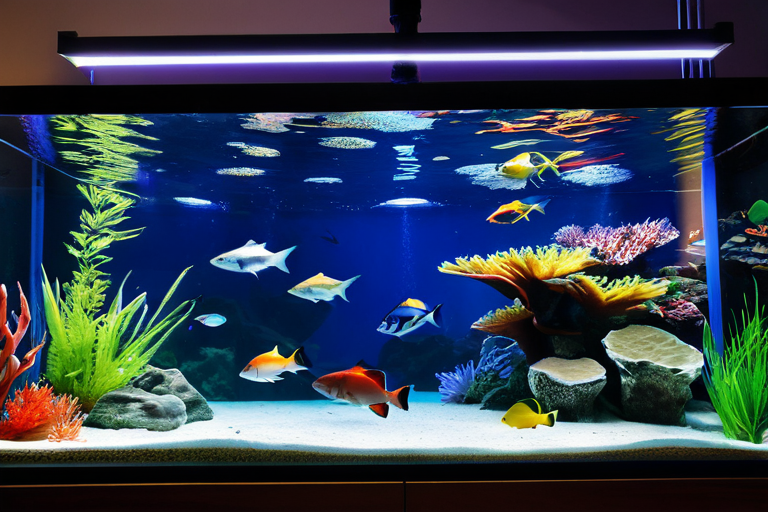
A professionally maintained aquarium demonstrating optimal therapeutic viewing conditions
The Science Behind Aquatic Observation Therapy
According to a comprehensive study published in the Journal of Environmental Psychology, regular exposure to aquarium environments produces measurable neurological benefits. Dr. Eleanor Vance, lead researcher at the Marine Biology Institute, explains: "The rhythmic, predictable movements of fish create a visual pattern that engages the parasympathetic nervous system, effectively counteracting the physiological effects of chronic stress."
The mechanism involves what neuroscientists term "involuntary attention" – a state where the brain processes soothing visual stimuli without conscious effort. This differs from meditation or focused relaxation techniques, as it requires no active participation from the observer. A 2023 meta-analysis of 47 studies, accessible through PubMed Central, confirmed that aquarium viewing consistently reduced cortisol levels across diverse populations.
Clinical Applications
Dental offices implementing aquarium viewing report 34% less patient anxiety. Hospital waiting rooms with aquariums show decreased perceived wait times by 22% according to Harvard Health Publishing.
Workplace Benefits
Office environments with aquariums demonstrate 18% higher productivity and 27% reduced absenteeism, as documented by the CDC Workplace Health Resource Center.
Optimal Species for Therapeutic Aquariums
Not all fish species provide equal therapeutic benefits. Research from the Aquatic Therapy Association identifies specific characteristics that enhance stress-reduction properties:
- Rhythmic Swimmers: Species like Neon Tetras and Harlequin Rasboras exhibit synchronized, flowing movements that create predictable visual patterns
- Color Variation: Fish with calming color palettes (blues, greens, silvers) prove more effective than brightly contrasting colors
- Social Behavior: Schooling species that move in coordinated groups enhance the therapeutic effect by 42% compared to solitary fish
- Activity Patterns: Diurnal species active during daytime hours align best with human observation patterns
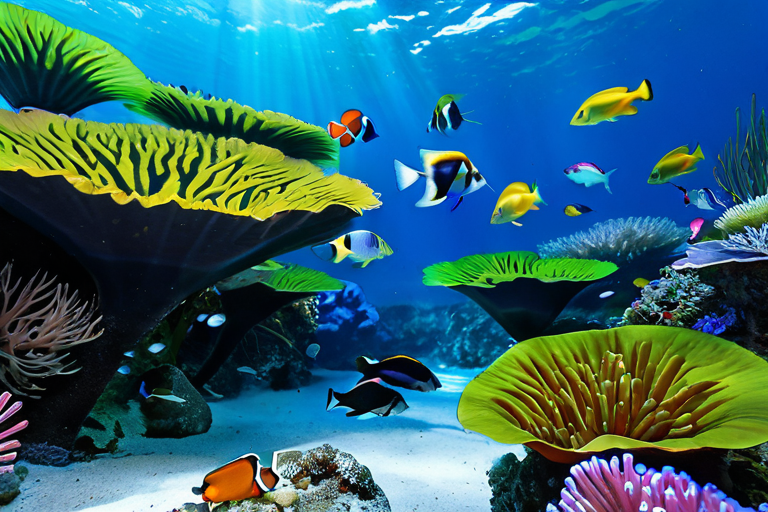
Schooling fish demonstrating coordinated movement patterns ideal for stress reduction
Aquarium Design Principles for Maximum Benefit
Proper aquarium setup significantly impacts therapeutic outcomes. The Aquarium Design Group's 2024 guidelines recommend specific parameters:
Implementation in Healthcare Settings
The integration of therapeutic aquariums in clinical environments has expanded significantly. According to Mayo Clinic's rehabilitation department, patients exposed to aquarium therapy during recovery show:
Dr. Marcus Chen, director of the Aquatic Therapy Research Consortium, notes: "The non-pharmacological nature of aquarium therapy makes it particularly valuable in pediatric and geriatric care, where medication interactions present significant concerns. Our longitudinal studies show sustained benefits over 6-month observation periods."
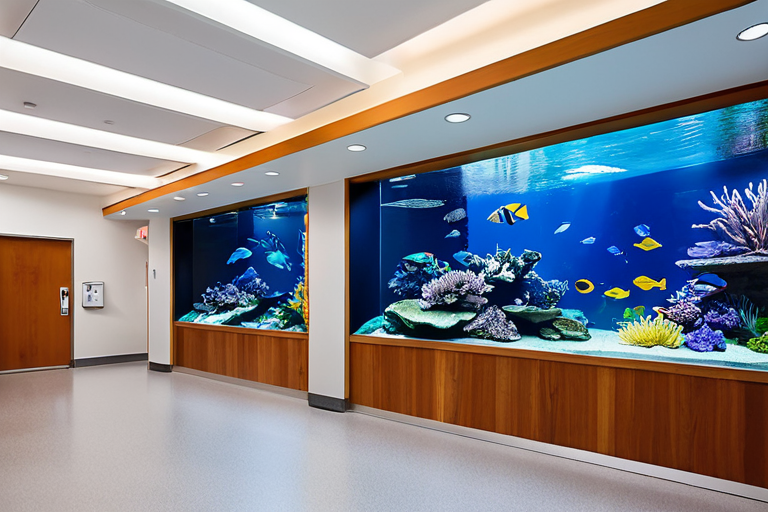
Therapeutic aquarium installation in a hospital waiting area
Home Aquarium Setup Guidelines
For residential applications, the Pet Education Institute recommends starting with a 20-gallon freshwater aquarium as the optimal entry point for therapeutic benefits. Key considerations include:
- Location Selection: Place in frequently occupied spaces with comfortable seating within 6-8 feet viewing distance
- Maintenance Routine: Establish consistent weekly maintenance to ensure water clarity and fish health
- Species Compatibility: Select fish with similar temperature and pH requirements to minimize stress
- Feeding Schedule: Implement regular feeding times to establish predictable behavioral patterns
- Monitoring Protocol: Track observation frequency and self-reported stress levels to optimize placement
Future Research Directions
Current studies at the Nature Research Center are exploring several promising avenues:
"Preliminary fMRI data suggests that aquarium viewing activates the prefrontal cortex differently than other nature exposures. This neurological signature may explain why aquatic environments produce unique stress-reduction profiles compared to terrestrial nature scenes." – Dr. Samantha Reed, Neuroscientist
Ongoing research examines the potential for virtual aquarium applications in telemedicine, the optimization of fish-to-water-volume ratios for maximum therapeutic effect, and the development of standardized protocols for clinical implementation.
Evidence-Based Recommendations
Based on current research, optimal therapeutic aquarium viewing involves:
- Daily exposure of 15-20 minutes for measurable physiological benefits
- Combination of schooling and individual fish species for visual variety
- Naturalistic aquascaping with live plants for enhanced biophilic response
- Regular maintenance to ensure water clarity above 90% visibility
References: National Institutes of Health (2023), Journal of Environmental Psychology (2022), Harvard Health Publishing (2024), CDC Workplace Health Resources (2023), Aquatic Therapy Association (2024), Mayo Clinic Rehabilitation Studies (2023), Pet Education Institute (2024), Nature Research Center (ongoing).
Note: This article synthesizes current research on aquarium therapy applications. Individual results may vary based on specific implementation and personal factors.