Lake Conroe Fishing Report: Your Ultimate Angling Resource
Nestled just north of Houston, Lake Conroe stands as one of Texas' premier fishing destinations, offering diverse angling opportunities year-round. This 21,000-acre reservoir consistently produces trophy bass, hefty crappie, and hard-fighting catfish, drawing anglers from across the region. Whether you're a weekend warrior or seasoned tournament fisherman, understanding Lake Conroe's unique patterns and conditions can transform your fishing experience.
Current Water Conditions and Seasonal Patterns
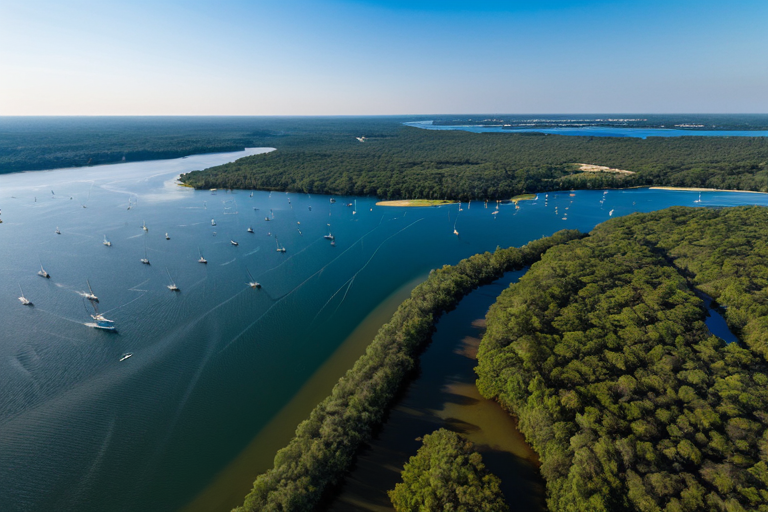
Water temperature fluctuations dictate fish behavior more than any other single factor on Lake Conroe. During spring months (March-May), surface temperatures typically range from 65-75°F, triggering aggressive feeding patterns as bass move shallow to spawn. Summer brings warmer waters (78-85°F), pushing fish to deeper structure and early morning/low-light periods. Fall turnover (October-November) creates challenging but rewarding fishing as fish reposition throughout the water column.
According to the Texas Parks and Wildlife Department, Lake Conroe maintains excellent water clarity in most areas, ranging from 2-4 feet visibility. This clarity influences lure selection and presentation significantly. Anglers should monitor water levels through the USGS Water Data portal, as fluctuations of just a few feet can concentrate fish in specific areas.
Species-Specific Strategies and Hotspots
Largemouth Bass: Lake Conroe's Crown Jewel
Lake Conroe's bass fishery has undergone remarkable transformation in recent years, with Florida-strain genetics producing numerous double-digit fish annually. The northern sections, particularly around the April Sound and Walden areas, offer extensive hydrilla beds that hold quality fish year-round. During summer months, don't overlook the main lake points and river channel edges where bass suspend over deeper water.
Top bass techniques vary seasonally: spring calls for chatterbaits and weightless soft plastics around emerging vegetation; summer demands deep-diving crankbaits and Carolina rigs on offshore structure; fall sees a resurgence of topwater action as shad migrate shallow. The BASS Tournament Trail regularly features Lake Conroe, with winning patterns typically involving a mix of shallow and deep presentations.
Local guides emphasize the importance of electronics on this reservoir. Side-imaging sonar reveals submerged brush piles and roadbeds that hold concentrations of fish, particularly during midday periods when bass become less active. Many tournament winners credit their success to identifying these subtle offshore transitions.
Crappie: Consistent Action Year-Round
While bass grab headlines, Lake Conroe's crappie fishery provides some of the most reliable action. The reservoir's abundant standing timber and brush piles create ideal habitat for both black and white crappie. Spring spawning activity peaks when water temperatures reach 62-65°F, with fish concentrating in 3-8 feet of water around submerged structure.
Pro Tip: Crappie Electronics
Successful crappie anglers utilize forward-facing sonar to identify suspended fish around bridge pilings and deep brush. The FM 1097 bridge area and Caney Creek consistently produce limits during winter months when crappie school tightly in 15-25 foot depths. Mini-jigs in natural colors (chartreuse/black, white/red) outperform live minnows during most conditions, though having both options increases adaptability.
Catfish: Nighttime Giants
Lake Conroe's channel and blue catfish populations offer exceptional opportunities, particularly for night anglers. The warming waters of summer trigger aggressive feeding behavior, with fish moving shallow after dark to feed on shad and sunfish. Areas with current, such as the dam discharge and creek mouths, concentrate feeding catfish during generation periods.
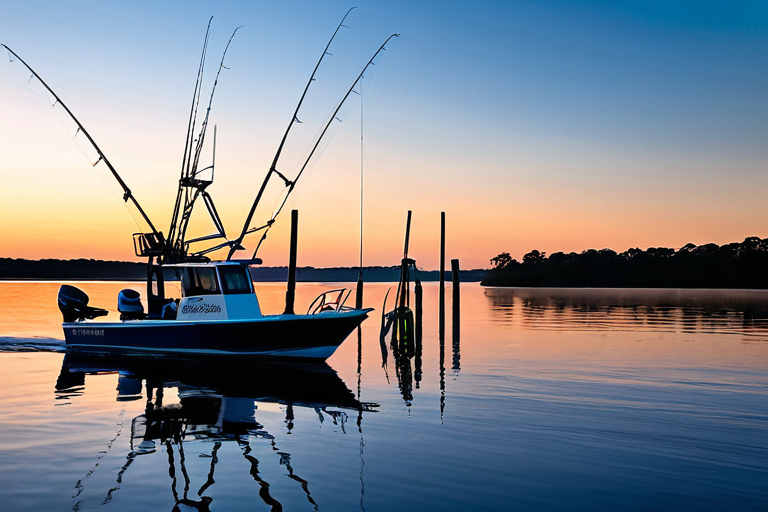
Cut shad remains the premier bait for larger blues, while prepared stink baits and chicken liver attract numbers of channel cats. Drift fishing across main lake flats in 15-30 feet produces consistent action during daylight hours, while anchored setups near lighted docks excel after sunset. The Texas state record blue catfish (over 100 pounds) came from similar reservoirs, indicating Lake Conroe's potential for trophy-class fish.
According to fisheries biologists, Lake Conroe's catfish benefit from the reservoir's abundant forage base and relatively stable water levels. Anglers targeting these bottom dwellers should focus on areas with hard bottom composition and some current flow, as these locations naturally accumulate food and attract feeding fish.
Essential Gear and Local Regulations
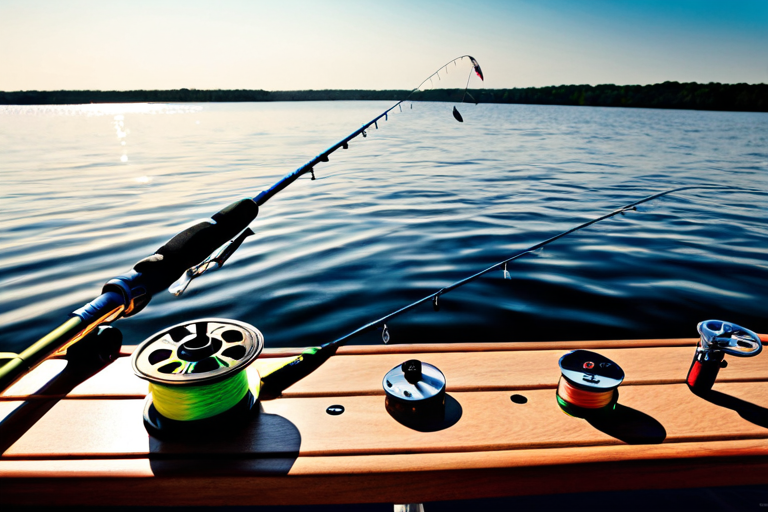
Proper equipment selection can make or break your Lake Conroe fishing experience. For bass, medium-heavy casting rods paired with high-speed reels (7:1 ratio or higher) allow quick presentations and solid hooksets in vegetation. Crappie anglers benefit from light spinning tackle and multiple rod setups for vertical presentations. Catfish enthusiasts should employ heavier gear with 20-30 pound test line to handle both the fish and potential snags.
Regulatory Reminder
Always consult the latest Texas Fishing Regulations before your trip. Lake Conroe follows statewide limits: 5 bass daily (14-inch minimum), 25 crappie daily (no minimum), and 25 catfish daily (no minimum for channels, 30-inch minimum for blues over 30 inches). Special regulations may apply during spawning seasons, so verification through official channels remains crucial.
Weather Considerations and Safety
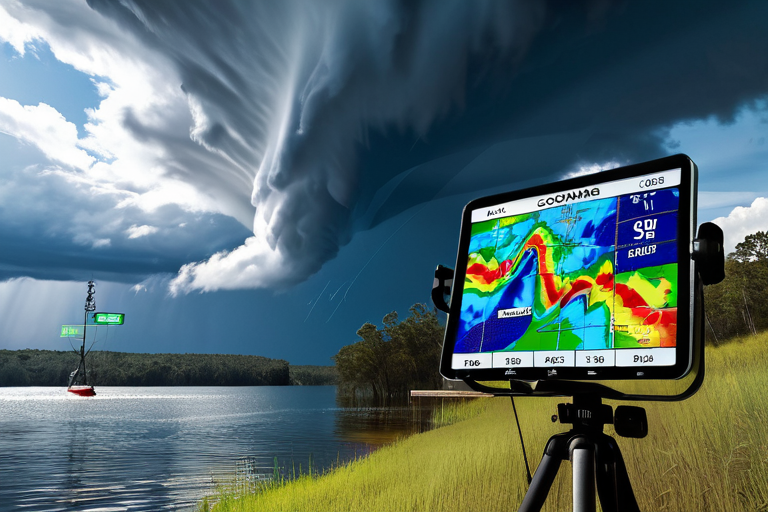
Texas weather can change rapidly, significantly impacting fishing success and safety. Summer thunderstorms frequently develop in afternoon hours, requiring anglers to monitor forecasts closely. Wind direction plays a substantial role in fish positioning—southwest winds typically warm surface temperatures and activate feeding, while north winds following cold fronts often shut down bite windows.
Boaters should exercise caution around Lake Conroe's numerous submerged structures and fluctuating water levels. The Weather Underground platform provides detailed local forecasts including wind speed, direction, and precipitation probability—all critical factors for planning successful fishing trips. Early morning and evening sessions typically offer the most comfortable conditions during summer months, while midday fishing proves more productive during cooler seasons.
Seasoned Lake Conroe anglers recommend having multiple contingency plans based on weather conditions. When winds exceed 15 mph, focusing on protected coves and creek arms often yields better results than battling main lake waves. Conversely, calm days present ideal conditions for sight fishing and finesse techniques.
Local Insights and Tournament Trends
Regular tournament activity on Lake Conroe provides valuable insight into effective patterns and techniques. Winning weights typically range from 18-25 pounds for five-bass limits, with larger tournaments occasionally requiring 30+ pounds to claim victory. Successful anglers frequently employ a combination of reaction baits (spinnerbaits, crankbaits) to locate active fish, then switch to slower presentations (Texas rigs, jigs) to maximize their catch.
Local Guide Perspective
"The key to consistent success on Lake Conroe is understanding seasonal migrations," notes veteran guide Mark Davis. "Fish follow predictable patterns based on water temperature and baitfish movements. During spring, focus on northwest shorelines as they warm first. Summer transitions require targeting deeper structure near spawning areas. Fall brings fish back to similar locations as spring, just in different depths."
Access points around the lake vary in quality and amenities. The Seven Coves area offers excellent ramp facilities and nearby restaurants, while the Stow-A-Way Marina provides full-service options including bait, tackle, and fuel. Weekday fishing typically sees less pressure, though early mornings on weekends still produce quality bites before boat traffic increases.
This fishing report synthesizes information from Texas Parks and Wildlife Department surveys, local guide interviews, tournament results, and angler reports. Conditions change regularly, so consulting multiple sources before your trip ensures the most current information. Whether targeting trophy bass, limits of crappie, or nighttime catfish, Lake Conroe offers diverse opportunities for anglers of all skill levels.