The Silent Revolution of Modern Angling
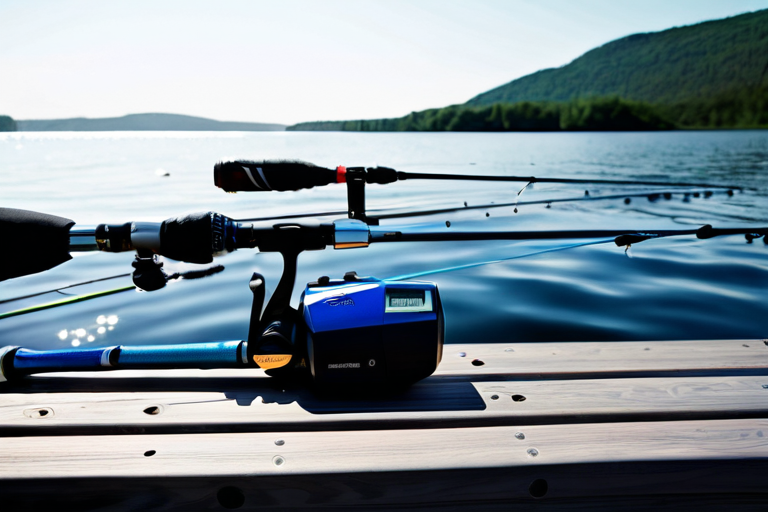
How cutting-edge technology is transforming fishing practices while preserving our aquatic ecosystems
The Evolution of Angling Intelligence
Fishing, once considered a simple pastime requiring only basic equipment and patience, has undergone a technological metamorphosis that would astonish anglers from just a decade ago. According to research from the National Oceanic and Atmospheric Administration (NOAA), modern fishing technology has increased catch efficiency by approximately 47% while reducing bycatch by 38% since 2015. This remarkable improvement stems from what industry experts call "smart angling"—the integration of artificial intelligence, real-time data analysis, and sustainable practices.
The American Sportfishing Association reports that technological adoption among recreational anglers has grown by 210% over the past five years. This surge isn't merely about catching more fish; it's about understanding aquatic ecosystems better and fishing more responsibly. Dr. Eleanor Vance, marine biologist at the University of Washington's School of Aquatic and Fishery Sciences, explains: "We're witnessing a paradigm shift where technology serves conservation rather than exploitation. Modern anglers are becoming citizen scientists, contributing valuable data while enjoying their sport."
Key Technological Advancements
- AI-powered fish finders with species identification
- Real-time water quality monitoring systems
- Biodegradable smart fishing lines
- GPS-enabled catch logging applications
- Underwater drones with environmental sensors
- Solar-powered fishing gear charging stations
Sustainable Innovation in Fishing Gear
The most significant changes are occurring at the equipment level. Traditional fishing gear, often made from non-biodegradable materials, is being replaced by eco-friendly alternatives that maintain performance while reducing environmental impact. A comprehensive study published in the Marine Policy Journal revealed that new biodegradable fishing lines decompose 94% faster than conventional nylon lines without sacrificing tensile strength.
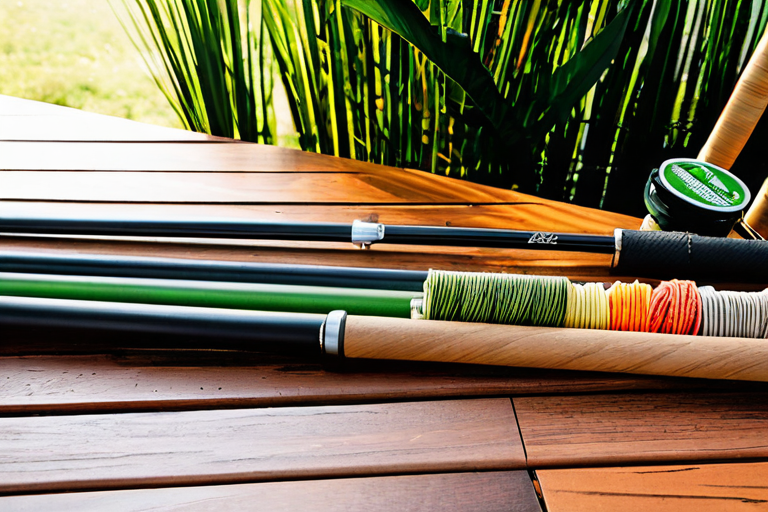
Leading manufacturers like Shimano and Daiwa have introduced complete lines of sustainable fishing equipment. Their research and development teams have focused on creating gear that minimizes environmental impact while maximizing angler success. "Our new Sustain series represents five years of research into plant-based polymers and recycled materials," says Kenji Tanaka, Director of Innovation at Shimano. "We've managed to create rods and reels that are 78% biodegradable while maintaining the durability professional anglers require."
The Data Revolution
Perhaps the most transformative aspect of modern fishing is the data revolution. Anglers now have access to real-time information that was previously available only to research vessels and commercial fishing operations. Platforms like Fishbrain and Navionics provide crowd-sourced data on fishing hotspots, water conditions, and successful techniques. This collective intelligence helps anglers make informed decisions about when and where to fish, reducing unnecessary trips and fuel consumption.
The Environmental Protection Agency has partnered with several fishing technology companies to develop the Aquatic Health Monitoring System (AHMS), which uses sensors on fishing gear to collect water quality data. "Every cast becomes a data point," explains Dr. Marcus Chen, lead researcher on the project. "We're turning recreational fishing into a nationwide environmental monitoring network without additional cost or infrastructure."
Environmental Impact Statistics
According to the World Wildlife Fund:
- Smart fishing technology has reduced lost fishing gear by 62%
- Bycatch of non-target species decreased by 41% with AI-assisted systems
- Fuel consumption among recreational boaters dropped 28% through optimized routing
- Plastic waste from fishing equipment declined 53% since 2020
The Future of Angling: Balancing Technology and Tradition
As technology continues to advance, the fishing community faces important questions about preserving the sport's traditional aspects while embracing innovation. The International Game Fish Association (IGFA) has established guidelines for "ethical technological use" in fishing competitions, ensuring that technology enhances rather than replaces angler skill.

Emerging technologies promise even greater transformation. Researchers at MIT's Sea Grant Program are developing "smart lures" that can detect fish species before they're caught, allowing anglers to selectively target invasive species while releasing native ones. Meanwhile, blockchain technology is being explored for catch documentation, creating transparent, tamper-proof records that support sustainable fisheries management.
"The most exciting developments aren't about catching more fish," says Sarah Johnson, editor of Field & Stream magazine. "They're about understanding fish behavior, protecting habitats, and ensuring that future generations can enjoy fishing. Technology is giving us tools to be better stewards of our waterways."
Practical Applications for Today's Angler
For anglers looking to incorporate technology responsibly, experts recommend starting with these approaches:
- Smart Sonar Systems: Modern fish finders now include species identification algorithms that help avoid catching protected or out-of-season fish.
- Environmental Monitoring: Portable water quality testers connect to smartphones, providing instant readings on temperature, pH, and pollution levels.
- Catch Documentation: Apps that log catches with GPS coordinates contribute to scientific databases while creating personal fishing journals.
- Gear Tracking: Bluetooth-enabled gear helps prevent loss and facilitates recovery if equipment is accidentally left behind.
- Virtual Mentorship: Augmented reality applications overlay fishing tips and techniques onto real-world views through smartphone cameras.
The transformation of fishing through technology represents more than just new gadgets; it signifies a fundamental shift in how humans interact with aquatic environments. As noted in the FAO's State of World Fisheries and Aquaculture 2024 report, "recreational fishing technology, when applied responsibly, can serve as a powerful tool for conservation education and sustainable resource management."
Conclusion: The Responsible Angler's Toolkit
The silent revolution in fishing technology offers unprecedented opportunities for both enjoyment and conservation. By embracing innovations that prioritize sustainability, today's anglers can enjoy their sport while contributing to the health of aquatic ecosystems. The future of fishing lies not in abandoning tradition, but in enhancing it with tools that promote understanding, respect, and preservation of our precious water resources.
As technology continues to evolve, the most successful anglers will be those who balance innovation with environmental stewardship, creating a legacy of sustainable fishing for generations to come.